









































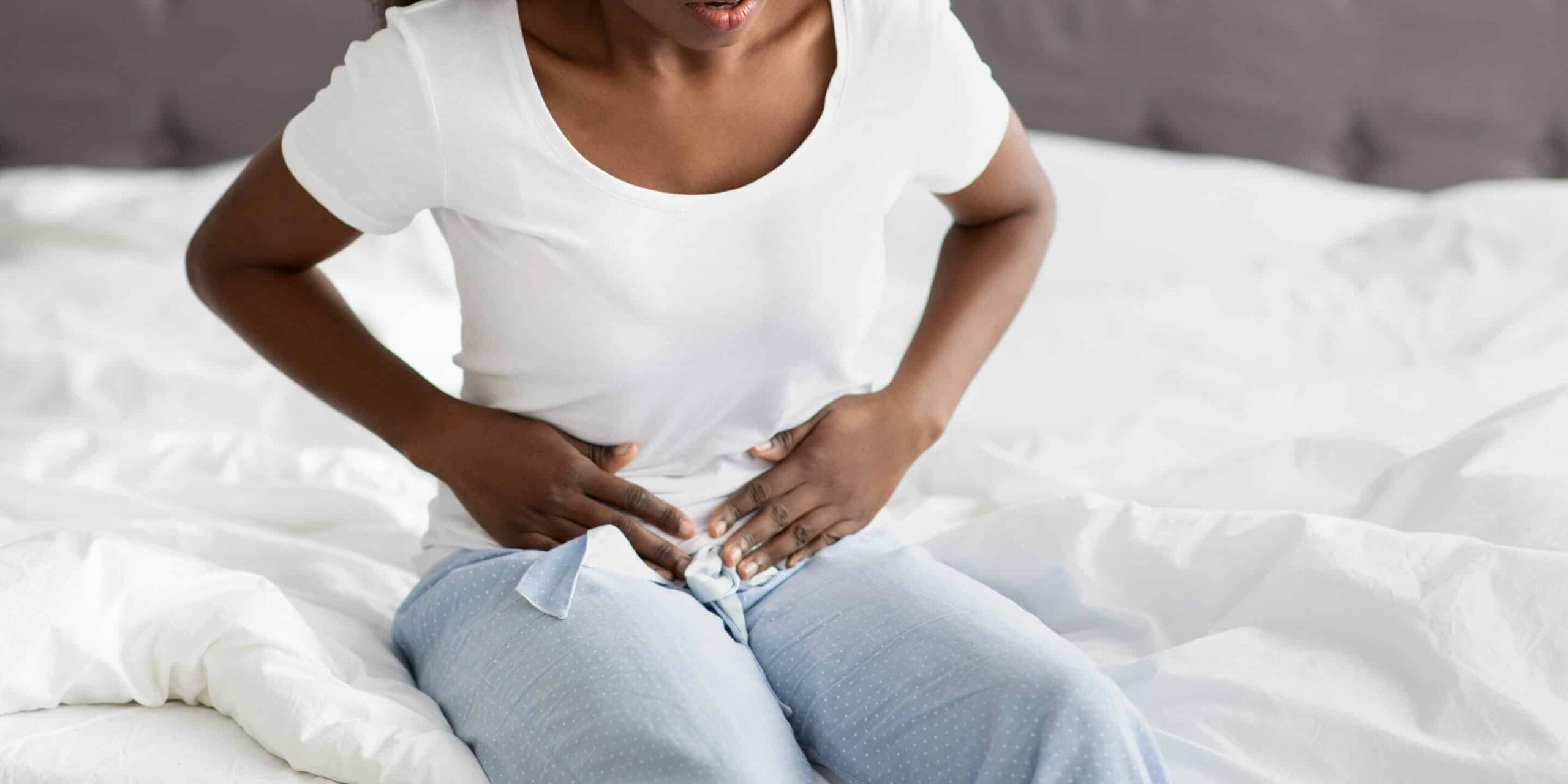


Key takeaways
Nausea before or during your period is most often linked to premenstrual syndrome (PMS) and hormonal fluctuations throughout the menstrual cycle.
Before your period: the drop in oestrogen and progesterone can disrupt digestion and cause nausea, fatigue, headaches and bloating.
During your period: prostaglandins and uterine contractions can cause cramps, diarrhoea, nausea and sometimes vomiting.
The digestive system is particularly sensitive to hormonal fluctuations, which explains these cyclical and temporary discomforts (to be distinguished from pregnancy-related nausea).
Nausea and vomiting before your period: a sign of PMS?
As women, we know how unsettling these nausea symptoms and digestive issues can be for your comfort and health just before your period. Do you feel nauseous, sometimes accompanied by vomiting, a few days before the start of your menstrual cycle? It is often premenstrual syndrome (PMS), a common hormonal disorder affecting 20% to 50% of women, typically 7 to 10 days before menstruation.
PMS can cause various symptoms: fatigue, headaches, bloating and digestive discomfort… and sometimes this nausea and stomach upset that fades as soon as your period begins.
During the luteal phase, progesterone and oestrogen influence digestion, while uterine prostaglandins increase painful contractions and slow intestinal transit. Added to this are serotonin fluctuations or magnesium deficiency, which can intensify nausea, vomiting and discomfort. Some women also experience breast tenderness or menstrual migraines caused by hormonal changes, which increase stress and digestive discomfort. If you recognise yourself in this situation, our natural solutions for PMS, dysmenorrhoea and menstrual pain may help reduce these symptoms.
Unlike pregnancy nausea, PMS-related nausea remains temporary and linked to the menstrual cycle and hormone fluctuations. However, if nausea and vomiting become very intense and disrupt daily life, it may be premenstrual dysphoric disorder (PMDD). Severe menstrual pain and painful uterine contractions—often called dysmenorrhoea—can also suggest endometriosis. In that case, this gynaecological condition directly affects digestion and digestive comfort, and it is essential to consult a doctor to determine the cause and consider suitable solutions.
Why can you feel nauseous during your period?
Nausea during your period is generally linked to hormonal fluctuations throughout the menstrual cycle. It can appear just before menstruation (as part of PMS) or at the very beginning of your period.
Here are the main causes to know:
-
Hormonal drop
At the end of the luteal phase, oestrogen and progesterone levels drop sharply. This hormonal shift directly affects the digestive and nervous systems, which may cause nausea, a feeling of malaise, migraines or marked fatigue. These symptoms often appear 7 to 10 days before your period and ease once it begins. -
Prostaglandins
At the start of menstruation, the uterus produces prostaglandins—pro-inflammatory substances meant to help shed the endometrium. When produced in excess, they can enter the bloodstream and affect the digestive system. Result: nausea, vomiting, diarrhoea and abdominal pain can accompany your period. -
Increased digestive sensitivity
Hormonal fluctuations make the gut more sensitive. Transit may slow down—or, conversely, speed up. Some women also experience serotonin variations or magnesium deficiency, which can intensify digestive issues, bloating and nausea. -
Uterine contractions
The contractions needed to shed the uterine lining can be painful (dysmenorrhoea). This pain can stimulate the vagus nerve and trigger nausea, or even vomiting. When pain is very intense and disabling, it is important to talk to a healthcare professional to rule out conditions such as endometriosis.
Take a look at this comparison table—it finally provides reference points for the ever-changing “weather” of your cycle:
| Cycle phase | Main cause | Symptoms |
|---|---|---|
| Before your period | PMS, hormonal fluctuations | Irritability, headaches, premenstrual nausea, bloating |
| During your period | Prostaglandins, uterine contractions | Menstrual nausea, cramps, loose stools, vomiting |
Hormones and digestion: a close link during the cycle
Your digestive system responds to hormonal fluctuations throughout the menstrual cycle. Oestrogen and progesterone modulate intestinal motility and stomach sensitivity.
- During the luteal phase, progesterone dominates and slows transit: you may experience constipation, bloating, gas and other digestive issues.
- After ovulation and as your period starts, the hormonal drop and uterine prostaglandin release trigger painful contractions and speed up transit, which can cause intestinal cramps, diarrhoea and digestive discomfort. In addition, a bloated belly during your period is common due to these hormonal changes and associated stress.
It is worth noting that some “excess” prostaglandins released during dysmenorrhoea can circulate throughout the body and directly affect the stomach, causing severe nausea and sometimes vomiting. These hormonal compounds are one of the main causes of painful and digestive symptoms that accompany painful periods.
These hormonal variations also influence your microbiota and the balance of your digestive system: an imbalance can amplify menstrual symptoms, nausea and other digestive issues. An adapted diet (fibre, anti-inflammatory foods) and healthy habits—stress management, gentle physical activity—are effective natural approaches to relieve discomfort and improve wellbeing.
Natural solutions to soothe period-related nausea
Before turning to medication or hormonal treatment, several natural remedies can help relieve nausea and digestive discomfort:
-
Ginger: as an infusion or fresh, its anti-inflammatory and gastrointestinal properties support digestion, relieve nausea and improve digestive comfort.
-
Peppermint: a herbal tea or a few drops of diluted essential oil can ease uterine spasms and stomach discomfort, reducing period-related nausea.
-
Lemon balm: relaxing, it soothes the digestive system, limits uterine cramps and helps calm premenstrual stress.
-
Heat: place a warm hot-water bottle on your lower abdomen to relax uterine muscles, relieve painful contractions and ease nausea.
-
Hydration and light meals: drink at least 1.5 L of water per day and choose easy-to-digest foods (rice, cooked vegetables, fibre-rich fruits) to support digestion during your cycle.
-
Gentle physical activity: a simple walk or light stretching improves circulation, reduces stress and supports digestive and uterine comfort.
Every woman is unique: do not hesitate to consult a doctor or healthcare professional for a personalised assessment, especially in case of dysmenorrhoea, suspected endometriosis or hormonal disorders.
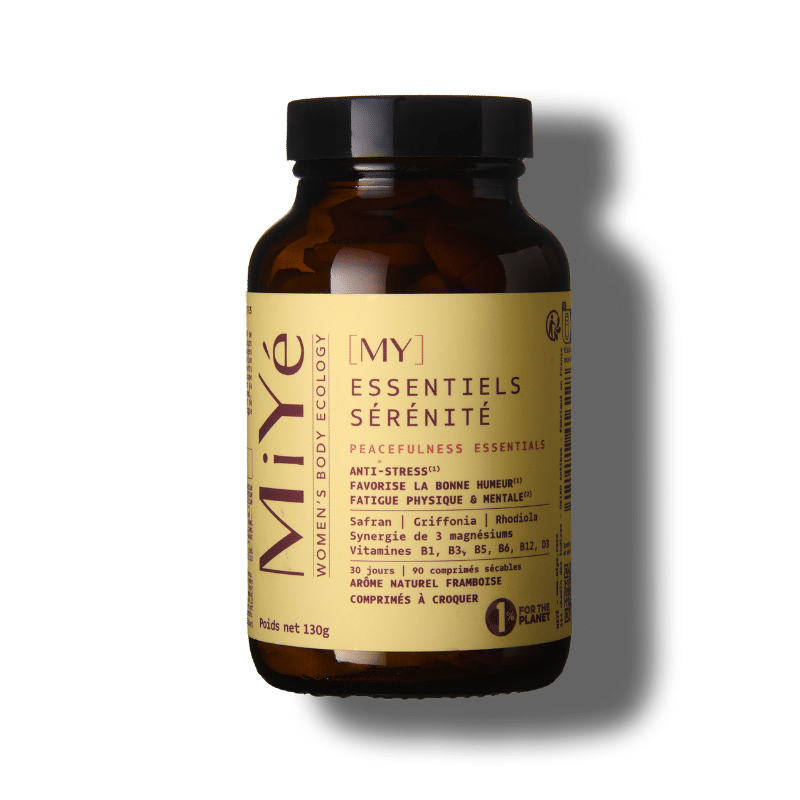
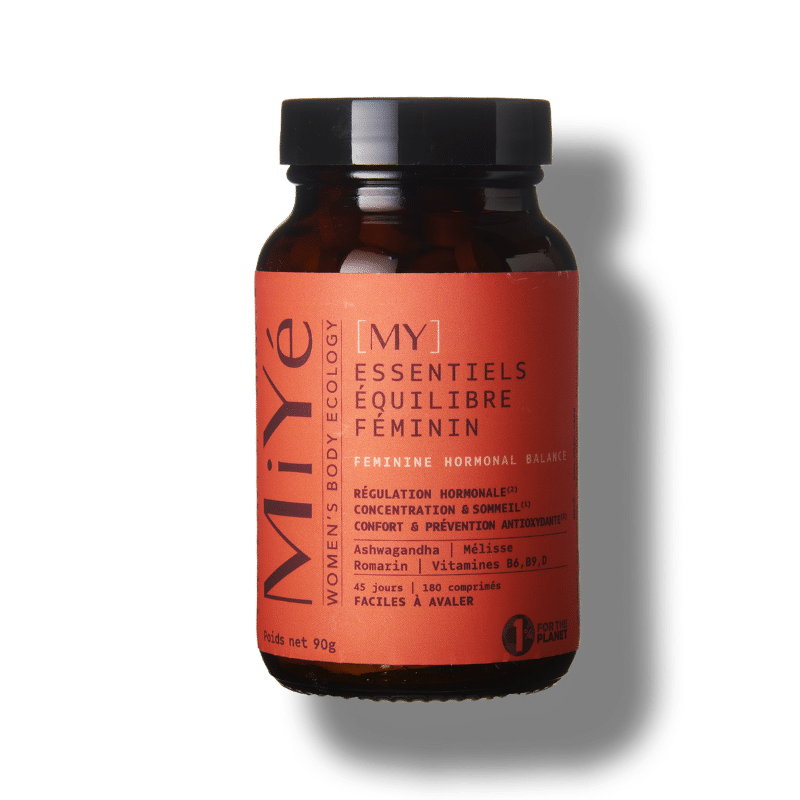
RECOMMENDED PRODUCT
- Supports healthy hormonal regulation
- Improves physical and mental fatigue
Symptoms : Physical and mental fatigue, irritability, cramps, disturbed sleep, night sweats
When to consult if nausea during your period persists?
Most of the time, nausea and other menstrual symptoms remain mild. However, certain warning signs and persistent menstrual pain should lead you to consult:
-
Very intense menstrual pain (acute dysmenorrhoea) accompanied by nausea and frequent vomiting.
-
Painful or digestive symptoms that worsen or disrupt your comfort and daily life over time.
-
Heavy, irregular, or prolonged bleeding beyond 7 days.
-
New unusual digestive or uterine symptoms, more severe than usual.
-
Persistent fatigue with sleep disturbances, recurrent dizziness, or excessive stress, which may be linked to hormonal imbalance.
A medical exam and a hormone panel can rule out conditions such as endometriosis or hormonal disorders and help propose an appropriate treatment (antiemetics, hormonal contraception, natural remedies, etc.). Your health and comfort come first.
Conclusion
Nausea before and during menstruation reflects the hormonal changes of your cycle—oestrogen drops, prostaglandin peaks and increased sensitivity of your digestive system. Simple natural solutions (anti-inflammatory plants, heat, adapted diet, gentle physical activity) can greatly relieve these symptoms and improve your comfort. PMS supplements or targeted remedies for painful dysmenorrhoea may also help if these digestive symptoms become disabling. If symptoms persist, become unusually intense, or endometriosis is suspected, consult a healthcare professional for personalised follow-up.
FAQ
How can you relieve nausea before and during your period?
Choose ginger or peppermint herbal teas, stay hydrated (1.5 L of water/day), eat light meals and rest. If nausea persists, consult a doctor.
Is nausea before your period a sign of endometriosis?
Nausea can be linked to PMS, but if it comes with very severe pelvic pain, endometriosis may be involved. A medical diagnosis is recommended.
Why do prostaglandins cause nausea during your period?
Prostaglandins released to trigger uterine contractions also stimulate receptors in the intestines, which can cause digestive cramps and nausea.
When should you consult a doctor for period-related nausea?
Consult if nausea is intense, persistent, accompanied by vomiting or severe abdominal pain, or if you suspect a condition such as endometriosis.

Share:
Indigestion: Natural and effective home remedies
Endobelly: When endometriosis causes a bloated stomach