





TAPIOCA STARCH
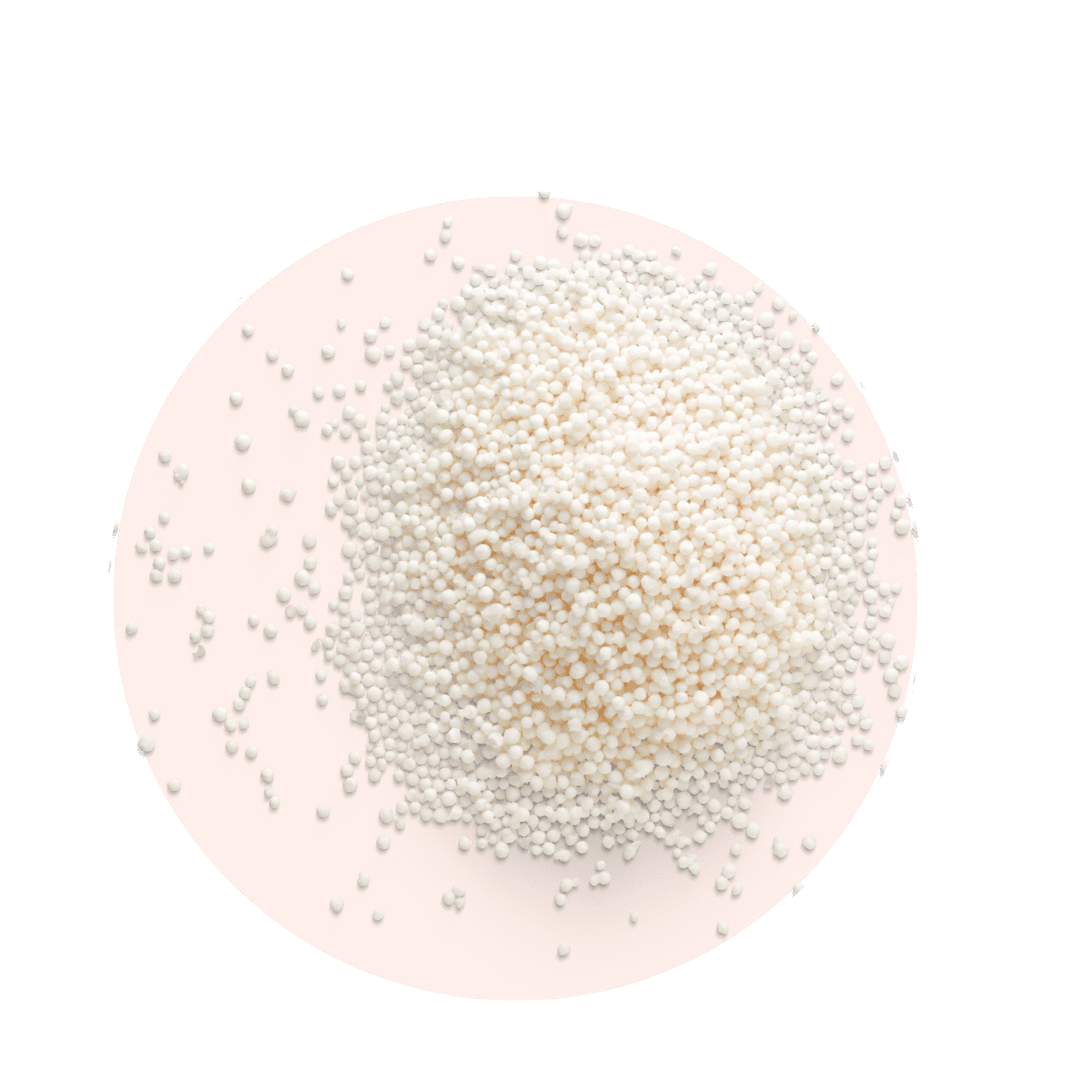
Tapioca starch is a fine white powder obtained from the roots of cassava, a plant native to South America and widely cultivated in Africa and Asia. Here are the main benefits of this natural and versatile ingredient: mattification and sebum control, softness and comfort for the skin, effective in natural deodorants and stabilization of formulations.

TAPIOCA STARCH: Soften your skin!
EXCIPIENT ⎪ VISCOSITY CONTROL AGENT
What is tapioca starch?
Tapioca starch is a fine white powder obtained from cassava roots, a plant native to South America and widely cultivated in Africa and Asia. It is often used in food as a thickener and binder for its ability to absorb water and create light and homogeneous textures in preparations. In cosmetics, tapioca starch is appreciated for its mattifying, absorbent and softening properties, which makes it an ingredient of choice in powders, deodorants and treatments for oily skin. Naturally gentle, it is well tolerated by all skin types, including sensitive skin.
In cosmetic products, tapioca starch is used as thickening, absorbent and softening agent. It can help improve the texture of products, absorb excess oil on the skin and provide a feeling of softness.
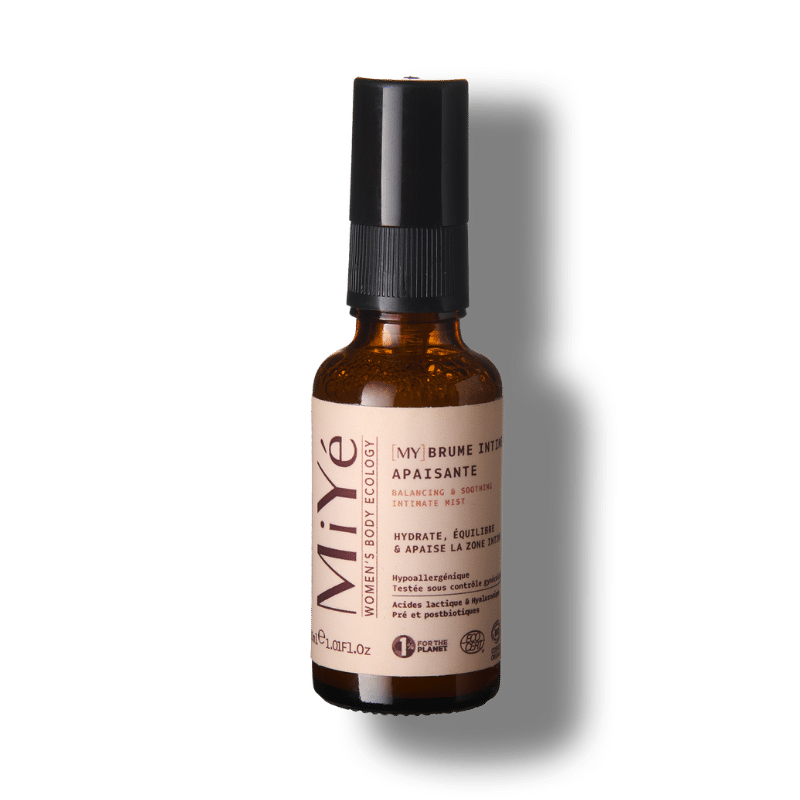
You can find it in our happy cycles body serum.
Where does tapioca starch come from?
Tapioca starch is derived from the roots of cassava (Manihot esculenta), a tropical plant that grows mainly in Brazil, Thailand and Nigeria. The roots are harvested, peeled, then crushed to extract the starch, which is then transformed into a fine, light, white powder. Tapioca starch has long been used in cuisines around the world to thicken soups, sauces, and in the preparation of desserts such as the famous "tapioca pudding". In cosmetics, it is gaining popularity for its natural benefits and its versatile role in skincare products.
Properties and active ingredients
Tapioca starch has several beneficial properties for skin and hair, in addition to its usefulness as a thickening agent in formulations. Here are its main characteristics and actions:
- Absorbency : Tapioca starch absorbs excess moisture, making it ideal for mattifying products, especially for oily skin.
- Softening effect : It gives a soft and silky texture to cosmetic products, providing a velvety and pleasant touch on the skin.
- Mattifying properties : Thanks to its absorbent power, it helps reduce the shiny appearance of the skin, providing a matte and smooth finish.
- Natural thickening agent : In formulations, tapioca starch helps stabilize and thicken products without leaving a sticky or greasy residue.
- High tolerance : Hypoallergenic and non-irritating, tapioca starch is well tolerated by all skin types, including sensitive and reactive skin.
What are the benefits of tapioca starch?
Tapioca starch offers many benefits for skin, cosmetic formulations and even hair. Here are the main benefits of this natural and versatile ingredient:
- Matification and sebum control : As an absorbent powder, tapioca starch helps control excess oil, providing a lightweight matte finish, ideal for oily and combination skin.
- Softness and comfort for the skin : It leaves a silky touch on the skin and improves the comfort of skincare products, while reducing feelings of oiliness or heaviness.
- Effective in natural deodorants : Thanks to its absorbency, it is commonly used in natural deodorants to absorb moisture and provide a feeling of freshness.
- Stabilization of formulations : In creams, lotions, and masks, tapioca starch acts as a natural thickening agent, stabilizing textures and facilitating application.
- Suitable for sensitive skin : Hypoallergenic, tapioca starch is gentle on the skin, making it an excellent choice for reactive skin and for babies.
How to consume tapioca starch?
Tapioca starch is used in cosmetics as well as food products, due to its absorption, texture and softness properties. Here are the main applications of this versatile ingredient:
- Mattifying powders and makeup : Tapioca starch is commonly used in loose and pressed powders, as well as facial makeup, for its mattifying properties and ability to give a smooth, lightweight finish.
- Natural deodorants : In deodorants, tapioca starch helps absorb moisture and prevent odor, providing a product that is gentle and free of harsh chemicals on the skin.
- Skin creams and lotions : As a thickening agent, it is added to creams and lotions to stabilize the texture and improve absorption, without leaving a greasy residue.
- Hair products : Tapioca starch is sometimes used in dry shampoos and styling products to absorb excess oil and refresh hair between washes.
- Food : In cooking, it is used as a natural thickener in sauces, soups and desserts. It is gluten-free, which makes it suitable for people sensitive to gluten.
Note : Tapioca starch is safe for daily use in cosmetics and food. However, for skincare products, it is always recommended to check skin tolerance, especially if you have extremely sensitive skin.
Any side effects?
Tapioca starch is generally well tolerated, but some side effects may occur, although rare:
- Sensation of dryness : Due to its absorbency, it can sometimes dry the skin if used in excess on already dry areas. It is recommended to use it in combination with moisturizing agents to avoid this effect.
- Minor irritations : Although rare, some people with extremely sensitive skin may experience mild skin irritation. A skin test is recommended for particularly reactive skin.
- Residue buildup : In hair care, frequent use of tapioca starch can cause slight buildup on the hair. It is advisable to use a clarifying shampoo from time to time.
- Digestive sensitivity (internal use) : If ingested excessively, tapioca starch may cause mild digestive discomfort, such as bloating, although this is rare.
- Individual intolerance : Some people may have a sensitivity to cassava, the plant from which tapioca starch comes. It is recommended to consult a professional if symptoms of intolerance appear.
Sources
The benefits of tapioca starch are well documented in nutrition and cosmetic research. Its role as a mattifying, thickening and softening agent makes it a popular natural ingredient in skin care and hair products. It is approved by health organizations for safe use in food and cosmetics, offering versatile properties without irritation. Tapioca starch is also known for its qualities as a gluten-free thickener in cooking, especially for gluten-sensitive diets.