






SUMMARY
Key takeaways
Perimenopause is a hormonal transition period that can last several years, characterised by a gradual decline in oestrogen levels and a wide variety of symptoms.
Beyond the well-known signs (hot flushes, sleep disturbances), many lesser-known symptoms can appear: digestive issues, dizziness, persistent fatigue, joint pain and difficulty concentrating.
Hormonal fluctuations can also affect the skin, hair and mucous membranes, leading to dry skin, hair loss, brittle nails or vaginal dryness.
The nervous system and cognitive functions can be affected, causing irritability, mood swings, anxiety, memory difficulties or problems with concentration.
Every woman experiences perimenopause differently, with symptoms and intensity varying from one person to another, which can make identification difficult — yet it is essential for navigating this hormonal transition more smoothly.
The lesser-known symptoms of perimenopause
While menopause is a well-known topic and openly discussed, perimenopause marks the transitional period during which a woman's body undergoes hormonal fluctuations. This phase, often early-onset and little understood, typically begins between the ages of 35 and 40 and can last up to 15 years.
When discussing perimenopause, the most visible signs are disrupted menstrual cycles (irregular periods) and nocturnal hot flushes. But other more subtle symptoms (fatigue, anxiety, mood changes) can also affect quality of life. Solutions exist to support this hormonal transition and ease these signs.

What is perimenopause?
Perimenopause is the hormonal transition period that precedes menopause. The very first signs of premenopause and symptoms linked to hormonal fluctuations can appear as early as age 35 for some women, while others begin to notice them around 40.
This period, which can last up to 15 years, is characterised by the depletion of ovarian follicles (the small sacs containing eggs), accompanied by a gradual decline in female hormone levels, particularly progesterone and oestrogens. This imbalance affects the menstrual cycle and can generate multiple symptoms. It triggers a hormonal imbalance resulting in many symptoms that herald menopause and disrupt women's quality of life.
This period can sometimes be harder to navigate than menopause itself, which, once established, leads to hormonal stability followed after a few years by a genuine period of calm.
The 35 symptoms of premenopause
Premenopause is a transitional period in a woman's life, marked by a variety of symptoms that can differ in nature and intensity from one woman to another.
Thermal symptoms and perspiration
1) Hot flushes: sudden episodes of intense heat.
2) Night sweats: excessive perspiration during the night.
Sleep symptoms
3) Insomnia: difficulty falling or staying asleep.
4) Fatigue: a persistent feeling of weariness and lack of energy.
Emotional and psychological symptoms
5) Irritability: Heightened emotional sensitivity with a tendency to react more strongly to everyday situations.
6) Anxiety: A sense of worry or inner tension without apparent cause, sometimes accompanied by physical symptoms.
7) Depression: A lasting low mood and loss of interest or pleasure, which may be linked to hormonal imbalances.
8) Memory loss: Difficulty recalling certain information or more frequent forgetfulness, often transient.
9) Dizziness: Sensations of spinning or instability, sometimes associated with hormonal variations or fatigue.
10) Palpitations: An unusual or heightened awareness of one's heartbeat, often harmless but unsettling.
General physical symptoms
11) Headaches: More frequent or intense headaches, sometimes resembling hormonal migraines.
12) Weight gain: Accumulation of body fat, particularly around the abdomen, despite no change in diet.
13) Dry skin: Loss of skin elasticity and comfort linked to declining oestrogen levels.
14) Itching: Sensations of itching without an obvious dermatological cause, often due to skin dryness.
15) Joint pain: Stiffness or pain in the joints, particularly upon waking or after physical effort.
16) Muscle pain: Unusual aches or muscle tension, sometimes diffuse.
Genitourinary symptoms
17) Urinary incontinence: Involuntary urine leakage, particularly during physical effort, laughter or coughing.
18) Vaginal dryness: Decreased vaginal lubrication which may cause discomfort and pain during intercourse.
19) Reduced libido: A decline in sexual desire linked to hormonal changes and general fatigue.
20) Urinary disorders: Frequent urges to urinate, burning sensations or discomfort in the absence of infection.
Digestive symptoms
21) Bloating: A sensation of swelling or tightness in the abdomen, sometimes associated with hormonal digestive disturbances.
22) Constipation: Slowing of bowel transit, often influenced by hormonal changes.
23) Diarrhoea: More frequent or loose stools, sometimes cyclical.
24) Food intolerances: Sudden difficulty digesting foods that were previously well tolerated.
25) Increased allergies: More frequent or pronounced allergic reactions due to hormonal sensitivity.
Oral symptoms
26) Dry mouth: Reduced saliva production causing discomfort and a persistent sensation of thirst.
27) Bad breath: Halitosis linked to oral dryness or digestive changes.
Nail and hair symptoms
28) Hair loss: Increased shedding or finer hair texture, linked to hormonal variations.
29) Brittle nails: Greater nail fragility, with splitting or breaking occurring more easily.
Menstrual cycle symptoms
30) Irregular periods: Unpredictable menstrual cycles, shorter, longer or further apart.
31) Heavy bleeding: Heavier-than-usual periods, sometimes prolonged.
32) Light bleeding: Spotting or light bleeding between periods.
Other symptoms
33) Back pain: Frequent lower or mid-back pain, sometimes linked to muscular and hormonal tension.
34) Concentration difficulties: Trouble staying focused, a feeling of "brain fog".
35) Dizziness and palpitations: A combination of imbalance sensations and rapid heartbeat, often transient.
How to recognise the signs of premenopause?
Thermal symptoms

During this hormonal transition period, the most widespread symptom is undoubtedly irregular periods, reflecting disrupted cycles and unexpected variations in flow. Bleeding may disappear for one or two cycles and then return, or conversely change in duration and intensity. These early or irregular periods are often the first sign a woman notices.
It is worth noting that menopause is defined as the point at which 12 months have passed without a menstrual period.
- Hot flushes and night sweats are among the most common thermal symptoms of premenopause, primarily caused by hormonal fluctuations.
- The decline in oestrogen and progesterone levels disrupts the body's temperature regulation, triggering sensations of intense heat, particularly during physical activity. Targeted solutions can help limit these uncomfortable signs.
RECOMMENDED PRODUCT
Helps reduce hot flushes
Supports sleep quality, often disrupted during this period
Helps limit chronic fatigue
Symptoms: Physical fatigue, hot flushes, breast pain, irritability, sleep disturbances, night sweats, brain fog
Emotional symptoms
Hormonal variations during premenopause can also trigger emotional symptoms such as irritability, anxiety and low mood. The decline in oestrogen affects serotonin levels, influencing mood and emotional wellbeing. Everyday stressors often exacerbate these symptoms.
Sleep symptoms
- Fatigue and insomnia are recurring symptoms during the premenopause transition. They are caused by declining oestrogen and progesterone levels, which disrupt GABA receptors that are essential for sleep.
- Night sweats and hot flushes linked to hormonal cycles can worsen these disturbances, leading to chronic fatigue, difficulty concentrating and reduced daily functioning. Solutions such as good sleep hygiene, a consistent sleep schedule and relaxation techniques can help restore a better balance.
Skin symptoms
Premenopause can affect the skin due to hormonal fluctuations. The reduction in oestrogen causes a loss of elasticity and hydration, making the skin drier and thinner. This often manifests as fine lines, uneven tone and increased sensitivity.
Metabolic symptoms
Premenopause is frequently accompanied by metabolic slowdowns that can come as a surprise, even in women who have always maintained a stable weight. Weight gain, particularly around the abdomen, as well as bloating and a sense of slower digestion, are among the most common signs.
These manifestations are largely linked to hormonal fluctuations, notably the gradual decline in oestrogen. These hormones play a key role in regulating metabolism, insulin sensitivity and fat distribution. When their levels fall, the body tends to store more fat, especially around the abdomen.
Nervous system symptoms
Hormonal variations during premenopause can affect the autonomic nervous system, particularly the vagus nerve. This disruption can cause irritability, sleep disturbances and mood swings. Chronic stress can also worsen these symptoms by reducing vagus nerve functionality.
Intimate symptoms
Vaginal dryness and reduced lubrication are common intimate symptoms during premenopause. The decline in oestrogen levels compromises the health and hydration of vaginal tissue, causing pain and discomfort during sexual intercourse.
Among the other symptoms of perimenopause, the following are also frequently encountered:
- Hot flushes,
- Breast pain,
- Joint pain, loss of bone density,
- Weight gain,
- Bloating,
- Fatigue,
- Sleep disturbances,
- Headaches,
- Dizziness,
- Hair loss,
- Vaginal dryness,
- Mood swings, anxiety disorders and sometimes low mood.
These symptoms can develop during the perimenopause period and may persist into menopause.
Some women may also experience less common or less well-known perimenopause symptoms.
Urinary incontinence
The decline and eventual cessation of oestrogen and progesterone production leads in particular to a reduction in pelvic floor muscle tone. In some cases, this can result in minor urine leakage known as urinary incontinence.
Two types of incontinence can be distinguished: stress incontinence (triggered by sneezing, coughing, laughing or lifting) and urge incontinence (caused by bladder irritation that contracts without a signal from the brain).
Changes in vision
Hormones can affect the composition of ocular tissue and alter tear production. When oestrogen levels decline, the eye can become drier and lose elasticity. Eyes may become irritated and dry, and vision can become blurred. Postmenopausal women are also more likely to have elevated intraocular pressure, with an increased risk of glaucoma.
Memory and concentration symptoms
Memory and concentration difficulties are common during premenopause. The reduction in oestrogen and progesterone levels affects cognitive abilities, leading to difficulty concentrating and increased forgetfulness.
Sleep disturbances and chronic stress can also worsen these symptoms.
The brain contains oestrogen receptors that help it function optimally, supporting memory and verbal fluency. When oestrogen levels begin to fall, some women may experience difficulties with everyday memory or concentration — fortunately, these disturbances generally resolve completely by the end of menopause.
Cardiovascular symptoms
Premenopause can affect cardiovascular health through hormonal fluctuations. The decline in oestrogen levels is associated with an increased risk of cardiovascular disease, including hypertension and coronary artery disease.
General symptoms
Premenopause also manifests as fatigue, headaches, and muscle and joint pain. These discomforts are often the result of hormonal changes and sleep disturbances.
Digestive symptoms
Premenopause can lead to digestive disorders (constipation, diarrhoea, bloating). Hormonal fluctuations affect intestinal motility and the health of digestive tissue, which can trigger these symptoms. Chronic stress can worsen these disturbances.
Menstrual cycle symptoms
Changes in the menstrual cycle are among the first signs of premenopause. Periods may become irregular or occur earlier, heavier or lighter, and spotting between cycles can be observed. These cyclical variations reflect the hormonal transition underway.
Food intolerance symptoms
During premenopause, food intolerances may intensify due to hormonal changes and digestive disturbances.
Oral symptoms
Premenopause can cause dry mouth and dental issues, linked to declining oestrogen levels.
Nail and hair symptoms
The health of nails and hair can be affected by hormonal changes. Hair loss, increased nail fragility and changes in texture are all commonly observed.

Cold flushes
Hot flushes during this life stage are widely discussed, yet cold flushes far less so. The sensation of cold is the result of excessive heat signals received by the brain. In order to eliminate the heat, the body responds by perspiring more heavily. It is this perspiration that then causes chills.
Changes in taste
The decline in oestrogen reduces mucus production, including in the mouth, which becomes drier, affecting the taste buds. The perception of taste can be altered, with a bitter or metallic sensation.
Carpal tunnel syndrome
Carpal tunnel syndrome involves compression of the median nerve in the hand, which can cause tingling, pins and needles and a reduction in muscle strength. It can also occur when the body undergoes a significant hormonal upheaval.
Lower abdominal pain
Lower abdominal pain and discomfort persist in many women during perimenopause and even after menopause. This results from contraction of the uterine muscles, which compresses blood vessels and reduces tissue oxygenation. The pain can radiate to the lower back and thighs. As menopause approaches, it may intensify, often accompanied by bloating, heaviness and abdominal weight gain.
There are several causes of lower abdominal pain during premenopause and menopause:
- Intestinal disorders
- Muscle cramps
- Long-term effects of previous urinary tract infections (genitourinary syndrome)
It may be helpful to consider detox support to relieve abdominal discomfort and/or to increase fibre and probiotic intake.
How to ease the 35 symptoms of premenopause?
Easing the symptoms of premenopause calls for a comprehensive, early approach. Solutions include lifestyle adjustments, stress management, medical monitoring of hormonal variations and the use of targeted supplements. This strategy aims to rebalance the body, reduce anxiety and alleviate the signs of this transitional period.
Food supplements for menopause aim to support this hormonal transition by promoting overall wellbeing. They can help manage certain common discomforts such as hot flushes, sleep disturbances, fatigue and mood changes.
It is important to note that any support given during perimenopause aims not to delay menopause, but to ease its effects. Hormonal therapies, which can carry significant health implications, are prescribed less and less frequently and only in cases of particularly severe symptoms.
Phytotherapy and supplements
Today, many women are looking for alternative approaches and natural solutions for menopause and perimenopause, without hormonal therapy.
Unfortunately, some natural approaches can also be harmful, particularly those based on soya (which contains compounds with hormonal activity). It is therefore important to check the ingredients carefully and avoid those that are controversial.
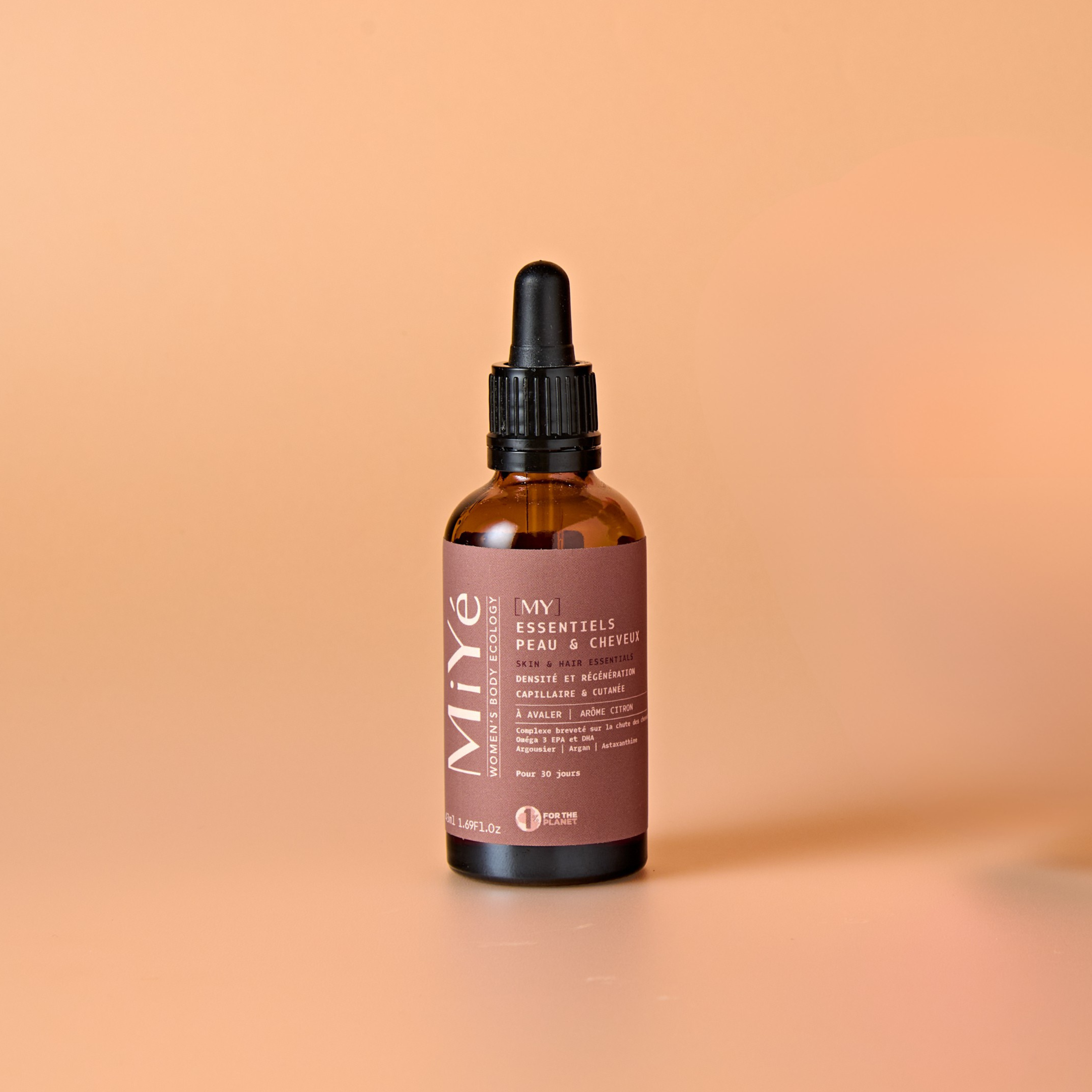
MiYé has developed a menopause range made with 99% natural and certified organic actives, free from controversial ingredients, tested under medical supervision and manufactured in France, including: [MY] Essentiels Équilibre Féminin and [MY] Essentiels Sérénité.
Perimenopause is a period that deserves genuine attention, given how significantly its symptoms can affect quality of life. Whatever the discomforts experienced, solutions exist today to improve day-to-day comfort. Most of these symptoms resolve by the end of menopause ✨
Medical monitoring
Regular medical monitoring with a healthcare professional is essential for every woman. This makes it possible to track hormonal variations, identify symptoms early and put in place appropriate solutions that are aligned with this hormonal transition.
Healthy lifestyle habits and behaviours
Adopting a healthy lifestyle, stopping smoking, limiting alcohol and maintaining regular physical activity all contribute to stabilising hormonal cycles and reducing uncomfortable signs. Combining a balanced diet with relaxation techniques helps to ease anxiety and support the body through this transitional phase, whatever the age.
Learn to navigate perimenopause more easily with our live session with Cécile Pétureau, naturopath!

FAQ
Does premenopause cause pain?
Yes, premenopause — also known as perimenopause — can cause various types of pain, which are often surprising as they occur at an age when they are not always expected. The intense hormonal fluctuations of this period, particularly the sharp variations in oestrogen and progesterone, have a direct impact on the nervous system, muscles and joints.
What are the physical signs of premenopause?
The physical signs of premenopause are often the first to appear, sometimes from age 40, even before cycles become irregular.
- The body sends clear signals: periods change in character (heavier, shorter, further apart), breasts become painful outside of their usual timing, the abdomen swells and the silhouette changes with an accumulation of abdominal fat.
- The skin loses its radiance, becomes drier, and hair may thin or shed more.
- Hot flushes appear, sometimes subtle at first, along with night sweats that disrupt sleep.
- Fatigue sets in in an unusual way, and some women notice new joint pain, particularly upon waking.
Does premenopause cause abdominal pain?
Yes, abdominal pain is among the frequent symptoms of premenopause, though it is rarely mentioned first. It has several distinct hormonal origins. Fluctuations in oestrogen and progesterone disrupt intestinal motility, causing bloating, cramps and alternating constipation and diarrhoea — a picture resembling irritable bowel syndrome, which often worsens during this period. Additionally, the irregular and sometimes very heavy periods of perimenopause are accompanied by pelvic pain and intense uterine cramps.
Sources
Planete Sante – Understanding perimenopause:
https://www.planetesante.ch/Magazine/Gynecologie/MenopauseSanté Magazine – Perimenopause: symptoms and duration:
https://www.santemagazine.fr/sante/fiche-maladie/perimenopause-177021
"TAKE CARE OF YOUR HORMONES"
![Flacon avec pompe [MY] Sérum corps apaisant avec macaron meilleur produit bio 2024 et écocert](http://www.miye.care/cdn/shop/files/Visuels_shop_82.png?v=1773304790&width=1000)
Share:
Symptoms of estrogen dominance: How to fix it?
How important is a low GI breakfast?