




PENTYLENE GLYCOL
Pentylene glycol is a synthetic compound belonging to the glycol family, used primarily in cosmetic and skin care products for its moisturizing, antimicrobial and stabilizing properties. It acts as both a humectant, which attracts and retains water in the skin, and as an antimicrobial agent, helping to maintain the stability of formulations by preventing the growth of microorganisms.
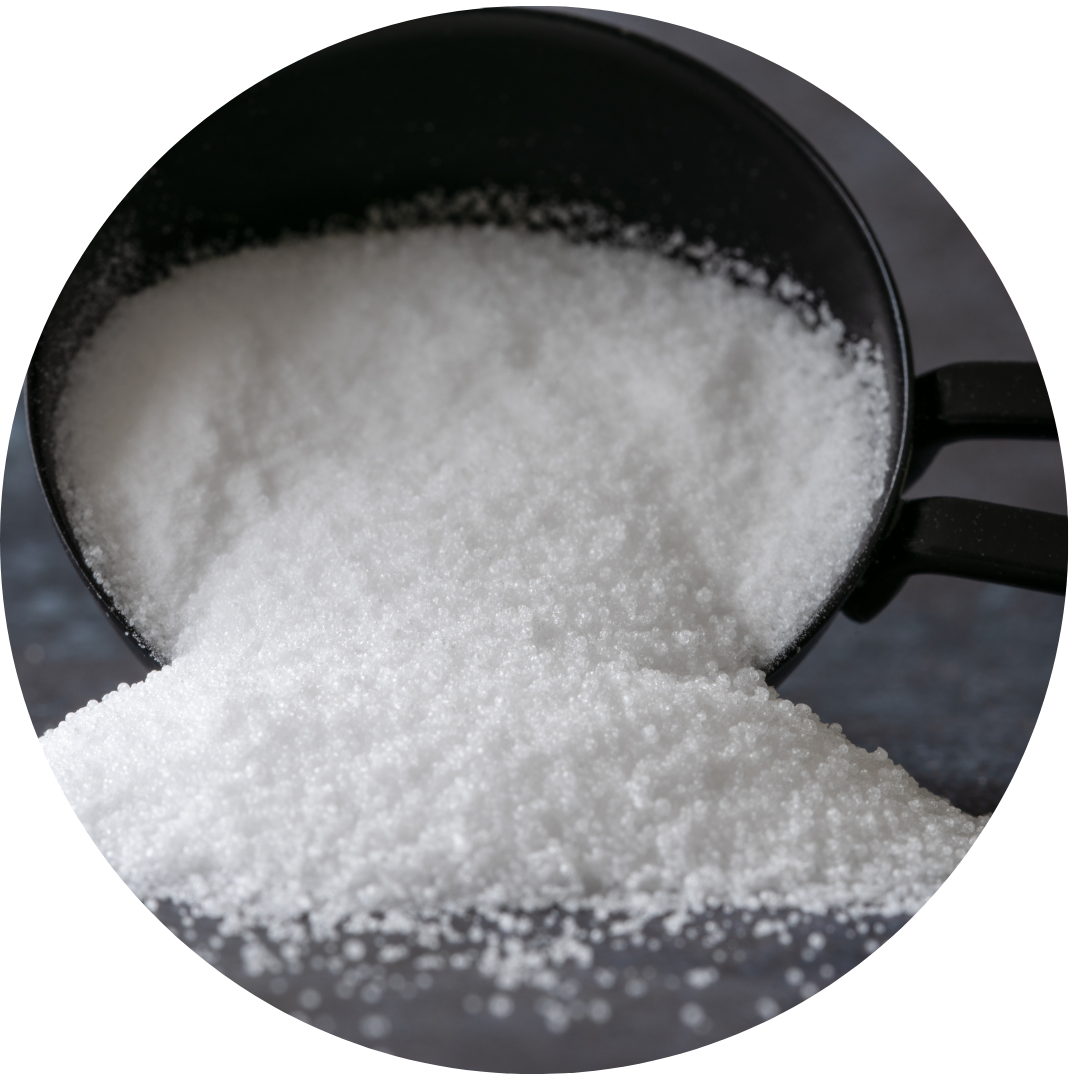

PENTYLENE GLYCOL: A moisturizing and humectant agent
EXCIPIENT ⎪ SOLVENT
What is pentylene glycol?
Pentylene glycol is a synthetic compound belonging to the glycol family, used primarily in cosmetic and skin care products for its moisturizing, antimicrobial and stabilizing properties. It acts as both a humectant, which attracts and retains water in the skin, and as an antimicrobial agent, helping to maintain the stability of formulations by preventing the growth of microorganisms. Thanks to its light texture, pentylene glycol is well absorbed by the skin without leaving a greasy residue, making it a popular ingredient in various products, from moisturizers to serums to makeup.
Pentylene glycol is generally of plant origin, it can come from raw materials such as corn or sugar cane. In our care, it has several functions: solvent to dissolve other ingredients, moisturizing and humectant agent to maintain optimal hydration of the skin and as a preservative to extend the shelf life of the mist.
Where does pentylene glycol come from?
Pentylene glycol is usually obtained by chemical synthesis, although some sources can also derive it from natural ingredients, such as cane sugar or corn. This dual origin makes it possible to offer versions of pentylene glycol adapted to consumer preferences, including those of fans of natural care. Its use in cosmetics is widespread worldwide due to its ability to improve the absorption of other ingredients into the skin and extend the shelf life of cosmetic products. Whether of synthetic or natural origin, pentylene glycol is very well tolerated by the skin and is found in a wide range of care products.
Properties and active ingredients
Pentylene glycol has several properties that make it an effective ingredient in cosmetic skin and hair care. Here are its main characteristics and actions:
- Humectant and hydrating agent : As a humectant, pentylene glycol helps attract moisture and lock it into the skin, providing long-lasting hydration and a softer, smoother appearance.
- Antimicrobial effect : Pentylene glycol helps prevent the growth of microorganisms in products, helping to extend their shelf life and ensure their safety for use.
- Texture improver : It improves the texture of products, providing a light, non-greasy feel that feels great on the skin.
- Stabilizing agent and solvent : Pentylene glycol stabilizes cosmetic formulations and helps solubilize certain active ingredients, thus optimizing the effectiveness of care products.
- Increased asset penetration : Pentylene glycol improves the absorption of other ingredients into the skin, making it an ideal vehicle for active ingredients like vitamins and plant extracts.
Benefits of pentylene glycol
Pentylene glycol offers many benefits for the skin and contributes to the stability and effectiveness of skincare products. Here are the main benefits of this multifunctional ingredient:
- Long-lasting hydration : By retaining moisture in the skin, pentylene glycol helps maintain hydrated, supple and soft skin, while reducing feelings of dryness and tightness.
- Mild antimicrobial action : Thanks to its antimicrobial effect, pentylene glycol helps limit the use of more aggressive preservatives in cosmetic products, which is ideal for sensitive skin.
- Improved texture and comfort of products : Its light, non-greasy texture provides pleasant application and rapid absorption, which is particularly beneficial for serums, creams and moisturizing products.
- Extension of shelf life : By reducing the need for additional preservatives, pentylene glycol extends the shelf life of cosmetic products while ensuring their stability.
- Optimization of asset absorption : Pentylene glycol facilitates the penetration of beneficial ingredients into the skin, making skincare products more effective by improving the bioavailability of active ingredients.
How to consume pentylene glycol?
Pentylene glycol is commonly used in skin care and hair products, due to its versatility and many benefits. Here are the main applications of this ingredient in skincare products:
- Moisturizing creams and lotions : Pentylene glycol is often included in creams and lotions for its moisturizing properties and for its soothing effect. It helps make formulations lighter and more pleasant to apply.
- Anti-aging serums and products : In serums and targeted treatments, it acts as a vector that improves the penetration of active ingredients such as vitamins and antioxidants, thus maximizing their effectiveness on the skin.
- Makeup products : Pentylene glycol is also present in makeup, particularly in foundations and powders, to improve texture and promote even application.
- Hair products : Used in shampoos, conditioners and leave-in treatments, pentylene glycol helps hydrate hair, soften it and improve its texture.
- Makeup removers and cleansers : It is often added to makeup removers and cleansers to ensure better tolerance and provide additional hydration while cleansing the skin.
Note : Pentylene glycol is considered safe for daily use and is well tolerated by most skin types. However, people with very sensitive or reactive skin should check the ingredients and perform a patch test before application.
Any side effects?
Pentylene glycol is generally well tolerated, but some side effects may occur, especially in people with sensitive skin:
- Mild skin irritations : Although rare, some people may experience tingling, redness, or mild skin irritation when using products containing pentylene glycol. It is recommended to do a skin test before regular use.
- Allergic reactions : Allergic reactions to pentylene glycol are rare, but they may appear as itching or redness. People sensitive to glycols should use caution and test the ingredient before use.
- Comedogenic effect in case of excessive use : Although non-comedogenic at low doses, excessive use or application of multiple products containing pentylene glycol may cause rashes in some people.
- Increased skin sensitivity : In very sensitive skin, frequent use of products containing pentylene glycol may cause mild sensitivity. In this case, it is advisable to alternate with glycol-free products.
Sources
The benefits of pentylene glycol are well documented in cosmetic and dermatology research. It is recognized for its humectant, antimicrobial and stabilizing properties. Regulatory bodies, such as the FDA and EU, approve its use in cosmetic products due to its safety profile. Many studies also support its role in improving the texture and tolerability of skincare products, making it very popular in modern formulations.