

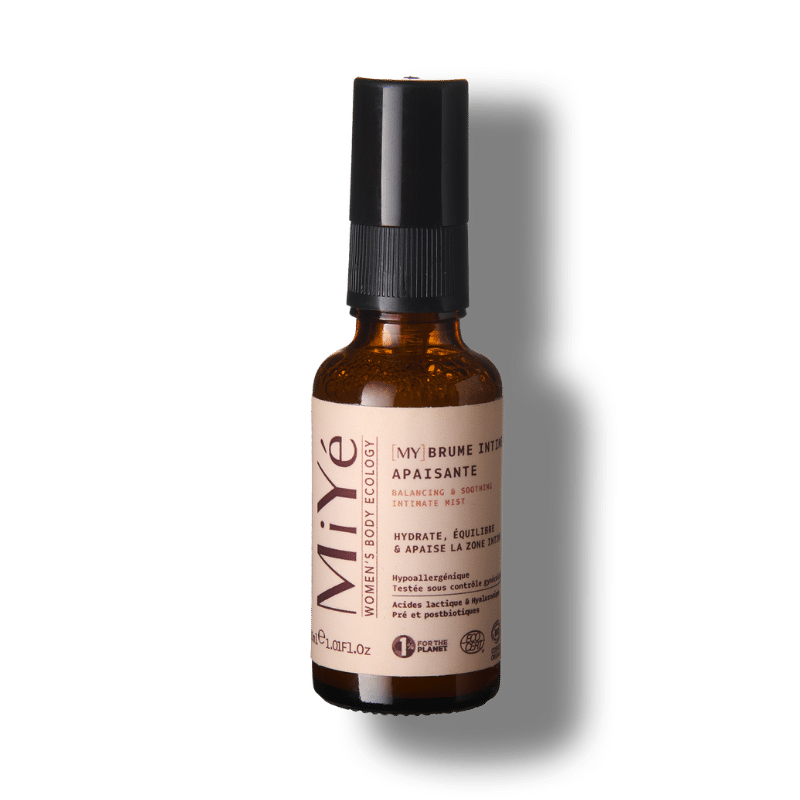




SODIUM CARBOXYMETHYL CELLULOSE
Sodium carboxymethyl cellulose offers many benefits for skin and hair, thanks to its thickening, moisturizing and protective properties.
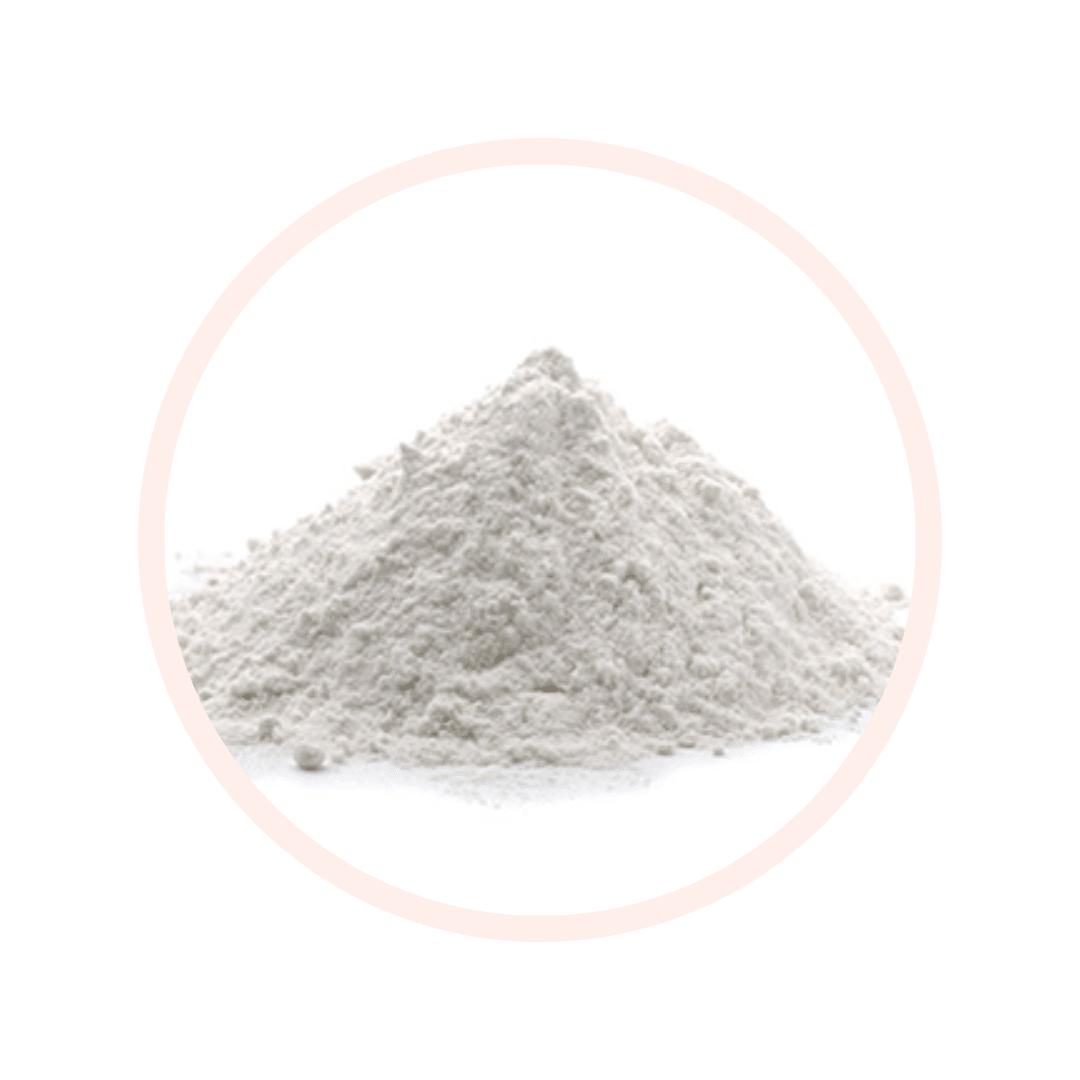

SODIUM CARBOXYMETHYL CELLULOSE
EXCIPIENT ⎪ THICKENER
What is Sodium Carboxymethyl Cellulose?
Sodium carboxymethyl cellulose (CMC), sometimes called carmellose sodium, is a polymer derived from natural cellulose, modified to improve its solubility and thickening properties. Commonly used in the cosmetic, pharmaceutical and food industries, this ingredient is appreciated for its ability to stabilize formulations, improve the texture of products and provide hydration. In cosmetics, it is frequently included in lotions, creams and gels for its softness and its effectiveness in maintaining a homogeneous texture. Its inert and hypoallergenic nature makes it a safe ingredient for all skin types, including the most sensitive.
It is used as natural thickening, texturing and emulsifying agent in the formulas.
Where does Sodium Carboxymethyl Cellulose come from?
Sodium carboxymethyl cellulose is obtained by chemical modification of cellulose, which is extracted from the cell walls of plants, such as cotton or wood. This process involves adding carboxymethyl groups to the structure of cellulose, making it soluble in water and capable of forming gels. Its transformation from renewable and plant-based sources makes it compatible with natural and sustainable formulations. In cosmetics, this ingredient is widely used for its stabilizing and moisturizing properties, contributing to gentle and effective formulations.
Properties and active ingredients
Sodium carboxymethyl cellulose has several beneficial properties for the formulation of skincare products. Here are its main characteristics and actions:
- Thickener and texturizer : It helps improve the consistency of products, providing a soft and velvety texture to creams, gels and lotions.
- Emulsion stabilizer : CMC stabilizes mixtures of aqueous and oily phases, ensuring a homogeneous and long-lasting texture of cosmetic products.
- Film-forming effect : It forms a light protective film on the skin, helping to retain hydration and protect the skin from external aggressions.
- Moisturizer : It captures and retains water, helping to maintain skin hydration and prevent dehydration.
- Hypoallergenic : Due to its inert nature, CMC is well tolerated by all skin types, even the most sensitive.
What are the benefits of sodium carboxymethyl?
Sodium carboxymethyl cellulose offers many benefits for skin and hair, thanks to its thickening, moisturizing and protective properties. Here are the main benefits of this versatile ingredient:
- Maintaining hydration : It helps retain moisture, ensuring long-lasting hydration, ideal for dry or dehydrated skin.
- Improved texture : As a natural thickener, it provides a soft and pleasant consistency to care products, making their application more comfortable.
- Protection against external attacks : By forming a protective film on the skin, it limits the evaporation of water and protects against pollution and other attacks.
- Increased product stability : It stabilizes formulations, preventing ingredients from separating and ensuring consistent effectiveness.
- High tolerance : Its hypoallergenic nature makes it a safe ingredient for sensitive skin, without risk of irritation.
How to consume Sodium Carboxymethyl Cellulose?
Sodium carboxymethyl cellulose is mainly used topically in skincare products for its moisturizing, thickening and stabilizing properties. Here are the main ways to benefit from this ingredient:
- Moisturizing creams and lotions : In cosmetics, it is commonly used to thicken and stabilize creams, providing a silky texture and facilitating application.
- Facial serums and gels : In gels and serums, it provides structure without being heavy, perfect for light and uniform application.
- Hair products : Used in hair gels and serums, CMC helps to coat the hair, providing softness and protection against external aggressions.
- Makeup : In makeup formulations, it stabilizes the texture and improves the consistency of products, providing a uniform rendering and a soft finish.
- Eye care products : Thanks to its gentleness, it is often used in eye drops and eye contour treatments to moisturize and soothe.
Note : Sodium carboxymethyl cellulose is well tolerated by all skin types, but it is recommended to respect the dosages recommended in the formulations to avoid any side effects. Its compatibility with natural formulations makes it a key ingredient in hypoallergenic products.
Any side effects?
Sodium carboxymethyl cellulose is generally well tolerated, but some adverse effects may occur, although rare:
- Skin sensitivity : If applied excessively, it may cause slight irritation in some people with very sensitive skin.
- Respiratory sensitivity : Due to its fine powder form, accidental inhalation may cause mild respiratory irritation. It is advisable to handle it with care.
- Film feeling on the skin : In some people, CMC can leave a feeling of a light protective film, sometimes perceived as sticky. A moderate dosage is recommended to avoid this effect.
- Risk of dryness for hair : If used frequently in hair care, it may cause slight dryness on very dry hair. Use it in combination with a moisturizer.
- Interaction with certain preservatives : It may interact with certain chemical preservatives. It is recommended to use it in natural formulations for better balance.
Sources
The benefits of sodium carboxymethyl cellulose are well documented in cosmetic and pharmaceutical research, due to its moisturizing, thickening and stabilizing properties. This ingredient is appreciated for its ability to improve the texture of products, stabilize formulations and provide long-lasting hydration. Studies show its effectiveness in maintaining hydration and improving the sensoriality of skincare products. CMC is a commonly used ingredient with a high tolerance profile, ideal for natural and hypoallergenic formulations.