




SUCCINIC ACID
New generation of acid not only tested more effective than salicylic acid on acne, but also ideal for sensitive skin because it works in the direction of the skin microbiota, strengthening and rebalancing it, without stripping the skin.

SUCCINIC ACID: The clean alternative to salicylic acid!
SOOTHES ⎪ STRENGTHENS ⎪ HYDRATES
Succinic acid is a natural active ingredient known for its purifying and soothing properties on acne-prone skin.
This dicarboxylic acid offers a gentle alternative to traditional blemish treatments.
It acts deeply to regulate sebum production and reduce skin inflammation.
Its benefits also extend to cell regeneration and maintaining the balance of the skin microbiome.
What is succinic acid? Definition and origin
Succinic acid is a dicarboxylic acid naturally present in many living organisms.
It plays an essential role in the Krebs cycle, a fundamental process of cellular energy production.
This active ingredient takes its name from amber (succinum in Latin), from which it was initially extracted in the 15th century.
Today, it is mainly obtained by fermentation of plant sugars or synthesized from renewable sources.
Its simple molecular structure (C4H6O4) gives it excellent biocompatibility with the skin.
In the body, it actively participates in energy metabolism and cellular detoxification processes.
The cosmetic industry has been using it for a decade as a natural alternative to more aggressive acids.
Its ability to specifically target the bacteria responsible for acne makes it an ingredient of choice for purifying treatments.
Composition of succinic acid and active ingredients
Succinic acid is characterized by its simple but effective chemical structure, consisting of four carbon atoms joined by two carboxyl groups.
- Dicarboxylic structure allowing targeted action on bacteria
- Naturally acidic pH (between 2.8 and 3.2) promoting gentle exfoliation
- Specific antimicrobial properties against Propionibacterium acnes
- Anti-inflammatory action by inhibition of pro-inflammatory mediators
- Optimal penetration capacity into clogged pores
- Metabolic activity stimulating cell regeneration
What are the benefits of succinic acid?
Succinic acid has unique properties which make it a reference active ingredient for treating skin imperfections.
It acts through several complementary mechanisms to purify and soothe the skin.
Unlike conventional acids, it specifically targets acne-causing bacteria without disrupting the overall balance of the skin microbiome.
This selectivity explains its remarkable tolerance, even on sensitive skin.
- Reduces imperfections by limiting bacterial proliferation in pores
- Soothes inflammation and reduces redness associated with pimples
- Regulates sebum production without drying out the skin
- Promotes the elimination of dead cells and skin renewal
- Improves skin texture and evens skin tone
- Strengthens the skin barrier and maintains hydration
- Has a preventive action against the appearance of new pimples
- Stimulates healing and helps fade post-acne marks
Key points:
- Targeted antimicrobial action with 99% effectiveness against P. acnes
- 40% reduction in inflammatory lesions in 4 weeks
- Excellent tolerance even on sensitive skin
- Natural alternative to aggressive conventional treatments
- Respects the balance of the skin microbiome
Tips for using succinic acid
Succinic acid is mainly used topically in concentrations ranging from 0.5% to 5% depending on the type of product.
The most common formulations include serums, emulsions and targeted anti-blemish treatments.
For optimal use, apply the product to clean, dry skin, preferably in the evening.
Start with one application every two days then gradually daily depending on your skin's tolerance.
⚠️ Note : Although very well tolerated, always carry out a tolerance test on a small area before first use.
Succinic acid at the heart of MiYé formulas
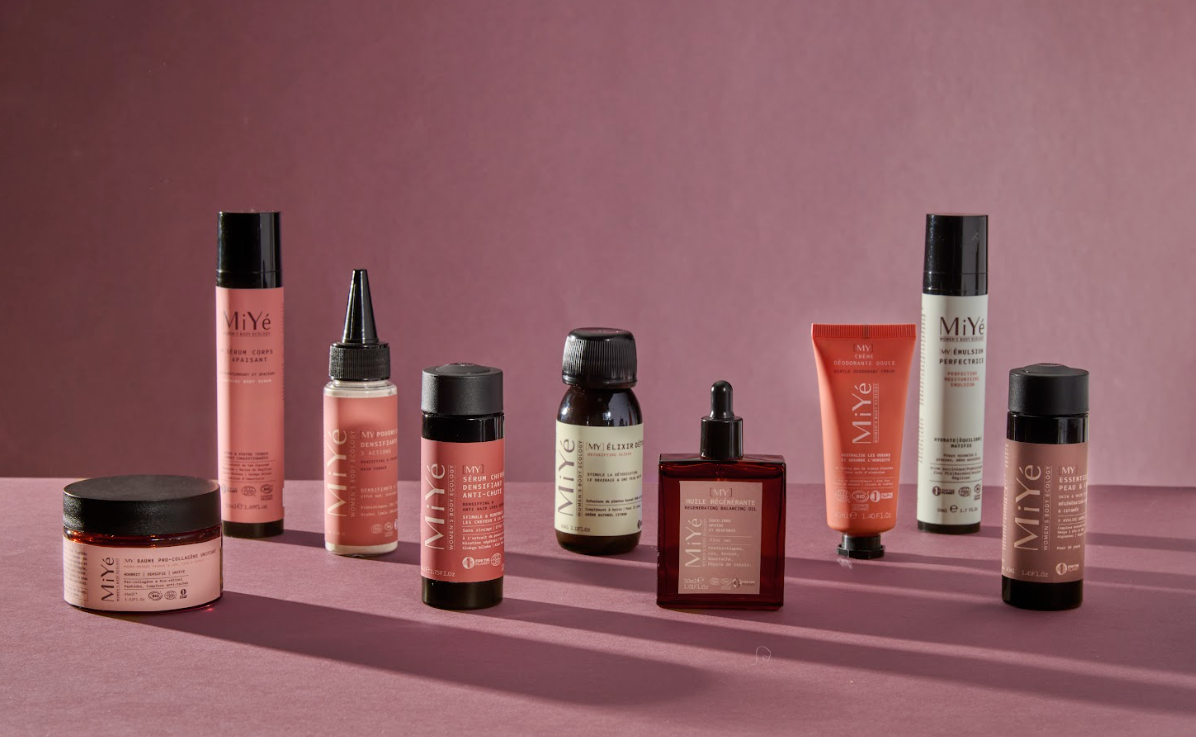
MiYé includes succinic acid in several of its formulations dedicated to skin with imperfections.
This natural active ingredient fits perfectly into the brand's caring approach to treating hormonal skin imbalances.
[MY] MIXOLOGY PACK
- Relaunch skin regeneration and cell renewal
- Hydrate, soothe and strengthen the skin barrier
- Reduce hormonal imperfections without irritating
- Evens out skin texture and revives radiance
[MY] DETOX SKIN PACK
- Stimulates detoxification and drainage of the body
- Cleanses and soothes the skin
- Suitable for normal to oily skin, even sensitive skin
- Moisturizing perfecting emulsion rated “Excellent” on rating apps
Precautions for using succinic acid
Adverse effects of succinic acid
Succinic acid has an excellent tolerance profile, superior to that of other acids used in cosmetics.
Adverse reactions remain rare and generally mild.
Some people may feel slight tingling during the first applications.
This feeling usually fades after a few days of regular use.
⚠️ Pregnant and breastfeeding women can use succinic acid without any particular restrictions, unlike other anti-acne active ingredients.
Ask your healthcare professional for advice if in doubt.
Frequently Asked Questions About Succinic Acid
Here are the answers to the most common questions regarding this natural active ingredient and its cosmetic applications.
What are the benefits of succinic acid?
Succinic acid offers multiple benefits: it reduces imperfections, soothes inflammation and regulates sebum production.
It also stimulates cell renewal and improves skin texture.
Is succinic acid suitable for sensitive skin?
Absolutely, succinic acid is one of the active ingredients best tolerated by sensitive skin.
Its selectivity of action allows it to be effective without causing significant irritation.
Can succinic acid be used during pregnancy?
Yes, unlike some acids, succinic acid is naturally present in the body.
Its topical use does not present any particular contraindication during pregnancy or breastfeeding.
How does succinic acid work on blemishes?
It specifically targets acne-causing bacteria in pores.
At the same time, it reduces inflammation and promotes the elimination of dead cells that clog pores.
What is the difference between succinic acid and salicylic acid?
Succinic acid acts more targeted and gentle than salicylic acid.
It better respects the skin's balance while offering comparable effectiveness on imperfections.
Sources
Journal of Clinical and Aesthetic Dermatology - “Topical antimicrobial agents and their role in acne treatment” (2019).
International Journal of Cosmetic Science - "Natural alternatives to conventional acne treatments" (2021).