



GLUCONOLACTONE
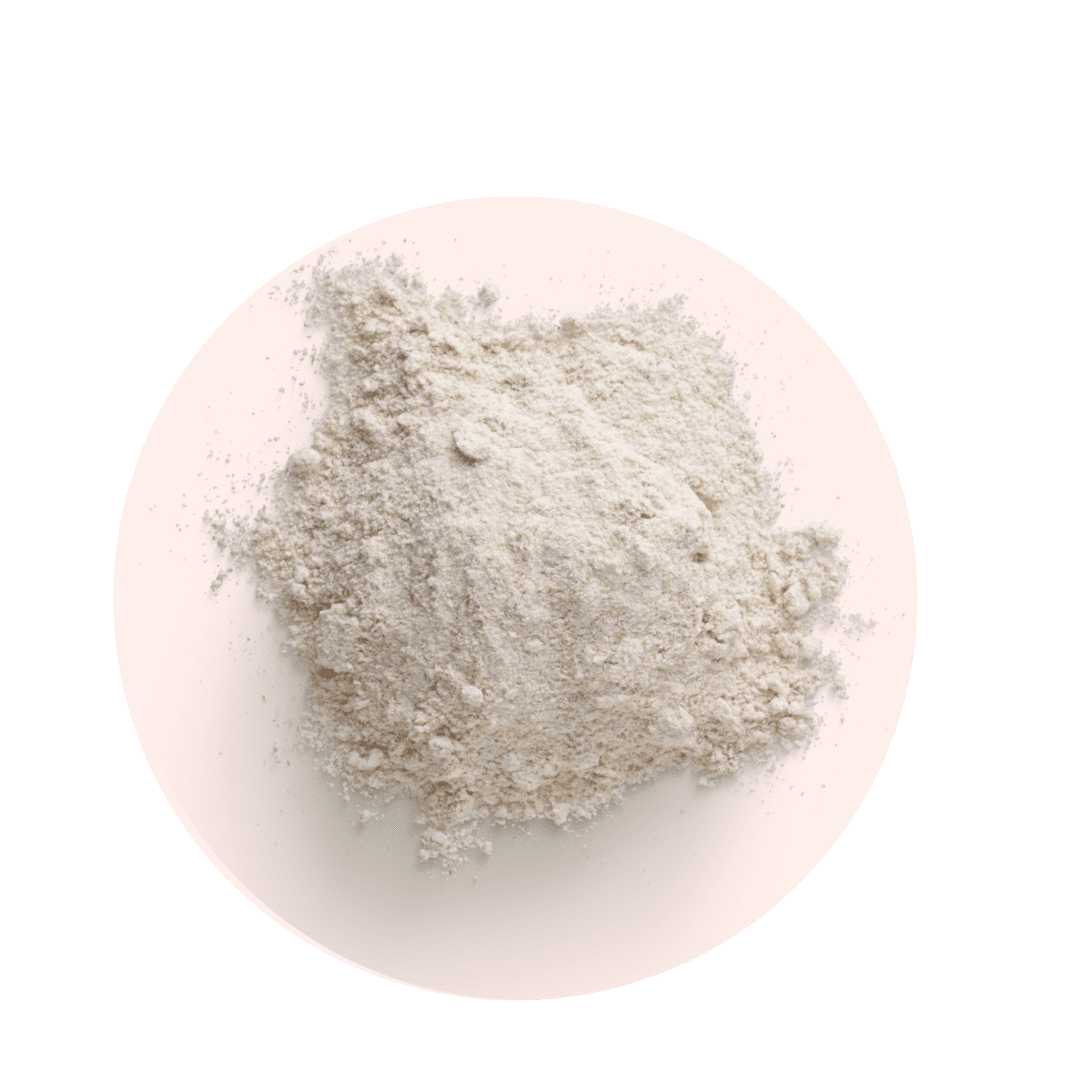

GLUCONOLACTONE: Moisturizing and antioxidant agent!
EXFOLIATES ⎪ HYDRATES ⎪ PROTECTS
What is gluconolactone?
Gluconolactone is a polyhydroxy acid (PHA), a type of mild exfoliating acid used in cosmetics for its hydrating, anti-aging and soothing properties. Naturally present in skin cells and derived from glucose, it is often included in skincare products for its exfoliating effects, similar to AHAs (alpha-hydroxy acids), but without the irritations often associated. It is particularly suitable for sensitive and reactive skin, thanks to its ability to exfoliate while maintaining an optimal level of hydration. Gluconolactone is also an antioxidant, helping to protect the skin from damage caused by free radicals.
Gluconolactone belongs to the group of acids called “PHAs” (Poly-Hydroxi Acids), they are the acids known to be the mildest in cosmetics. They gently exfoliate the skin, which helps reduce the appearance of fine lines, dark spots and other skin imperfections.
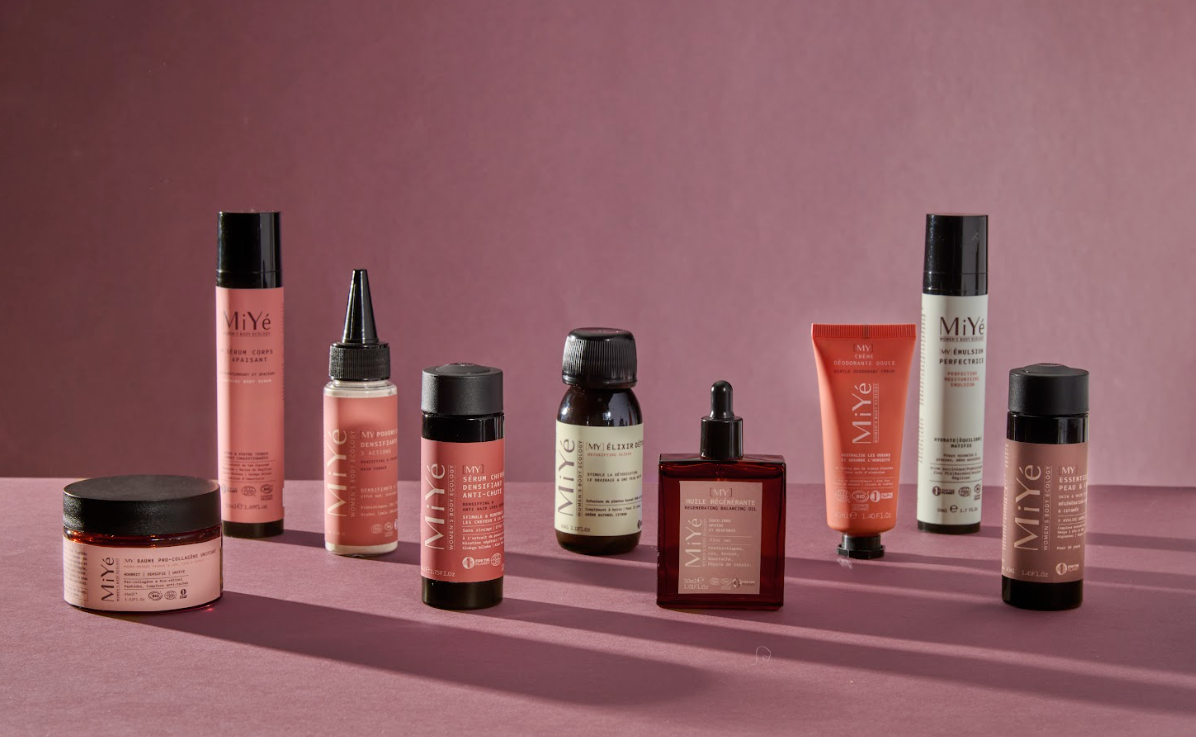
Used as a moisturizer, it is particularly recommended for dry and sensitive skin because it helps retain water in the skin. It is also a very good moisturizing and antioxidant agent. This is why we chose it in our moisturizing perfecting emulsion and our happy cycles body serum.
It is also an active ingredient that allows better control of pH, which is very interesting in our intimate gel where maintaining a slightly acidic pH is important. Indeed, with age, the vaginal pH tends to become more and more acidic.
Where does gluconolactone come from?
Gluconolactone is derived from glucose through a natural fermentation process, or it can be synthesized for optimal purity. Due to its gentle origins and gentle exfoliation properties, it is particularly popular in modern skincare, especially for sensitive skin that cannot tolerate stronger exfoliants like AHAs or BHAs. It is part of the polyhydroxy acid (PHA) family, a category of acids that, thanks to their larger molecular structure, slowly penetrate the skin, providing gradual and gentle exfoliation.
Properties and active ingredients
Gluconolactone has several beneficial properties for the skin, including hydration, cellular protection and gentle exfoliation. Here are its main characteristics and actions:
- Gentle exfoliation : As a PHA, gluconolactone gently exfoliates the surface layer of the skin, helping to remove dead cells and refine skin texture.
- Moisturizing properties : Gluconolactone attracts and retains water, increasing skin hydration and thus contributing to more supple and softer skin.
- Antioxidant action : It protects skin cells against free radical damage, helping to prevent premature aging and preserve skin's radiance.
- Soothing effect : Thanks to its gentleness, gluconolactone is well tolerated by sensitive skin and even has soothing properties, reducing redness and irritation.
- Support for the skin barrier : This ingredient helps strengthen the skin's natural barrier, increasing its resistance against external aggressions and improving its moisture retention.
What are the benefits of gluconolactone?
Gluconolactone offers many benefits for the skin, especially for sensitive, dehydrated or mature skin. Here are the main benefits of this gentle and hydrating exfoliating ingredient:
- Exfoliation without irritation : Unlike AHAs and BHAs, gluconolactone gently exfoliates without causing sensitization, making it an excellent choice for sensitive and redness-prone skin.
- Improved hydration : As a humectant, it draws moisture into the skin, helping to maintain optimal hydration levels and reduce signs of dehydration.
- Reduction of signs of aging : Thanks to its antioxidant and exfoliating properties, gluconolactone helps reduce the appearance of fine lines and age spots, contributing to a more even and radiant complexion.
- Strengthening the skin barrier : It helps to strengthen the skin's protective barrier, which is beneficial for fragile and irritation-prone skin.
- Soothing of redness and inflammation : Gluconolactone soothes inflammation and helps reduce redness, especially on reactive skin, while smoothing the skin.
Its benefits:
- Promotes cell renewal.
- Ensures optimal hydration of the skin.
- Restores and maintains the natural acid-base balance of the vagina and skin.
How to consume gluconolactone?
Gluconolactone is commonly used in skin care products for its exfoliating, hydrating and protective properties. Here are the main applications of this skin-friendly ingredient:
- Exfoliating serums and lotions : Gluconolactone is often included in serums and lotions to gently exfoliate the skin without causing irritation, thereby improving radiance and cell turnover.
- Moisturizers : As a humectant, it is added to moisturizers to boost skin hydration, which is particularly beneficial for dry or dehydrated skin.
- Exfoliating masks : In masks, gluconolactone helps remove dead cells while providing intense hydration, leaving skin soft and smooth after each application.
- Anti-aging products : Used in anti-aging care, it helps to smooth fine lines, reduce pigmentation spots and provide an overall rejuvenating effect.
- Care for sensitive skin : Due to its softness, it is ideal in products intended for sensitive skin and prone to redness, for non-aggressive exfoliation.
Note : Gluconolactone is well tolerated by most skin types, including sensitive skin. It can be used daily in low concentrations, but it is recommended to do a skin test before integrating a new product into your routine.
Any side effects?
Gluconolactone is generally well tolerated, but some side effects can occur, although rare:
- Mild skin irritations : Although gluconolactone is gentle, some people may experience mild irritation, particularly if the skin is extremely sensitive. A skin test is recommended before prolonged use.
- Awareness of other assets : Due to its exfoliating properties, it is advisable to avoid combining gluconolactone with other strong exfoliants to avoid irritation.
- Rare allergic reaction : Allergic reactions are rare but can appear as redness or itching. If a reaction occurs, it is advisable to discontinue use and consult a healthcare professional.
- Less photosensitizing effect : Unlike AHAs, gluconolactone is less photosensitizing, but it is recommended to always use sun protection alongside an exfoliant.
- Temporary sensitivity : As with any exfoliant, overuse can lead to skin sensitivity. It is advisable not to overuse gluconolactone to maintain good skin balance.
Sources
The benefits of gluconolactone are well documented in dermatology and cosmetic research. This ingredient is known for its gentle exfoliating, hydrating and antioxidant properties, ideal for sensitive skin. Studies show its effectiveness in improving skin radiance, reducing signs of aging, and strengthening the skin barrier. Gluconolactone is approved for safe use in cosmetics, with an exceptionally high tolerance profile for sensitive skin types.