

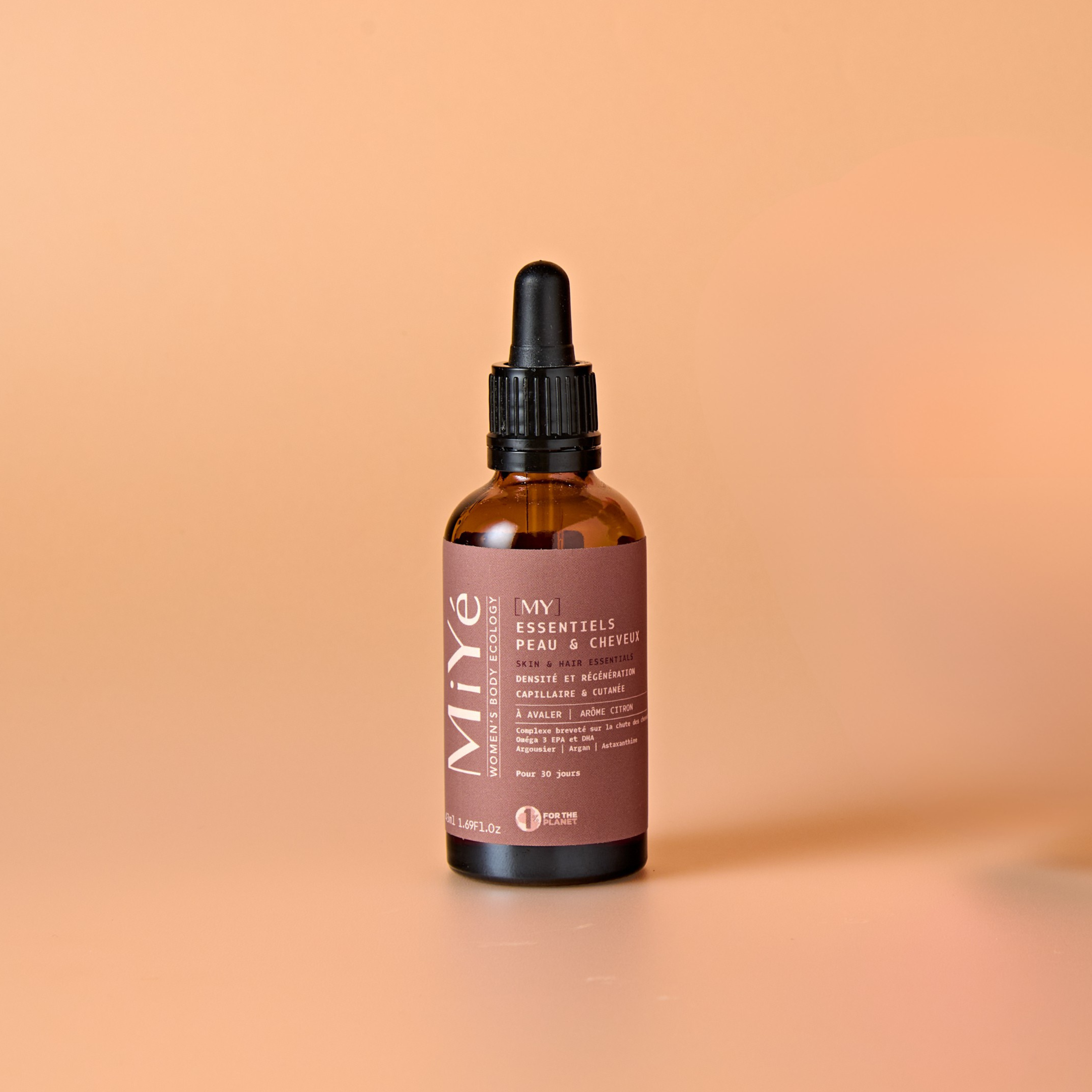




VITAMIN C
Vitamin C is much more than an immune shield: collagen cofactor, powerful antioxidant and ally of skin radiance, it is essential on a daily basis.
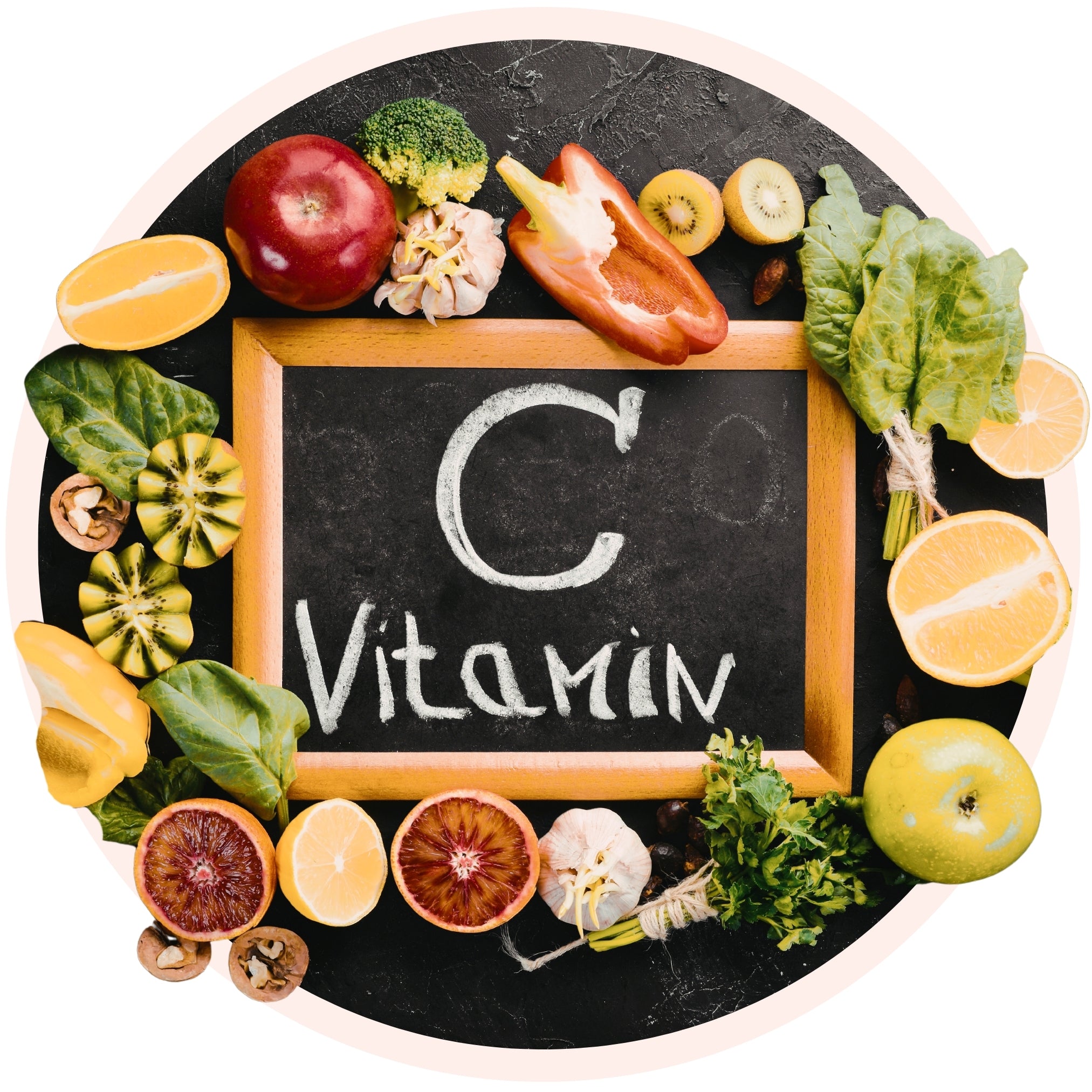

VITAMIN C
PROTECT ⎪ILLUMINATED ⎪ FORTIFIED
Vitamin C (ascorbic acid) is one of the most studied and essential vitamins for the proper functioning of the body.
A powerful antioxidant and essential enzymatic cofactor, it is involved in dozens of vital physiological functions.
It acts deeply to protect cells from oxidative stress, stimulate collagen synthesis and support immune defenses.
Its benefits range from skin beauty to resistance to infections, including bone health and recovery after exercise.
What is vitamin C ? Definition and origin
Vitamin C, or ascorbic acid, is a water-soluble vitamin that humans, unlike most animals, are incapable of synthesizing themselves.
It must be provided through food or supplementation, in regular quantities because it is not stored in the body.
Identified in the 1930s by Albert Szent-Györgyi (Nobel Prize 1937), it is recognized as the historic cure for scurvy, a deficiency disease once feared by sailors.
Today, its role goes well beyond: scientific research has highlighted its antioxidant, immunostimulating and pro-collagen properties.
It participates in the regeneration of vitamin E, another key antioxidant, thus forming a synergistic cellular protection network.
Its daily needs vary depending on age, smoking, stress and physiological states (pregnancy, breastfeeding).
The richest food sources include citrus fruits, kiwi, peppers, berries and broccoli.
The most common supplemented form is ascorbic acid, sometimes combined with natural bioflavonoids to optimize its absorption.
Composition and active ingredients
Vitamin C comes in several forms with specific properties:
- L-ascorbic acid natural biologically active form, directly usable by the body
- Sodium ascorbate buffered form, better tolerated by sensitive stomachs
- Ester-C® lipid-soluble form with sustained release, high bioavailability
- Associated bioflavonoids potentiate absorption and antioxidant activity
- Collagen hydroxylation cofactor (prolyl and lysyl hydroxylases)
- Powerful reducer neutralizing free radicals and regenerating vitamin E
What are the benefits of vitamin C ?
Vitamin C acts as a central pillar of cellular health through its involvement in numerous metabolic pathways.
Its functional versatility makes it one of the most strategic micronutrients to preserve, particularly in times of stress or hormonal transition.
In women in perimenopause and menopause, it supports the synthesis of collagen (the production of which declines with the drop in estrogen), strengthens the immune system and contributes to bone health.
It is also essential for optimal absorption of non-heme iron.
- Stimulates collagen synthesis for skin, bones, tendons and cartilage
- Strengthens the immune system and reduces the duration of infections
- Protects cells from oxidative stress and premature aging
- Improves complexion radiance and reduces pigment spots
- Optimizes intestinal iron absorption
- Reduces physical and mental fatigue
- Supports gum health and healing
- Contributes to the production of neurotransmitters (dopamine, norepinephrine)
- Acts synergistically with vitamin E, CoQ10 and zinc
Key points:
- Essential vitamin not synthesized by the human body
- Irreplaceable cofactor in collagen synthesis
- Validated antioxidant and immunostimulating properties
- Improves absorption of non-heme iron
- Documented skin, bone and immune benefits
Directions for use
Vitamin C is used as a food supplement at dosages generally between 500 and 1,000 mg per day.
It can be taken once or several times during the day, preferably during meals to optimize its absorption and digestive tolerance.
For optimal use, favor forms with prolonged release or associated with bioflavonoids to maximize bioavailability.
In topical application (serums), concentrations of 10 to 20% of ascorbic acid are used for their illuminating and anti-aging action.
⚠️ Note: At very high doses (> 2,000 mg/day), vitamin C can cause digestive problems. People suffering from hemochromatosis or oxalic lithiasis should consult their doctor.
Precautions for use
Adverse effects
Vitamin C is remarkably well tolerated at common physiological doses.
Digestive problems (diarrhea, cramps) can occur at high doses and are avoided by splitting the doses or opting for buffered forms.
⚠️ Contraindicated in high doses in cases of hemochromatosis, oxalic lithiasis or severe renal insufficiency. Pregnant women will respect the recommended intakes.
Frequently asked questions
Why doesn't the human body synthesize vitamin C ?
Following a genetic mutation that occurred around 40 million years ago, humans lost the enzyme (L-gulonolactone oxidase) necessary for the synthesis of vitamin C. It must therefore be supplied daily through food.
How much vitamin C to take per day?
The reference nutritional intake is 110 mg/day for an adult. As a supplement, doses of 500 to 1,000 mg are commonly used without risk. Above 2,000 mg, digestive adverse effects may appear.
Does vitamin C really help with colds ?
It does not systematically prevent infections but reduces their duration and severity, particularly in people subjected to significant physical stress.
How does vitamin C work on the skin ?
It is essential for the synthesis of collagen, inhibits melanogenesis (thus reducing pigment spots) and neutralizes the free radicals responsible for skin aging.
Can we combine vitamin C and iron ?
Yes, it's even recommended. Vitamin C significantly improves the absorption of non-heme iron (of plant origin), particularly useful in cases of anemia or vegetarianism.
Sources
- European Journal of Clinical Nutrition "Vitamin C and immune function" (2017)
- Nutrients “Vitamin C and skin health” (2017)
- American Journal of Clinical Nutrition "Ascorbic acid and collagen synthesis" (2008)