




ZINC
Zinc is a trace element with multiple, interdependent roles: immunity, skin, hair, nails, fertility, and hormonal balance.
ZINC
STRENGTHENS ⎪ STIMULATES ⎪ PROTECTS
Zinc is an essential trace element present in small quantities in the body but involved in over 300 enzymatic reactions. A structural, catalytic, and regulatory cofactor, it plays a role in functions as diverse as immunity, protein synthesis, cell division, wound healing, skin and adnexa health, and hormonal regulation. Its uniqueness lies in the breadth of its biological role: few micronutrients affect so many physiological systems simultaneously.
In the context of women's hormonal health, zinc holds a special place. It is involved in the synthesis and regulation of numerous hormones — estrogens, progesterone, thyroid hormones, insulin — and plays a documented role in managing polycystic ovary syndrome (PCOS), regulating the menstrual cycle, and hormonal skin health. Not synthesized or stored long-term by the body, it requires a regular daily intake.
What is zinc? Definition and origin
Zinc (Zn, atomic number 30) is a transition metal belonging to the family of essential trace elements. In the human body, its total content is estimated at 2-3 g, distributed mainly in muscles (60%), bones (30%), skin and adnexa, liver, and pancreas. Unlike iron or calcium, zinc does not have significant mobilizable reserves — which makes maintaining a sufficient daily intake particularly critical.
It exists in the body primarily as ionized zinc (Zn²⁺), bound to proteins. Over 300 human enzymes require zinc as a cofactor, including superoxide dismutase (SOD, antioxidant), RNA polymerase (RNA synthesis), thymidine kinase (cell division), and numerous metalloproteinases involved in tissue remodeling.
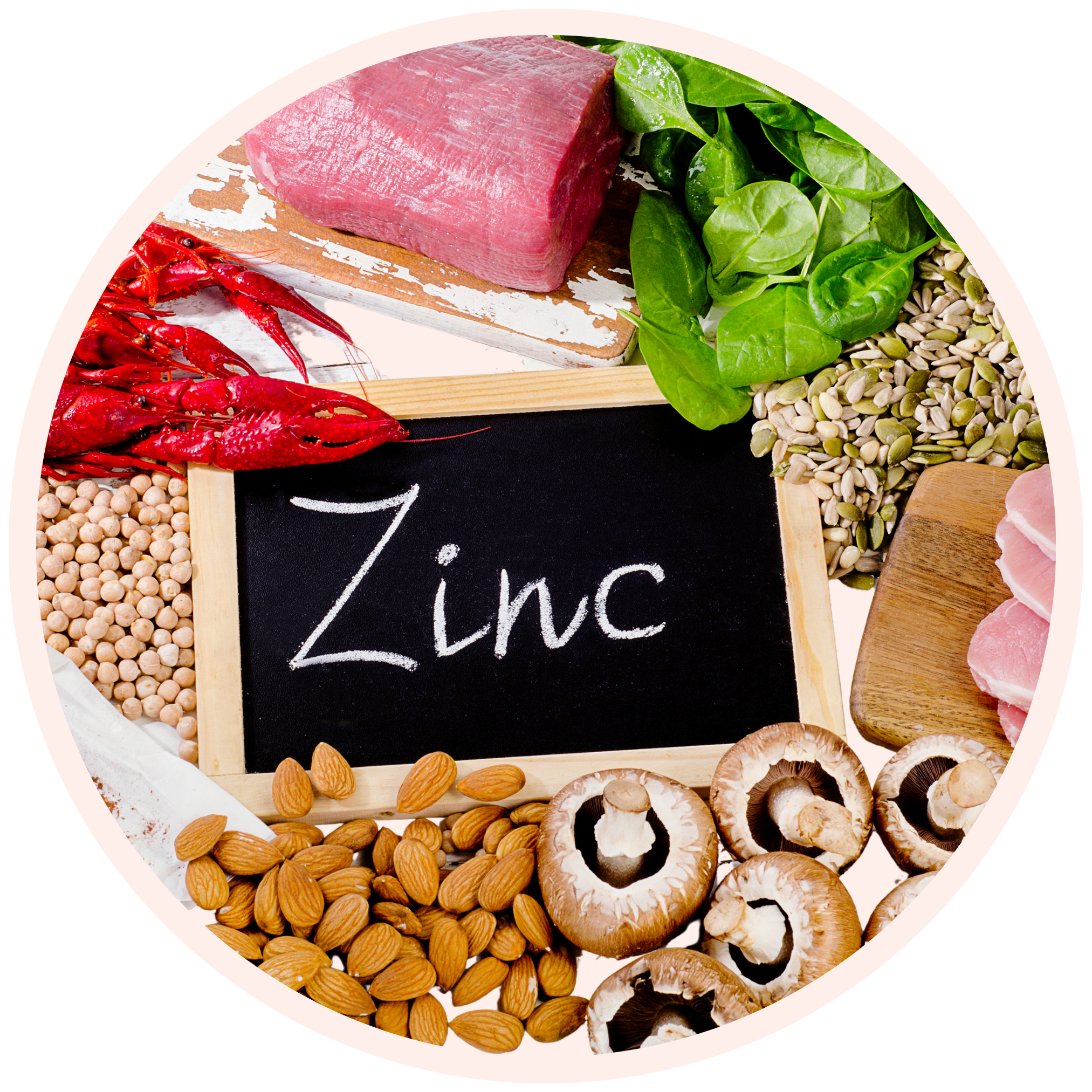
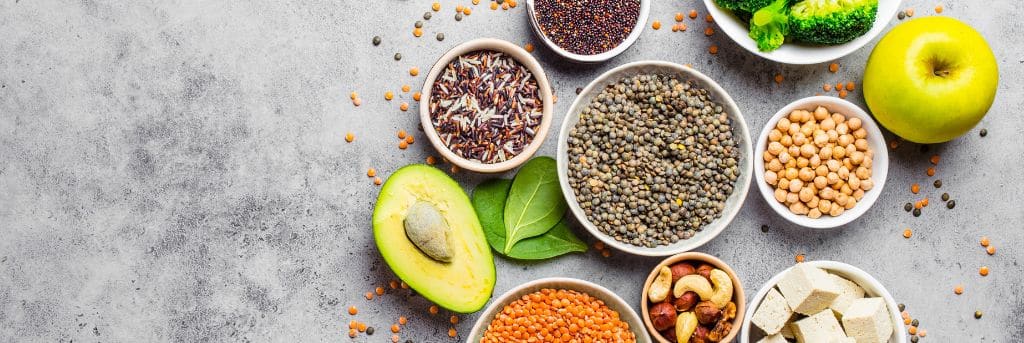
The most concentrated dietary sources of zinc are oysters (the richest known source), red meats, organ meats, shellfish, legumes, nuts, and seeds (especially pumpkin seeds). The bioavailability of dietary zinc varies depending on the source: it is significantly higher in animal products than in plant sources, where phytates present in cereals and legumes inhibit its intestinal absorption.
In supplementation, zinc is available in many forms — inorganic salts and chelated organic forms — with distinct absorption and tolerance profiles.
Composition and active forms of zinc
- Zinc bisglycinate: A chelated form with high bioavailability. Absorption independent of dietary inhibitors. Excellent digestive tolerance. A reference form in quality supplementation.
- Zinc gluconate: A well-documented organic form with good bioavailability. Used notably in studies on immunity and infection duration.
- Zinc citrate: Good solubility and correct absorption. Well-tolerated digestively. Often used in multivitamin formulas.
- Zinc picolinate: A chelated form with picolinic acid. High bioavailability according to some studies. Used in skin and acne-focused formulas.
- Zinc sulfate: An inexpensive inorganic form. Correct bioavailability but lower digestive tolerance than chelated forms (risk of nausea on an empty stomach).
- Zinc oxide: An inexpensive inorganic form but with low oral bioavailability. Used mainly topically (sun creams, dermatological care).
Zinc bisglycinate and picolinate are the best-absorbed forms orally, with absorption less disturbed by dietary inhibitors (phytates, fiber). For MiYé formulas focused on hormonal balance and skin health, chelated forms are preferred for their bioavailability and tolerance.
What are the benefits of zinc?
Female hormonal regulation
Zinc is a multi-level hormonal regulator. It is involved in progesterone synthesis and follicular maturation, plays a role in the conversion of thyroid hormones T4 to T3 (active form), and modulates the sensitivity of steroid hormone receptors. A zinc deficiency can disrupt ovulation, shorten the luteal phase, and contribute to irregular cycles.
In the context of PCOS (polycystic ovary syndrome), several studies have shown that zinc supplementation improves insulin resistance markers, reduces circulating androgens, and improves cycle regularity — a rare convergence of benefits for a single micronutrient.
Skin, hair, and nail health
Zinc is one of the micronutrients most involved in skin health. It regulates sebum production (via inhibition of 5-alpha-reductase), supports collagen and keratin synthesis, accelerates wound healing, and modulates the cutaneous inflammatory response. Its effectiveness in acne is one of the best documented: several clinical trials confirm that oral zinc supplementation reduces inflammatory acne lesions, with efficacy comparable to some topical antibiotics for moderate forms.
For hair, zinc is an essential cofactor for keratin synthesis and hair follicle function. Zinc deficiency is one of the primary micronutritional causes of diffuse hair loss — and often underdiagnosed, particularly in women in perimenopause or postpartum.
Immunity and antioxidant protection
Zinc contributes to the normal functioning of the immune system — a nutritional claim recognized by EFSA. It is essential for T lymphocyte maturation, natural killer (NK) cell function, and the production of controlled pro-inflammatory cytokines. Its deficiency results in increased susceptibility to infections, slowed wound healing, and accelerated immunosenescence.
As a cofactor of superoxide dismutase (SOD-Cu/Zn), zinc directly participates in the neutralization of superoxide radicals — one of the first lines of cellular antioxidant defense.
Protein synthesis and cell division
Zinc is essential for DNA replication and protein synthesis, making it a key active ingredient in all tissues with high turnover: epidermis, mucous membranes, hair follicles, immune cells. This is notably why its effects are particularly visible on the skin, hair, and nails.
Fertility and reproductive health
Zinc is concentrated in oocytes and plays a role in oocyte maturation and quality. Studies suggest that optimal zinc status is associated with better oocyte quality and support for the luteal phase. It is also involved in progesterone synthesis during the luteal phase — relevant information for women with luteal phase insufficiency or short cycles.
Zinc usage tips
In oral supplementation
The reference nutritional intakes (RNIs) are set at 7.5 mg/day for adult women (EFSA). In functional supplementation, commonly used doses vary from 10 to 25 mg/day depending on the objective:
- 10 to 15 mg/day: immune maintenance, fundamental skin and hormonal support
- 15 to 25 mg/day: hormonal acne, diffuse hair loss, PCOS, fertility support
- Beyond 25 mg/day: to be reserved for use supervised by a healthcare professional
It is preferable to take it away from meals rich in phytates (whole grains, legumes) to avoid absorption competition. In case of gastric sensitivity, taking it during a light meal is preferable — chelated forms (bisglycinate) are in any case better tolerated on an empty stomach.
The most coherent synergistic associations: vitamin B6 (cofactor for hormonal metabolism and neurotransmitter synthesis), selenium (antioxidant and thyroid synergy), L-ascorbic acid (immunity and collagen), copper (to be balanced — see precautions).
Precautions for zinc use
- Safety threshold:the upper safety limit (USL) is set at 25 mg/day by EFSA for adults. Beyond this, adverse effects may appear: nausea, vomiting, gastrointestinal disorders, and in the long term, induced copper deficiency.
- Competition with copper:prolonged supplementation at high doses without copper intake can induce copper deficiency. Monitor intake and combine with copper for long-term cures at doses > 15 mg/day.
- Drug interactions:zinc can reduce the absorption of certain antibiotics (tetracyclines, quinolones) and levothyroxine. Space doses by at least 2 hours. It can also interact with thiazide diuretics which increase its urinary excretion.
- Digestive tolerance:inorganic forms (sulfate, oxide) can cause nausea, especially on an empty stomach. Prefer chelated forms or take with a light meal.
- Pregnancy and breastfeeding:zinc requirements increase during pregnancy (10 mg/day) and breastfeeding (11 mg/day). Supplementation is possible but must be medically supervised to avoid any zinc/copper imbalance.
⚠️ People undergoing immunosuppressive treatment or suffering from autoimmune diseases should consult a healthcare professional before any zinc supplementation, due to its modulating role on the immune response.
Frequently asked questions about zinc
Can zinc help with hormonal acne?
Yes, this is one of the best-documented benefits of zinc in dermatology. It acts on several mechanisms involved in hormonal acne: inhibition of 5-alpha-reductase (reducing the conversion of testosterone to DHT, the main androgen stimulating sebum production), modulation of the cutaneous inflammatory response, and support for wound healing. Several clinical trials confirm a significant reduction in acne lesions after 8 to 12 weeks of supplementation with 25 mg/day of elemental zinc.
What is the link between zinc and hair loss?
Zinc is an essential cofactor for keratin synthesis and hair follicle function. A deficiency — even moderate and undetected in a standard assessment — can manifest as diffuse hair loss, fragile hair, and loss of density. This is particularly common postpartum, during prolonged stress, in vegetarian women, or in perimenopause. Erythrocyte zinc measurement (more reliable than plasma zinc) allows for the assessment of real status.
Zinc and PCOS: what does science say?
Several randomized clinical studies have evaluated zinc supplementation in PCOS. The most consistent results show an improvement in insulin resistance markers, a reduction in circulating androgens (free testosterone), an improvement in lipid profile, and a reduction in inflammatory markers. A meta-analysis published in the Journal of Trace Elements in Medicine and Biology (2019) confirms these benefits on several metabolic and hormonal parameters of PCOS.
Sources
Prasad AS. "Zinc is an Antioxidant and Anti-Inflammatory Agent." Frontiers in Nutrition, 2014.
Dabbagh-Bazarbachi H et al. "Zinc bioavailability and homeostasis." Journal of Trace Elements in Medicine and Biology, 2014.
Maret W, Sandstead HH. "Zinc requirements and the risks and benefits of zinc supplementation." Journal of Trace Elements in Medicine and Biology, 2006.
Foroozanfard F et al. "Effects of zinc supplementation on markers of insulin resistance and lipid profiles in women with polycystic ovary syndrome." Experimental and Clinical Endocrinology & Diabetes, 2015.
Cervantes J et al. "The role of zinc in the treatment of acne." Dermatologic Therapy, 2018.
EFSA Panel on Dietetic Products. "Scientific Opinion on Dietary Reference Values for Zinc." EFSA Journal, 2014.