
SUMMARY
What is androgenic alopecia ?
Androgenic alopecia, also known as hormonal baldness, is a natural phenomenon affecting the hair environment in both men and women. Although this condition mainly affects men, it can also affect women, and its causes are often linked to genetic and hormonal factors.
What causes androgenic alopecia in women ?
In women, androgenic alopecia may be due to physiological factors, but is often exacerbated by underlying illnesses. Hair loss can occur at different stages of a woman’s life, often after major hormonal events such as :
- Menopause
- Pregnancy
- Hormonal treatments
Understanding androgenic alopecia
Definition and prevalence
Androgenic alopecia is characterized by progressive hair loss, mainly on the crown of the head and temples. Unlike uniform hair loss, this condition manifests itself in specific areas of balding. In men, the signs usually appear in their thirties, while in women, symptoms can occur later in life.
Main causes
- Hormonal factors: Excessive testosterone and other androgenic hormones play a crucial role in hair loss.
- Genetic predisposition: Androgenetic alopecia is often inherited.
- Use of hormonal contraceptives: The pill interferes with the body’s hormonal balance.
Differences between men and women
In women, hair loss due to androgenic alopecia is generally more gradual. Hair loss often begins after menopause and can vary with the seasons. Other aggravating factors include oral contraceptives, hormone replacement therapy, stress, and high cholesterol levels.
Biological mechanism of androgenic alopecia
Androgenic alopecia results from a complex interaction between androgen hormones and hair follicles.

Dihydrotestosterone (DHT), derived from testosterone, plays a central role by binding to hair root receptors and causing follicle miniaturization.
Contributing factors
Genetics and predisposition
Family history is a major factor. Genes can be inherited from either side of the family.
Hormonal influences
Male hormones (androgens)—especially DHT—play a key role. Some people have follicles that are overly sensitive to DHT.
What are the symptoms in women?
Initial symptoms
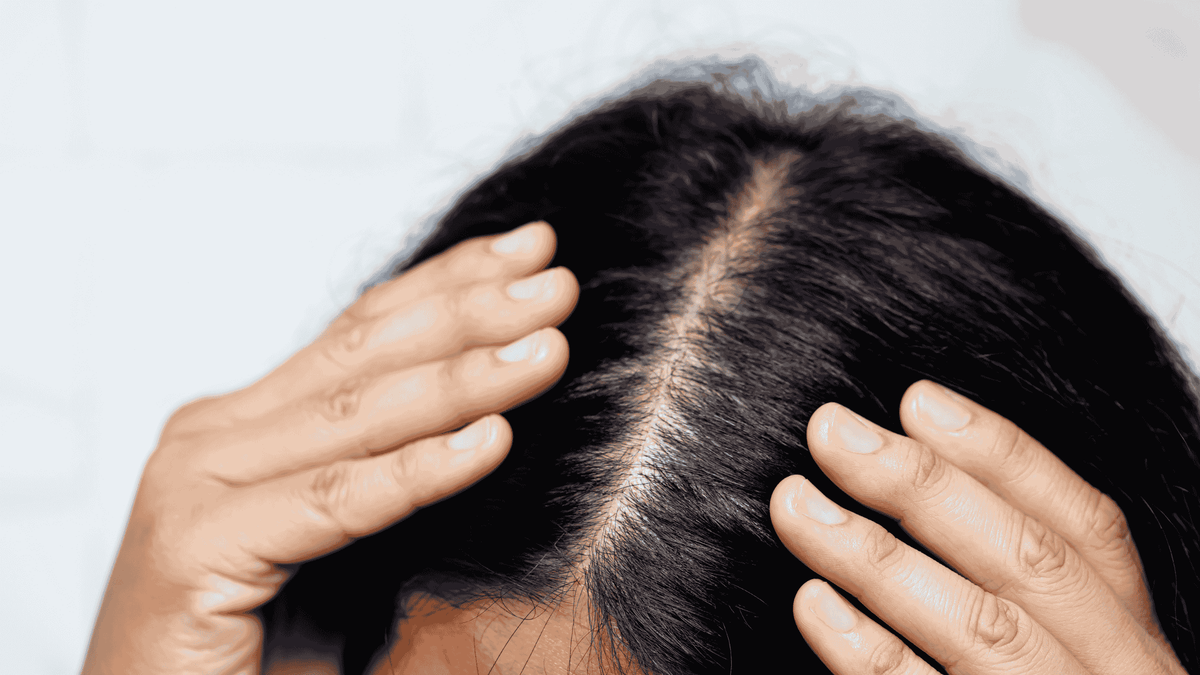
The first signs include thinning hair and a widening central parting. Women may also experience receding hairlines.

Other signs include acne, menstrual disorders, and excess hair growth, often linked to polycystic ovary syndrome.
Progression stages
Doctors use the Norwood-Hamilton scale (men) and the Ludwig pattern (women) to evaluate severity.
Therapeutic approaches
Medical treatments
- Minoxidil: Stimulates hair growth.
- Finasteride: Reduces DHT levels.
- Dutasteride: Similar to finasteride, potentially stronger.
Surgical options
- Hair transplant: Follicles are relocated from dense to thinning areas.
- Scalp reduction: Removes bald areas and stretches hair-bearing zones.
Non-medical solutions
- Wigs and hairpieces
- Specialized cosmetics: Thickening powders, sprays, etc.
- Micropigmentation
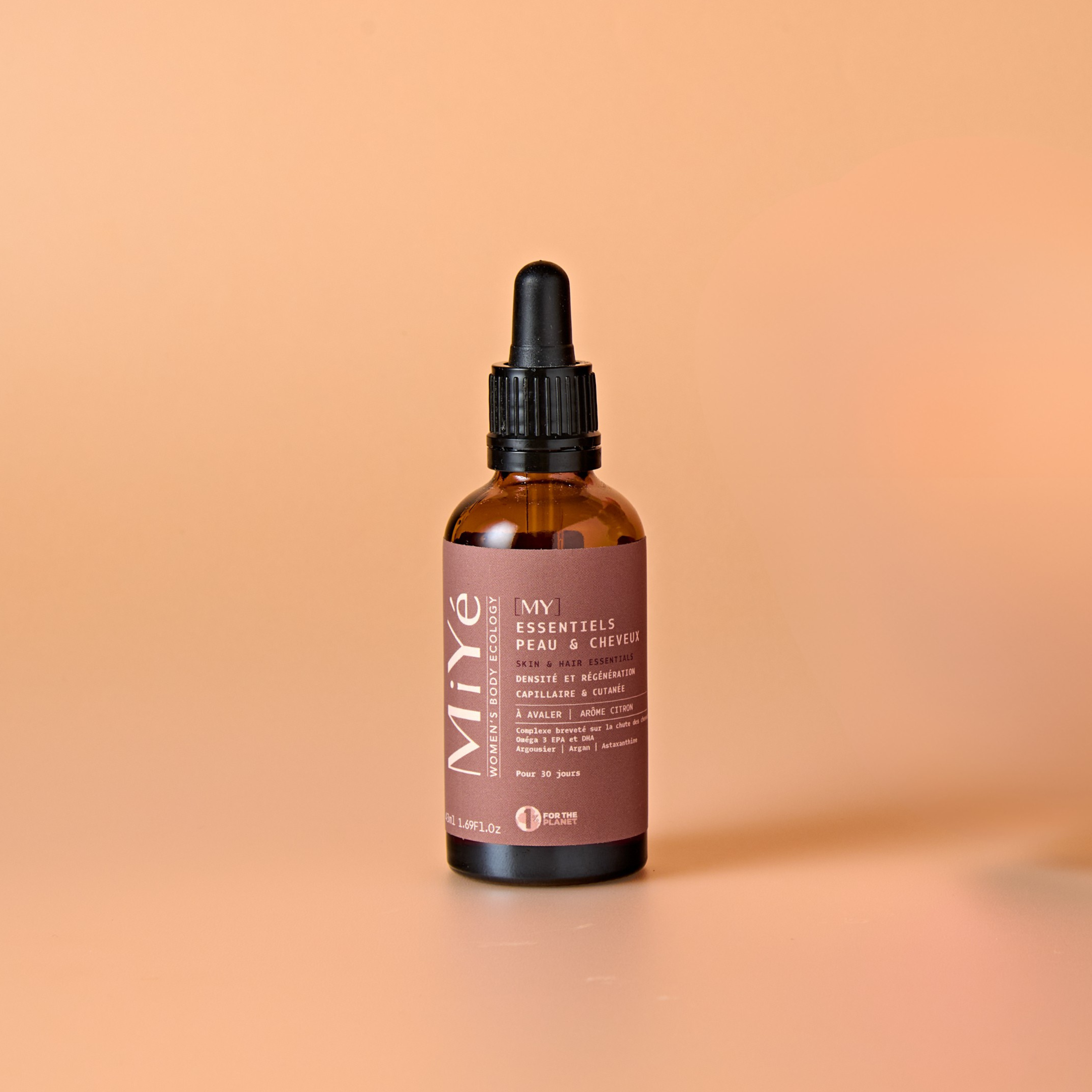
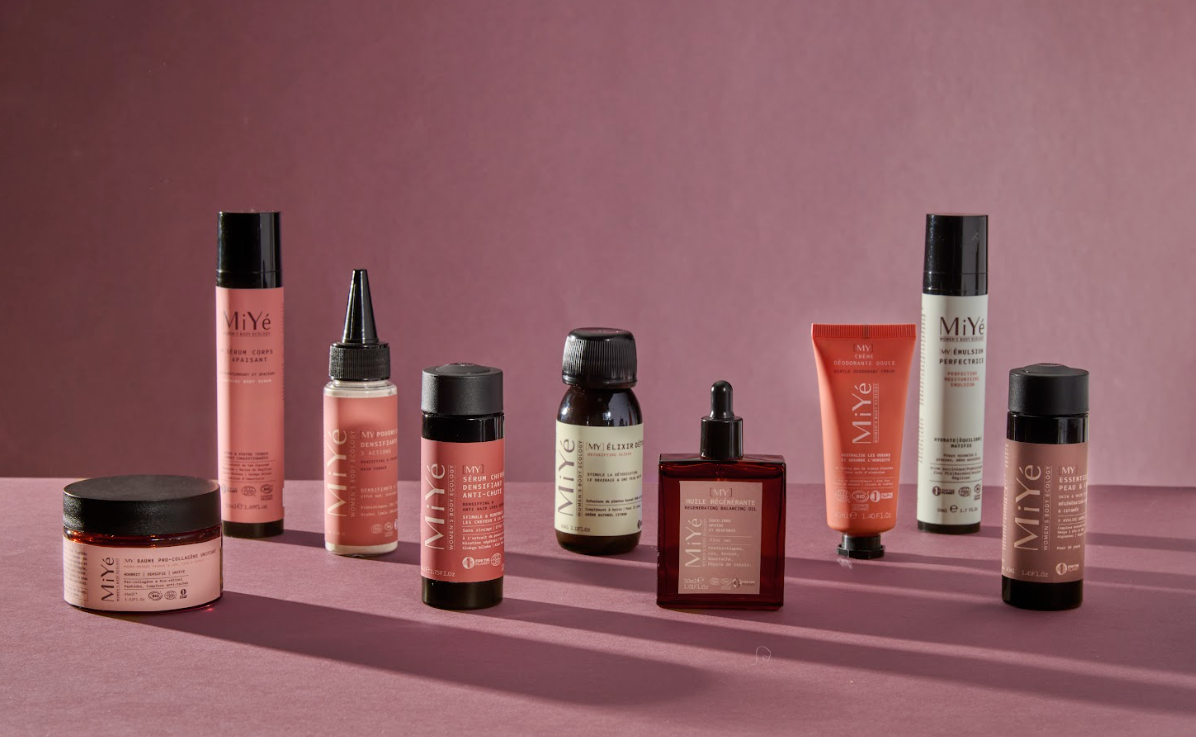
- Hair supplements: e.g., DENSITIVE HAIR SERUM

Psychological impact
Self-esteem and anxiety
Losing your hair can provoke emotional distress, affecting self-confidence and social wellbeing.
Support and adaptation
Support groups, counselling, and open conversations can help patients cope better.
Common myths about androgenic alopecia
Shampoos and hair care
Frequent shampooing does not cause hair loss.
Helmets and hats
Wearing hats or helmets does not cause androgenic alopecia and does not affect DHT.

![Tube [MY] Sérum densifiant anti-chutes pour cheveux, et ses macarons finaliste du prix d'excellence de la beauté marie-claire, bio et Ecocert](http://www.miye.care/cdn/shop/files/Visuels_shop_85.png?v=1773305224&width=1000)
![[MY] Essential skin and hair, anti-hair loss oil for women, and her macaron finalist Marie-Claire of the beauty award of excellence](http://www.miye.care/cdn/shop/files/Visuels_shop_89.png?v=1773306175&width=1000)
Share:
Matcha and its health benefits
Matcha Vs Coffee : Differences between twice