






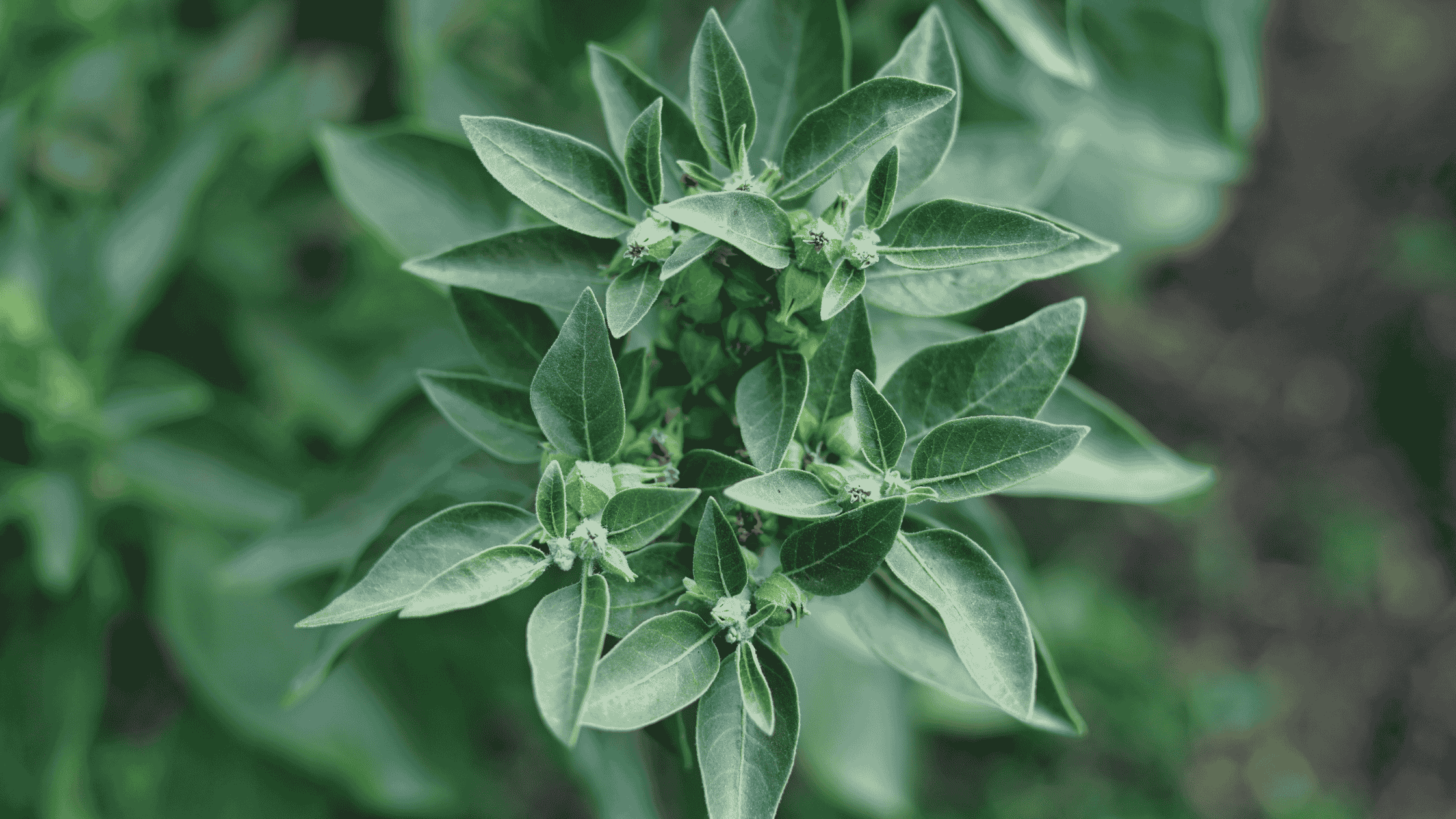



Ashwagandha (Withania somnifera) is an adaptogenic plant used in Ayurvedic medicine to help the body better manage stress and maintain hormonal balance.
Its active compounds, withanolides, have anti-inflammatory, antioxidant, anxiolytic, and immunomodulatory effects.
Ashwagandha can also support overall hormonal balance, with potential effects on thyroid and sex hormones.
For lasting hormonal balance, its use is most effective when part of a comprehensive approach: balanced diet, physical activity, stress management, and quality sleep
Adaptogenic properties of ashwagandha
Ashwagandha, also known by its scientific name Withania somnifera, is an adaptogenic plant used for centuries in Ayurvedic medicine for its multiple therapeutic benefits. Adaptogens help the body adapt to stress and maintain internal balance. Ashwagandha contains a rich array of phytochemicals, particularly withanolides, recognized for their positive health effects.
These compounds offer anti-inflammatory, antioxidant, anxiolytic, and immunomodulatory properties, acting on the nervous, endocrine, and cardiovascular systems. This makes ashwagandha a valuable ally in stress management and hormonal balance.
Mechanisms of action of ashwagandha on cortisol
In simple terms, ashwagandha works by modulating the endocrine and central nervous systems. It interacts with GABA (gamma-aminobutyric acid) receptors, thereby helping to reduce anxiety and promote a sense of calm. Furthermore, the compounds contained in the plant have anxiolytic and antidepressant effects that result in better management of our stress hormone.
Several scientific studies have shown that regular consumption of ashwagandha can significantly lower cortisol levels in the blood. This means not only less stress, but also a general improvement in hormonal balance.
Using ashwagandha for hormonal balance
Once we understand the role of cortisol and the adaptogenic properties of ashwagandha, let's look at how this plant can be integrated into a strategy designed to maintain optimal hormonal balance.
The use of ashwagandha supplements can offer several advantages, particularly for those suffering from chronic hormonal imbalances. These benefits include better stress management, regulation of thyroid hormones, and even a positive influence on sex hormones such as luteinizing hormone (LH) and testosterone.
How does ashwagandha regulate cortisol?
Ashwagandha acts on cortisol by influencing the hypothalamic-pituitary-adrenal (HPA) axis, which is responsible for the stress response. By modulating this axis, ashwagandha helps reduce cortisol levels, especially in cases of chronic stress.
Regulating cortisol is essential to avoid the consequences of an excess of cortisol, such as increased blood pressure, weight gain, and sleep disturbances. Ashwagandha also promotes a better cortisol rhythm, lowering it in the evening to improve sleep quality and keeping it low during periods of relaxation. This helps in more effective stress management and the reduction of symptoms related to anxiety and depression.

Studies and research supporting the effectiveness of ashwagandha on cortisol levels
Numerous clinical studies have proven the effectiveness of ashwagandha in reducing cortisol levels and symptoms of stress and anxiety. A randomized, double-blind, placebo-controlled study revealed that a standardized extract of ashwagandha taken for 60 days significantly reduced morning cortisol levels as well as anxiety and stress scores.
Other research confirms these benefits, showing that ashwagandha improves sleep quality, reduces fatigue and food cravings, and increases psychological well-being. Recommended doses range from 500 to 600 mg per day, as these amounts have shown more significant effects than lower doses.
The results of these studies reinforce the idea that ashwagandha is an effective tool for stress management and cortisol regulation, offering a natural and safe alternative to improve mental and physical health.
Clinical results on the effectiveness of ashwagandha
Numerous clinical studies have investigated the effects of ashwagandha on cortisol levels and overall hormonal balance. Here are some notable examples:
A randomized study conducted in 2012 revealed that participants who consumed 600 mg of ashwagandha extract daily for eight weeks saw their cortisol levels decrease significantly compared to the placebo group.
Another study published in 2015 showed that ashwagandha could increase levels of certain thyroid hormones, thereby offering a possible natural solution for people suffering from mild hypothyroidism.
Testimonials and personal experiences
Beyond scientific studies, several users share positive testimonials regarding the effect of ashwagandha on their stress management and hormonal balance. People suffering from chronic fatigue or post-traumatic stress disorder have found notable relief after integrating the plant into their daily routine.
These testimonials highlight not only the effectiveness of ashwagandha, but also its potential role as an alternative or complement to traditional medical treatments.
In conclusion, ashwagandha represents a promising avenue for those looking to naturally balance their hormones, especially cortisol. Thanks to its adaptogenic properties, this plant helps the body manage stress more effectively, thereby reducing the risks associated with an excessive production of the stress hormone.
Research continues to confirm the benefits of this incredible plant, making it a valuable tool in the quest for better hormonal balance and optimized health.
Practical advice and recommendations for using ashwagandha
How to integrate ashwagandha into your daily routine?
To effectively integrate ashwagandha into your daily life, several aspects should be considered, such as the dosage, the form of the supplement, and the timing of intake.
The recommended dose varies from 250 to 600 mg per day. Research shows that daily doses of 500 to 600 mg are particularly effective in lowering stress and cortisol levels. Ashwagandha comes in various forms: capsules, tablets, powders, tinctures, and teas. It is essential to choose high-quality dietary supplements to lower cortisol, standardized to contain a specific percentage of withanolides, ideally between 5% and 10%.
[MY] WOMEN'S BALANCE ESSENTIALS
The ideal time to take ashwagandha can vary depending on your goals. To improve sleep, taking it in the evening is recommended. However, to manage stress during the day, consuming it in the morning or in two doses (morning and evening) may be more suitable.
Other tips for maintaining a healthy hormonal balance
In addition to using ashwagandha, a healthy hormonal balance requires a holistic approach to your well-being. Adopt a balanced diet rich in fruits, vegetables, lean proteins, and healthy fats, while limiting processed foods, refined sugars, and excessive consumption of caffeine and alcohol.
Regular physical activity, including aerobic exercise, strength training, yoga, and tai chi, helps reduce stress, improve mood, and promote longevity. Mindfulness techniques, such as meditation, deep breathing, or progressive muscle relaxation, can also help find inner calm and build resilience to stress.
Sources
- Study on the stress-relieving effects and pharmacological actions of an ashwagandha (Withania somnifera) extract
- Study on the efficacy and safety of an ashwagandha root extract in reducing stress and anxiety in adults
- Efficacy and safety of ashwagandha root extract in patients with subclinical hypothyroidism.
- An overview of ashwagandha: a Rasayana (rejuvenator) of Ayurveda.
Share:
What are phytohormones ?
Cushing's syndrome: What is this disease ?