






Key Takeaways
Lochia is the vaginal bleeding and discharge that occurs after childbirth, made up of blood, mucus, and uterine debris; it plays an active part in the cleansing and healing of the uterus.
It evolves through several phases: heavy and red at first (lochia rubra), then pinkish/brownish (lochia serosa), and finally yellowish or whitish (lochia alba).
It is different from the return of the period: lochia is associated with post-delivery healing, whereas the true return of the period corresponds to the resumption of the menstrual cycle.
You must consult a doctor promptly in case of very heavy bleeding, severe pain, fever, unusual odor, or abnormal discharge, as this can indicate a complication or infection.
What is Lochia?
The term lochia refers to the vaginal discharge that occurs after childbirth, observed both after vaginal delivery and a cesarean section. It consists of blood, cervical mucus, and uterine debris, including endometrial cells and placental residues.
This discharge plays a vital role in the cleansing and healing process of the uterus after the placenta has detached. This detachment leaves a wound on the uterine wall, the healing of which is supported by lochia.
Furthermore, lochia contains healing factors and antibodies, helping to prevent infections. It hinders the overgrowth of harmful bacteria in the vagina, thus promoting a healthy vaginal environment during this vulnerable phase.
The characteristics of lochia, such as color, consistency, and volume, provide important clues about a woman's postpartum health. Discharge that is particularly heavy or contains significant blood clots can signal a complication requiring an immediate medical consultation.
What Does Postpartum Bleeding Look Like?

Postpartum bleeding, also known as lochia, evolves through several distinct phases during the recovery period following childbirth. These phases are differentiated by the color, consistency, and volume of the discharge.
- Lochia Rubra: Right after delivery, the lochia is generally heavy, dark red or bright red, similar to a heavy menstrual flow. This stage, called lochia rubra, typically lasts 2 to 4 days and can include small blood clots as well as uterine debris like endometrial cells and placental residues.
- Lochia Serosa: Between the 5th and 9th day after giving birth, the lochia changes color and consistency, becoming thinner with pinkish, pale brown, or yellowish tints. This phase, known as lochia serosa, is characterized by a reduction in blood and an increase in mucus and leukocytes (white blood cells).
- Lochia Alba: During the final phase, which generally lasts from the 10th day up to the 14th week postpartum, the lochia takes on a yellow or white color, and its consistency becomes more watery. This stage, known as lochia alba, signals that the healing process is nearly complete and the uterus has almost returned to its pre-pregnancy size and shape.
It is crucial to note that these phases can vary from one woman to another and that the total duration of lochia can span from 2 to 6 weeks. Elements such as breastfeeding, physical exercise, or simply standing up can cause a temporary increase in lochia.
Evolution of Post-Delivery Bleeding
Duration of Lochia
The duration of lochia varies among women, generally lasting from 4 to 6 weeks after delivery. This period is influenced by the mode of delivery (vaginal or C-section) and breastfeeding. Breastfeeding can shorten this duration due to oxytocin, which encourages uterine contractions and accelerates healing.
Interruption and Resumption of Lochia
It is possible for lochia to stop temporarily and start again. The "gush of blood" (petit retour de couches), which typically occurs between the 10th and 12th day after delivery, can cause a temporary return of bleeding for 2 to 3 days, similar to a light menstrual period. This phenomenon is due to a drop in pregnancy hormones and does not usually signal a complication.
Is it Normal to Still Bleed a Month After Delivery?
While lochia can last up to 6 weeks, it should normally decrease in intensity and frequency after the first month. Light bleeding can nevertheless persist for some women beyond this period. If the bleeding gets heavier or persists after six weeks, a medical check-up is recommended to rule out any complications.
Variations in Color and Abundance of Lochia
Lochia changes color and flow over time. It is initially heavy and bright red with blood clots during the first 3 to 4 days. Then, it becomes lighter and turns a light brown or pink color between the 5th day and the following 2 weeks. After about 2 weeks, the lochia becomes more watery and whitish or yellowish, before gradually tapering off until it stops completely.
Differences Between Lochia and the True Return of the Period
Understanding the difference between lochia and the true return of the period, often referred to as the "return of menstruation," is essential for grasping the changes in a woman's body after childbirth. Although both occur during the postpartum period, they differ in their causes, characteristics, and duration.
Cause and Purpose: Lochia, the vaginal discharge, results from the healing of the area where the placenta detached and the postpartum cleaning process of the uterus. It plays a crucial role in healing and helping the uterus return to its pre-pregnancy size and shape.
The true return of the period, on the other hand, marks the resumption of menstrual cycles after childbirth, signaling a woman's biological ability to conceive again. It also indicates that the ovaries are functioning normally.
Duration: Lochia can last from 4 to 6 weeks, with a gradual reduction in its intensity and frequency. The true return of the period generally occurs between 6 to 8 weeks after delivery, although this can vary significantly depending on breastfeeding habits.
Exclusive breastfeeding can delay the return of the period due to the inhibitory effect of prolactin on ovulation.
Characteristics: Initially, lochia is heavy and bright red, composed of blood, cervical mucus, and uterine debris. Over time, it changes color and consistency, transitioning from red to pink, then yellow, and finally to white or brown. The return of the period is characterized by menstruation that may be longer and heavier than it was before pregnancy, accompanied by classic menstrual symptoms like cramps and bloating.
The "Gush of Blood" (Petit Retour de Couches): It is important to know about the "petit retour de couches," a temporary phenomenon occurring between lochia and the true return of the period. Characterized by dark vaginal bleeding due to falling hormones, it can appear around a month after birth and should not be confused with lochia or the true menstrual period.
When Should You Seek Medical Help?
Lochia, though a normal part of postpartum recovery, can sometimes signal complications that require immediate medical intervention. Knowing how to recognize warning signs is essential for seeking medical help without delay.
Excessive or Prolonged Bleeding
Following delivery, excessive bleeding or bleeding that extends beyond the expected timeframe can indicate a serious complication. If you notice heavy vaginal bleeding persisting longer than normal, or if you lose more than one liter of blood within 24 hours of childbirth, it is vital to consult a healthcare professional. Uterine atony, characterized by insufficient contraction of the uterus, and retained placental fragments are often the root causes of this bleeding.
A secondary postpartum hemorrhage, occurring between 24 hours and 12 weeks after delivery, can present as sporadic or heavy vaginal bleeding. This type of bleeding can be a sign of hypovolemic shock, accompanied by symptoms such as paleness, chills, and an increased heart rate.
Foul-Smelling Discharge or Accompanying Fever
Foul-smelling discharge or an accompanying fever can indicate a postpartum infection. Endometritis, an infection of the uterine lining, can cause lower abdominal pain, fever, chills, and foul-smelling vaginal discharge.
These symptoms require an immediate medical consultation: only a healthcare professional can evaluate the situation and direct you toward appropriate care.
Furthermore, coagulation disorders, the presence of uterine fibroids, or the use of certain medications can also cause unusual bleeding and require evaluation by a healthcare provider. In the event of intense abdominal pain, high fever, or abnormal vaginal discharge, it is imperative to seek care immediately.
Tips for Managing Postpartum Bleeding
Which Sanitary Protections Are Best Suited?
To manage bleeding after childbirth, choosing the right sanitary protection is essential. Maternity pads specifically designed for the postpartum period are highly recommended. They are larger and much more absorbent than standard pads. Moreover, they are usually plastic-free and incredibly soft, making them perfect for sensitive skin during this time.
Adult diapers can be a comfortable and secure alternative, offering extra protection. However, it is best to avoid standard period underwear during the first few days following birth due to the very heavy flow and the risk of leaks.
Recommended Hygiene Practices
Proper hygiene is vital to prevent infections and support optimal healing. It is advised to change your sanitary pad frequently, each time you use the restroom or as soon as it is saturated, to lower infection risks.
It is also recommended to take regular showers and gently cleanse the perineal area with lukewarm water. Baths and vaginal douching should be avoided until the lochia completely stops to minimize infection risks. Opt for 100% cotton pads to reduce irritation and allergies.
Supporting Intimate Flora in the Postpartum Period
The phase when lochia occurs is a period of vulnerability for your intimate flora. Post-delivery hormonal changes and prolonged discharge can weaken the balance of the vaginal microbiota. Taking care of this flora right from the early weeks is an aspect of recovery that is often overlooked.
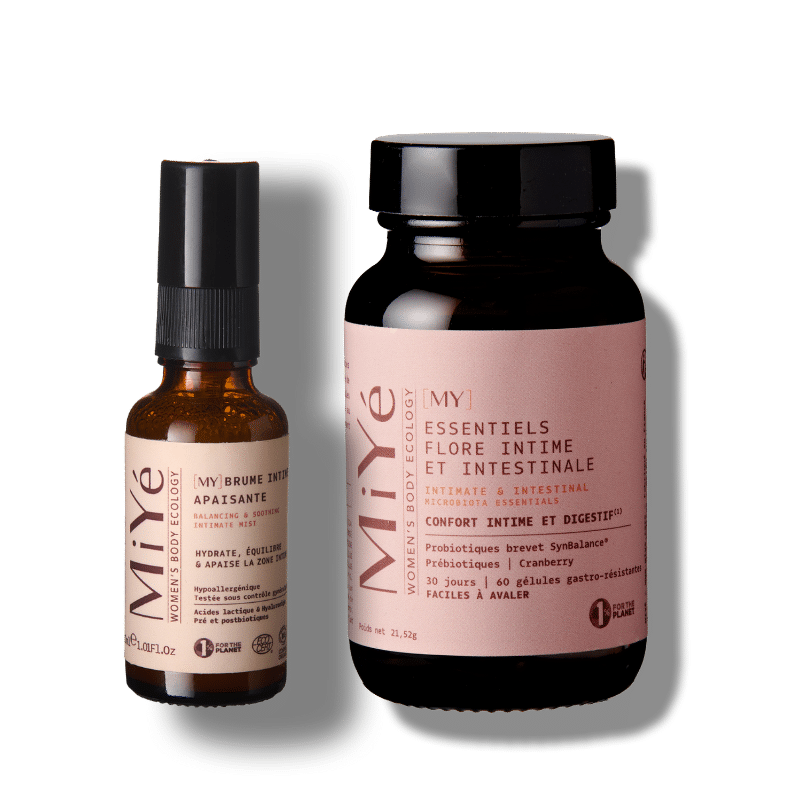
[MY] ESSENTIAL INTIMATE AND INTESTINAL FLORA provides targeted support to the intimate and digestive microbiota, thanks to a synergy of four lactobacillus strains. It can be integrated into your postpartum routine alongside recommended hygiene care.
[MY] INTIMATE MOISTURIZING BALANCING GEL is a certified organic topical treatment formulated to soothe and rebalance the intimate area. It is particularly well-suited for the dryness or irritation discomforts that can surface once the lochia has completely stopped.
These products are dietary supplements and natural skincare. They do not replace postpartum medical follow-up.
Activities to Avoid to Prevent Complications
To ensure recovery without complications, it is important to limit certain activities. Rest as much as possible, especially during the initial weeks following delivery. Avoid any strenuous effort so as not to exacerbate the bleeding or delay the healing process.
It is advisable to hold off on intense physical activities until your body is ready. However, moderate exercises such as walking, cycling, or postnatal yoga—introduced gradually and with medical clearance—can be highly beneficial for your recovery.
The Essentials of Lochia
Lochia, made up of blood, cervical mucus, and uterine debris, is a normal and indispensable stage of post-delivery recovery. It typically lasts 4 to 6 weeks and unfolds across several phases, ranging from lochia rubra to lochia alba.
To successfully manage this bleeding, flawless hygiene is essential, which includes changing your sanitary pads frequently and avoiding tampons entirely. It is equally important to get plenty of rest and maintain a balanced diet.
Keep a close eye out for any signs of infection or complications, such as excessive bleeding, foul-smelling discharge, or a fever, and consult a healthcare professional immediately if you suspect a problem. By taking good care of yourself and staying well-informed, you will navigate this postpartum period with confidence, ensuring optimal healing. Never hesitate to seek medical assistance if you are in doubt, and use this time to focus on your recovery and your baby's well-being.
Sources:
- French National Authority for Health (HAS, 2004, revised 2014) — Postpartum hemorrhage: guidelines for clinical practice
- CNGOF — French National College of Gynecologists and Obstetricians (2015) — Guidelines for clinical practice: Postpartum care
- Oppenheimer L.W. et al. (1986) — Lochia: clinical definition, normal duration and influencing factors
![[MY] PACK ANTI-SÈCHE](http://www.miye.care/cdn/shop/files/Visuels-shop-51.png?v=1747988568&width=800)
![[MY] INTIMATE BALANCING MOISTURIZING GEL 20mL](http://www.miye.care/cdn/shop/files/Visuels_shop_93.png?v=1773306838&width=1000)
Share:
What are the natural remedies for hair loss ?
How do you restore hormonal balance in the post-partum period ?