


SUMMARY

Menopause encourages hair loss primarily due to the decline in oestrogen and progesterone, which makes hair finer, more fragile and slows its growth.
Other factors can worsen the loss: stress, fatigue, thyroid disorders, PCOS, nutritional deficiencies, seasonal changes or tight hairstyles.
Certain natural actives can help support growth and limit hair loss: rosemary, lavender, nettle, spirulina, aloe vera, brewer's yeast, green tea or castor oil.
A balanced diet rich in protein, zinc, B vitamins, iron and omega-3s is essential for strengthening hair from within.
Hair loss, especially during menopause, is a major concern for many women. This phase of hormonal change can lead to hair loss for various reasons. Fortunately, there are natural approaches for supporting this phenomenon. This article offers an overview of the causes of hair loss, the signs of early shedding, and natural solutions to support the health and growth of your hair.
Incorporating gentle oils, such as castor oil or jojoba oil, known for their toning effects and action on scalp blood circulation, alongside food supplements and natural hair care products in your daily routine can contribute to supporting your hair growth. Regular scalp massages are also recommended to activate hair follicles. Here you will find practical tips and natural solutions for stronger, healthier hair during menopause.
What are the causes of hair loss in women?
Hormonal factors
Hair loss in women can be greatly influenced by hormonal changes. Menopause, for example, leads to a decline in female hormones such as oestrogen and progesterone, which can slow hair growth and make hair finer.
Increased sensitivity to male hormones, androgens, can also reduce the size of hair follicles, contributing to hair loss, notably observed in androgenetic alopecia. Thyroid imbalances and polycystic ovary syndrome (PCOS) are other hormonal situations that can disrupt hair growth and cause excessive shedding.
Stress and fatigue
Stress, whether psychological or physical, is a significant cause of hair loss. The body, in response to stress, releases hormones such as cortisol, thereby disrupting the hair growth cycle and encouraging hair to shift into the resting phase, which can lead to excessive and sometimes sudden shedding.
This reactive hair loss can manifest 2 to 6 months after the stressful event. In addition, fatigue and overwork can weaken hair follicles and reduce blood circulation in the scalp, worsening hair loss.
Environmental and seasonal factors
Environmental and seasonal changes also have an impact on hair health. For example, the transition to autumn, following summer exposure to sun, heat and swimming, can trigger reactive hair loss due to the body adapting to new conditions.
An inadequate diet, low in essential nutrients such as iron, can also weaken hair. Illness, surgery and certain medications are among the factors that can lead to hair loss. Finally, tight hairstyles such as braids or ponytails can cause traction alopecia by placing excessive tension on the scalp.
What are the signs of early hair loss?
Diffuse or localised hair loss
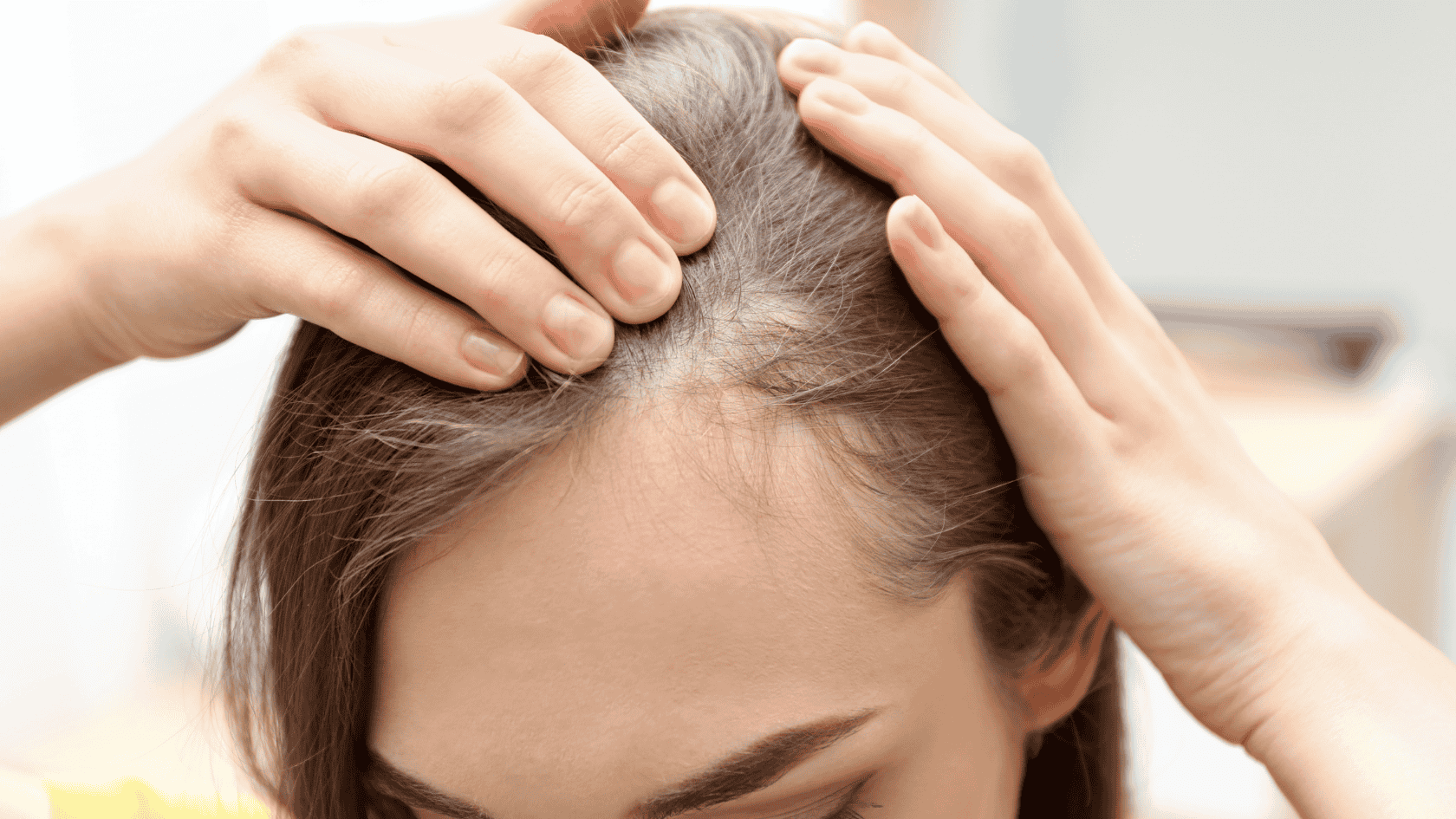
Hair loss in women can begin in a diffuse or localised manner. Diffuse loss is recognised by a widening parting and a reduction in hair volume across the entire scalp. Unlike localised baldness, the loss is distributed uniformly.
Thinning of the hair shaft
One of the first signs is also hair thinning, becoming finer and more fragile, and therefore more prone to breakage. This change in texture is particularly noticeable when hair loses thickness and resilience.
Changes in density and volume
A reduction in hair density and volume is another indicator, with the appearance of sparse areas and increased visibility of the scalp. The hair becomes generally less full and less thick.
Increased breakage and weakened hair
Increased hair loss during brushing, washing or even simply touching the hair clearly indicates early shedding. Greater fragility leads to more frequent breakage, especially at the tips or roots, worsening the loss. Broken hair, often shorter and uneven, deteriorates the overall appearance of the hair.
Beneficial natural actives
To naturally support hair loss, many natural actives, primarily from plants and essential oils, are particularly interesting. These ingredients contribute to supporting hair health and encouraging hair growth.
Essential oils
Essential oils play a key role in maintaining hair health. For example, rosemary essential oil supports blood circulation in the scalp, which contributes to hair growth while helping to limit shedding. Lavender essential oil, thanks to its soothing and toning properties, also supports growth and can help reduce hair loss. To strengthen and purify the scalp, clary sage and lemon essential oils are also appreciated.
Stinging nettle
Stinging nettle, rich in vitamins, trace elements and minerals, is ideal for strengthening the hair shaft from the root and contributing to hair growth support. It also helps balance sebum production and manage dandruff, creating a more favourable environment for hair growth.
Spirulina
Spirulina, exceptionally rich in protein, B vitamins and minerals such as zinc and iron, contributes to keratin synthesis, strengthens hair and supports its growth. It can be consumed as a food supplement or applied as a hair mask.
Green tea
Green tea, thanks to its richness in antioxidants, contributes to limiting hair loss by neutralising free radicals. It participates in nourishing hair and supporting its overall health.
Aloe vera
Aloe vera, with its moisturising and soothing properties, provides essential vitamins and minerals to the scalp and hair. It contributes to stimulating hair growth and limiting hair loss.
Onion juice
Onion juice, rich in sulphur, nourishes hair follicles, strengthens roots and stimulates blood circulation, thereby encouraging more robust hair growth.
Brewer's yeast
Brewer's yeast, packed with protein, B vitamins and minerals, contributes to improving hair structure, hair texture and supports growth. It is particularly useful for fragile or damaged hair.
By using these natural actives in an appropriate way, you can contribute to improving the health and growth of your hair, through a gentle and natural approach.
A balanced diet
Adopting a balanced diet is essential for the health and growth of your hair. The foods you eat provide vital nutrients that directly influence the health of your scalp and hair.
Incorporate these key elements into your diet to support hair health and help limit hair loss:
Essential vitamins and minerals
Vitamins A and B, particularly B5 (pantothenic acid) and B8 (biotin), are fundamental for the wellbeing of your hair. Vitamin A, found in carrots, apricots, mangoes and spinach, supports a healthy scalp and encourages hair growth.
Zinc, an essential mineral, is found in red meat, seafood (mussels, oysters, clams), wholegrain wheat and dried legumes. It is essential for protein synthesis and protects cells against oxidative stress.
Proteins and amino acids
Proteins, required for the production of keratin (the main component of hair), are abundant in legumes, meat, cheese, eggs and oily fish (such as salmon and tuna). They are essential for strengthening hair and encouraging its growth.
Sulphur-containing amino acids, such as methionine and cysteine, found in lentils, egg yolks and oilseeds (such as almonds and walnuts), are also vital for hair health.
Fruits and vegetables
Seasonal fruits and vegetables offer a natural wealth of vitamins and minerals. Mangoes and apricots are rich in vitamin A, while green vegetables such as spinach and rocket provide iron and magnesium, important for oxygen transport in cells and sebum production.
Other beneficial foods
Algae, such as spirulina, are a source of minerals, B-group vitamins and sulphur amino acids, beneficial for supporting scalp health and encouraging hair growth.
Nuts and oilseeds, particularly almonds and hazelnuts, are rich in vitamins and minerals, including zinc and selenium, which contribute to balancing sebum production and protecting cells against oxidative stress.
Lifestyle and food supplements
A healthy lifestyle, including sufficient sleep, regular exercise and stress management, plays just as important a role as diet in hair health. Food supplements, rich in minerals and amino acids, can complement your diet and provide essential nutrients to support hair growth.
Food supplements are not a substitute for a varied, balanced diet and a healthy lifestyle. Consult your healthcare professional before any supplementation.
By incorporating these elements into your dietary routine, you can contribute to improving the health of your hair and naturally supporting the management of hair loss.
Hair care and scalp massage
The benefits of scalp massage
Scalp massage is beneficial for hair health and growth. It stimulates blood circulation, enriching hair follicles with oxygen and essential nutrients, thereby encouraging healthier hair growth.
This practice improves the distribution of nutrients to the follicles, encouraging more robust growth and better hair health.
Beyond its effects on hair health, scalp massage relaxes muscles, contributes to managing stress and anxiety, and can improve sleep. These benefits indirectly reduce hair loss by limiting the stress factors that harm hair health.
How to perform a scalp massage correctly?
For an effective scalp massage, you can use your fingers to perform gentle circular movements on the scalp, which stimulates circulation and nutrient supply to the follicles.
You can also use accessories such as massage brushes, wooden rollers or rubber tips to target the massage more precisely, improving its effectiveness and providing a pleasant sensation that stimulates circulation.
Including massage during hair washing, by massaging the scalp with your fingertips while applying shampoo or conditioner, helps stimulate the scalp while removing impurities and excess sebum, supporting the health of hair follicles.
Suitable hair serums and lotions
Hair serums and lotions, rich in vitamins, minerals and natural plant extracts, penetrate deeply to nourish follicles, strengthen roots and support the growth of healthy hair. Applying a few drops to the scalp and massaging gently encourages the absorption of actives.
These products are suitable for all hair types, contributing to their health and growth.

The importance of a gentle, natural hair care routine
A gentle, natural hair care routine, avoiding harsh chemicals in favour of products based on oils and natural extracts, is essential for managing hair loss and supporting growth. Pre-shampoo treatments, regular massages and the use of suitable serums or lotions contribute to improving hair health, limiting shedding and encouraging a denser, more voluminous head of hair.
Traditional remedies for hair loss: do they work?
Traditional remedies, passed down through generations, offer natural alternatives for managing hair loss. These solutions, simple to use, can sometimes prove surprisingly effective.
Onion juice
Onion juice is a widely used remedy. Thanks to its richness in sulphur, it nourishes follicles, strengthens roots and stimulates blood circulation, thereby encouraging healthier hair regrowth. Apply the juice directly to the scalp and leave on for a few hours before rinsing.
Aloe vera
Aloe vera is recognised for its moisturising and soothing properties. Rich in vitamins and minerals, it contributes to nourishing the scalp, strengthening hair and supporting growth. Apply aloe vera gel to the scalp and leave for one hour before rinsing.
Brewer's yeast
Brewer's yeast, rich in protein, B vitamins and minerals, is a traditional remedy that contributes to improving hair structure and texture, while supporting growth. It can be consumed in capsule form or incorporated into hair masks for a more targeted action.
Green tea
Green tea, known for its high antioxidant content, contributes to limiting hair loss by neutralising free radicals. Consume it regularly or use it as a rinse to benefit from its properties.
Nettle
Nettle, rich in silica and other essential nutrients, strengthens the hair, contributes to limiting hair loss and supports more robust growth. It can be used in the form of a decoction, a mask or a food supplement.
Castor oil
Castor oil is valued for its nourishing and toning effects, helping to strengthen roots and support hair growth. Apply it to the scalp before sleeping and rinse the following morning to optimise its benefits.
These traditional remedies, often supported by science, can enrich your contemporary hair care routine. By adopting them, you opt for a holistic and natural approach to maintaining the health and beauty of your hair.
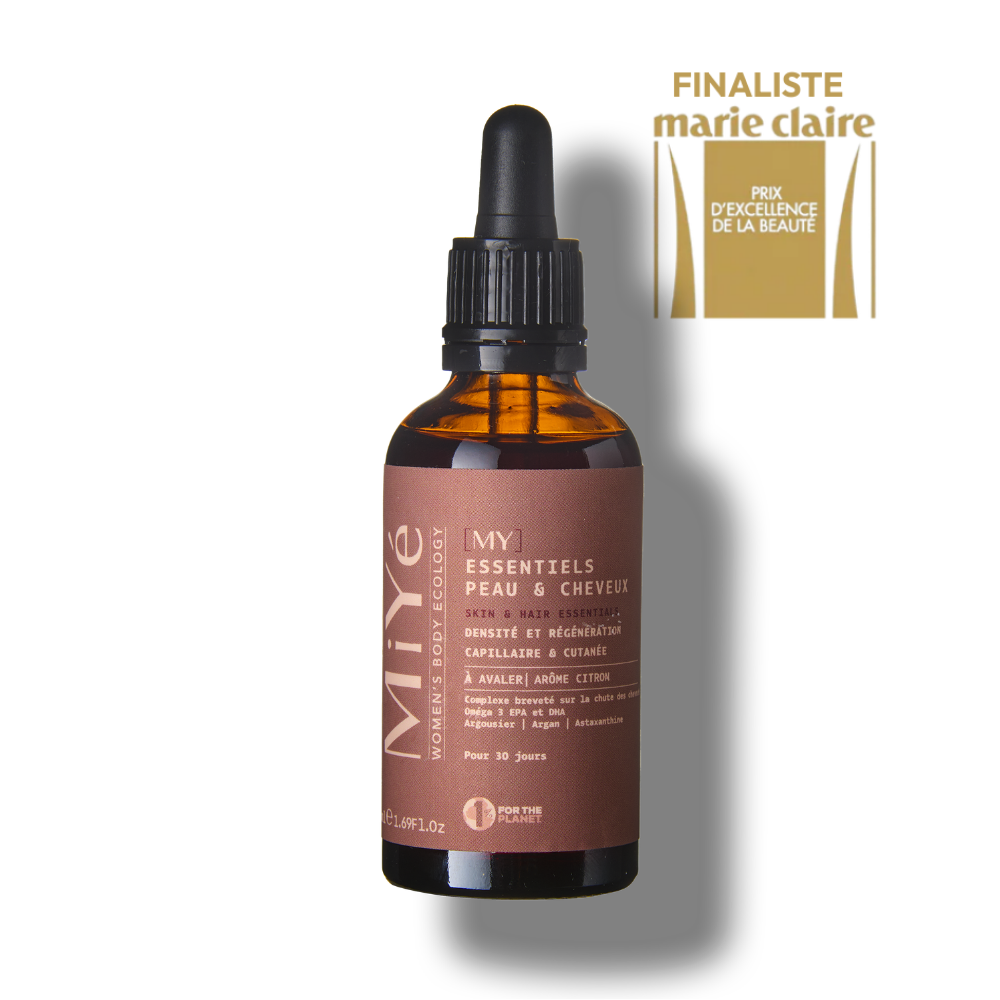
MiYé natural solutions for managing hair loss
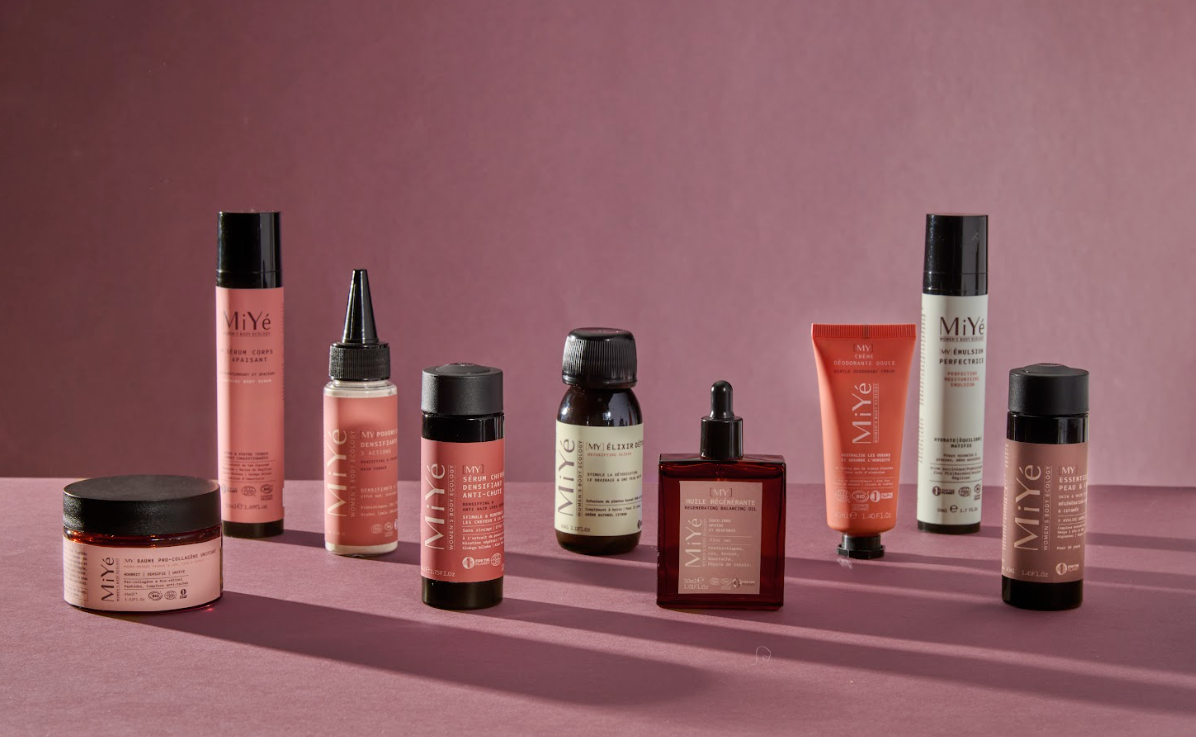
MiYé offers a selection of natural and organic products, carefully developed to help manage hair loss and restore vitality and density to your hair. Discover below some of the range's key solutions.
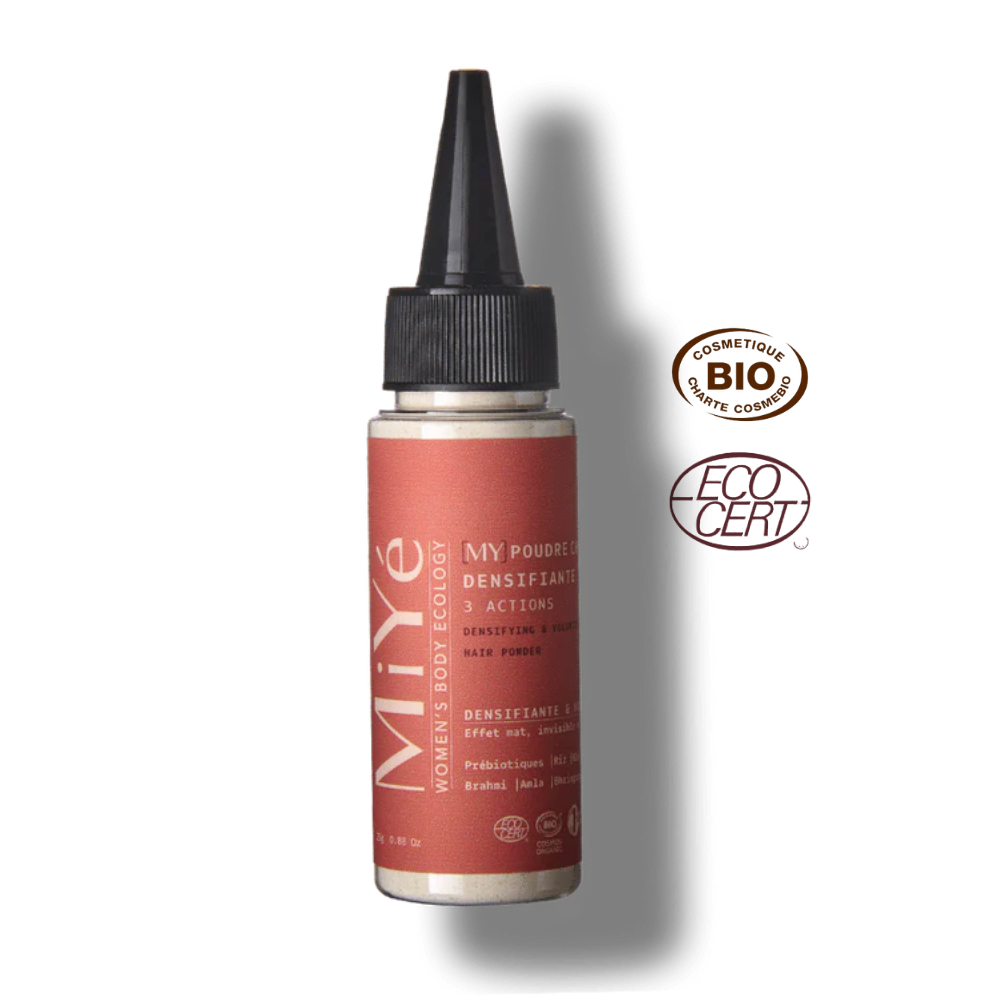
The 3-action densifying hair powder
Beyond serums, MiYé offers triple-action densifying powders: they densify, strengthen and support hair growth. Rich in plant extracts and essential nutrients, these powders integrate perfectly into your hair care routine for a targeted and reinforced action. They are particularly interesting for less full areas, contributing to a harmoniously dense head of hair.

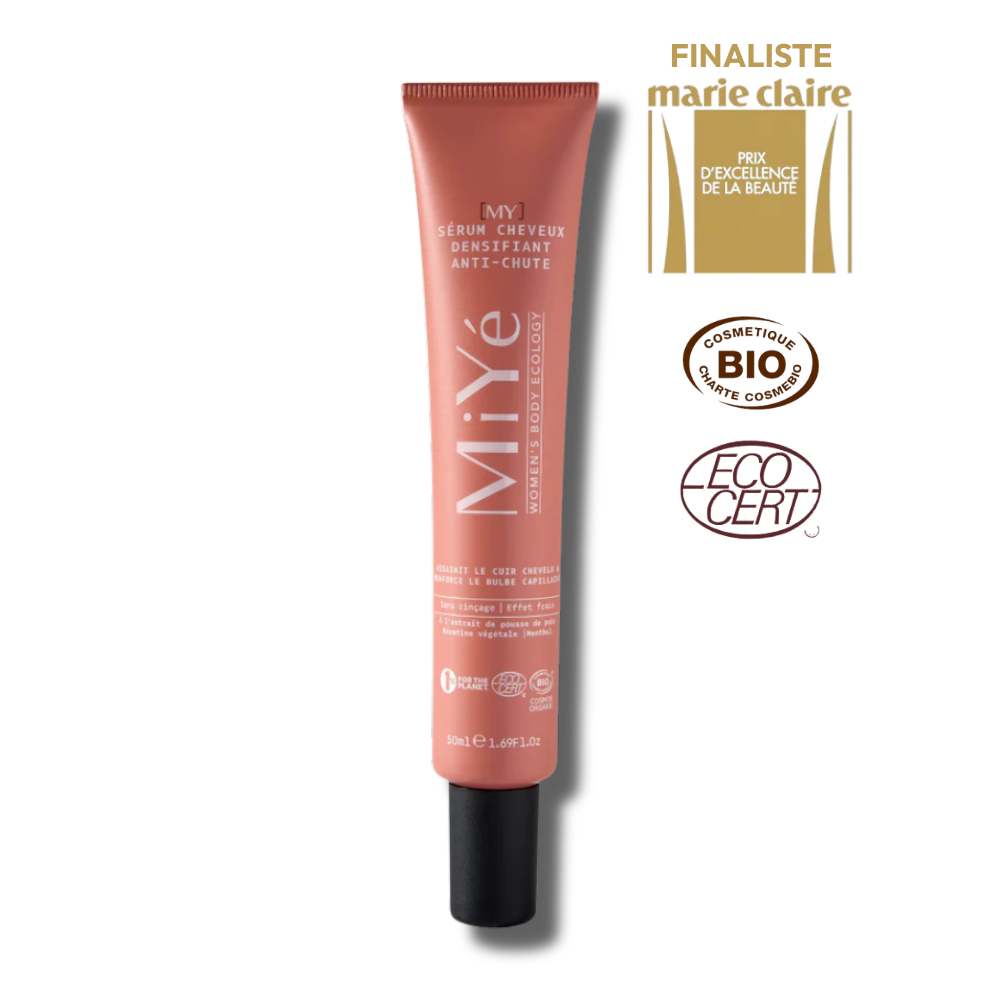
The revitalising scalp serum
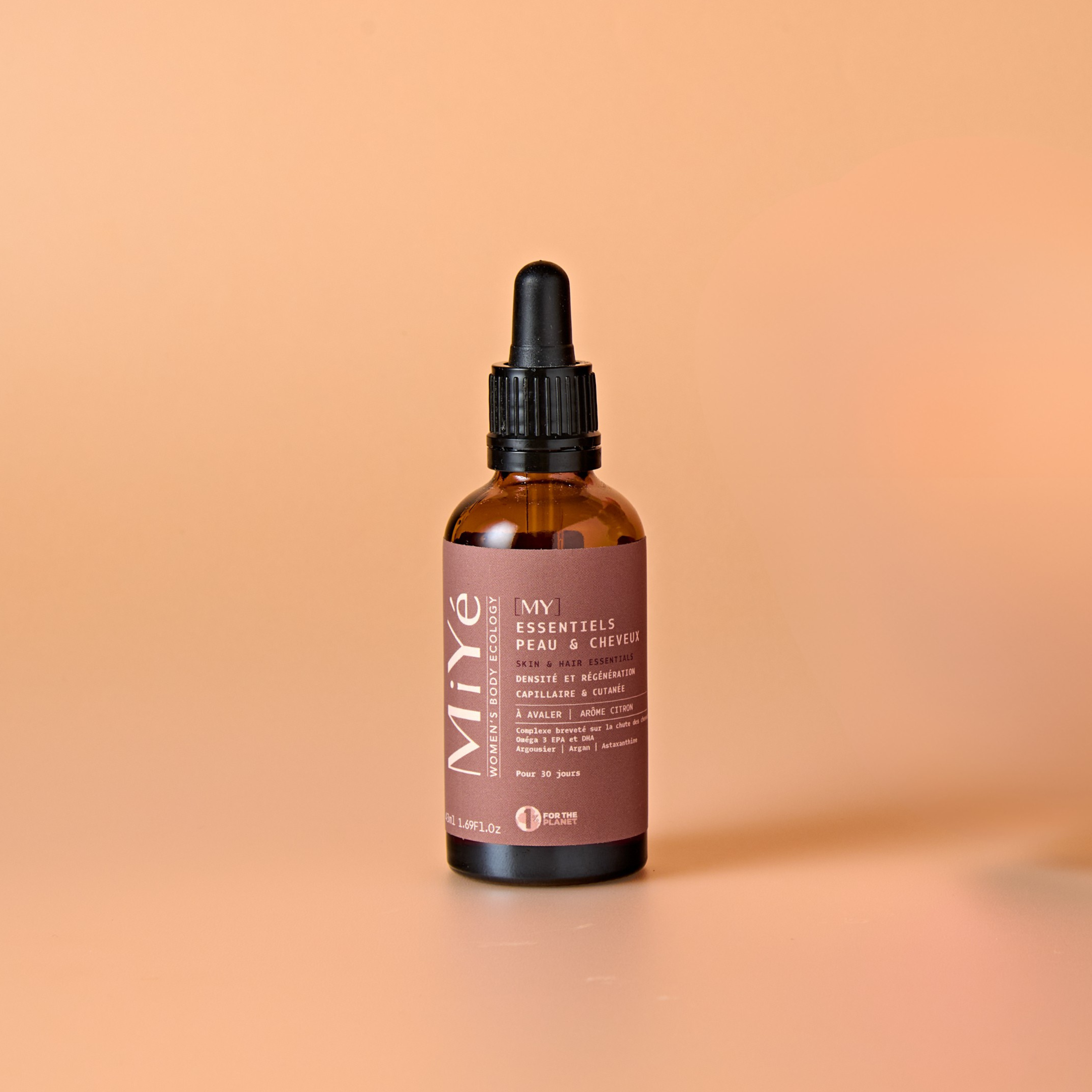
MiYé's densifying anti-loss serum, one of the brand's bestsellers, is specially developed to help manage hair loss linked to hormonal imbalances. Its lightweight, non-greasy formula contributes to supporting hair growth from the root, while strengthening hair durably. Enriched with pea shoot extract, plant keratin, spirulina, aloe vera and ginkgo biloba combined with menthol, it improves microcirculation and encourages the absorption of actives into the hair follicle.
The MiYé gentle massage brush
In addition to its hair care range, MiYé offers accessories such as its gentle massage brush, ideal for stimulating the scalp and encouraging blood circulation. Its soft, flexible bristles allow a comfortable massage without irritating, which is perfect for delicate hair or sensitive scalps. Regular use of this brush contributes to strengthening roots and supporting hair growth.
The benefits of phytohormone-free products
The MiYé range is recognised for its natural and organic composition, free from phytohormones and harmful chemical substances. This makes it suitable for all women, including those who favour an approach that respects their hormonal balance. Formulated without phytohormones, these products are particularly appreciated by women dealing with hormonal imbalances.
By choosing MiYé, you opt for a holistic and natural approach to hair and scalp care, adapted to the specific needs of women.
Key takeaways
Supporting hair loss during menopause relies on a holistic and natural approach. Understanding the causes of this loss, whether hormonal, environmental or stress-related, is fundamental. Using natural actives such as rosemary and lavender essential oils, plants such as nettle, and gentle vegetable oils such as castor oil and jojoba oil, can contribute to improving hair health and growth.
Adopting a balanced diet, rich in vitamins, minerals and proteins, is essential for hair health. Scalp massages and the use of natural products, free from phytohormones and aggressive chemical ingredients, are recommended to help manage hair loss and encourage a denser, more vibrant head of hair.
By gradually incorporating these tips into your routine, prioritising natural products, a healthy diet and regular scalp care, you can contribute to strengthening your hair and restoring its vitality and radiance.
Sources
-
Managing hair loss in midlife women:
https://pubmed.ncbi.nlm.nih.gov/23182767/ -
Diet and hair loss: effects of nutrient deficiency and supplement use:
https://pmc.ncbi.nlm.nih.gov/articles/PMC5315033/ -
Rosemary oil vs minoxidil 2% for the treatment of androgenetic alopecia:
https://pubmed.ncbi.nlm.nih.gov/25842469/

Share:
How to lower blood sugar ?
Lochia: postpartum bleeding stages explained