








After 40, metabolism can slow down due to hormonal changes, muscle mass loss and reduced physical activity, leading to fatigue and weight gain.
Strength training and regular physical activity are essential: more muscle means more calories burned, even at rest.
A diet rich in protein, fibre and complex carbohydrates helps stimulate thermogenesis, preserve muscle mass and stabilise blood sugar levels.
Sleeping 7 to 9 hours per night is essential: lack of sleep disrupts hunger hormones (leptin, ghrelin) and promotes fat storage.
Wondering how to support your metabolism after 40? You are not alone. With age, metabolism slows down, promoting weight gain through fat storage and muscle mass loss. Fortunately, there are solutions to help reactivate your metabolism and maintain your energy levels.
To achieve this, adopt a balanced diet, practice regular physical activity, manage your sleep and stress effectively, or consider a metabolic recalibration. These changes not only promote better energy expenditure, but also weight management and muscle strengthening, two key factors for an active metabolism and optimal health.
This article covers practical tips for supporting your metabolism after 40: the essential roles of exercise, nutrition, rest, and natural food supplements for metabolic support. Follow these recommendations to rediscover your vitality and quality of life.
Understanding metabolism after 40
Why does metabolism slow down with age?
With age, particularly after 40, the basal metabolic rate tends to slow down due to several important factors. Hormonal changes play a key role in this process.
For example, declining levels of hormones such as testosterone and thyroid hormones can directly affect the body's energy expenditure. Another major cause is muscle mass loss, often linked to reduced physical activity. Since muscle mass is more metabolically active than fat, it burns more calories, even at rest.
When muscle mass decreases, the body uses fewer calories, which contributes to the slowing of metabolism. Furthermore, lifestyle habits such as a sedentary lifestyle and unbalanced dietary choices can worsen this tendency.
A diet that is too restrictive, or excessively high in calories, sugars and fats, can also disrupt the basal metabolic rate and slow it down further.
The effects of a slower metabolism on health
A slower metabolism after 40 has significant effects on health. The most visible effect is often weight gain, mainly due to increased fat storage.
This weight gain can encourage long-term metabolic imbalances, such as less efficient blood sugar regulation, more difficult blood pressure management or persistent fatigue. In addition, a slower metabolism can cause a decrease in energy and chronic fatigue, impacting day-to-day quality of life.
Muscle mass loss, combined with a greater tendency to store fat, can also lead to mobility and flexibility issues, making physical activity harder to maintain.
Finally, metabolic slowdown can be exacerbated by stress. Higher levels of cortisol, the stress hormone, promote fat storage around the abdomen. This creates a cycle where stress slows metabolism, which in turn intensifies the effects of stress.
Summary of essential tips
To support your metabolism after 40, here is a summary of the key tips to follow:
- Regular physical activity: Incorporate cardio and strength training exercises into your daily routine. This includes activities such as brisk walking, jogging, cycling, as well as strength training sessions two to three times a week.
- Balanced diet: Prioritise protein-rich foods to stimulate thermogenesis and opt for complex carbohydrates rather than simple sugars. Avoid excess calories, sugars and fats.
- Sufficient sleep: Get enough sleep each night to maintain an active metabolism and manage stress better. Quality sleep has a direct impact on your energy expenditure and overall health.
- Adequate hydration: Drink enough water throughout the day to allow your body to function optimally and burn calories efficiently.
- Stress management: Take steps to limit stress, as elevated cortisol can promote fat storage and slow metabolism. Adopt a positive mindset and practise relaxing activities such as yoga or meditation.
- Natural food supplements: Consider using natural food supplements to support your metabolism. Choose them carefully and consult a healthcare professional before incorporating them into your routine.
By applying these tips regularly and consistently, you can significantly support your metabolism and maintain optimal physical and mental health after 40.
Tip #1: Increase your daily physical activity
Small changes to stay active throughout the day
Incorporating physical activity into your daily routine does not have to be complicated or time-consuming. Simple adjustments to your habits can have a considerable impact.
For example, choose to take the stairs rather than the lift, or use your work breaks to walk briskly. Simple activities such as gardening, carrying shopping bags or going for a walk after dinner can also increase your energy expenditure and keep your metabolism active.
In addition, incorporating regular movement throughout the day, such as getting up and walking during television commercials or doing light stretches while working, can contribute to a consistently active level. These small cumulative actions can significantly improve your overall physical activity and support your metabolism.
Why does daily activity matter as much as intensive exercise?
Daily physical activity, even when moderate, plays a key role in maintaining an active metabolism. Unlike intensive exercise sessions that are sporadic, regular movement throughout the day is continuous and can represent a significant portion of your total energy expenditure.
Muscle, in particular, burns more calories than fat, even at rest. By staying active throughout the day, you increase the number of calories your body uses. Regular physical activity also helps preserve muscle mass, which is essential for an efficient metabolism. With age, muscle mass loss is natural, but staying active helps limit this loss and maintain a higher resting metabolic rate.
As a result, your body will burn more calories, even when you are at rest, which is particularly beneficial for weight management and maintaining a healthy figure.

Tip #2: Prioritise strength training exercises
The importance of strength training for supporting metabolism
Strength training plays an essential role in supporting metabolism, particularly after 40. By practising strength training exercises, you build and preserve your muscle mass, a key element for maintaining high energy expenditure.
Lean muscle uses more calories than fat, even at rest. The more muscle mass you have, the higher your basal metabolic rate will be. Strength training also helps limit the natural age-related muscle mass loss known as sarcopenia. By slowing or limiting this decline, you can keep your metabolism active and avoid excessive weight gain.
Examples of suitable exercises after 40
To maximise benefits, it is important to choose exercises suited to your age and physical condition. Here are some effective and safe exercise examples for people over 40:
- Squats and lunges: These exercises target the leg and glute muscles. They are essential for maintaining strength and mobility.
- Push and pull exercises: Movements such as push-ups, pull-ups or dumbbell exercises strengthen the muscles of the chest, arms and shoulders.
- Core strengthening: Exercises such as the plank, crunches and trunk rotations improve stability and balance while strengthening the abdominal muscles.
- Arm and shoulder strengthening: Tricep extensions, bicep curls and lateral raises are ideal for maintaining strength and flexibility in the arms and shoulders.
It is recommended to start with light weights and gradually increase the load to avoid injuries.
Remember to stretch regularly to preserve your mobility and reduce the risk of muscle injuries.

Tip #3: Eat more protein
How does protein affect metabolism?
Protein plays an essential role in maintaining and supporting metabolism, particularly after 40. One of the main reasons is that protein requires more energy to digest compared to carbohydrates and fats. This process, called diet-induced thermogenesis, increases overall caloric expenditure, as your body burns more calories to process the protein you consume.
In addition, a protein-rich diet helps to preserve and increase muscle mass, which is important for an active metabolism. Muscle mass burns more calories than fat, even at rest. In other words, the more muscle you have, the higher your resting energy expenditure.
Which foods should you prioritise?
To fully benefit from the advantages of protein on your metabolism, it is important to choose high-quality protein sources. Here are some foods to include in your diet:
- Lean meats: Chicken, turkey and lean beef are excellent sources of protein.
- Fish: Fish such as salmon, tuna and trout are rich in protein and healthy fats.
- Eggs: Eggs are a complete source of protein and are packed with many essential nutrients.
- Legumes: Beans, lentils and peas are vegetarian alternatives rich in protein and fibre.
- Dairy products: Milk, cheese and yogurt provide high-quality protein as well as important nutrients such as calcium.
- Plant proteins: Soy protein, chia seeds and flaxseeds are ideal for vegetarian and vegan diets, offering both protein and fibre.
To optimise your metabolism, make sure to distribute your protein intake evenly throughout the day. Including protein in every meal is an excellent way to maintain optimal metabolic tone.

Tip #4: Get enough sleep to support your metabolism
The link between sleep and metabolism
Sleep plays an essential role in maintaining a healthy metabolism, particularly after 40. Insufficient sleep can disrupt the hormones that regulate hunger, such as ghrelin and leptin.
Ghrelin, which stimulates appetite, is produced in excess when sleep is insufficient. Conversely, leptin, which controls satiety, decreases. This hormonal imbalance can cause an increase in appetite and a preference for calorie-rich foods, thereby promoting weight gain and a slower metabolism. In addition, insufficient sleep can lead to a rise in cortisol, the stress hormone, which negatively impacts metabolism.
Persistently elevated cortisol levels can reduce glucose tolerance and decrease insulin sensitivity, thereby encouraging long-term metabolic imbalances, such as insulin resistance or progressive weight gain.
Tips for improving sleep quality
To improve your sleep quality and support your metabolism, here are some practical recommendations:
- Establish a regular sleep routine: Go to bed and wake up at fixed times each day, including weekends, to stabilise your biological clock.
- Make sure you get enough sleep: Try to sleep between 7 and 9 hours per night. This is important for maintaining an active metabolism and avoiding hormonal disruptions.
- Create a sleep-friendly environment: Your bedroom should be dark, quiet and at a comfortable temperature. Use blackout curtains, earplugs or a white noise machine if necessary.
- Avoid stimulants before bedtime: Reduce your consumption of coffee, tea and alcohol in the late afternoon and evening. Also limit the use of screens (phones, computers, televisions) at least one hour before sleeping.
- Practise relaxation techniques: Meditation, deep breathing exercises and yoga can reduce stress and improve your sleep.
By applying these tips, you can significantly improve your sleep, which will have a direct and positive impact on your metabolism and overall health.

Tip #5: Eat thermogenic foods
Foods that support fat burning
Certain foods, known as thermogenic foods, have the ability to support metabolism and encourage fat burning. They increase heat production in the body by accelerating the processes of digestion, absorption and nutrient metabolism, resulting in increased caloric expenditure.
Here are some examples of thermogenic foods to incorporate into your diet:
- Green tea: Rich in catechins, it helps support metabolism and encourage fat burning.
- Chilli peppers: The capsaicin they contain stimulates thermogenesis and increases energy expenditure.
- Ginger: Known for its thermogenic properties and its many health benefits.
- Protein: It has a high thermal effect, requiring more energy to digest compared to carbohydrates and fats.
- Coffee: Caffeine acts as a natural stimulant, promoting thermogenesis and energy expenditure.
- Coconut and MCT oils: These fats have a strong thermal effect and can be used in cooking or as a supplement.
- Cinnamon and spices: Gentle but effective, they support metabolism while adding flavour.
How to incorporate them into your diet?
To benefit from the advantages of thermogenic foods, it is essential to incorporate them in a balanced and varied way into your daily diet. Here are some practical tips:
- Drink green tea: Start your day with a cup of green tea or drink it throughout the day.
- Add chilli peppers: Incorporate them into your sauces, marinades or directly into your dishes.
- Use ginger: Add it to drinks such as tea or smoothies, or use it in cooking.
- Include protein at every meal: Make sure to have a protein source to maintain a constant thermogenic effect.
- Consume coffee in moderation: One to two cups per day is enough to support your metabolism without unwanted effects.
- Use coconut and MCT oils: Add them to your smoothies, salads or use them for cooking.
- Add spices to your meals: Incorporate cinnamon and other spices into your desserts, hot drinks or main dishes.
By regularly incorporating these thermogenic foods, you can support an active metabolism and encourage fat burning in a natural and effective way.

Tip #6: Drink enough water
The impact of hydration on metabolism
Hydration plays an essential role in maintaining an active metabolism. Water is indispensable to many metabolic processes, such as digestion, absorption and elimination of nutrients. Good hydration supports the optimal functioning of enzymes involved in cellular metabolism, which accelerates chemical reactions and promotes calorie burning.
In addition, drinking enough water can stimulate the basal metabolic rate. According to some studies, increased water consumption can raise the basal metabolic rate by approximately 3%. This means your body will burn more calories, even when at rest. Regular hydration also helps regulate body temperature, an essential element for the smooth running of metabolic processes.
Perspiration, essential for cooling the body after physical activity or heat exposure, requires adequate hydration to compensate for water losses. Do not underestimate the importance of drinking enough to maintain this balance.
How much water should you drink each day?
The amount of water needed each day depends on several factors, including age, sex, level of physical activity and climate. However, a general guideline is to consume approximately 2 litres of fluids per day for a healthy adult.
This quantity includes not only pure water, but also fluids from food and other drinks. It is advisable to drink water at different times of the day, for example upon waking to support metabolism and encourage natural elimination functions. Drinking water before and after meals, as well as before and after physical activity, also helps maintain optimal hydration and support metabolic processes.
In summary, sufficient hydration is essential for an active metabolism and optimal overall health. Make it a habit to drink water throughout the day to benefit from its many advantages.

Tip #7: Natural food supplements
Natural food supplements can be a valuable tool for supporting your metabolism, especially when combined with a balanced diet and regular physical activity. Here are some of the most relevant supplements for accompanying metabolism and supporting weight management:
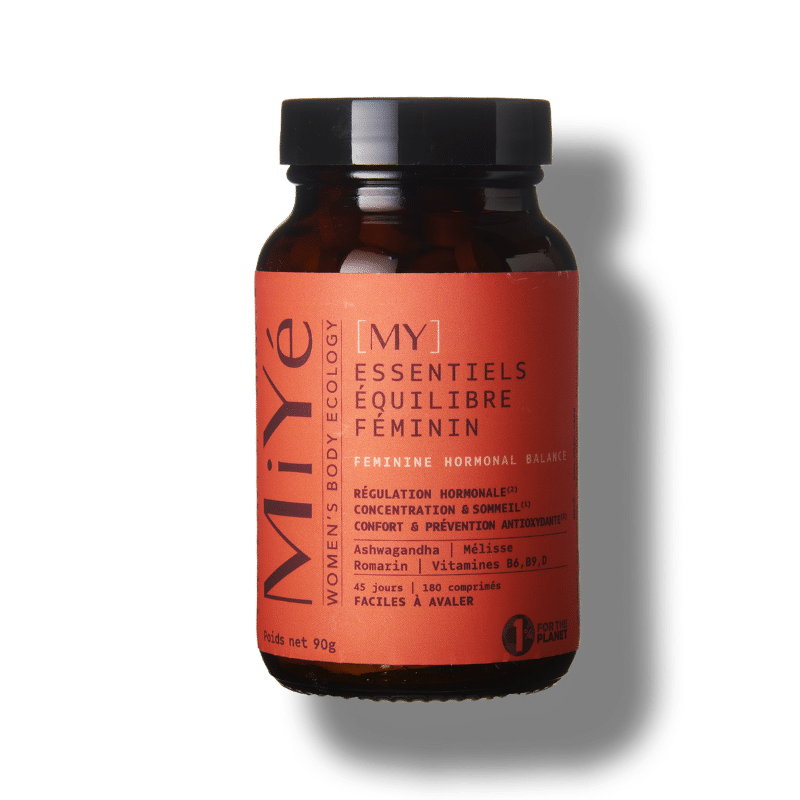
[MY] ESSENTIELS ÉQUILIBRE FÉMININ

[MY] ESSENTIELS ÉQUILIBRE FÉMININ
This supplement acts indirectly on metabolism by supporting hormonal imbalances and the discomforts that can slow it down. Here are the mechanisms:
- Adaptogenic plants (such as ashwagandha): help the body manage stress better (cortisol), avoiding energy spikes or drops that can disrupt appetite or basal metabolic rate.
- Fatigue reduction: by supporting sleep and stress management, the body has more energy available, which promotes better natural energy expenditure.
- Digestive support: certain ingredients (rosemary, desmodium, nettle…) support the liver and digestive functions, facilitating nutrient assimilation, essential for a healthy metabolism.
- Effect on mental clarity: by helping to reduce brain fog and anxiety, it becomes easier to adopt behaviours that support metabolism (better nutrition, more physical activity, etc.).
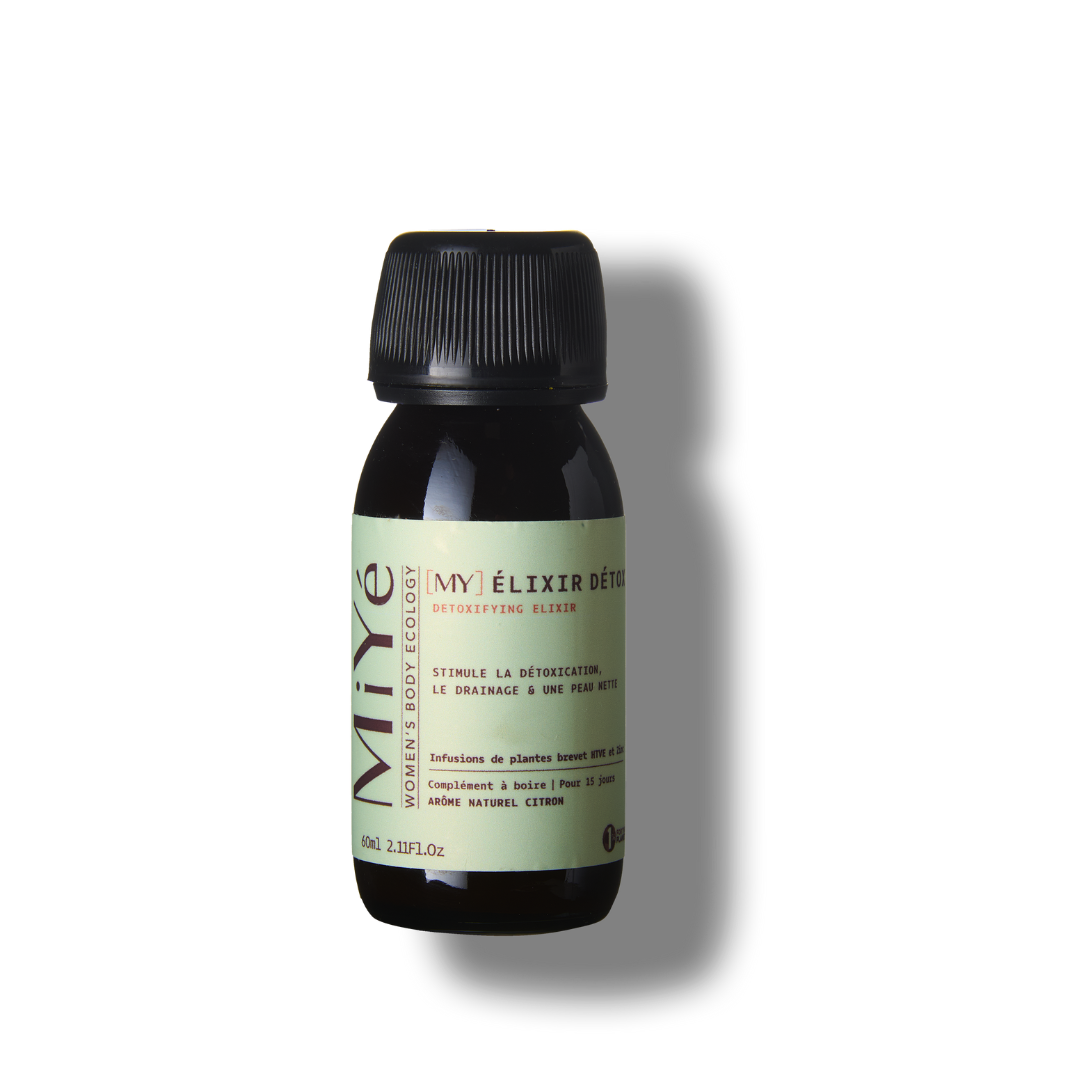
[MY] ÉLIXIR DETOX
![[MY] Élixir Detox MiYé](https://cdn.shopify.com/s/files/1/0917/2415/3212/files/detox_2f63f4ca-1969-49ae-b197-6adc537a5981.png?v=1756208266)
This product has a more direct action on metabolism, via liver support and hormonal balance:
- Liver function support and drainage (rosemary, desmodium, pilosella, burdock): these plants contribute to the natural functioning of the liver and support hormonal balance, thereby promoting optimal metabolic function.
- Ashwagandha: as an adaptogen, it helps regulate cortisol, which contributes to limiting abdominal fat storage often associated with stress.
- Vitamins B9, B12 and D: these vitamins play a key role in cellular energy production and in the conversion of food into energy.
- Digestive comfort and lightness: by supporting digestive comfort and the body's natural elimination functions, the body can better channel its resources towards metabolic functions.
Food supplements are not a substitute for a varied, balanced diet and a healthy lifestyle. Before starting to take food supplements, it is strongly recommended to consult a healthcare professional to determine which supplements are best suited to your needs.
Key takeaways on metabolism after 40.
In summary, supporting your metabolism after 40 requires both a holistic and sustainable approach. It is essential to combine a balanced diet, rich in protein, fibre and healthy fats, with regular physical activity including strength training and cardio exercises.
Do not overlook the importance of good hydration, restorative sleep and effective stress management, which play a key role in maintaining an active metabolism.
In addition, incorporate thermogenic foods and natural food supplements to support your energy expenditure. By following these recommendations, you can take care of your metabolism and improve your daily energy levels in a progressive and lasting way.
The main scientific studies supporting these recommendations are available in the Sources section at the end of this article. Key points include:
- A study published in Science (Pontzer H. et al., 2021, over 6,600 participants) showed that energy expenditure remains stable between the ages of 20 and 60, then gradually decreases after 60.
- Between 40 and 66 years of age, body weight increases on average by 0.3 to 0.5 kg per year, notably due to muscle loss and hormonal changes. https://pmc.ncbi.nlm.nih.gov/articles/PMC9374375/
- Regular endurance exercise preserves total energy expenditure and helps limit the age-related metabolic slowdown.
FAQ
Why does metabolism slow down after 40?
Metabolism slows down after 40 mainly due to several key factors. Hormonal changes, particularly those linked to menopause or other hormonal imbalances, play a significant role.
In addition, muscle mass loss and a decrease in physical activity accentuate this slowdown. Less muscle means the body burns fewer calories, even at rest.
What is the impact of muscle mass loss on metabolism after 40?
Muscle mass loss after 40, known as sarcopenia, considerably reduces resting energy expenditure. Muscles use more calories than adipose tissue, which explains this effect. This muscle loss accentuates the metabolic slowdown, thereby encouraging weight gain and impacting overall metabolic health.
How can physical activity, including strength training and cardio, help support metabolism?
Physical activity, particularly strength training and cardio, contributes to supporting metabolism in several ways. Strength training promotes muscle building, which increases the basal metabolic rate in the long term, as muscles require more energy to be maintained.
Aerobic exercises, such as running, swimming or cycling, immediately increase caloric expenditure and improve the efficiency of fat mobilisation. HIIT (high-intensity interval training) sessions maximise energy expenditure in a reduced time, promoting a more active metabolism.
How important are sleep and stress management in regulating metabolism after 40?
Sleep and stress management play an important role in regulating metabolism after 40. 7 to 9 hours of sleep per night is essential for maintaining a healthy metabolism. It helps regulate hunger hormones, such as leptin and ghrelin, and limits weight gain.
Stress management is equally important. Elevated cortisol levels disrupt sleep cycles and slow metabolism. To address these effects, it is recommended to adopt healthy sleep habits and stress management techniques, such as avoiding screens before bed or establishing a relaxation routine.
Sources
-
Pontzer H. et al. (2021) — Daily energy expenditure through the human life course. Science:
https://pubmed.ncbi.nlm.nih.gov/34385400/ -
Speakman J.R., Selman C. (2003), Physical activity and resting metabolic rate. Proceedings of the Nutrition Society:
https://pubmed.ncbi.nlm.nih.gov/14692598/ -
Boschmann M. et al. (2003), Water-induced thermogenesis. Journal of Clinical Endocrinology & Metabolism:
https://pubmed.ncbi.nlm.nih.gov/14671205/ -
Taheri S. et al. (2004), Short sleep duration is associated with reduced leptin, elevated ghrelin. PLOS Medicine:
https://pubmed.ncbi.nlm.nih.gov/15602591/ -
ANSES (2021), Nutritional references for protein:
https://www.anses.fr/fr/content/les-références-nutritionnelles-en-vitamines-et-minéraux

Share:
Build your weekly meal plan to reset your metabolism
How to calculate your basal metabolic rate? Definition and methods