





GLYCINE SOYBEAN OIL
Glycine soybean oil, more commonly called soybean oil, is a vegetable oil extracted from soybean seeds (Glycine max). Used in the cosmetic, food and pharmaceutical industries, this oil is rich in essential fatty acids, vitamin E and antioxidant compounds. Soya glycine oil is renowned for its moisturizing, protective and nourishing properties for skin and hair.

GLYCINE SOYBEAN OIL
SOOTHES ⎪ PROTECTS ⎪ EXFOLIATES⎪ HYDRATES
What is glycine soybean oil?
Soybean glycine oil, more commonly called soybean oil, is a vegetable oil extracted from soybean seeds (Glycine max). Used in the cosmetic, food and pharmaceutical industries, this oil is rich in essential fatty acids, vitamin E and antioxidant compounds. Soya glycine oil is renowned for its moisturizing, protective and nourishing properties for skin and hair. Thanks to its light, non-greasy texture, it penetrates quickly without leaving a greasy film, making it an ideal ingredient for various types of care and beauty products.
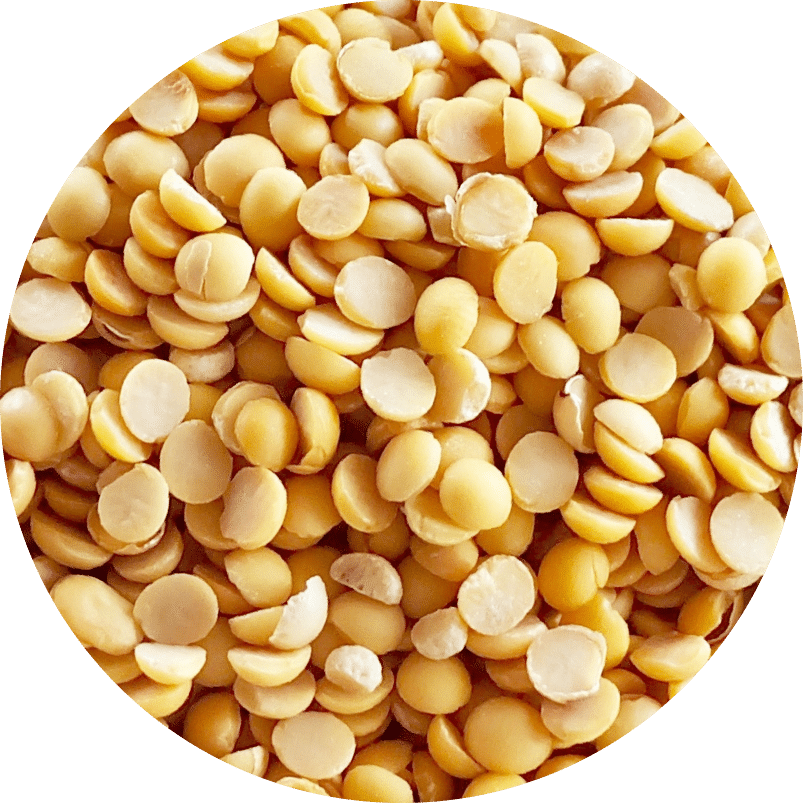
Glycine soya is another name for soy, and not to be confused with the amino acid “glycine”. Soy is native to East Asia and grown in many parts of the world. The seeds are mainly used in cosmetics in the form of oil, extract and sterols. Soy extract comes as a light to medium yellow liquid. Soy contains a significant amount of protein, genistein, isoflavone, phytoestrogens, essential amino acids, essential fatty acids, lecithin, vitamins and minerals and especially vitamin E.
When Glycine Soya Oil is used in any skin care formulation, the antioxidant effect leads to the neutralization of free radicals present in the environment. Soybean extract, when applied to the skin, loosens dead skin cells. Thus, it exfoliates dead skin cells and makes the skin look new, even and supple.
It has an anti-inflammatory effect on the skin, so it is beneficial for red, inflamed and sensitive skin. Glycine Soya sterols are alcohols of plant origin present in soy, as previously mentioned called phytosterols, which have a beneficial effect on, particularly dry skin. As they form a layer on the skin in such a way that does not allow moisture to evaporate and thus preserves the inherent moisture.
Rich in antioxidant vitamin E, it also fights against oxidative effects on the skin. Fluid, penetrating and very gentle oil, it is neutral on the skin but very nourishing.
ITS PROPERTIES:
- Emollient: Softens and softens the skin
- Skin care agent
- Antioxidant agent
- Anti-inflammatory agent
- Perfuming agent
Where does glycine soybean oil come from?
Soybean glycine oil comes from soybean seeds, a legume native to Asia, now cultivated in many countries. The extraction process begins with pressing the seeds, often followed by cold extraction to preserve the nutrients and benefits of the oil. Soybean glycine oil is widely available thanks to the massive cultivation of soybeans in regions such as the United States, Brazil and China. It is often used as a basic ingredient in cosmetics, in particular because of its richness in unsaturated fatty acids and vitamin E.
Properties and active ingredients
Glycine soybean oil contains several active components beneficial for skin and hair, particularly essential fatty acids and antioxidants. Here are its main characteristics and actions:
- Unsaturated fatty acids : Rich in omega-6 (linoleic acid) and omega-3 fatty acids, soy glycine oil helps to deeply nourish and hydrate, strengthening the skin barrier.
- Vitamin E : The oil is naturally rich in tocopherols, a form of vitamin E, which acts as an antioxidant to protect the skin from free radicals and signs of aging.
- Lecithin : This emollient and moisturizing component helps maintain the elasticity and suppleness of the skin, while strengthening the lipid barrier.
- Isoflavones : The isoflavones found in soybean glycine oil have antioxidant and soothing effects, making it a suitable choice for sensitive or irritated skin.
- Light, non-comedogenic texture : Its light texture allows rapid absorption, without clogging pores, making it suitable for combination and oily skin.
What are the benefits of soybean glycine oil?
Soybean glycine oil offers many benefits for skin, hair and even general health when used in cooking. Here are the main benefits of this versatile oil:
- Hydration and protection of the skin : Thanks to its essential fatty acid content, soy glycine oil helps to deeply hydrate the skin and prevent moisture loss, leaving the skin soft and supple.
- Antioxidant properties : Vitamin E and isoflavones present in the oil help protect the skin from free radicals, reducing the signs of premature aging and improving the skin's natural glow.
- Soothing of irritations and inflammations : Thanks to its soothing components, soy glycine oil is beneficial for sensitive and redness-prone skin, calming irritation and helping to reduce inflammation.
- Nourishing for hair : Applied to hair, glycine soya oil strengthens and softens dry, brittle hair, while improving shine and reducing frizz.
- Lipid barrier support : By strengthening the skin barrier, this oil helps protect the skin against external aggressions, such as pollution and climate, while preventing dehydration.
Its benefits:
- Protects and soothes sensitive skin
- Provides hydration and firmness
- Has antioxidant and anti-inflammatory effects
How to consume soybean glycine oil?
Glycine soybean oil is used in various cosmetic, personal care and cooking products. Here are the main ways to integrate it into a skincare routine or use it in food:
- Cosmetics and skin care : In cosmetics, soybean glycine oil is commonly used in creams, serums and moisturizing lotions for its emollient and protective properties. It can be applied directly to the skin or mixed with a cream for a nourishing and hydrating treatment.
- Hair care : In hair care, soybean glycine oil is often added to shampoos, conditioners and hair masks for its nourishing benefits. It can also be applied as a serum to the ends to reduce frizz and add shine.
- Food : Used as cooking oil or in salad dressings, soy glycine oil provides essential fatty acids beneficial for cardiovascular health. It is often recommended for cooking over medium heat, as it remains stable under heat.
Note : It is recommended to use cold-pressed, unrefined soybean glycine oil to benefit from its natural benefits. For very sensitive skin, it is preferable to do a skin test before the first application to check tolerance.
Any side effects?
Glycine soybean oil is generally well tolerated, but certain side effects may occur, particularly in cases of sensitivity or allergy to soy:
- Allergic reactions : People with soy allergies should avoid using this oil, as it may cause allergic skin or digestive reactions, such as itching, redness, or abdominal pain.
- Cosmetic acne : Although non-comedogenic for most skin types, excessive application of glycine soybean oil can cause breakouts in some people. It is recommended to use it in small quantities to avoid this effect.
- Food sensitivity : When used in cooking, some people may be sensitive to the phytoestrogens found in soybean oil, although this sensitivity is usually minimal. Those who suffer from hormonal imbalances may choose an alternative oil.
- Photosensitizing effect : Although rare, some people may develop photosensitivity when using glycine soybean oil. It is best to apply this oil in the evening if you plan on prolonged exposure to the sun.
Sources
The benefits of soybean glycine oil are well documented in cosmetic and nutritional research. Numerous studies confirm its effectiveness as a moisturizer, antioxidant and protective agent for skin and hair. Components of the oil, such as fatty acids and vitamin E, are known for their role in hydrating and protecting the skin against aging. It is approved by health authorities for safe use in cosmetics and food.