



LAURYL GLUCOSIDE
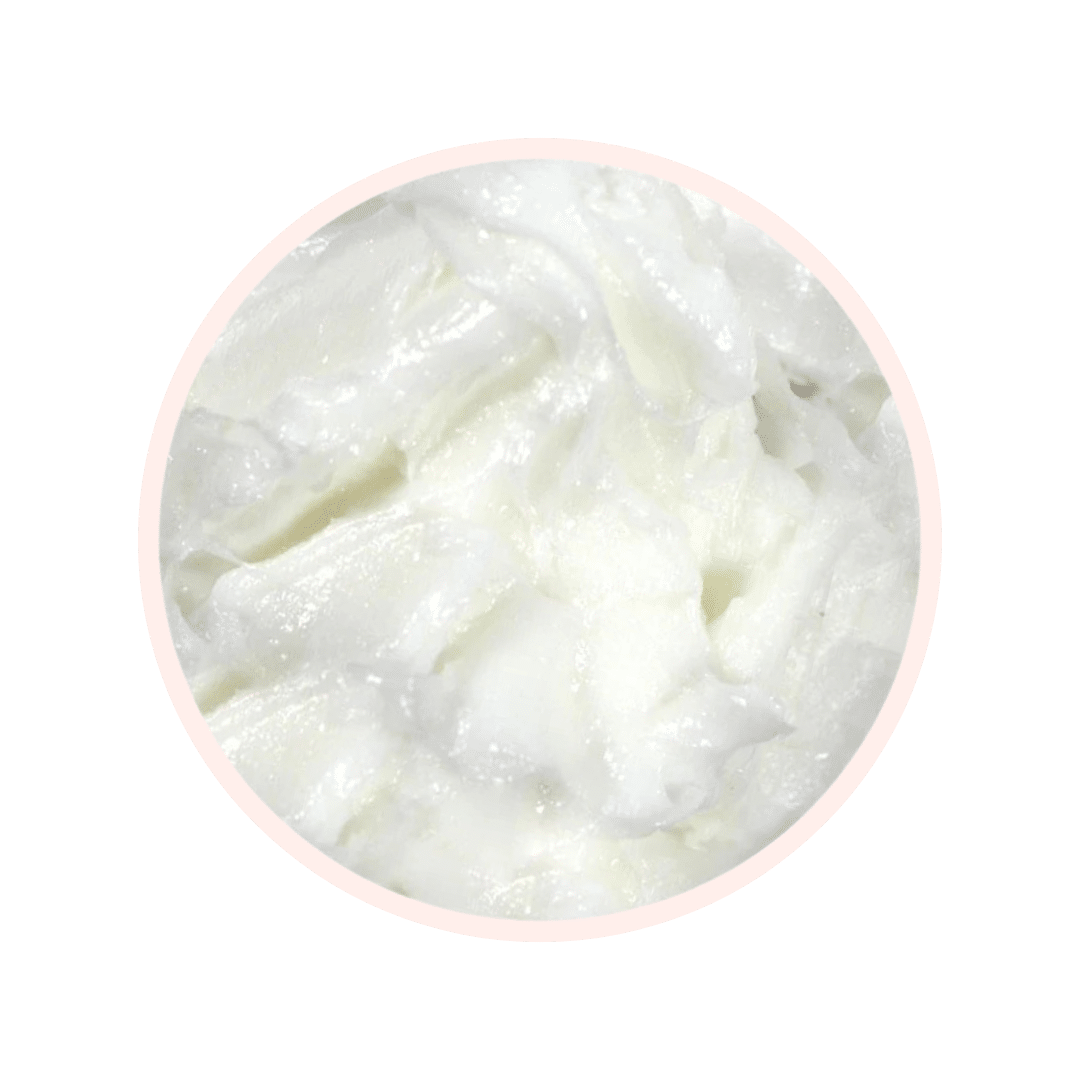
Lauryl glucoside is a mild surfactant of natural origin, made from glucose (sugar) and fatty alcohol derived from coconut oil or palm oil. As a non-ionic surfactant, it is used in cosmetic and hygiene products for its foaming and cleansing properties.

LAURYL GLUCOSIDE
EXCIPIENT ⎪ SURFACTANT
What is lauryl glucoside?
Lauryl glucoside is a mild surfactant of natural origin, made from glucose (sugar) and fatty alcohol derived fromcoconut oil or palm oil. As nonionic surfactant, it is used in cosmetic and hygiene products for its foaming and cleansing properties. Lauryl glucoside is valued for its gentleness, making it suitable for sensitive skin and children's care products. It is also biodegradable and non-irritating, thus respecting the skin's balance while offering an environmentally friendly alternative to synthetic surfactants.
It contributes to the uniform distribution soothing intimate mist when using it.
Where does lauryl glucoside come from?
Lauryl glucoside is produced by a condensation process between glucose, derived from plant sources such as corn, and fatty alcohols, usually from coconut or palm oil. This manufacturing process makes it a surfactant of natural origin, used mainly in care products for its gentle and skin-friendly properties. Thanks to its natural origin and biodegradability, lauryl glucoside is also popular in ecological formulas and eco-responsible skincare products.
Properties and active ingredients
Lauryl glucoside is appreciated for its cleansing and foaming properties, as well as its high skin tolerance. Here are the main properties of this natural surfactant:
- Softness for the skin : Lauryl glucoside is one of the mildest surfactants, making it suitable for sensitive skin, children and people with skin reactions.
- Foaming properties : Although it produces a lighter foam than synthetic surfactants, lauryl glucoside helps create a soft, pleasant foam, ideal for cleaning products.
- Gentle cleaning : This surfactant cleans effectively without attacking the skin's hydrolipidic film, thus preserving its hydration and balance.
- Biodegradability : Lauryl glucoside is a biodegradable component, which decomposes naturally without polluting the environment, making it suitable for ecological formulas.
What are the benefits of lauryl glucoside?
Lauryl glucoside is widely used for its benefits in cosmetics, particularly in gentle cleansing products for skin and hair. Here are the main benefits of this natural surfactant:
- Respect for skin balance : By cleansing the skin without dehydrating or irritating it, lauryl glucoside is suitable for sensitive skin and delicate scalps, helping to maintain natural hydration.
- High tolerance : Its softness makes it a preferred choice for products intended for children and sensitive skin, limiting the risk of irritation, redness or itching.
- Natural and ecological alternative : As a naturally occurring and biodegradable surfactant, lauryl glucoside offers an environmentally friendly alternative to synthetic surfactants and sulfates, which are often more aggressive.
- Versatility of use : Thanks to its compatibility with other surfactants, lauryl glucoside is used in a wide range of products, such as shower gels, shampoos, facial cleansers and baby lotions.
How is lauryl glucoside used?
Lauryl glucoside is included in various care and hygiene products because of its gentleness and its cleansing capacity. Here are its main uses:
- Shower gels and facial cleansers : Used in body and facial cleansers, lauryl glucoside cleanses without irritating or drying the skin, leaving it feeling softly clean.
- Mild shampoos : Due to its gentle effect on the scalp, lauryl glucoside is a preferred ingredient in shampoos for children, for colored hair or for sensitive scalps.
- Baby care products : Being non-irritating, it is commonly found in baby hygiene products, such as body washes and shampoos.
- Ecological and biodegradable products : Lauryl glucoside is often used in cosmetic and care products for its biodegradability and low environmental impact, making it suitable for natural and eco-responsible ranges.
Note : Lauryl glucoside may produce a lighter foam than some other surfactants. It is therefore often combined with other natural surfactants to improve the foaming texture without losing its softness.
Any side effects?
Lauryl glucoside is generally well tolerated, but certain adverse effects may occur, particularly with excessive use or in combination with more powerful surfactants:
- Mild skin irritations : In very rare cases, some people may experience mild irritation if their skin is extremely sensitive. This remains uncommon, because lauryl glucoside is one of the mildest surfactants.
- Compatibility with other surfactants : Although gentle, lauryl glucoside can reduce the tolerance of certain products when combined with more aggressive surfactants, which can cause irritation in very reactive skin.
- Allergies : Although rare, an allergy to lauryl glucoside is possible. If in doubt, it is advisable to do a skin test before using a product containing this ingredient.