





ROSEMARY
Supports the purification functions of the liver, the central organ of hormonal detoxification.

ROSEMARY: Support your liver health naturally
RELAXES ⎪ RELIEVES ⎪ DETOXIFIES
What is Rosemary?
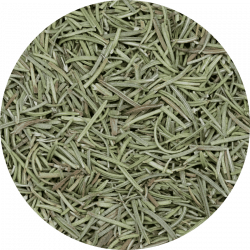
Rosemary (Rosmarinus officinalis) is a Mediterranean aromatic plant, widely used in cooking, traditional medicine, and cosmetics for its multiple benefits. Rich in antioxidants, phenolic acids, flavonoids and essential oils, rosemary is known for its stimulating, purifying and toning properties. It is often used as an extract, essential oil, or hydrosol to strengthen skin, condition hair, and support overall health. In cosmetics, it is particularly appreciated for its purifying, antioxidant and balancing effects, well suited to oily or blemish-prone skin.
Rosemary is a traditional adaptogenic plant that is a real Swiss army knife for our health.
It is one of the most powerful natural antioxidants to combat oxidative stress. This is also a plant on which we have a lot of experience and publications. Particularly powerful antioxidant, it also helps to stimulate digestion, relieve bloating and digestive cramps, and tone and detoxify the liver.
We chose it for its very marked synergies with lemon balm, of which they share the same active ingredient (rosmarinic acid). Additionally, rosemary is known for its ability to tone the body and support the liver, which plays a central role in hormonal regulation. As an emunctory organ, the liver helps the body break down and eliminate estrogens in particular.
Where does Rosemary come from?
Native to the Mediterranean region, rosemary grows naturally in sunny areas and on well-drained soil. For centuries, it has been used in the medicinal and ritual practices of Mediterranean cultures for its therapeutic properties. Today, it is grown in many parts of the world for its uses in cooking and herbal medicine. Rosemary essential oil is obtained by distillation of the leaves and flowers, and the extract is often used in cosmetics for its antioxidant and purifying properties. Rosemary has become a key ingredient in skin and hair care, particularly for its revitalizing and balancing effects.
Properties and active ingredients
Rosemary has several beneficial properties for skin, hair and general well-being. Here are its main characteristics and actions:
- Powerful antioxidant : Rosemary is rich in rosmarinic acid and carnosic acid, antioxidants that protect the skin from free radicals and prevent premature aging.
- Purifying and astringent properties : It helps regulate sebum production and purify pores, which is particularly beneficial for oily and acne-prone skin.
- Stimulation of blood circulation : Rosemary essential oil is known to improve circulation, which helps stimulate the scalp and promote hair growth.
- Toning and revitalizing effect : Rosemary has a tonic effect that restores shine to dull hair and firmness to the skin.
- Anti-inflammatory and soothing properties : Thanks to its active compounds, rosemary helps reduce inflammation and redness, thus soothing irritated skin and scalp.
What are the benefits of rosemary?
Rosemary offers many benefits for the skin, hair and general well-being, particularly for its purifying, stimulating and antioxidant effects. Here are the main benefits of this versatile ingredient:
- Protection against premature aging : Thanks to its antioxidants, rosemary helps fight the signs of aging by protecting the skin from oxidative damage caused by free radicals.
- Balancing oily and acne-prone skin : Its astringent and purifying properties help regulate sebum and reduce the appearance of pores, thus contributing to clearer and balanced skin.
- Stimulation of hair growth : By improving blood circulation in the scalp, rosemary promotes hair growth, makes it stronger and helps prevent hair loss.
- Soothing of irritated scalps : Rosemary helps calm itchy and soothe sensitive or irritated scalps, improving hair health.
- Revitalization of skin and hair : With its toning effect, rosemary brings radiance and vitality to dull skin and tired hair, making it firmer and more radiant.
ITS BENEFITS:
- Facilitates digestion
- Relieves bloating and digestive cramps
- Reduces stress
A very beneficial plant for our body at all levels!
Rosemary at the heart of Miyé products
[MY] FEMININE BALANCE ESSENTIALS
- Mental and physical well-being
- Digestive comfort
- Hormonal regulation
[MY] DETOX ELIXIR
- Stimulates detoxification and drainage of the body
- Fight against hormonal imperfections
- Contributes to good estrogen metabolism
- Promotes a flatter stomach
How to consume Rosemary?
Rosemary can be used in the form of essential oil, extract, hydrosol or dry herbs for topical application, diffusion or moderate ingestion. Here are the main ways to benefit from this ingredient:
- Skin care : Rosemary extract or essential oil is often included in creams, serums, and lotions for oily or blemished skin, in order to purify the skin and protect it from free radicals.
- Hair care : In shampoos and hair lotions, rosemary is used to strengthen hair, stimulate circulation to the scalp and promote growth.
- Aromatherapy and relaxation : When diffused, rosemary essential oil is known for its energizing and stimulating effects, helping to reduce mental fatigue and improve concentration.
- Infusions and food supplements : Rosemary can be consumed as a herbal tea for its antioxidant and digestive effects, and it is found in certain food supplements to strengthen the immune system and improve digestion.
Note : Rosemary essential oil is powerful and should always be diluted before applying to the skin. It is not recommended for pregnant, breastfeeding women and young children. For internal use, it is recommended to consult a healthcare professional.
Any side effects?
Rosemary is generally well tolerated, but certain adverse effects may occur, particularly in cases of sensitivity or misuse:
- Skin irritations : Rosemary essential oil may cause irritation if applied pure to the skin. It must always be diluted in vegetable oil.
- Allergic reactions : Although rare, allergic reactions may occur, resulting in redness, itching or rash. In the event of a reaction, it is advisable to stop use and consult a healthcare professional.
- Sensitivity to smell : Rosemary has a strong scent that can be irritating to some people. In the event of prolonged diffusion, it is advisable to ventilate the space regularly.
- Contraindications for certain health conditions : Rosemary, in particular its essential oil, is not recommended for people suffering from epileptic disorders or hypertension.
- Potential photosensitivity : Although less common, it is recommended not to expose yourself directly to the sun after applying rosemary to the skin to avoid possible photosensitivity.
Sources
The benefits of rosemary are well documented in research in herbal medicine, aromatherapy and cosmetics. This ingredient is known for its antioxidant, purifying and stimulating properties, helping to improve the health of skin, hair and mental well-being. Numerous studies confirm its effectiveness in balancing oily skin, revitalizing hair and protecting against premature skin aging. Rosemary is approved for cosmetic and aromatherapeutic use, although precautions are recommended for its use.