





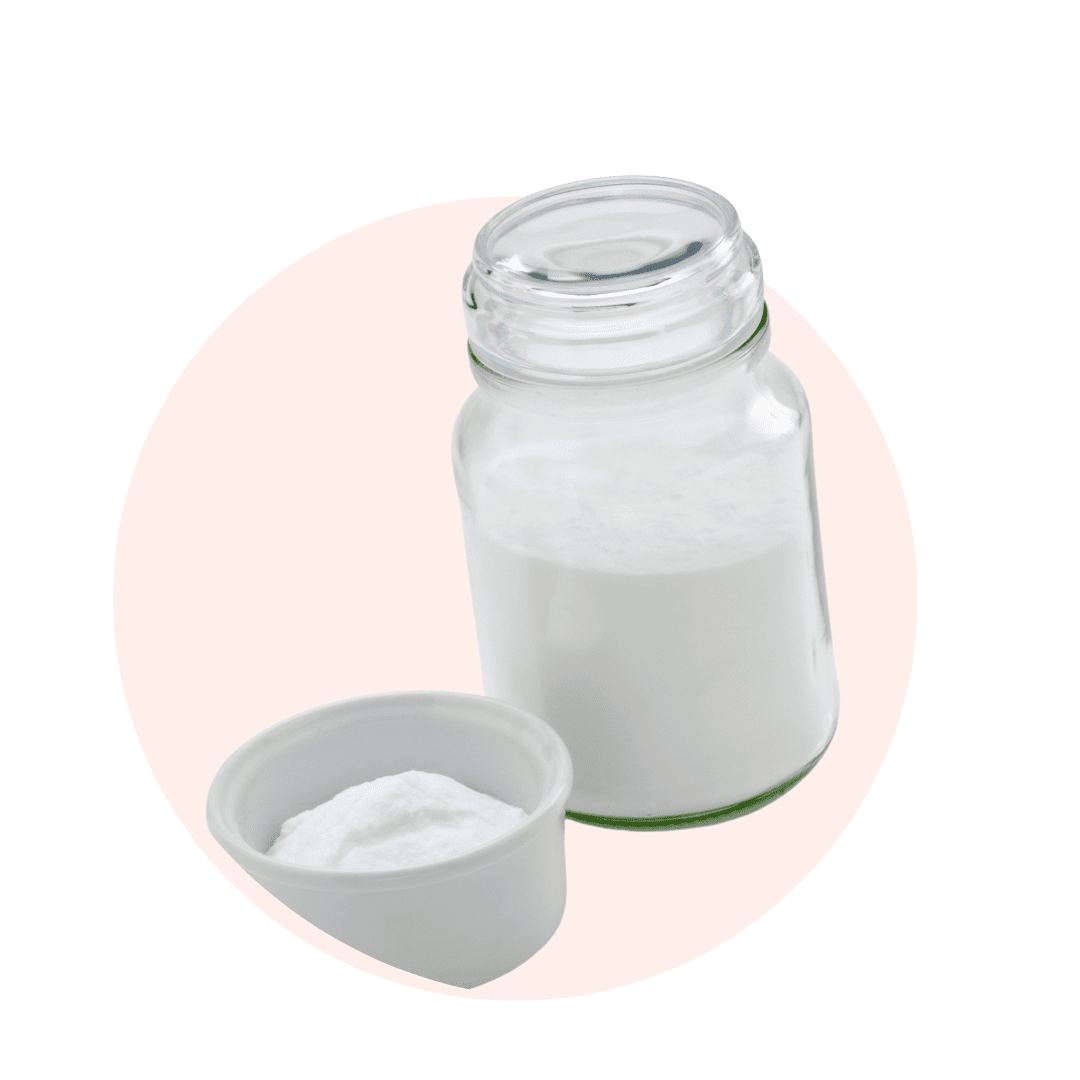
SODIUM BENZOATE
Sodium benzoate is a salt of benzoic acid, a compound naturally found in certain fruits such as cranberries, plums and apples. As a preservative, it is widely used in the food, cosmetic and pharmaceutical industries to inhibit the growth of bacteria, yeast and mold.

SODIUM BENZOATE: Optimal conservation of care
EXCIPIENT ⎪ SWEETENER
What is Sodium Benzoate?
Sodium benzoate is a salt of benzoic acid, a compound naturally found in certain fruits such as cranberries, plums and apples. As a preservative, it is widely used in the food, cosmetic and pharmaceutical industries to inhibit the growth of bacteria, yeast and mold. This compound is appreciated for its stability and effectiveness at low concentrations, making it an ingredient of choice for extending the shelf life of products. In the list of ingredients, it is generally identified under the code E211.
It's a antifungal preservative very effective against bacteria and fungi. We use it at a very low concentration (> 0.5%) to guarantee optimal conservation while respecting safety standards.
Where does Sodium Benzoate come from?
Sodium benzoate can be obtained by chemical synthesis by combining benzoic acid with sodium hydroxide. Although benzoic acid is of natural origin, sodium benzoate used in industry is often synthetic for reasons of cost and availability. This compound is widely produced around the world and used in various products for its ability to prevent microbial degradation. It is present in drinks, sauces, personal care products and some medications to ensure their stability and safety.
Properties and active ingredients
Sodium benzoate acts as an effective preservative thanks to its antimicrobial properties. Here are its main effects and properties:
- Antibacterial : Sodium benzoate inhibits the growth of bacteria, which helps prevent contamination in food and personal care products.
- Antifungal : This preservative is also effective against yeasts and molds, thus extending the life of products sensitive to humidity.
- Stability in acidic environments : Sodium benzoate is particularly effective in products with a low (acidic) pH, such as sodas, fruit juices, and some personal care products, where it remains active to prevent microbial growth.
- Economical and safe in low concentration : Used in small quantities, sodium benzoate is considered safe and does not change the taste or color of products, which makes it very practical in the industry.
WHAT ARE THE BENEFITS OF SODIUM BENZOATE?
Sodium benzoate has key benefits in terms of product preservation and safety:
- Extension of shelf life : By inhibiting microbial growth, sodium benzoate extends the shelf life of food, cosmetic and pharmaceutical products, reducing waste and ensuring better safety.
- Preserving quality : Thanks to its antimicrobial action, it protects products against degradation and deterioration caused by microorganisms, thus maintaining their freshness and effectiveness.
- Safety for consumers : Sodium benzoate prevents the growth of harmful bacteria and mold, reducing the risk of food poisoning and potential infections.
- Versatile use in various products : Due to its effectiveness at low concentrations and its stability in acidic environments, sodium benzoate is widely used in a wide variety of products, from beverages to cosmetics, contributing to their sustainability.
Use: How is sodium benzoate used?
Sodium benzoate is mainly used as a preservative in the food, cosmetic and pharmaceutical industries. Here are the main applications:
- Food products : Sodium benzoate is commonly added to soft drinks, juices, sauces, jams and marinades to prevent bacterial contamination. It is typically used at a concentration of up to 0.1%, ensuring food safety and freshness without changing its taste.
- Cosmetics and personal care : It is used in lotions, creams, shampoos and cleansers to inhibit yeast and bacteria. This helps ensure the stability and safety of these products during their lifespan.
- Medicines and pharmaceutical products : In syrups, eye drops and some over-the-counter products, sodium benzoate plays a vital role in preventing microbial contamination.
Note : Sodium benzoate is effective in products with an acidic pH (less than 4), such as soft drinks and juices. In products with neutral pH, its antimicrobial effectiveness is reduced. Although it is generally safe, it is recommended to limit its use in products subject to prolonged exposure to sunlight, as it can interact with vitamin C and form benzene, a potentially harmful compound.
Any side effects?
Sodium benzoate is considered safe at recommended doses, but some side effects may occur in some cases:
- Allergic reactions : Some people may be sensitive to sodium benzoate and experience mild skin reactions, such as rash or itching, especially when applied topically.
- Mucosal irritation : In high concentrations, it may cause mild irritation to the mucous membranes of the mouth and throat, although this is rare at commonly used doses.
- Formation of benzene in the presence of vitamin C : When sodium benzoate is combined with vitamin C and exposed to heat or light, it can turn into benzene, a potentially carcinogenic compound. However, manufacturers take steps to avoid this risk in products.
- Hyperactivity in children : Some studies suggest that sodium benzoate, when combined with artificial food colors, may contribute to hyperactivity in some children. However, these effects are rare and require high doses.