





NATURAL VITAMIN D3
Vitamin D3, also called cholecalciferol, is a form of vitamin D produced naturally by the skin when exposed to sunlight. It is essential for bone health, the immune system and many bodily functions. Vitamin D3 can also be obtained from animal food sources, such as fatty fish, eggs and liver, as well as from dietary supplements.

NATURAL VITAMIN D3
ACTIVE ⎪ MODULE ⎪FAVORITE
What is Vitamin D3?
Vitamin D3, also called cholecalciferol, is a form of vitamin D produced naturally by the skin when exposed to sunlight. It is essential for bone health, the immune system and many bodily functions. Vitamin D3 can also be obtained from animal food sources, such as fatty fish, eggs and liver, as well as from dietary supplements. It is the most effective form of vitamin D for raising and maintaining optimal levels of vitamin D in the body.
Vitamin D, also called sun vitamin, is recognized by numerous studies to play a crucial role as a cofactor in multiple functions in our body.
Indeed, it contributes to the absorption and use of calcium and phosphorus, thus promoting healthy bones and teeth. Additionally, vitamin D plays a role in modulation of the immune system and may help reduce the risk of certain autoimmune diseases.
There are 2 types:
- The endogenous vitamin D, that which we produce thanks to UVB by exposing our face and forearms uncovered for 10 to 15 minutes without sun protection between 11 a.m. and 2 p.m. We only stay 10 to 15 minutes after which we put on sunscreen with a suitable SPF. It is one of the most bioavailable (assimilable) forms by our body.
- The exogenous vitamin D, provided by food (oily fish) but insufficient to cover our daily needs.
We especially recommend that women aged 35/40 and over supplement with vitamin D in Autumn-Winter. And to all people who live in areas with little sunshine or who don't go out much.
In addition, it is one of the most important vitamins for women, particularly as they age because it contributes to good bone density and the prevention of osteoporosis as well as good muscle functioning. It could also help prevent cardiovascular diseases and help prevent the decline in intellectual abilities with age.
In MY Feminine balance and MY Serenity Essentials, we opted for the D3 (cholecalciferol) form of vitamin D which is considered significantly more effective than the D2 (ergocalciferol) form. This form is of plant origin. In fact, it comes from lichen, a symbiosis between a fungus and an algae. It is biologically active and can be effectively used by our body. In addition, it is perfect for vegetarians and vegans.
As for their usefulness, it is essential for good hormonal balance with B group vitamins in MY Feminine balance and in MY Serenity Essentials, it acts as a co-factor for better assimilation of magnesium.
NB: Taking My Feminine Balance and MY Serenity Essentials is entirely compatible with vitamin D supplementation, without risk of overdose.
Where does Vitamin D3 come from?
Vitamin D3 is synthesized in the skin under the effect of ultraviolet B (UVB) rays from sunlight. When the skin is exposed to the sun, the cholesterol present in the skin cells is transformed into vitamin D3. However, several factors, such as latitude, season, time of day and skin type, influence the amount produced. In winter or in areas with little sunlight, it is often necessary to consume foods rich in vitamin D3 or take supplements to maintain sufficient levels.
Properties and active ingredients
Vitamin D3 acts as a pro-hormone and is converted in the liver and then the kidneys to its active form, calcitriol, which acts in the body to regulate several essential functions. Here are the main roles of vitamin D3 in the body:
- Absorption of calcium and phosphorus : Vitamin D3 increases the absorption of these minerals in the intestines, helping to form and maintain strong bones and teeth.
- Immune function : It plays a role in the immune system by helping to reduce the risk of infections and modulate the inflammatory response.
- Muscle support : Vitamin D3 is important for muscle health, helping to prevent weakness and the risk of falls, especially in older people.
- Mental health effects : Studies suggest that vitamin D3 may play a role in mood regulation and help reduce the risk of depression.
What are the benefits of vitamin D3?
Vitamin D3 is essential for many aspects of health. Here are its main benefits:
- Bone and dental health : By promoting the absorption of calcium and phosphorus, vitamin D3 contributes to the strength of bones and teeth. It is essential for the prevention of diseases such as osteoporosis and rickets.
- Strengthening the immune system : Vitamin D3 helps the body defend itself against bacterial and viral infections, especially in winter when vitamin D levels are often lower. It plays a protective role against respiratory infections.
- Muscle health support : By preserving muscle function, vitamin D3 reduces the risk of falls and fractures, especially in the elderly, and thus helps maintain their mobility and independence.
- Beneficial effects on mood and prevention of depression : Sufficient levels of vitamin D3 are associated with better emotional well-being and may help reduce symptoms of depression, especially in winter.
- Support for brain functions : Vitamin D3 may also play a role in cognitive health and protecting the brain against aging, although more research is needed to fully understand its effects at this level.
- Strengthens bone and tooth health through absorption of calcium and phosphorus
- Contributes to the normal function of the immune system
- Helps prevent cardiovascular diseases
How to consume Vitamin D3?
Vitamin D3 can be obtained through sun exposure, food and supplements. Here's how to optimize your contribution:
- Sun exposure : By exposing yourself to the sun for 10 to 30 minutes a day, depending on skin type and exposure to sunlight, it is possible to synthesize an adequate amount of vitamin D3. However, this is more difficult in winter or in areas with little sunlight.
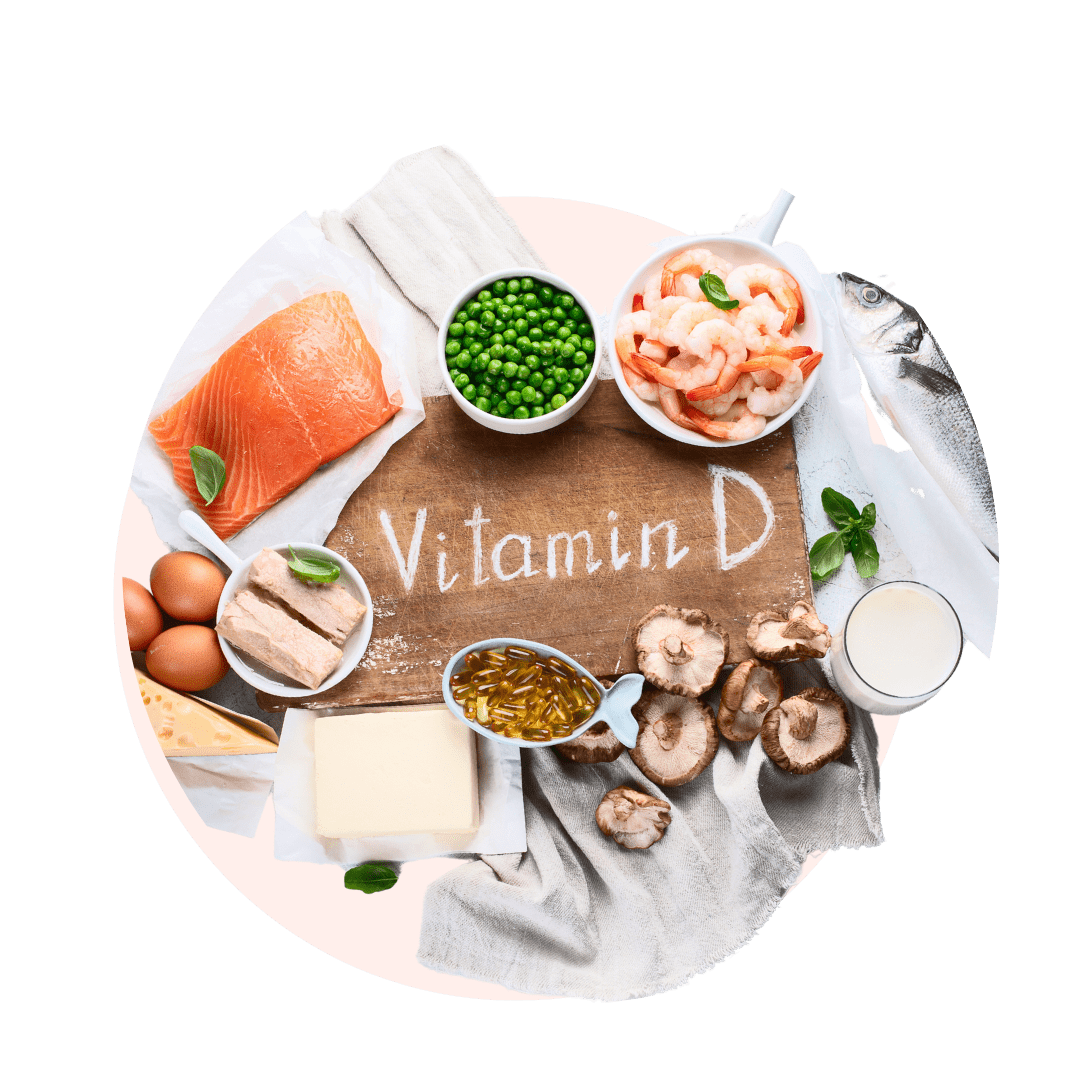
- Food : Vitamin D3 is found in foods of animal origin, such as fatty fish (salmon, sardines, mackerel), liver, eggs and fortified dairy products. It is less present in plant-based foods.
- Supplements : In case of deficiency or increased risk of deficiency (elderly people, low exposure to the sun), dietary supplements may be necessary. The recommended dose generally varies between 800 and 2000 IU per day, but it is advisable to consult a healthcare professional for a personalized dosage.
Note : Vitamin D3 supplements are more effective than vitamin D2 supplements in raising vitamin D levels in the blood. It is important not to exceed recommended doses, as overconsumption of vitamin D can cause adverse effects.
Any side effects?
Vitamin D3 is generally safe in recommended doses, but excessive consumption can lead to toxicity. The main side effects of excess vitamin D3 include:
- Hypercalcemia : Excessive intake of vitamin D3 can lead to a buildup of calcium in the blood, causing nausea, vomiting, weakness, and abdominal pain.
- Kidney stones : High calcium levels can lead to the formation of kidney stones, which can cause pain and other complications.
- Confusion and fatigue : An overdose of vitamin D3 can also affect mental state, causing fatigue, confusion and even heart rhythm disturbances.
- Bone health risks : Ironically, excess vitamin D can weaken bones by disrupting the balance of minerals in the body.
Note : It is recommended to have your vitamin D levels measured before starting supplementation and to consult a healthcare professional for appropriate support.