



LINALYL ACETATE
Linalyl Acetate is an ester naturally present in many essential oils, notably those of lavender (Lavandula angustifolia), bergamot (Citrus bergamia), clary sage (Salvia sclarea), and petitgrain. It is primarily used in cosmetics for its fragrance properties, bringing floral, fresh, and slightly fruity notes. Research also shows that it possesses soothing, antioxidant, and anti-inflammatory properties, which contribute to the benefits of the essential oils that are rich in it.
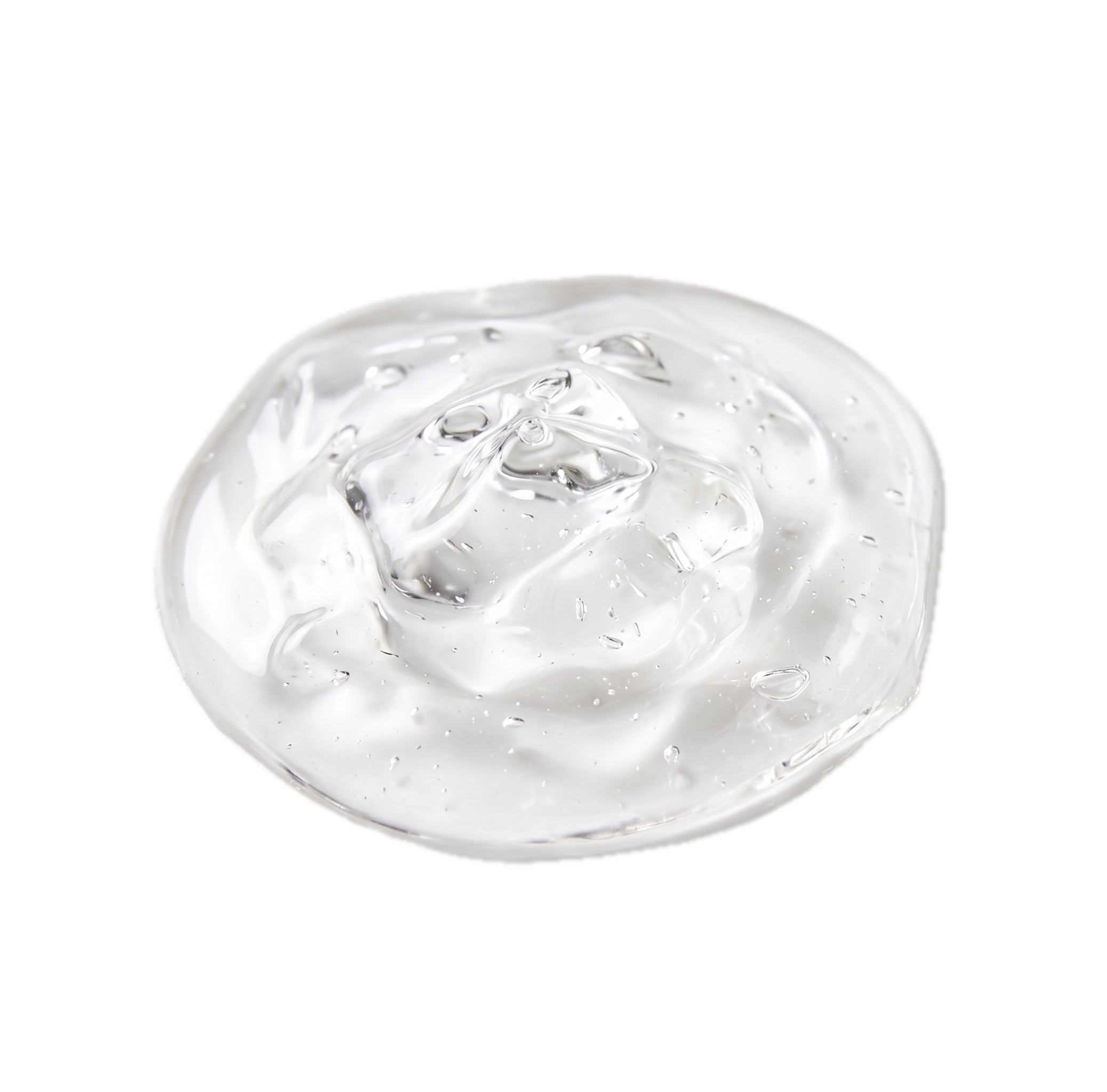

Linalyl Acetate
FRAGRANCE ⎪ SOOTHING
What is Linalyl Acetate?
Linalyl Acetate is an aromatic molecule belonging to the terpenic ester family. It constitutes one of the primary volatile compounds of many essential oils used in both perfumery and cosmetics.
Its sweet, floral, and slightly fruity scent largely contributes to the characteristic fragrance of lavender. Beyond its olfactive appeal, several experimental studies show that Linalyl Acetate possesses interesting biological activity. Notably, it plays a part in the soothing effects traditionally associated with lavender essential oils by modulating certain pathways involved in inflammatory responses and oxidative stress.
In the Baume Pro-Collagène Unifiant (Unifying Pro-Collagen Balm), Linalyl Acetate primarily contributes to the skincare product’s olfactive signature. It brings a sensation of freshness and softness that accompanies application while enhancing the product’s overall sensorial experience.
Composition of Linalyl Acetate: Active Principles
Linalyl Acetate is a single molecule belonging to the oxygenated monoterpenes.
Scientific research attributes several properties to it:
- Natural fragrance activity,
- Soothing properties observed in various experimental models,
- Moderate antioxidant activity,
- Participation in the anti-inflammatory effects of certain essential oils rich in linalyl acetate.
What are the benefits of Linalyl Acetate?
In cosmetics, Linalyl Acetate is mostly used to enhance the sensorial appeal of skincare products, but its benefits go beyond its fragrance.
It contributes to:
- Delivering an elegant and natural floral fragrance,
- Making product application more enjoyable,
- Taking part in the soothing properties of the essential oils from which it is derived,
- Helping limit certain phenomena related to oxidative stress thanks to its antioxidant activity,
- Completing the overall sensorial quality of the formula.
Linalyl Acetate at the heart of MiYé formulas
[MY] UNIFYING PRO-COLLAGEN BALM
In the Baume Pro-Collagène Unifiant, Linalyl Acetate is involved in the composition of the product's fragrance. It brings soft floral notes that enhance application pleasure without interfering with the formula's biomimetic active ingredients. It thus helps make the daily use of the balm a true moment of self-care.
How to use Linalyl Acetate?
Linalyl Acetate is used exclusively in formulated cosmetic products. It is incorporated in small quantities to scent the product while respecting the safety requirements imposed on fragrance ingredients. It is not intended to be used alone on the skin.
Precautions for use of Linalyl Acetate
Linalyl Acetate is among the fragrance substances regulated in cosmetics.
It is recommended to:
- Use the product in accordance with its directions for use,
- Avoid application on highly irritated or broken skin,
- Discontinue use in case of any unusual reaction.
Side effects
Linalyl Acetate is generally well tolerated at the concentrations used in cosmetic products. Like other fragrance compounds, it may exceptionally cause:
- An allergic reaction in sensitized individuals,
- Mild skin irritation on highly reactive skin.
These reactions remain infrequent and depend primarily on individual sensitivity.
Frequently Asked Questions
Is Linalyl Acetate natural?
Yes. It is naturally present in many essential oils, notably those of lavender, bergamot, and clary sage. It can also be obtained via synthesis to guarantee consistent quality.
Does it possess benefits for the skin?
Research attributes soothing, antioxidant, and anti-inflammatory properties to it, even though its primary function in cosmetics remains fragrancing.
Is it suitable for sensitive skin?
Yes, at the concentrations authorized in cosmetic products. As with all fragrance ingredients, individual sensitivity remains possible.
Sources
- Peana AT, D'Aquila PS, Panin F, Serra G, Pippia P, Moretti MDL. Anti-inflammatory activity of linalool and linalyl acetate constituents of essential oils. Phytomedicine. 2002;9(8):721-726.
- Rai VK, Chanda D, Chanotiya CS, Yadav NP. A combination of linalool and linalyl acetate synergistically alleviates imiquimod-induced psoriasis-like skin inflammation in BALB/c mice. Frontiers in Pharmacology. 2022;13:913174.