




PALMITIC ACID
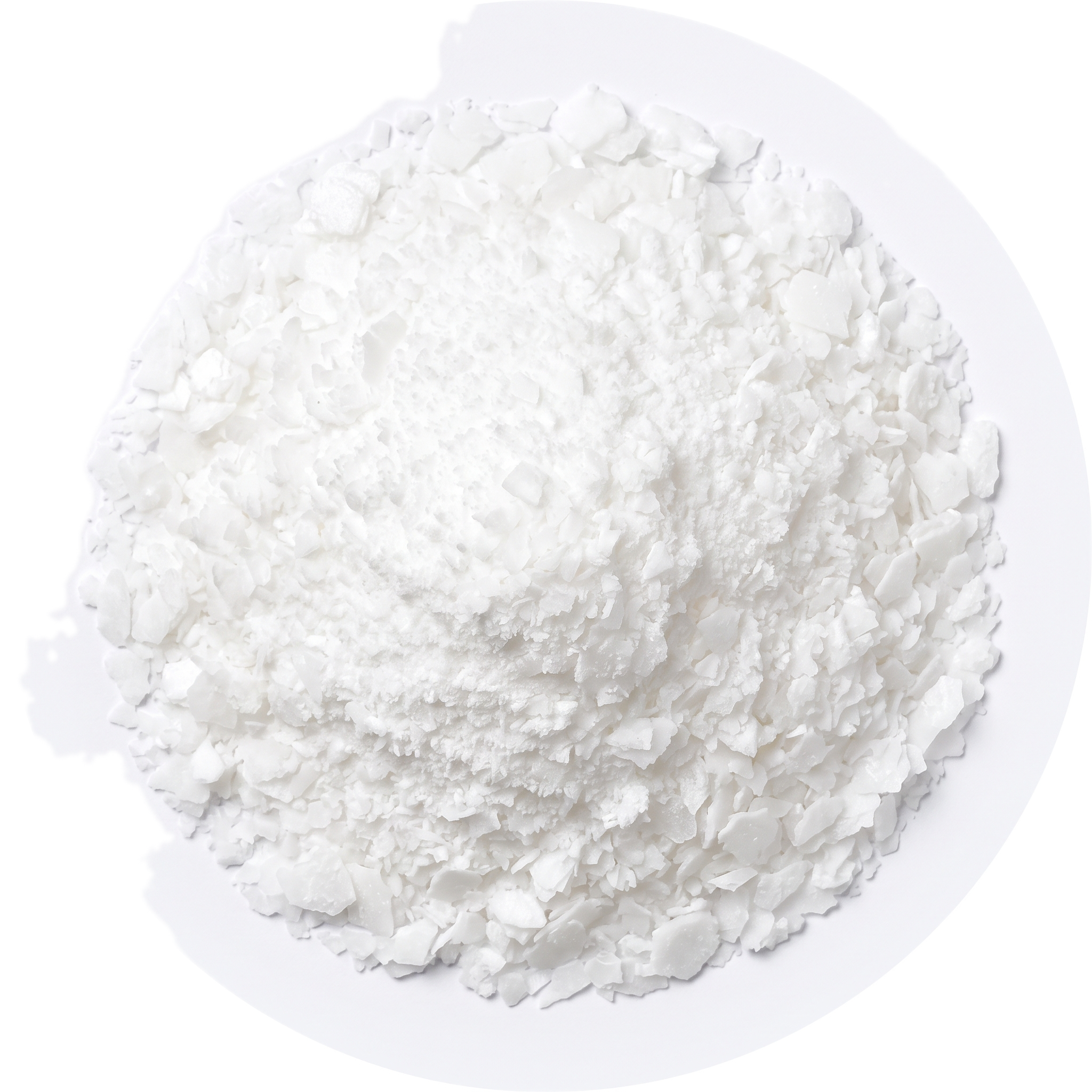
Palmitic acid is a saturated fatty acid naturally present in the skin, vegetable oils (such as sustainable palm oil, sunflower oil, or soybean oil) as well as in certain animal fats. In cosmetics, it is primarily used as an emollient and texturizing agent. Thanks to its perfect affinity with the skin's hydrolipid film, it helps nourish the skin, strengthen the skin barrier, and provide skincare products with a rich, creamy, and protective texture.

PALMITIC ACID: Nourished and Protected Skin
EMOLLIENT ⎪ TEXTURE AGENT
What is Palmitic Acid?
Palmitic acid is a saturated fatty acid naturally present in skin cells and sebum. It is one of the primary lipids that contribute to the epidermis's natural protection. In cosmetics, it is used as an emollient, texturizing agent, and co-emulsifier. It improves formulation stability while leaving a soft and comfortable feel. Its high affinity with skin lipids allows it to limit transepidermal water loss (TEWL) and help maintain supple, comfortable skin. It is particularly valued in skincare products designed for dry, fragile, or mature skin.
In our [MY] Balancing Pro-Collagen Balm, it contributes to the richness of the balm texture while reinforcing the formula's nourishing action. In combination with ceramides, squalene, and vegetable oils, it helps restore the hydrolipid film and preserve skin comfort.
Where does Palmitic Acid come from?
Palmitic acid is naturally present in many vegetable oils such as sunflower, soybean, rapeseed, or palm oil, as well as in animal fats. In cosmetics today, it is predominantly obtained from purified plant-based raw materials. It is a fatty acid naturally synthesized by our body. In the skin, it is part of the composition of sebum and epidermal lipids that ensure the barrier function.
Properties and Active Principles of Palmitic Acid
Palmitic Acid possesses several valuable properties in cosmetic formulations:
- Emollient: Nourishes the skin and improves its suppleness.
- Strengthens the skin barrier: Participates in protecting the hydrolipid film.
- Texture agent: Provides a rich, melting, and comfortable texture.
- Co-emulsifier: Stabilizes water-in-oil (W/O) emulsions.
- Reduces water loss: Helps maintain proper hydration by limiting water evaporation.
What are the benefits of Palmitic Acid?
Although it is not an "anti-aging" active ingredient per se, palmitic acid improves skin comfort and participates in the proper functioning of the skin barrier.
Its main benefits include:
- Long-lastingly nourishes dry and dehydrated skin.
- Helps preserve the skin's barrier function.
- Reduces sensations of tightness.
- Leaves the skin suppler and softer.
- Enhances the sensory qualities of skincare by providing an enveloping and protective texture.
Palmitic Acid at the heart of MiYé formulas
[MY] BALANCING PRO-COLLAGEN BALM
- Nourishing balm texture with a matte finish.
- Reinforces the comfort of fragile skin.
- Acts in synergy with ceramides, squalene, and vegetable oils to restore the hydrolipid film.
- Suitable for sensitive skin.
How to use Palmitic Acid?
Palmitic acid is exclusively used topically in cosmetic products. In formulas, it is generally combined with other physiological lipids in order to replicate the skin's natural protective mechanisms.
Any side effects?
Palmitic acid is considered a safe ingredient by regulatory authorities when used at standard cosmetic concentrations.
In rare cases: certain very oily or acne-prone skin types may prefer lighter textures; individual sensitivity is always possible, as with any cosmetic ingredient. Overall, it is very well tolerated, including by sensitive skin.
Frequently Asked Questions about Palmitic Acid
- Is Palmitic Acid a natural ingredient? Yes. Palmitic acid is a fatty acid naturally present in human sebum as well as in many vegetable oils, such as sunflower, soybean, or rapeseed oils. In cosmetics today, it is predominantly derived from plant sources.
- Why is Palmitic Acid used in face care? Beyond its role in product texture, it helps strengthen the skin's hydrolipid film. It thereby helps limit dehydration and improve skin comfort, while providing a melting texture that is pleasant to apply.
- Is Palmitic Acid suitable for sensitive skin? Yes. Thanks to its similarity to lipids naturally present in the skin, it is generally very well tolerated. It is frequently used in products designed for dry, sensitive, or fragile skin.
- Is Palmitic Acid comedogenic? On its own, palmitic acid does not determine a product's comedogenic potential. This depends on the formulation as a whole, the concentration of the ingredients, and the skin type. In a balanced formula, it is generally well tolerated.
- Why is it combined with ceramides in the Balancing Pro-Collagen Balm? Ceramides and palmitic acid fulfill complementary functions. Ceramides participate in organizing the skin barrier, while palmitic acid helps strengthen the hydrolipid film and maintain skin comfort. Their combination supports natural skin protection mechanisms more effectively.
Sources
- Wertz PW. Lipids and the Permeability and Antimicrobial Barriers of the Skin. Journal of Lipids. 2018;2018:5954034.
- Mieremet A, Helder R, Nadaban A, Gooris G, Boiten W, El Ghalbzouri A, Bouwstra JA. Contribution of Palmitic Acid to Epidermal Morphogenesis and Lipid Barrier Formation in Human Skin Equivalents. International Journal of Molecular Sciences. 2019;20(23):6069.