



STEARIC ACID
Stearic acid is a fatty acid naturally present in vegetable oils and plant butters, such as shea butter or cocoa butter. In cosmetics, it is primarily used as a texture agent, emollient, and co-emulsifier. It helps strengthen the skin barrier, limit water loss, and provide skincare products with a rich, soft, and comfortable texture.

STEARIC ACID
EXCIPIENT ⎪ EMOLLIENT ⎪ TEXTURE AGENT
What is Stearic Acid?
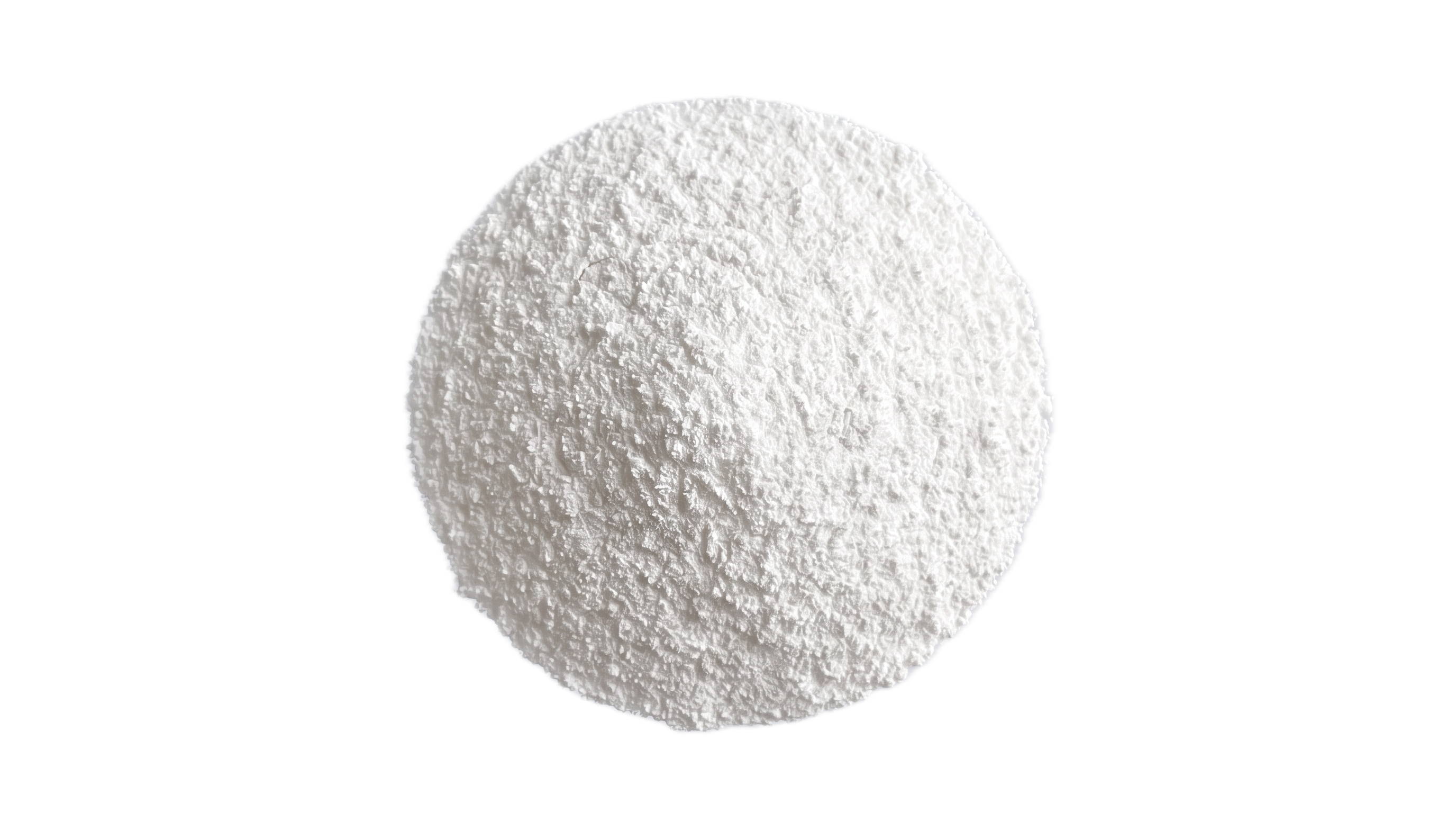
Stearic Acid is a saturated fatty acid naturally present in plant and animal lipids. In modern cosmetics, it is primarily derived from plant oils such as palm, soy, or rapeseed. Naturally present in the skin's hydrolipid film, it contributes to the cohesion of the skin barrier and helps preserve skin comfort. In cosmetic formulation, it is mainly used to improve emulsion stability, thicken textures, and provide a soft, velvety feel. It also acts as an emollient by limiting transepidermal water loss (TEWL), thereby helping the skin retain its moisture.
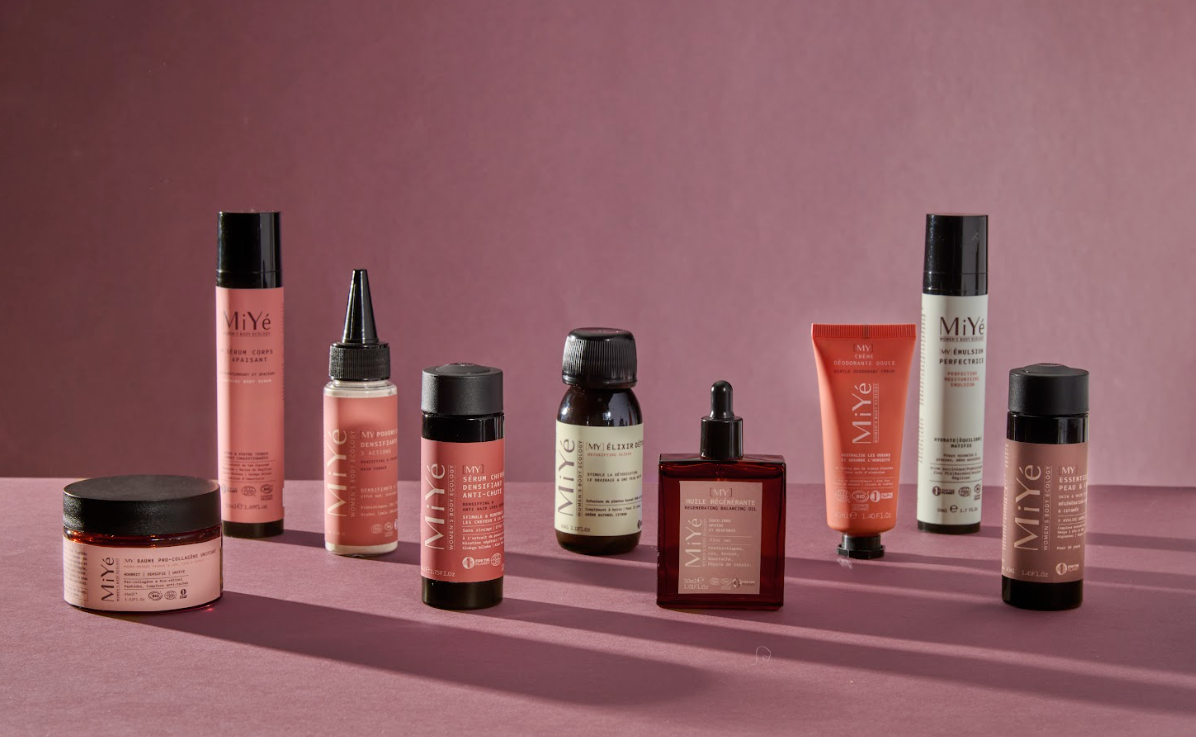
In [MY] Balancing Pro-Collagen Balm, stearic acid contributes to the treatment's characteristic melting balm texture. It helps strengthen the skin's natural protective film and promotes a comfortable finish without any sticky feel.
Where does Stearic Acid come from?
Stearic acid is naturally present in many plant fats.
The main sources used in cosmetics are: soybean oil, sunflower oil, rapeseed oil, cocoa butter, and shea butter. After extraction from the vegetable oils, the fatty acids are separated via hydrolysis and then purified to obtain high-quality stearic acid destined for cosmetic formulations. When derived from plant sources, it is a biodegradable ingredient that is well tolerated and compatible with certified organic formulations.
Properties and Active Principles of Stearic Acid
Stearic acid possesses several properties that explain its presence in numerous dermatological and cosmetic treatments.
- Emollient: Softens the skin and improves its comfort.
- Texture agent: Provides a rich and stable texture to formulas.
- Co-emulsifier: Stabilizes water-in-oil (W/O) emulsions.
- Protector: Limits transepidermal water loss (TEWL).
- Soothing: Leaves a silky feel without excessive greasiness.
- High affinity with skin lipids: Helps strengthen the hydrolipid film.
What are the benefits of Stearic Acid?
Thanks to its biomimetic properties, stearic acid helps preserve the skin's balance. Its primary benefits include:
- Nourishes the skin while improving its suppleness.
- Strengthens the skin barrier function.
- Reduces sensations of dryness and tightness.
- Improves comfort for sensitive or fragile skin.
- Contributes to long-lasting hydration by limiting water evaporation.
- Enhances the stability and sensory qualities of skincare products.
Its excellent tolerance explains why it is widely used in treatments designed for dry, mature, or sensitive skin.
Stearic Acid at the heart of MiYé formulas
[MY] BALANCING PRO-COLLAGEN BALM
- Contributes to the melting balm texture and comfortable matte finish.
- Helps protect the skin barrier.
- Improves nourishment and comfort for fragile skin.
- Acts in synergy with ceramides and vegetable oils to limit dehydration.
How is Stearic Acid used?
Stearic acid is strictly used for topical skin application. Its primary role is to improve product texture while enhancing its protective properties for the skin.
Thanks to its excellent skin compatibility, it is suitable for all skin types, including sensitive skin.
Any side effects?
Stearic acid is considered a very safe cosmetic ingredient. Side effects remain rare. In exceptional cases, they may include: individual sensitivity in certain people, or rare skin reactions linked to the formulation as a whole rather than to the stearic acid itself. The Cosmetic Ingredient Review Expert Panel (CIR) concludes that stearic acid is safe when used at typical concentrations in cosmetic products.
Frequently Asked Questions
- Is Stearic Acid a natural ingredient? Yes. It is naturally present in many plant oils and butters. In cosmetics today, it is predominantly obtained from plant sources.
- Does stearic acid clog pores? Available studies show that its comedogenic potential primarily depends on the complete product formulation. Used at standard concentrations in well-formulated skincare, it is generally well tolerated.
- Is it suitable for sensitive skin? Yes. Thanks to its excellent tolerance and its protective role on the skin barrier, it is widely used in treatments designed for sensitive or fragile skin.
- Why is it used in a balm? It provides a rich and stable texture, enhances the product's sensory qualities, and helps form a protective film that limits skin dehydration.
Sources
- Cosmetic Ingredient Review (CIR) – Safety Assessment of Fatty Acids & Fatty Acid Salts as Used in Cosmetics https://www.cir-safety.org/sites/default/files/facids042019finalrep.pdf
- Amended Safety Assessment of Triglycerides as Used in Cosmetics (2022) https://pubmed.ncbi.nlm.nih.gov/36189772/
- Elias PM. Skin barrier function. https://pubmed.ncbi.nlm.nih.gov/14572297/