




CHONDROITIN
Structuring and hydrating glycosaminoglycan plumps, densifies and protects the dermal matrix by capturing up to 50 times its weight in water for visibly younger-looking skin.

CHONDROITIN
HYDRATION ⎪ ANTI-AGING ⎪ PLUMPING
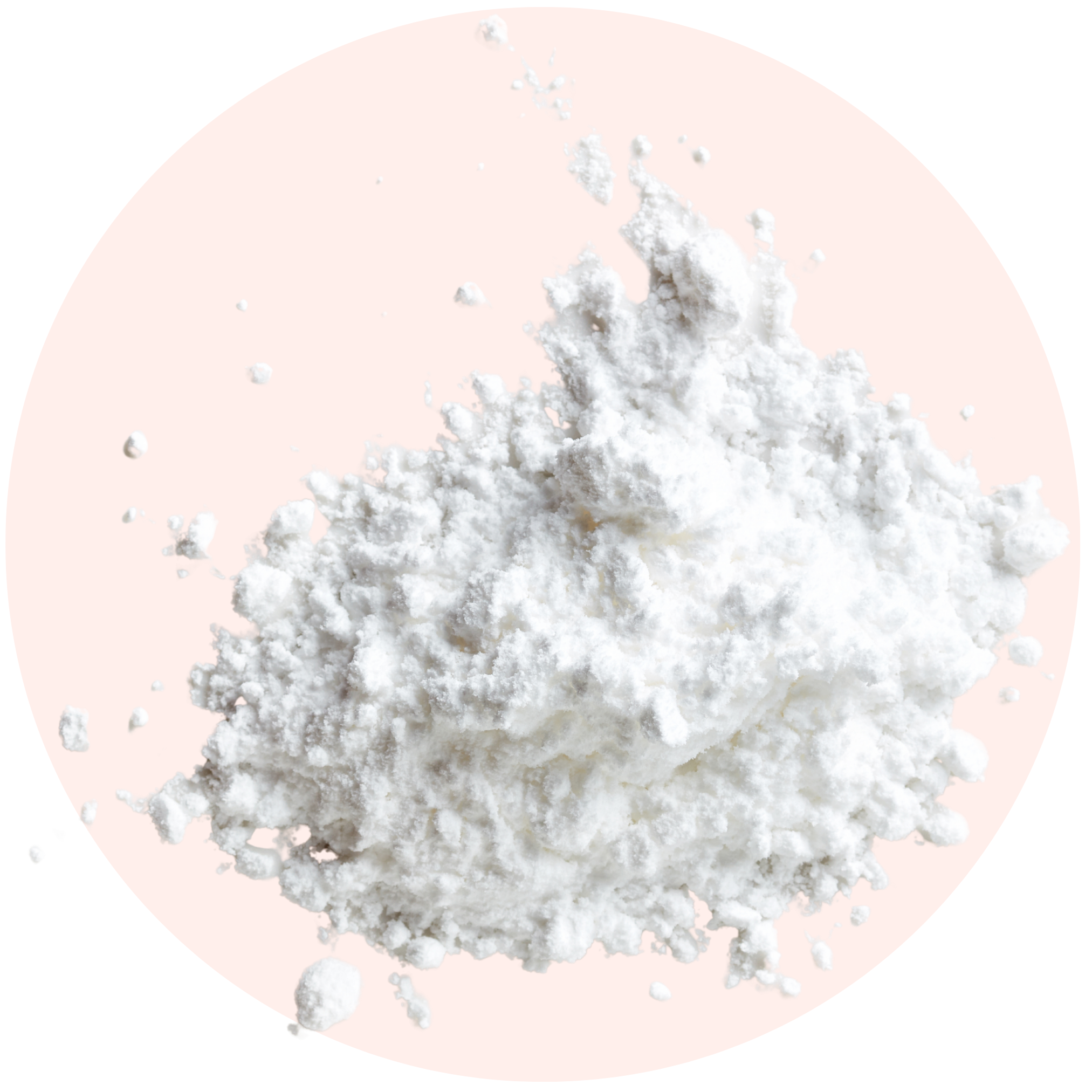
Chondroitin is a glycosaminoglycan naturally present in cartilage, bones, and skin. Along with collagen and hyaluronic acid, it forms one of the structural pillars of the extracellular matrix. Its ability to retain water and maintain tissue elasticity makes it a valuable active ingredient for both joint health and skin care.
The benefits of chondroitin extend far beyond its traditional use in rheumatology. In cosmetics, it acts as a powerful moisturizing, plumping, and protective agent, particularly suited for mature or dehydrated skin.
What is chondroitin? Definition and origin
Chondroitin is a sulfated polysaccharide, composed of long chains of disaccharides alternating glucuronic acid and N-acetylgalactosamine. It is naturally synthesized by chondrocytes, specialized cartilage cells, and is abundant in the body's connective tissues.
Its sulfated structure gives it a negative charge that attracts and retains water molecules, allowing it to act as a true water reservoir within tissues. This property explains both its shock-absorbing role in joints and its moisturizing effectiveness in cosmetics.
With age, chondroitin synthesis gradually decreases, contributing to the degradation of articular cartilage, loss of skin volume, and weakening of the dermal matrix. Sun exposure, oxidative stress, and hormonal imbalances accelerate this process.
In supplements and cosmetics, chondroitin is primarily extracted from bovine, porcine, or marine cartilage. Synthetic and plant-based fermentation forms are emerging to meet the needs of vegan formulations.
Composition and active principles of chondroitin
Chondroitin derives its effectiveness from its complex molecular structure:
- Chondroitin sulfate A (chondroitin-4-sulfate): the predominant form in human cartilage, with strong anti-inflammatory activity
- Chondroitin sulfate C (chondroitin-6-sulfate): present in skin tissues, stimulates collagen synthesis
- Glucuronic acid: hydrophilic component that captures and retains water molecules in tissues
- N-acetylgalactosamine: precursor of skin glycosaminoglycans, stimulates extracellular matrix renewal
- Sulfate groups: provide the negative charge responsible for moisturizing and structuring properties
What are the benefits of chondroitin?
Clinical studies show that topically applied chondroitin sulfate significantly improves skin hydration, dermal density, and skin elasticity after 4 to 6 weeks of regular use. Its variable molecular weight allows it to act both on the surface and in depth depending on the form used.
At the cellular level, chondroitin stimulates fibroblasts, inhibits matrix-degrading enzymes (metalloproteinases), and protects existing collagen and elastin fibers against oxidative degradation.
- Intense and long-lasting hydration: its sulfated structure captures up to 50 times its weight in water, for deep and long-lasting hydration
- Plumping and densifying: restores skin volume by rehydrating the extracellular matrix and stimulating collagen synthesis
- Protection of the dermal matrix: inhibits metalloproteinases responsible for the degradation of collagen and elastin
- Joint support: lubricates joints, reduces inflammation, and slows cartilage degradation in oral supplementation
- Global anti-aging effect: powerful synergy with glucosamine, collagen, and hyaluronic acid for a complete action on skin aging
- Soothing and repair: reduces skin inflammatory responses and promotes healing of damaged skin
Key points:
- Natural water reservoir: captures up to 50 times its weight in water
- Protects and preserves existing collagen and elastin
- Stimulates extracellular matrix synthesis by fibroblasts
- Optimal synergy with glucosamine, hyaluronic acid, and collagen
- Suitable for mature, dehydrated, or density-losing skin
How to use chondroitin
For topical use, chondroitin sulfate is incorporated into serums, plumping creams, masks, and eye contour treatments at concentrations generally between 0.5% and 3%.
It is applied to clean skin, morning and/or evening, and ideally combined with hyaluronic acid to maximize hydration, or with retinol and vitamin C for a global anti-aging action.
For oral supplementation, common dosages range between 800 and 1,200 mg per day of chondroitin sulfate, often combined with glucosamine for a synergistic action on cartilage and connective tissues.
⚠️ Note: people allergic to marine products or animal proteins should check the origin of the chondroitin used and prefer synthetic or plant-based fermentation forms.
Precautions for use of chondroitin
Chondroitin has an excellent tolerance profile for both topical and oral use. Adverse effects are rare and generally mild.
Possible side effects:
- Mild digestive disorders: in oral supplementation, nausea, diarrhea, or bloating may occur at the beginning of supplementation. Taking it with meals alleviates them.
- Allergy to animal proteins: chondroitin of bovine, porcine, or marine origin can cause reactions in sensitive individuals. Check the origin before use.
- Drug interactions: caution is recommended in case of anticoagulant treatment (warfarin), as interactions at high doses have been reported. Consult a doctor.
- Rare skin reactions: slight redness or transient sensation of warmth possible on very reactive skin during the first topical applications.
- Effect on blood sugar: like other glycosaminoglycans, chondroitin can influence glucose metabolism. Diabetics should seek medical advice.
⚠️ Pregnant and breastfeeding women, and people undergoing medical treatment, should consult a healthcare professional before any oral supplementation.
Frequently asked questions about chondroitin
What is the difference between chondroitin and glucosamine?
Glucosamine is a precursor to glycosaminoglycans, of which chondroitin is a part. Chondroitin is a larger, directly structural molecule with superior hydrating capacity. Both are complementary, and their combination is widely documented for joint and skin support.
Is chondroitin effective against skin sagging?
Yes, chondroitin protects existing collagen and elastin fibers by inhibiting enzymes that degrade them, and stimulates fibroblasts to produce new ones. It thus helps maintain skin density and firmness over time.
Can chondroitin be used on sensitive skin?
Chondroitin is generally very well tolerated, even on sensitive skin. Its structure, similar to the natural components of the skin matrix, makes it a highly biocompatible active ingredient.
Is chondroitin suitable for vegans?
Traditional forms are of animal origin. Synthetic alternatives or those from plant fermentation are available for vegan formulations. Look for the mention "vegan" or "biotechnological" on the label.
How long does it take to see the effects of chondroitin?
For topical use, an improvement in hydration and bounce is noticeable within 2 to 3 weeks. Effects on skin density and firmness require 6 to 8 weeks of regular use. In joint supplementation, benefits generally appear after 4 to 8 weeks.
Sources:
Ronca F. et al. "Anti-inflammatory activity of chondroitin sulfate." Osteoarthritis and Cartilage, 1998.
Papakonstantinou E. et al. "Hyaluronic acid and chondroitin sulfate in skin aging." Dermato-Endocrinology, 2012.
Reginster JY. et al. "Glucosamine and chondroitin for knee osteoarthritis." Annals of Internal Medicine, 2007.