




COCO-CAPRYLATE/CAPRATE
Coco-caprylate/caprate is a natural emollient, derived from coconut oil, which combines caprylic and capric fatty acids. Coco-caprylate/caprate offers many benefits for skin and hair thanks to its emollient, lightweight and non-comedogenic properties.

COCO-CAPRYLATE/CAPRATE: A safe ingredient for the skin
HYDRATES ⎪ SOFTENS ⎪ PROTECTS
What is coco-caprylate/caprate?
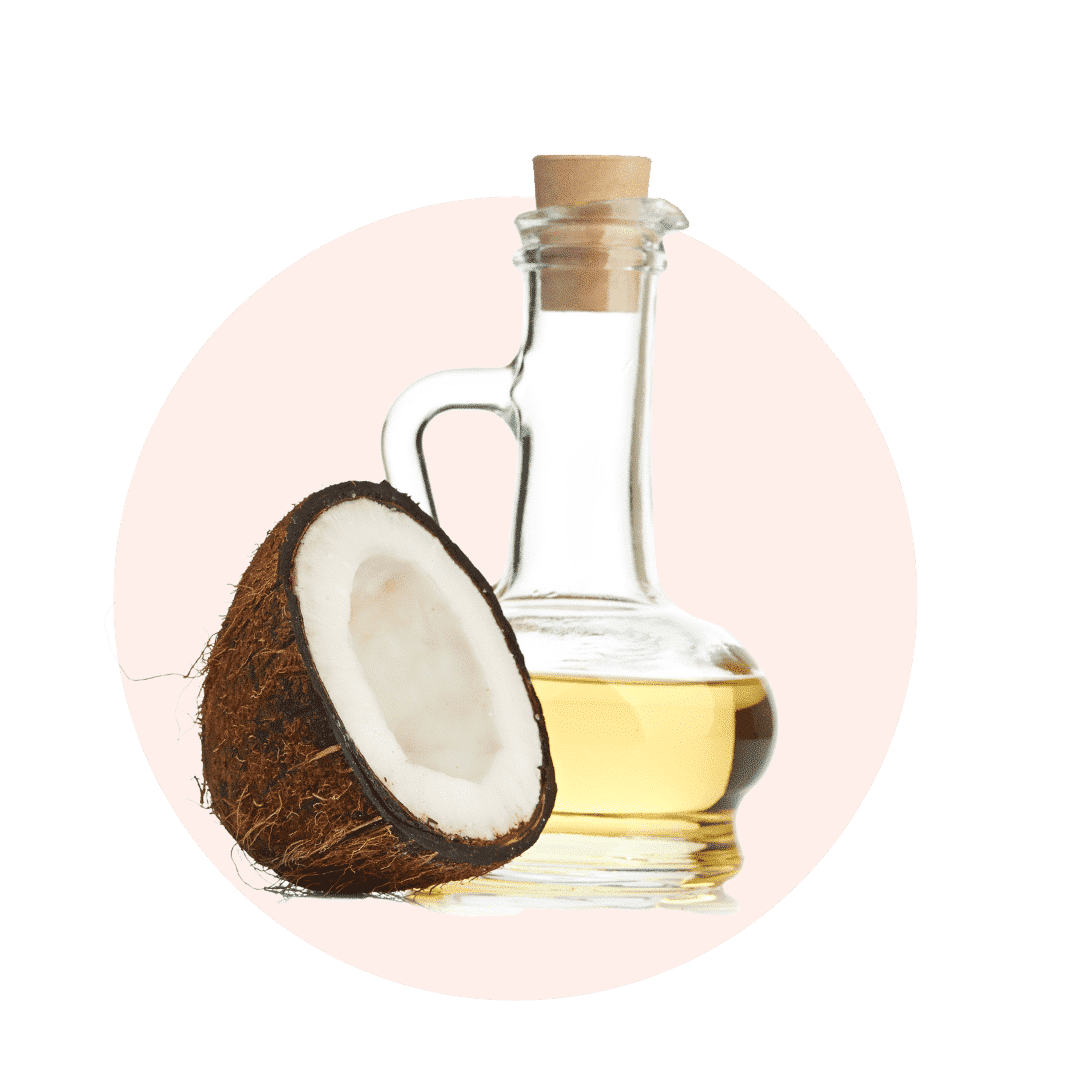
Coco-caprylate/caprate is a naturally occurring emollient, derived from coconut oil, which combines caprylic and capric fatty acids. This ingredient is widely used in cosmetics for its light texture and silky feel, which imitates the feeling of silicones without containing them. Thanks to its intense hydration capacity and good absorption, it is often incorporated into skin and hair care to provide softness, elasticity and lightness. Coco-caprylate/caprate is also popular for its compatibility with all skin types, including sensitive skin, and is non-comedogenic, meaning it does not clog pores.
Coco-Caprylate/Caprate is an esterified oil derived from coconut vegetable oil. This then gives it the following virtues: a lighter texture, better skin penetration and better resistance to oxidation.
It is used in our Regenerating facial oil for its emollient properties and its ability to restore hydration to the skin.
In short, This is a safe ingredient for the skin!
Where does coco-caprylate/caprate come from?
Coco-caprylate/caprate is obtained from coconut oil, which undergoes a fractionation process to isolate the caprylic and capric fatty acids. These acids are then esterified to obtain a light, non-greasy liquid, easily absorbed by the skin. Due to its natural origin and soft profile, coco-caprylate/caprate is used as an alternative to silicones in cosmetics, for a smooth, silky feel. It is often present in natural and organic skincare products, where it serves as an emollient and improves the texture of formulations without weighing down the skin or hair.
Properties and active ingredients
Coco-caprylate/caprate has several beneficial properties for skin and hair. Here are its main characteristics and actions:
- Emollient and moisturizing effect : It hydrates and softens the skin, forming a light film that maintains moisture without leaving a greasy feeling.
- Silky touch : In cosmetics, it is prized for its silky feel reminiscent of silicones, but without the occlusive effects, thus allowing the skin to breathe.
- Rapid absorption : Thanks to its light texture, it penetrates quickly into the skin without leaving a greasy film, making it ideal for day care and products for combination to oily skin.
- Non-comedogenic : Coco-caprylate/caprate does not clog pores, making it suitable for blemish-prone and light-care skin.
- Improved product texture : It provides a fluid and pleasant texture to formulations, facilitating application and leaving a soft and silky finish.
What are the benefits of coco-caprylate/caprate?
Coco-caprylate/caprate offers many benefits for skin and hair thanks to its emollient, lightweight and non-comedogenic properties. Here are the main benefits of this versatile ingredient:
- Lightweight, long-lasting hydration : It helps maintain skin hydration by forming a protective film that prevents dehydration, while remaining very light.
- Suitable for sensitive and combination skin : Its non-greasy texture and its ability not to clog pores make it ideal for combination, oily and sensitive skin, which benefits from light hydration without the risk of irritation.
- Soft and silky touch : It leaves a soft and silky finish, improving the feel of products without a sticky or greasy effect, making it a natural alternative to silicones.
- Reduction of transepidermal water loss : By forming a light barrier, it helps the skin retain moisture, providing comfort and suppleness.
- Improved hair texture and shine : Applied in hair care, it brings softness and shine to hair without weighing it down, perfect for fine or oily hair.
Its benefits:
- Penetrates easily into the skin and leaves no greasy or shiny film
- Makes the skin soft and hydrated.
- Is a natural alternative to occlusive mineral oils.
Coco-caprylate at the heart of Miyé products
[MY] REGENERATING OIL
- Rich in postbiotics, antioxidants, plant ceramides and patented oat extract to strengthen the skin's barrier
- 87% find that the oil soothes discomfort and improves the overall appearance of the skin*
- Can be used alone or mixed with your treatment
- Certified organic, rated “Excellent” on rating applications
[MY] MIXOLOGY PACK
- Relaunch skin regeneration and cell renewal
- Hydrate, soothe and strengthen the skin barrier
- Reduce hormonal imperfections without irritating
How to consume coco-caprylate/caprate?
Coco-caprylate/caprate is mainly used topically in skin and hair care. Here are the main ways to benefit from this ingredient:
- Serums and moisturizers : It is often included in facial creams and serums to provide light hydration and a silky feel, ideal for combination to oily skin.
- Oils and hair care : In hair products, it softens, adds shine and smoothes the hair fiber without weighing down the hair, perfect for leave-in care.
- Body care : Used in body lotions and oils, it allows a pleasant and quick application thanks to its fluid texture, while providing lasting hydration.
- Makeup bases : Coco-caprylate/caprate is often added to makeup primers to smooth the skin and facilitate makeup application, while providing a soft finish.
Note : Coco-caprylate/caprate is generally well tolerated by all skin types, even the most sensitive. It is non-comedogenic, which makes it suitable for acne-prone skin. For hair use, it is ideal for fine or oily hair, as it does not weigh it down.
Any side effects?
Coco-caprylate/caprate is generally well tolerated, but some adverse effects may occur, although rare:
- Mild skin reactions : Some people may experience mild tenderness or redness, although this is rare. A skin test is recommended for very reactive skin.
- Light buildup on hair : When used on hair, excessive application can lead to slight accumulation of product, especially on fine hair. An occasional clarifying shampoo can help avoid this effect.
- Rare allergy to coconut oil : Although purified, some people sensitive to coconut oil may experience an allergic reaction. If in doubt, consult a healthcare professional.
- Possible interactions with certain active ingredients : When used with acidic products or products highly concentrated in active ingredients, its light texture could modify the sensation of the product on the skin. Compatibility testing is recommended if combined with acidic pH products.
- Occlusive effect for certain skins : Although it is light, on very oily skin it can in some cases create a slightly occlusive effect, in which case it is recommended to use smaller quantities.
Sources
The benefits of coco-caprylate/caprate are well documented in cosmetic research. This ingredient is recognized for its emollient, light and hydrating properties, contributing to better texture and application of care products. Studies show its effectiveness in hydrating without clogging pores and in providing a natural alternative to silicones in cosmetic formulations. It is widely used and approved for cosmetic use, with a high tolerance profile for all skin and hair types.