



GINKGO BILOBA
Improves the penetration of active ingredients into the hair follicle by stimulating circulation in the scalp.

GINKGO BILOBA
TRAFFIC | VITALITY | ANTIOXIDANT
Ginkgo biloba is one of the most studied medicinal plants in the world, particularly recognized for its properties on blood circulation and cell protection.
Its exceptional benefits make it a valuable ally to support hair vitality, microcirculation and the fight against oxidative stress.
This ancient plant offers a natural response to the needs of circulation and antioxidant protection, in particular to preserve the health of the scalp and maintain hair density.
What is Ginkgo biloba? Definition and origin
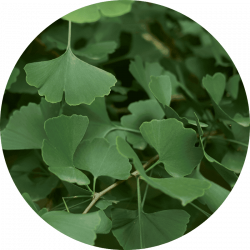
Ginkgo biloba is the only surviving species of the Ginkgoaceae family, making it a true living fossil.
This ancestral tree, which appeared more than 270 million years ago, can live for more than 1000 years and withstand the most extreme environmental conditions.
Originally from China, Ginkgo biloba has been traditionally used in Chinese medicine for over 5000 years.
Its fan-shaped leaves contain unique bioactive compounds, concentrated in standardized extracts to guarantee their therapeutic effectiveness.
The tree can reach 40 meters in height and is distinguished by its remarkable resistance to urban pollution, diseases and parasites.
This exceptional robustness reflects the power of the protective mechanisms contained in its leaves.
Composition of Ginkgo biloba and active ingredients
The effectiveness of Ginkgo biloba is based on two families of bioactive compounds with complementary and synergistic properties.
- Flavonoids (24% in standardized extracts) : quercetin, kaempferol and isorhamnetin with powerful antioxidant properties
- Lactone terpenes (6% in standardized extracts) : ginkgolides A, B, C and bilobalide, responsible for the effects on circulation
- Proanthocyanidins : strengthen the resistance of blood capillaries
- Organic acids : ginkgolic acid, present in controlled quantities in quality extracts
- Ginkgetol and biletol : phenolic compounds specific to this plant
What are the benefits of Ginkgo biloba?
Ginkgo biloba acts through two main mechanisms: improving blood microcirculation and cellular antioxidant protection.
These actions are particularly beneficial for maintaining the vitality of hair follicles and preserving hair density.
Ginkgolides inhibit platelet activating factor (PAF), thus promoting better blood fluidity and optimal tissue oxygenation.
This circulatory improvement is accompanied by antioxidant protection which neutralizes the free radicals responsible for cellular aging.
- Stimulation of capillary microcirculation : promotes the supply of nutrients and oxygen to hair follicles
- Powerful antioxidant protection : neutralizes free radicals and protects scalp cells
- Strengthening hair resistance : improves the structure and resistance of small blood vessels
- Support for follicular vitality : optimizes the nutritional environment of the hair roots
- Mild anti-inflammatory action : soothes irritations and maintains scalp balance
- Improved tissue oxygenation : optimizes cellular exchanges in the scalp
Key points:
- Improves scalp microcirculation by 15 to 20%
- Reduces oxidative stress thanks to its flavonoids
- Promotes hair vitality and density
- Strengthens the resistance of blood capillaries
- Supports nutritional supply to hair follicles
Tips for using Ginkgo biloba
Ginkgo biloba extract mainly comes in the form of standardized extracts, guaranteeing an optimal concentration of active ingredients.
The recommended dosage generally varies between 120 and 240 mg per day of standardized extract EGb 761.
A daily dose divided into two doses, ideally during meals, optimizes absorption and reduces possible digestive sensitivities.
The first effects on circulation generally appear after 4 to 6 weeks of regular use.
⚠️ Note: respect the dosages indicated and favor standardized extracts to guarantee effectiveness and safety of use.
Ginkgo biloba at the heart of MiYé formulas
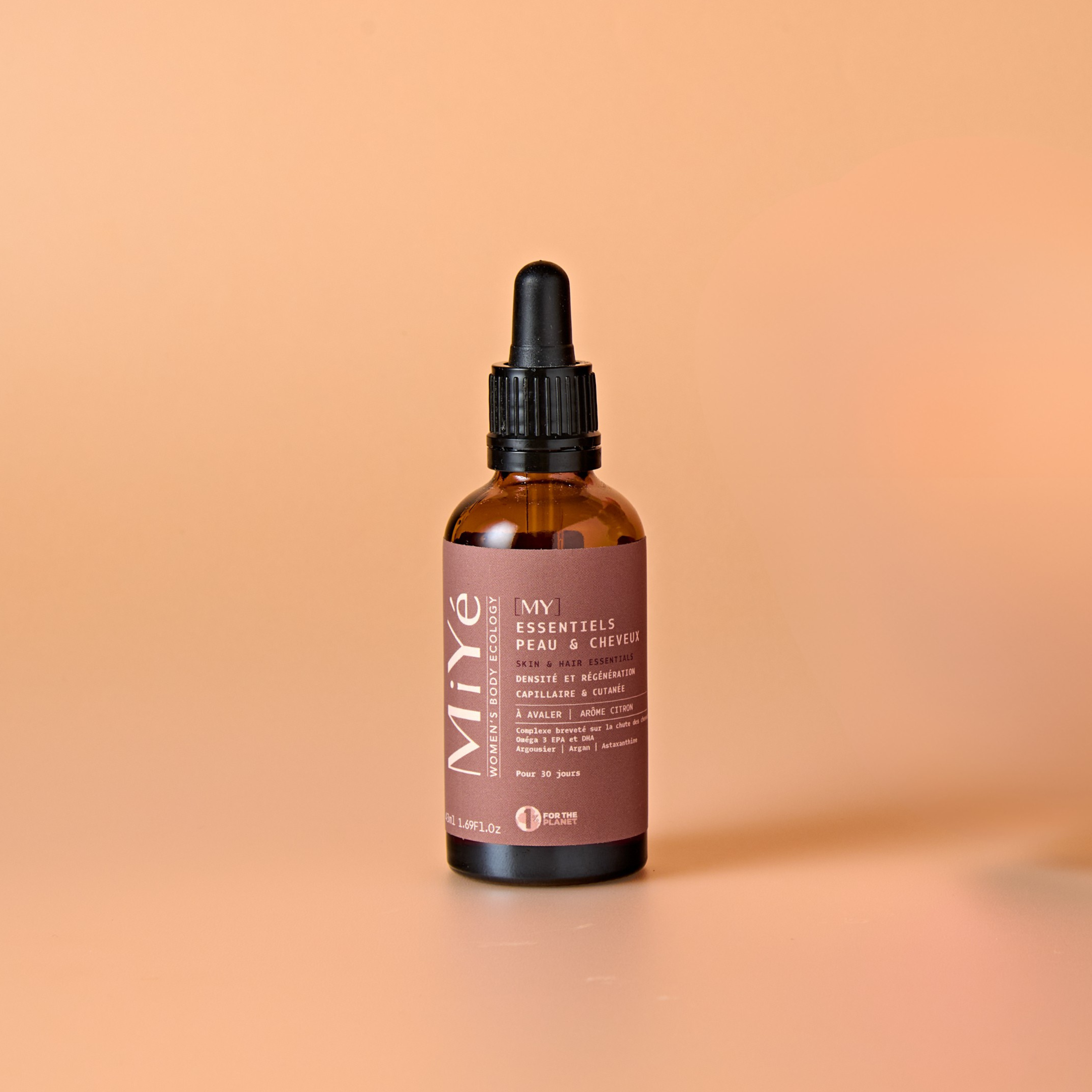
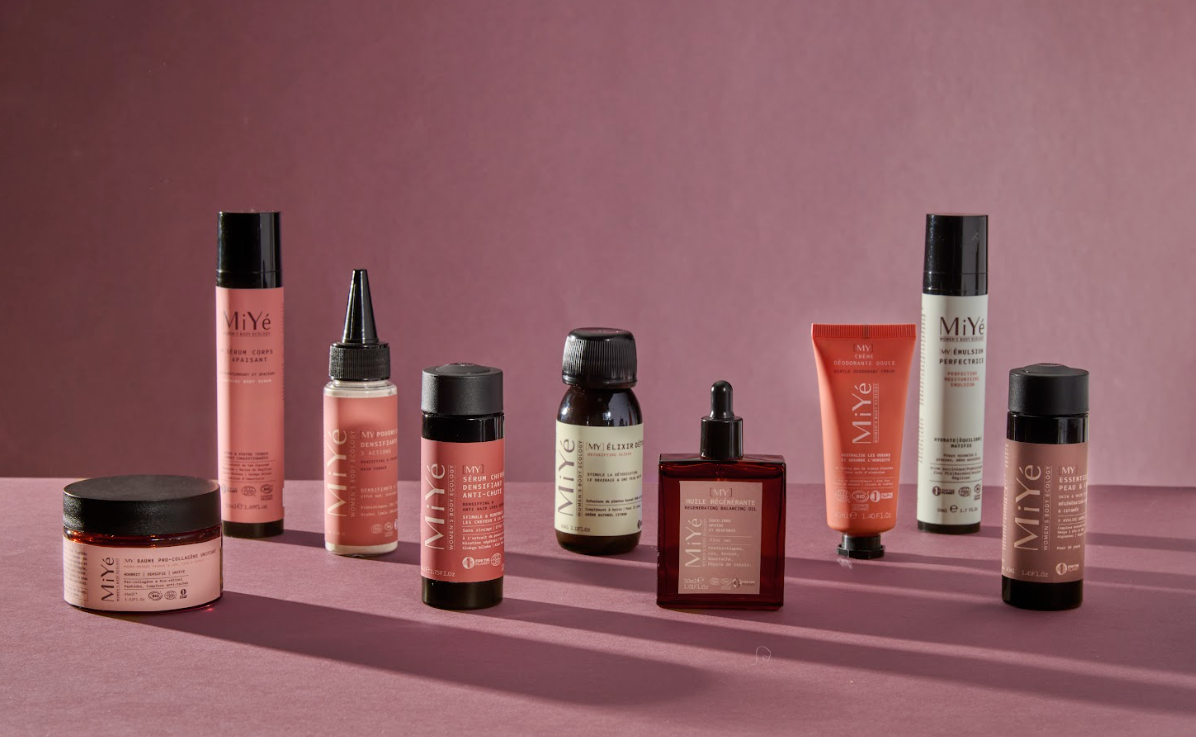
MiYé integrates Ginkgo biloba into its hair formulations for its exceptional circulatory properties and its protective action on hair follicles.
This natural synergy supports hair vitality and helps maintain optimal density.
[MY] INTEGRAL ANTI-FALL PACK
- Restores hair vitality and density
- Absorbs excess sebum and soothes the scalp
- Provides volume and texture
- Refreshes your hair, gives it texture and care
[MY] COMFORT PACK
- Contributes to good hormonal regulation
- Designed to soothe sensitized and tense areas
- Texture massage treatment serum without rinsing
- Without contraindicated phytohormones
Precautions for using Ginkgo biloba
Adverse effects of Ginkgo biloba
Ginkgo biloba generally has excellent tolerance at recommended dosages.
Adverse effects remain rare and are most often limited to mild digestive disorders or transient headaches at the start of treatment.
People on anticoagulant treatment should exercise caution due to the thinning properties of Ginkgo.
Medical supervision is also necessary in the event of coagulation disorders or before surgical intervention.
⚠️ Not recommended during pregnancy and breastfeeding, as well as in cases of epilepsy or simultaneous taking of anticoagulants without medical advice.
Frequently asked questions about Ginkgo biloba
Discover the answers to the most common questions regarding this plant with multiple benefits.
What are the main benefits of Ginkgo biloba for hair?
Ginkgo biloba significantly improves microcirculation of the scalp, thus promoting the supply of essential nutrients to hair follicles.
Its antioxidant properties also protect hair cells from oxidative stress responsible for premature aging.
How long does it take to see the effects of Ginkgo biloba?
The first effects on circulation generally appear after 4 to 6 weeks of regular use.
For hair benefits, use should be continued for 3 to 4 months to observe a significant improvement in vitality and density.
Can Ginkgo biloba be combined with other hair active ingredients?
Ginkgo biloba combines perfectly with other active ingredients such as biotin, sulfur amino acids or B group vitamins.
This synergy optimizes the overall effectiveness on hair health and reinforces the nutritional action of the follicles.
Are there any contraindications to the use of Ginkgo biloba?
Certain precautions are necessary, particularly in the event of anticoagulant treatment, coagulation disorders or epilepsy.
Pregnant and breastfeeding women should also avoid its use without prior medical advice.
How to choose a quality Ginkgo biloba extract?
Choose standardized extracts EGb 761 containing 24% flavonoids and 6% lactone terpenes, with a ginkgolic acid level of less than 5 ppm.
This standardization guarantees optimal efficiency and maximum safety of use.
Sources
World Health Organization.
Monographs on Selected Medicinal Plants, Volume 1.
Geneva: WHO Press, 1999.
European Medicines Agency.
Assessment report on Ginkgo biloba L., folium.
EMA/HMPC/321097/2012.
National Health Security Agency.
Notice relating to the risks associated with the consumption of food supplements containing Ginkgo biloba.
ANSES, 2013.