




GLUCOSAMINE
Amino sugar, a hyaluronic acid precursor, deeply hydrates, evens skin tone, and strengthens the skin barrier for denser, more radiant skin.
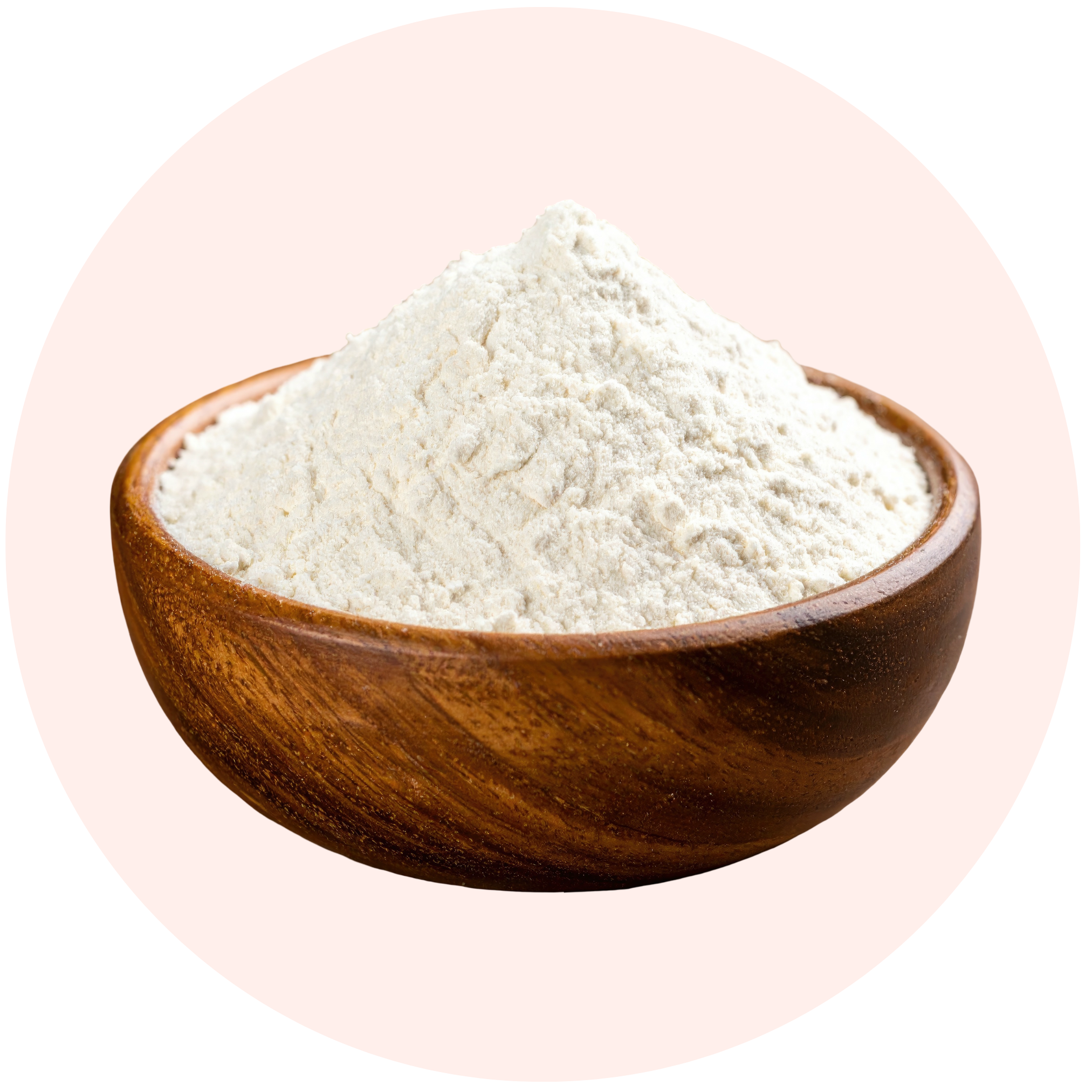

GLUCOSAMINE: Discover its benefits
LASTING HYDRATION ⎪ SKIN BARRIER ⎪ ANTI-SPOT
Glucosamine is an amino sugar naturally present in the body, synthesized from glucose and glutamine. It is one of the essential precursors of glycosaminoglycans, structural molecules that make up cartilage, synovial fluid, and the extracellular matrix of the skin.
The benefits of glucosamine go far beyond joint support, for which it is traditionally known. In cosmetics, it acts as a multifunctional active ingredient: moisturizing, brightening, stimulating cell renewal, and repairing the skin barrier.
What is glucosamine? Definition and origin
Glucosamine is an amino monosaccharide, derived from glucose, that the body naturally produces in cartilage and connective tissues. It is the direct precursor of hyaluronic acid, chondroitin, and other essential glycosaminoglycans for tissue hydration and structure.
Its endogenous production gradually decreases with age, contributing to the degradation of articular cartilage, loss of skin density, and weakening of the epidermal barrier.
In cosmetics and supplementation, glucosamine is primarily obtained by hydrolysis of chitin, extracted from crustaceans, or by plant fermentation for vegan formulas. Its small molecular size allows for effective penetration into the superficial layers of the epidermis.
Recognized since the 1990s for its joint properties, glucosamine has seen its field of application expand to the skin domain thanks to the demonstration of its effects on hyaluronic acid synthesis and melanin regulation.
Composition and active principles of glucosamine
Glucosamine comes in several forms with complementary properties:
- Glucosamine sulfate: the most studied form for joint support, with high bioavailability
- Glucosamine HCl (hydrochloride): concentrated form of pure glucosamine, preferred in cosmetics
- N-acetyl glucosamine (NAG): acetylated form particularly effective for the skin, direct precursor of hyaluronic acid and melanin regulator
- Chitosan: polymer derived from glucosamine with film-forming and antimicrobial properties
What are the benefits of glucosamine?
Clinical studies show that topically applied N-acetyl glucosamine significantly improves skin hydration, reduces hyperpigmentation, and accelerates epidermal cell renewal. Its action on hyaluronic acid synthesis makes it a leading moisturizing active ingredient.
At the cellular level, glucosamine activates keratinocyte and fibroblast receptors, stimulating both the production of the extracellular matrix and the renewal of superficial epidermal cells.
- Deep hydration: direct precursor of hyaluronic acid, it stimulates its endogenous synthesis for lasting internal hydration
- Brightening action: inhibits tyrosinase, a key enzyme in melanogenesis, to reduce spots and even out skin tone
- Cell renewal: accelerates epidermal turnover and promotes the natural exfoliation of dead cells
- Skin barrier repair: stimulates ceramide synthesis and strengthens the integrity of the epidermal barrier
- Joint support: contributes to cartilage reconstruction and joint lubrication with oral supplementation
- Global anti-aging effect: combined with collagen and elastin, it participates in the densification of the dermal matrix
Key points:
- Natural precursor of hyaluronic acid
- Tyrosinase inhibitor for an even complexion
- Stimulates epidermal cell renewal
- Strengthens the skin barrier and ceramides
- Powerful synergy with moisturizing and anti-aging active ingredients
How to use glucosamine
For topical use, glucosamine (especially in the form of N-acetyl glucosamine) is used at concentrations of 2% to 5% in serums, day creams, brightening treatments, and moisturizing masks.
It should be applied to clean skin, morning and/or evening, and ideally combined with niacinamide to enhance its action on spots, or with hyaluronic acid to maximize hydration.
For oral supplementation, common dosages range from 1,000 to 1,500 mg per day of glucosamine sulfate or HCl, preferably with meals.
⚠️ Note: people allergic to shellfish must ensure they use a form of glucosamine of plant origin (fungal fermentation).
Precautions for use of glucosamine
Glucosamine has a very good tolerance profile, both for topical and oral use. Side effects are rare and generally mild.
Possible side effects:
- Shellfish allergy: marine-derived glucosamine can cause reactions in sensitive individuals. Prefer vegan forms if you have a known allergy.
- Mild digestive problems: with oral supplementation, nausea or digestive discomfort may occur at the beginning of supplementation. Taking it with meals usually reduces these symptoms.
- Effect on blood sugar: as an amino sugar, glucosamine can influence glucose metabolism in some people. Diabetics should consult a doctor before any supplementation.
- Drug interactions: caution is recommended with anticoagulant treatment (warfarin), as interactions have been reported at high doses.
- Rare skin reactions: slight transient redness possible on very reactive skin during the first topical applications.
⚠️ Pregnant women, breastfeeding women, and people on medical treatment should consult a healthcare professional before any oral supplementation.
Frequently asked questions about glucosamine
What is the difference between glucosamine and N-acetyl glucosamine?
Glucosamine is the basic form, mainly used in joint supplementation. N-acetyl glucosamine (NAG) is its acetylated form, more stable and better suited for cosmetic use. NAG is a direct precursor of hyaluronic acid and has a more pronounced brightening action.
Is glucosamine effective against dark spots?
Yes, N-acetyl glucosamine inhibits tyrosinase and reduces the transfer of melanin to keratinocytes. Combined with niacinamide, it is one of the most effective duos for evening out skin tone and reducing hyperpigmentation.
Can glucosamine be used on sensitive skin?
For topical use, glucosamine is generally very well tolerated, even on sensitive skin. Its structure, similar to the natural components of the skin, makes it a biocompatible active ingredient with low irritating potential.
Is glucosamine suitable for vegans?
The standard form is of marine origin (crustacean chitin). Vegan alternatives exist, obtained by fungal fermentation. Check for the mention "vegan" or "plant fermentation" on the product label.
How long does it take to see the effects of glucosamine?
For topical use in certain cosmetic formulations, an improvement in hydration and radiance is noticeable within 2 to 3 weeks. Effects on spots and skin texture require 6 to 8 weeks of regular application. For joint supplementation, benefits generally appear after 4 to 8 weeks.
Sources:Bissett DL. "Glucosamine: an ingredient with skin and other benefits." Journal of Cosmetic Dermatology, 2006.Hwang YP. et al. "N-acetyl glucosamine inhibits melanogenesis." Biological & Pharmaceutical Bulletin, 2012.Reginster JY. et al. "Long-term effects of glucosamine sulphate on osteoarthritis progression." The Lancet, 2001.