



LAUROYL LYSINE
Lauroyl Lysine is a naturally derived ingredient obtained by combining lysine—an amino acid naturally present in skin proteins—with lauric acid, a plant-derived fatty acid. In cosmetics, it is valued for its emollient and sensory properties. It provides a silky feel, improves formula glide, and helps enhance skin comfort without leaving a greasy film.
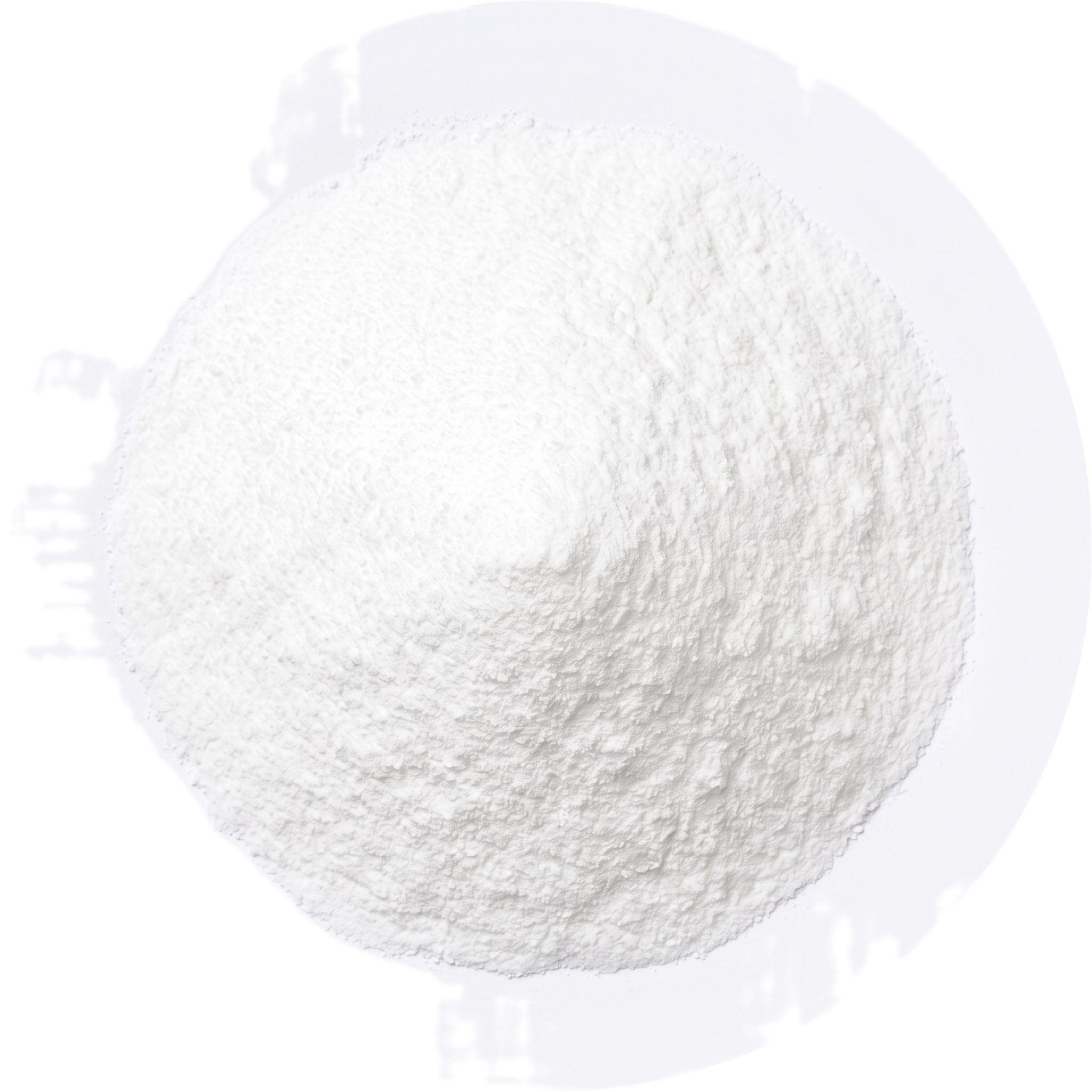

LAUROYL LYSINE: The Secret to a Velvet Touch
EMOLLIENT ⎪ TEXTURE AGENT
What is Lauroyl Lysine?
Lauroyl Lysine is a biomimetic amino acid derivative, designed from two molecules naturally present in living organisms: lysine and lauric acid. Thanks to this composition, it has an excellent affinity with the skin and easily integrates into skincare designed for sensitive skin types.
Unlike more occlusive fatty substances, it forms a lightweight veil that softens the skin's surface, enhances comfort, and provides a particularly pleasant matte finish. It also plays an essential role in the texture of skincare products by giving them a velvety feel and ensuring an excellent application.
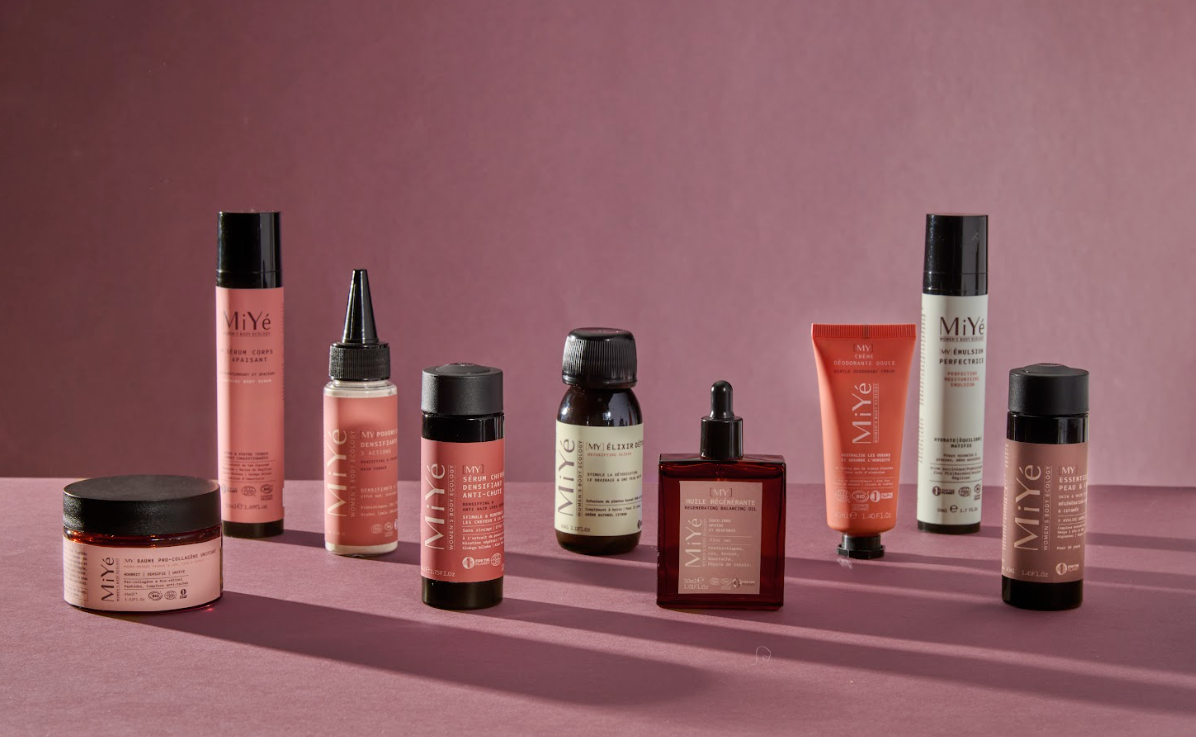
In our [MY] Balancing Pro-Collagen Balm, Lauroyl Lysine is the primary biomimetic emollient in the formula. It contributes to the balm's dense, melting texture while nourishing the skin with no greasy effect. In combination with ceramides, squalene, and vegetable oils, it helps preserve the hydrolipid film and leaves the skin soft, supple, and comfortable.
Where does Lauroyl Lysine come from?
Lauroyl Lysine is obtained by bonding lysine—an amino acid naturally present in human proteins—with lauric acid, a fatty acid primarily derived from plant oils such as coconut oil. This structure, inspired by the skin's natural components, explains its excellent skin tolerance and its use in many formulas designed for sensitive skin.
Properties and Active Principles of Lauroyl Lysine
Lauroyl Lysine possesses several properties that make it a valued ingredient in cosmetics:
- Emollient: Softens the skin and improves its comfort.
- Sensory agent: Provides a silky, powdery, and non-greasy touch.
- Texture agent: Improves the glide and application of skincare products.
- Skin conditioner: Helps leave the skin supple and pleasant after application.
- Formulation stabilizer: Contributes to the stability and sensory quality of emulsions.
What are the benefits of Lauroyl Lysine?
Lauroyl Lysine does not act directly as an anti-aging or hydrating active ingredient, but it considerably improves the user experience of the product and contributes to skin comfort.
Its main benefits include:
- Makes the skin immediately softer and smoother.
- Provides a velvety finish with no sticky effect.
- Improves comfort for dry or fragile skin.
- Promotes an even distribution of active ingredients on the skin.
- Contributes to a texture that is rich yet lightweight, ideal for daily use.
Lauroyl Lysine at the heart of MiYé formulas
[MY] BALANCING PRO-COLLAGEN BALM
- Provides the balm with its dense, melting, and comfortable texture.
- Nourishes the skin without leaving a greasy finish.
- Contributes to the matte finish that makes it an excellent makeup primer.
- Acts in synergy with ceramides, squalene, and vegetable oils to preserve skin comfort.
How to use Lauroyl Lysine?
Lauroyl Lysine is used exclusively for topical skin application within cosmetic formulas. It is not an active ingredient to be used on its own, but a formulation ingredient that improves both the sensory experience and the comfort of the product. Combined with biomimetic lipids like ceramides or squalene, it participates in creating a lightweight protective film that limits sensations of dryness while letting the skin breathe. Its soft, non-greasy texture makes it an ally for skincare designed for sensitive or fragile skin, as well as for formulas aiming for a matte and velvety finish.
Any side effects?
Lauroyl Lysine is considered a safe ingredient when used under intended cosmetic conditions. Reactions are very rare. As with any cosmetic ingredient, individual sensitivity may exceptionally occur in some people. However, it is recognized for its good tolerance, including in skincare designed for sensitive skin.
Frequently Asked Questions about Lauroyl Lysine
- Why is Lauroyl Lysine used in skincare? Lauroyl Lysine enhances the sensory feel of the product by providing a soft, velvety touch. It also facilitates formula application and contributes to skin comfort, without leaving a greasy or sticky finish.
- Does Lauroyl Lysine nourish the skin? On its own, Lauroyl Lysine is not a nourishing active ingredient. However, thanks to its emollient properties, it helps soften the skin and participates in maintaining skin comfort. It works in tandem with the vegetable oils, ceramides, and other lipids present in the formula.
- Is Lauroyl Lysine suitable for sensitive skin? Yes. Its structure, derived from an amino acid naturally present in the skin, gives it an excellent affinity with the epidermis. It is generally well tolerated and used in treatments adapted for sensitive skin.
- Why is it combined with ceramides and squalene? These ingredients fulfill complementary functions. Lauroyl Lysine improves the touch and comfort of application, while ceramides and squalene participate in strengthening the skin barrier and maintaining hydration. Their combination results in a formula that is both pleasant to apply and respectful of the skin's balance.
- Is Lauroyl Lysine a naturally derived ingredient? Yes. It is obtained from lysine, an amino acid naturally present in proteins, and lauric acid, a fatty acid primarily sourced from vegetable oils. This origin contributes to its excellent compatibility with the skin.