






MAGNESIUM
Act synergistically to promote the best bioavailability and absorption of magnesium, without side effects.
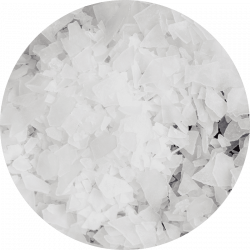

3 FORMS OF MAGNESIUM
REGULATES ⎪ SOOTHES ⎪PROTECTS
What is magnesium?
Magnesium is an essential mineral for the proper functioning of the body, playing a role in more than 300 enzymatic reactions, including those involved in energy production, muscle contraction, and nerve transmission. It is found naturally in various foods like green vegetables, nuts, seeds and whole grains. Magnesium is also available in the form of dietary supplements and is often recommended to prevent and treat deficiencies, which can lead to conditions such as fatigue, muscle cramps and irritability. Its importance for heart, muscle and mental health makes it an essential nutrient.
More than 70% of women are deficient in magnesium! It is the most common deficiency in the population, but magnesium is involved in more than 200 reactions in the body, and it is one of the pillars of nervous and hormonal balance. We therefore wanted to create the best magnesium (grouped with synergistic plants & vitamins) and have carefully selected three complementary forms of magnesium to optimize its bioavailability while avoiding the side effects sometimes linked to magnesium (laxative): bisglycinate, malate and citrate for synergistic action.
Magnesium is known to contribute to normal functioning of the nervous system since it plays a role in the release of serotonin which positively influences our well-being and helps combat feelings of depression and irritability. Likewise, magnesium activates melatonin which is the sleep hormone, which helps reduce mental and physical fatigue and stress.
We love it so much that we even use it in cosmetics where it has moisturizing, but also soothing and antioxidant properties thanks to its inhibiting action on reactions favored by oxygen, avoiding oxidation and therefore premature aging of the skin.
Where does magnesium come from?
Magnesium is found in the earth's crust, in seawater and in many food sources. It is found naturally in green vegetables (thanks to its presence in chlorophyll), legumes, whole grains, dried fruits (especially almonds and walnuts), and seeds. Mineral waters may also contain magnesium. Due to decreasing levels of magnesium in soils and therefore in foods, magnesium supplements have become popular to meet daily needs. Common forms of supplements include magnesium citrate, magnesium glycinate, and magnesium malate, which are absorbed differently by the body.
Properties and active ingredients
Magnesium has unique properties and plays many roles in the body. Here are its main characteristics and actions:
- Participation in enzymatic reactions : Magnesium is an essential cofactor in more than 300 enzymatic reactions, influencing vital processes such as protein synthesis, energy production and blood sugar regulation.
- Muscle contraction and nerve function : This mineral is involved in the relaxation of muscles after contraction, by regulating the activity of calcium ions in muscle cells, thus contributing to the prevention of cramps and spasms.
- Bone Health Support : Magnesium is necessary for bone formation and maintaining bone density. It acts synergistically with calcium and vitamin D to strengthen bones.
- Regulator of the nervous system : By regulating neurotransmitter levels and reducing the excitability of nerve cells, magnesium helps stabilize mood and reduce stress and anxiety.
- Effect on sleep : Magnesium is known to promote relaxation and improve sleep quality, by stimulating GABA receptors in the brain, which helps relax the nervous system.
What are the benefits of magnesium?
Magnesium offers many benefits for the body and mind, including the muscular system, nervous system and general well-being. Here are the main benefits of this essential mineral:
- Reduction of muscle cramps and spasms : By helping with muscle relaxation, magnesium is beneficial in reducing cramps, muscle pain and spasms, especially in athletes and pregnant women.
- Improved sleep quality : Thanks to its relaxing effect on the nervous system, magnesium promotes deep and restful sleep, which helps fight insomnia and improves recovery.
- Mental health support : Magnesium has a stabilizing effect on mood and can reduce symptoms of anxiety and depression. It is sometimes called an “anti-stress mineral” for its calming effects.
- Prevention of cardiovascular diseases : Magnesium helps maintain stable blood pressure, regulate heart rate and prevent cardiovascular disease, by improving the relaxation of blood vessels and reducing calcium accumulation.
- Strengthening bone density : As a key mineral for bone health, magnesium participates in bone mineralization and prevents osteoporosis, especially in synergy with calcium and vitamin D.
- Balancing energy levels : Magnesium is involved in the production of ATP, the main source of cellular energy, which helps reduce fatigue and improve vitality.
ITS BENEFITS:
- Contributes to the proper functioning of the nervous system
- Helps combat feelings of depression and irritability
- Has soothing, oxygenating and anti-inflammatory properties through the skin
Magnesium at the heart of Miyé products
[MY] HOLI PACK
- Contributes to good hormonal regulation
- Soothes the intimate area
- Restores hair vitality and density
- Without contraindicated phytohormones or suspected endocrine disruptors
[MY] BALANCE PACK
- Contributes to better overall physical comfort
- Soothes the intimate area
- Intimate gel rated “Excellent” on rating applications
- Without contraindicated phytohormones
How to consume magnesium?
Magnesium can be consumed through food or in the form of dietary supplements. Here are the main ways to benefit from it on a daily basis:
- Food sources : Magnesium is found in foods such as spinach, almonds, pumpkin seeds, whole grains, avocados, and bananas. To maximize natural intake, choose a varied diet rich in green vegetables, nuts and legumes.
- Food supplements : Magnesium supplements are available in different forms, such as magnesium citrate (easily absorbed and gentle on the stomach), magnesium glycinate (known for its calming effect and beneficial for sleep), and magnesium malate (often used to reduce fatigue). The recommended daily dose ranges from 300 to 400 mg for an adult, but it is best to consult a healthcare professional to adjust the dosage.
- Topical use : Magnesium can also be absorbed through the skin in the form of magnesium salt sprays or baths (magnesium chloride or magnesium sulfate, also called Epsom salt), which is useful for relaxing muscles and reducing joint pain.
Note : It is important not to exceed the recommended doses, as excessive magnesium consumption can cause side effects, such as diarrhea. If in doubt, consult a healthcare professional before starting supplementation.
Any side effects?
Magnesium is generally well tolerated, but certain adverse effects may occur, particularly in the event of excessive consumption or individual sensitivities:
- Laxative effect : Too much magnesium, especially in the form of magnesium citrate or oxide, can cause diarrhea. Sensitive people may prefer better tolerated forms such as magnesium bisglycinate.
- Digestive disorders : In addition to laxative effects, high supplementation can cause bloating, abdominal cramps, or nausea. It is recommended to start with a low dose and gradually increase as tolerated.
- Drug interactions : Magnesium may interact with certain medications, such as antibiotics, diuretics, and thyroid medications. Medical advice is advised if you are taking regular treatment.
- Hypotension : Although rare, excess magnesium can lower blood pressure. People with hypotension or taking antihypertensive medications should exercise caution and consult a professional before taking magnesium supplements.
- Accumulation in people with renal insufficiency : People with kidney problems can accumulate magnesium in their body, which can lead to toxic effects. Patients with renal insufficiency should avoid supplementation without medical advice.
Sources
The health benefits of magnesium are well documented in nutrition and medical research. Numerous studies confirm its essential role in muscle relaxation, cardiovascular health, and the regulation of mood and sleep. Health bodies, such as the EFSA and FDA, recognize the importance of magnesium in the diet and endorse it as a safe supplement when taken in recommended doses.