



MICROCRYSTALLINE CELLULOSE
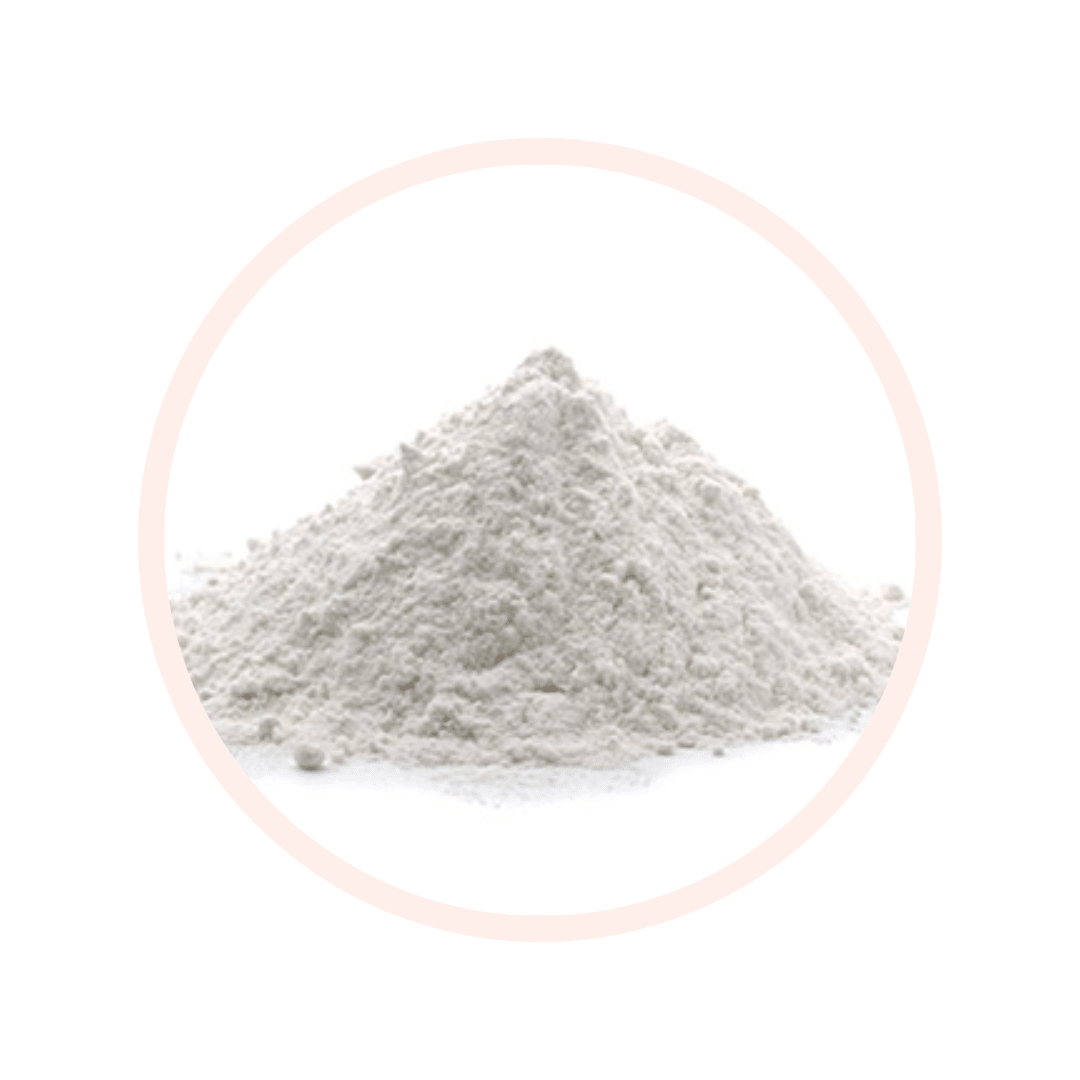
Microcrystalline cellulose is a purified form of cellulose, obtained from plants and plant fibers, often from sources like cotton or wood. This natural compound is widely used in the food, pharmaceutical and cosmetic industries for its thickening, stabilizing and binding properties. In cosmetics, it is appreciated for its soft texture and its ability to provide volume, without weighing down formulations.

MICROCRYSTALLINE CELLULOSE
EXCIPIENT ⎪ STABILIZER
What is microcrystalline cellulose?
Microcrystalline cellulose is a purified form of cellulose, obtained from plants and plant fibers, often from sources like cotton or wood. This natural compound is widely used in the food, pharmaceutical and cosmetic industries for its thickening, stabilizing and binding properties. In cosmetics, it is appreciated for its soft texture and its ability to provide volume, without weighing down formulations. Hypoallergenic and biodegradable, microcrystalline cellulose is a natural alternative to synthetic additives, ideal for natural and hypoallergenic care products.
Cellulose powder is obtained from wood. In aqueous solution, it stabilizes emulsions and improves the stability of the formulation and shelf life.
Where does microcrystalline cellulose come from?
Microcrystalline cellulose is extracted from the cell walls of plants, including trees like pine and cotton. It is obtained by a process of purifying plant cellulose, transforming it into a white, fine and odorless powder. This purified version of cellulose is very stable and biodegradable, making it a popular ingredient in natural and organic products. Its production relies on renewable sources, providing an eco-friendly option for personal care formulations.
Properties and active ingredients
Microcrystalline cellulose has several beneficial properties for the formulation of skincare products. Here are its main characteristics and actions:
- Thickener and texturizer : It improves the consistency of creams, gels and other products by providing structure and volume.
- Bulking Agent : It is often used to give volume to tablets and capsules in pharmaceutical and cosmetic formulations, without affecting the other active ingredients.
- Stabilizing effect : It stabilizes emulsions, preventing the separation of aqueous and oily phases in care products.
- Hypoallergenic and inert : Without irritating properties, it is suitable for all skin types, including sensitive skin.
- Biodegradable : Microcrystalline cellulose is completely biodegradable, making it an environmentally friendly choice for eco-friendly formulations.
What are the benefits of microcrystalline cellulose?
Microcrystalline cellulose offers many benefits for the formulation of care products, thanks to its thickening, stabilizing and hypoallergenic properties. Here are the main benefits of this natural ingredient:
- Increased formulation stability : It ensures the consistency and stability of the products, extending their lifespan and effectiveness.
- Soft and silky texture : As a natural thickener, it improves the texture of cosmetic products, giving them a pleasant and velvety finish.
- Absence of allergens : Its inert and hypoallergenic nature makes it a safe ingredient for sensitive and reactive skin, without risk of irritation.
- Volumizing effect in cosmetics : It brings volume and body to products without weighing it down, ideal in light and airy formulations.
- Ecological and sustainable option : From renewable sources, microcrystalline cellulose is biodegradable, supporting environmentally friendly manufacturing practices.
How to consume microcrystalline cellulose?
Microcrystalline cellulose is mainly used in skincare products for its thickening, texturizing and stabilizing properties. Here are the main ways to benefit from this ingredient:
- Facial creams and lotions : In cosmetics, it is integrated into creams to improve their texture and provide a soft and pleasant sensation on the skin.
- Cleansing gels and masks : It gives body to cleansing products and masks, allowing uniform application and comfort of use.
- Tablets and capsules : As a bulking agent, it is widely used in dietary supplements and pharmaceutical formulations, ensuring consistency and dosing accuracy.
- Makeup products : In makeup, it improves the hold of powders and their consistency, offering a matte and silky finish.
- Gentle exfoliants : It can be integrated into gentle exfoliants to provide a light exfoliating effect, ideal for deep cleansing without aggression.
Note : Microcrystalline cellulose is well tolerated by all skin types, including the most sensitive. It can be used in hypoallergenic care, due to its soft and inert nature. It is also environmentally friendly thanks to its biodegradability.
Any side effects?
Microcrystalline cellulose is generally well tolerated, but some adverse effects may occur, although rare:
- Skin sensitivity : In rare cases, it may cause mild skin irritation in people with very reactive skin.
- Drying effect for dry skin : Due to its absorbent properties, it can dry out very dry skin. Use it in combination with moisturizing agents in this case.
- Interactions with certain assets : Microcrystalline cellulose can affect the texture of products when combined with certain strong chemical active ingredients. It is recommended for gentle and natural formulations.
- Inhalation of the powder : In fine powder, it may cause slight respiratory irritation in the event of accidental inhalation. Handle with care when applying.
- Risk of interference in analyzes : In complex formulations, it can alter the bioavailability of certain ingredients if used in large quantities.
Sources
The benefits of microcrystalline cellulose are well documented in cosmetic, pharmaceutical and food research. This ingredient is recognized for its texturizing, stabilizing and hypoallergenic properties, helping to improve the consistency of products while respecting the integrity of the skin. Its biodegradability makes it an environmentally friendly option for ecological and natural formulations. Studies show its effectiveness in stabilizing formulations and providing texture without weighing down products.