



POLYPHENOLS
Plant-derived antioxidants neutralize free radicals, protect collagen, and even out skin tone for skin that is protected, brightened, and lastingly preserved from aging.
![Source de polyphénols utilisée dans [MY] Essentiels Os, Peau & Articulations MiYé](http://www.miye.care/cdn/shop/files/Chondroitine_1.png?v=1784105527&width=2025)
POLYPHENOLS: Discover their numerous benefits
ANTIOXIDANT ⎪ANTI-INFLAMMATORY ⎪ SKIN RADIANCE
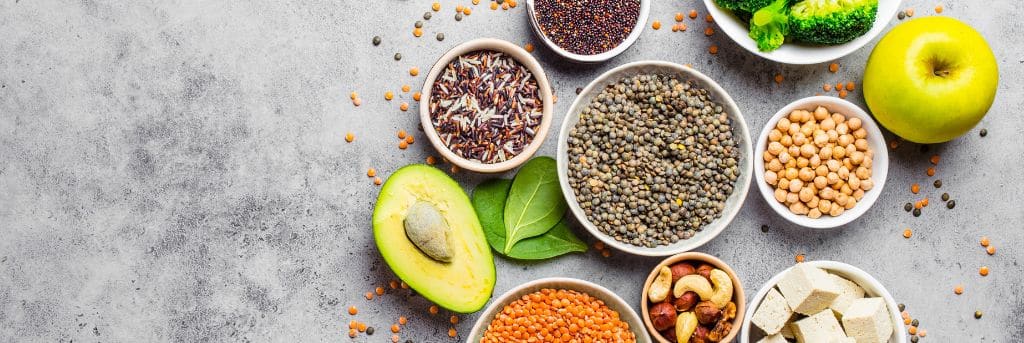
Polyphenols are a large family of bioactive molecules of plant origin, recognized for their exceptional antioxidant power. Naturally present in fruits, vegetables, tea, red wine, and many medicinal plants, they constitute one of the most effective natural shields against premature cellular aging.
The benefits of polyphenols extend far beyond their antioxidant action alone. They act deeply on inflammation, pigmentation, microcirculation, and collagen synthesis, making them leading anti-aging active ingredients in modern cosmetic formulas.
What are polyphenols? Definition and origin
Polyphenols are secondary metabolites produced by plants to protect themselves from external aggressions: UV radiation, pathogens, water stress. More than 8,000 different structures have been identified in the plant kingdom, grouped into several large families according to their chemical structure.
Their common feature is the presence of at least one aromatic ring bearing one or more hydroxyl groups, which gives them their ability to neutralize free radicals and chelate pro-oxidant metals.
In cosmetics, the most commonly used sources are resveratrol (grape), catechins (green tea), anthocyanins (red fruits), ellagic acid (pomegranate, raspberry), isoflavones (soy), and OPCs (grape seeds). Each family has a specific action profile and particular affinities for certain tissues.
Their use in medicine and cosmetics dates back to antiquity, long before their chemical structure was elucidated in the 20th century. Current research confirms and clarifies their mechanisms of action at the molecular level.
Composition and main families of polyphenols
Polyphenols are divided into several large families with complementary properties:
- Flavonoids: the largest family (flavonols, flavones, anthocyanins, isoflavones) — antioxidant, anti-inflammatory, and photoprotective action
- Stilbenes (resveratrol): powerful grape antioxidant, activator of sirtuins involved in cell longevity
- Phenolic acids (ellagic acid, gallic acid): brightening, anti-tyrosinase, and UV protective action
- Tannins (OPCs, proanthocyanidins): protect and strengthen collagen and elastin fibers
- Lignans: natural phytoestrogens, particularly interesting for hormonally imbalanced skin
- Curcuminoids (curcumin): powerful anti-inflammatory agents, inhibitors of NF-kB pathways involved in skin aging
What are the benefits of polyphenols?
Scientific studies place polyphenols among the most powerful known antioxidant active ingredients, with an ORAC potential (measure of antioxidant capacity) among the highest in the plant kingdom. Some extracts like pomegranate or green tea show antioxidant activity up to 20 times greater than vitamin E.
At the skin level, polyphenols simultaneously act on several aging mechanisms: oxidative stress, chronic low-grade inflammation, collagen degradation, and hyperpigmentation.
- Antioxidant protection: neutralize free radicals generated by UV, pollution, and metabolic stress, protecting cellular DNA and structural proteins
- Anti-inflammatory action: inhibit pro-inflammatory mediators (cytokines, prostaglandins) to soothe reactive skin and reduce inflammatory aging
- Collagen stimulation: activate fibroblasts and protect existing fibers against enzymatic degradation
- Brightening action: some polyphenols (ellagic acid, resveratrol) inhibit tyrosinase and regulate melanogenesis to even out skin tone
- Photoprotection: absorb part of UV radiation and neutralize photo-induced free radicals, in addition to sun protection
- Hormonal balance: isoflavones and lignans act as natural phytoestrogens, supporting the skin during periods of hormonal fluctuations
Key points:
- Largest and most diverse antioxidant family in the plant kingdom
- Simultaneous action on oxidative stress, inflammation, and pigmentation
- Stimulate collagen synthesis and protect the dermal matrix
- Particularly beneficial for mature, reactive, or pollution-exposed skin
- Powerful synergy with vitamin C, vitamin E, and carotenoids
Tips for using polyphenols
For topical use, polyphenol extracts are incorporated into serums, day creams, radiance treatments, and anti-aging formulas at varying concentrations depending on the source: from 0.1% for resveratrol to 3-5% for green tea or pomegranate extracts.
They are particularly effective in the morning to strengthen protection against daily aggressions (UV, pollution), and in the evening to support the skin's nocturnal repair mechanisms.
The combination with vitamin C and vitamin E creates a complete antioxidant synergy covering all mechanisms of cutaneous oxidative stress.
For oral supplementation, a diet rich in polyphenols (red fruits, green tea, cocoa, olive oil) or targeted supplementation (resveratrol 100-500 mg/day, grape seed extract 100-300 mg/day) is recommended for a systemic effect.
⚠️Note: certain polyphenols like resveratrol can interact with anticoagulants at high doses. Consult a doctor if you are currently taking medication.
Precautions for using polyphenols
Polyphenols have an excellent tolerance profile, both for topical and oral use. Their natural and plant origin makes them active ingredients generally well-accepted by the body.
Possible side effects:
- Slight skin irritation: some concentrated extracts (green tea, pomegranate) can cause slight redness on very sensitive skin. A preliminary test on the inside of the elbow is recommended.
- Paradoxical pigmentation: at very high concentrations, some polyphenols like resveratrol can paradoxically stimulate melanogenesis. Respect recommended concentrations.
- Digestive issues: with high-dose oral supplementation, nausea or digestive discomfort may occur. Taking them with a meal can reduce these effects.
- Drug interactions: resveratrol and some flavonoids can interact with anticoagulants, antiplatelets, and certain immunosuppressants. Medical consultation is recommended.
- Rare photosensitivity: certain families of polyphenols can increase sun sensitivity. The application of sun protection is advised for daytime use.
⚠️Pregnant and breastfeeding women and individuals undergoing medical treatment should consult a healthcare professional before any oral supplementation with concentrated polyphenols.
Frequently asked questions about polyphenols
What is the most effective source of polyphenols for the skin?
Resveratrol, ellagic acid (pomegranate), and green tea catechins are among the most documented for cosmetic use. The choice depends on the objective: resveratrol for global anti-aging, ellagic acid for radiance and spots, catechins for antioxidant and sebum-regulating protection.
Do polyphenols replace sun protection?
No. They are a valuable complement to photoprotection by neutralizing photo-induced free radicals, but they do not replace sunscreen. Their synergistic use with SPF protection is highly recommended.
Are polyphenols suitable for sensitive skin?
Yes, provided that formulas adapted to reasonable concentrations are chosen. Some polyphenols, such as OPCs and anthocyanins, are particularly well tolerated by reactive skin due to their soothing and anti-inflammatory properties.
Are polyphenols suitable for vegans?
Absolutely. Polyphenols are exclusively of plant origin, perfectly suited for vegan formulas and diets.
How long does it take to see the effects of polyphenols?
A protective and radiance effect is noticeable within 2 to 3 weeks of regular topical use. Benefits on firmness, density, and even skin tone require 6 to 8 weeks of continuous application.
Sources:Scalbert A. et al. "Dietary polyphenols and the prevention of diseases." Critical Reviews in Food Science and Nutrition, 2005.Baxter RA. "Anti-aging properties of resveratrol." Journal of Cosmetic Dermatology, 2008.Biesalski HK. "Polyphenols and inflammation." Current Opinion in Clinical Nutrition & Metabolic Care, 2007.