




SQUALENE
Squalene is a lipid naturally produced by the sebaceous glands. As an essential component of sebum, it participates in forming the hydrolipid film that coats the skin's surface and helps preserve its balance. Thanks to its high affinity with skin lipids, it helps maintain skin suppleness, limit water loss, and protect the epidermis from external aggressions. In cosmetics, it is valued for its emollient properties and its ability to support the skin's natural protective mechanisms.
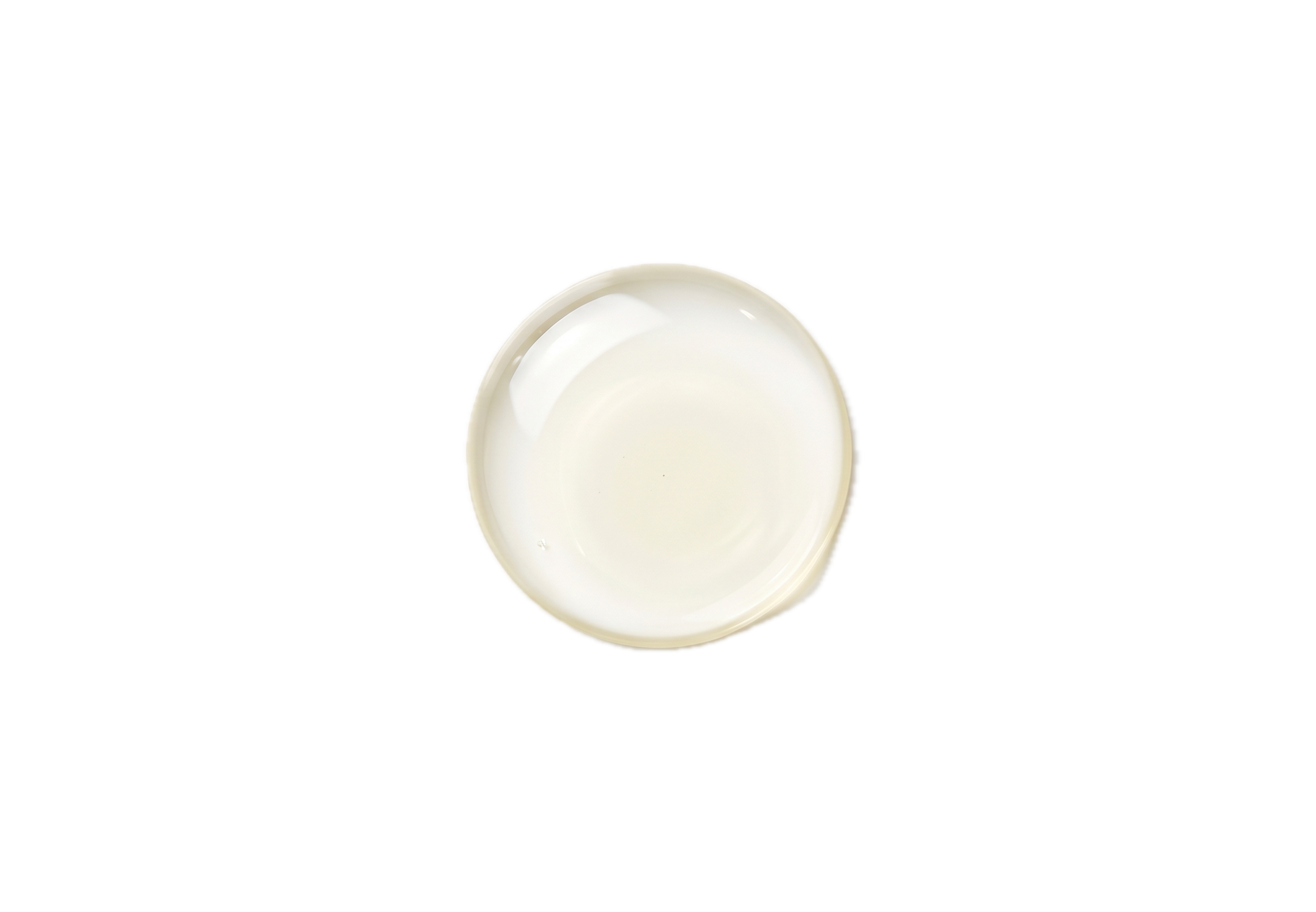

Squalene: A Lipid Naturally Present in the Skin
BIOMIMETIC LIPID ⎪ EMOLLIENT
What is Squalene?
Squalene is one of the primary components of human sebum. Produced by the sebaceous glands, it accounts for approximately 12% to 20% of the lipids found on the skin's surface. It plays a key role in forming the hydrolipid film, a thin protective layer that limits dehydration and acts as a first line of defense against environmental aggressions.
Beyond its protective role, squalene is also an essential intermediate in the biosynthesis of cholesterol. This biological function explains its natural presence in the body and its excellent compatibility with the skin. Unlike many plant-based fatty substances, it is instantly recognized by epidermal lipids, allowing it to easily integrate into the cutaneous film without disrupting its function.
Over time, the amount of squalene present in sebum gradually decreases. This decline contributes to the alteration of the barrier function observed with age, leading to drier, less supple skin that is more vulnerable to external stressors.
Where does Squalene come from?
Squalene is naturally present in many living organisms. Historically, it was primarily extracted from shark liver oil, which is exceptionally rich in this molecule. Today, for environmental and ethical reasons, plant-based sources are widely preferred. It is notably sourced from olive oil, amaranth, rice bran, or sugar cane. These sources yield a high-quality ingredient while limiting the impact on marine resources. Regardless of how it is sourced, plant-derived squalene possesses the exact same chemical structure as the squalene naturally found in human sebum, giving it an excellent affinity with the skin.
Properties and Active Principles of Squalene
Squalene performs several essential functions to maintain skin balance.
Its main properties include:
- Participating in the maintenance of the hydrolipid film that naturally protects the skin,
- Improving the suppleness and softness of the epidermis thanks to its emollient properties,
- Limiting transepidermal water loss by reinforcing the cohesion of the skin surface,
- Helping protect skin lipids from oxidative stress through its natural antioxidant activity,
- Enhancing skincare tolerance by improving application comfort.
Its structure, which closely mirrors the lipids naturally present in the skin, explains its excellent bioavailability and lightweight feel, without any occlusive effect.
What are the benefits of Squalene?
Squalene contributes to the proper functioning of the skin barrier, which is indispensable for maintaining healthy skin.
Its main benefits include:
- Helping preserve long-lasting hydration by limiting water loss,
- Improving skin suppleness and softness,
- Participating in the maintenance of a functional skin barrier,
- Protecting surface lipids against oxidation induced by UV rays and pollution,
- Providing comfort to skin prone to dryness or sensations of tightness.
Several studies show that the concentration of squalene in sebum decreases with age and under the influence of environmental aggressions. Restoring biomimetic lipids within a cosmetic formula thus helps support the skin's natural protective mechanisms and improves its overall quality.
Squalene at the heart of MiYé formulas
[MY] UNIFYING PRO-COLLAGEN BALM
In the Baume Pro-Collagène Unifiant, squalene helps restore the lipid balance of the skin. Its action complements that of ceramides, which strengthen the structure of the skin barrier, while Vitanol® Bio and biomimetic peptides support the mechanisms involved in skin firmness. This complementarity allows for simultaneous action on skin barrier quality, skin comfort, and the visible signs of aging.
How to use Squalene?
Squalene is used exclusively for topical application in cosmetic skincare. Thanks to its high affinity with the lipids naturally present in the skin, it easily integrates into the hydrolipid film and helps reinforce the barrier function. It is particularly valuable in skincare designed for dry, mature, or weakened skin, where it helps preserve skin comfort and limit dehydration.
Any side effects?
Squalene is recognized for its excellent biocompatibility with the skin. Available studies show that it is generally very well tolerated, including by sensitive skin.
Intolerance reactions remain rare and mostly relate to individual sensitivities. Like any lipid ingredient, its stability depends on its quality and its protection against oxidation within the cosmetic formula.
Frequently Asked Questions
Is squalene naturally present in the skin?
Yes. It is one of the main components of human sebum and naturally takes part in protecting the skin.
Is squalene suitable for sensitive skin?
Yes. Because its structure is identical to the squalene naturally produced by the skin, it is generally very well tolerated.
What is the difference between squalene and squalane?
Squalene is the form naturally produced by the skin. Squalane is its stabilized form obtained through hydrogenation, which is more resistant to oxidation and therefore more frequently used in cosmetic skincare.
Sources
- Huang ZR, Lin YK, Fang JY. Biological and Pharmacological Activities of Squalene and Related Compounds: Potential Uses in Cosmetic Dermatology. Molecules. 2009;14(1):540-554.
- Pham DM, Boussouira B, Moyal D, Nguyen QL. Oxidization of squalene, a human skin lipid: a new and reliable marker of environmental pollution studies. International Journal of Cosmetic Science. 2015;37(4):357-365.
- Passi S, De Pità O, Puddu P, Littarru GP. Lipophilic antioxidants in human sebum and aging. Free Radical Research. 2002;36(4):471-477.