







Key Takeaways
Hot flashes are sudden episodes of intense heat, often accompanied by flushing, sweating, and sometimes chills, primarily affecting the face, neck, and chest.
They are primarily linked to hormonal fluctuations, particularly the decline in estrogen levels during perimenopause and menopause.
Their frequency and duration vary from woman to woman, lasting from a few seconds to several minutes and persisting for several years after menopause.
Certain factors can worsen hot flashes, such as stress, alcohol, caffeine, spicy foods, or temperature changes.
What is a Hot Flash?
Hot flashes, also known as night sweats or nocturnal hot flashes when they occur during sleep, are sudden and temporary episodes of intense heat. Often accompanied by skin flushing, they primarily affect the upper body.
They are generally felt in the face, neck, and chest. Between 40% and 70% of women are affected.
Also referred to as "vasomotor symptoms" or "flushing," it is a sudden sensation of intense heat that usually concentrates on the face, neck, and chest. This phenomenon can happen at any time, day or night.
These bursts of heat are often accompanied by symptoms such as sweating, chills, red skin on the chest, neck, and face, as well as palpitations. It is not uncommon to also experience shivering, trembling, a general feeling of being unwell, and sometimes dizziness.
The duration of a hot flash can vary, ranging from a few seconds to several minutes, and in some cases, they can linger for several hours. Their onset can be sudden or gradual, and the frequency differs greatly from person to person, with occurrences ranging from a few times a week to multiple times a day.
They can significantly affect quality of life, particularly by disrupting night-time sleep. This can lead to fatigue, sleep disorders, and mood changes such as irritability and nervousness.

Recognizing Menopause-Related Hot Flashes
These heat sensations can happen at any time, day or night, and are usually followed by chills. Night sweats, or nocturnal sweating, are particularly disruptive to sleep, leading to fatigue, sleep disorders, and mood shifts, including irritability and nervousness.
The frequency and intensity of these hot flashes vary from woman to woman, with some experiencing them multiple times a day, while others feel them less frequently.
They can begin as early as perimenopause and last for more than 10 years after menopause, with an average duration of around 7.5 years.
Stress, intense emotions, temperature changes, as well as certain foods or drinks, like coffee, alcohol, or spicy dishes, can accentuate hot flashes.
Recognizing these symptoms is essential for adopting effective management strategies, including natural approaches, lifestyle adjustments, or medical care if necessary.
What Are the Causes of These Hot Flashes?
Hot flashes can mainly be attributed to hormonal changes, though other factors can also play a role in their occurrence and intensity.
Hormones
In women, these episodes are frequently linked to hormonal fluctuations, particularly the drop in estrogen levels during menopause. This reduction interferes with the body's temperature regulation system, leading to hot flashes. Women who have had a hysterectomy or an oophorectomy, or those undergoing anti-hormonal treatments for breast cancer, can also experience these symptoms due to these same hormonal shifts.
Pregnancy, especially during the second and third trimesters, as well as premenstrual syndrome, can cause hot flashes due to hormonal variations. In men, they can appear during andropause, a period characterized by a gradual decline in testosterone levels associated with aging. This hormonal drop, mostly affecting men over 50, can manifest as hot flashes, among other symptoms.
Other Aggravating Factors
Alongside hormonal causes, various factors can exacerbate or trigger hot flashes. Chronic stress and anxiety, by causing an overproduction of cortisol—the stress hormone—can stimulate the cardiovascular system and trigger these symptoms. Smoking, as well as the consumption of alcohol, caffeine, or spicy foods, can also act as triggers due to their impact on the vasomotor system and body temperature regulation.
Certain medical conditions, such as hyperthyroidism (characterized by an overproduction of thyroid hormones) or hypoglycemia (where blood sugar levels are too low), can also cause hot flashes. Food intolerances and lifestyle choices, such as an unbalanced diet or a sedentary lifestyle, can also contribute to their occurrence. Finally, conditions like rosacea (a skin disorder), or certain oncological pathologies and endocrine disorders, can be at the root of these symptoms.
How Long Do These Hot Flashes Last?
The duration of hot flashes can vary considerably from woman to woman, influenced by factors such as the phase of menopause and the natural approaches adopted.
Typically, hot flashes associated with menopause span a period ranging from 2 to 10 years, with an average of around 7.4 years. These symptoms can begin during perimenopause, which is the phase preceding menopause, and extend past the cessation of menstruation.
Some women may experience these hot flashes for a shorter timeframe, while for others, they can persist for more than a decade. It is important to emphasize that symptoms starting early in perimenopause can prolong the duration of hot flashes and night sweats to an average of 11.8 years.
It is also worth noting that some women continue to experience hot flashes long after menopause. In fact, nearly 10% of women over the age of 70 still report episodes of hot flashes and night sweats.
The diversity in the duration and frequency of hot flashes underscores the importance of consulting a healthcare professional to evaluate the most suitable treatments and management strategies to reduce their impact on quality of life.
Home Remedies for Hot Flashes
Exploring natural solutions can offer effective methods for mitigating hot flashes associated with menopause, generally without the drawbacks of pharmaceutical treatments. Discover some strategies recognized for their effectiveness below.
Traditional Home Remedies for Hot Flashes
Passed down from generation to generation, home remedies for hot flashes offer natural and effective solutions to soothe bursts of heat linked to menopause. Let's discover some of the best traditional remedies together.
Herbs and Spices
Plants like common sage, recognized for its action on sweating and thermal comfort, can usefully complement dietary adjustments and daily steps.
What Kind of Diet to Focus On?
An appropriate diet is essential for managing hot flashes. Here are a few tips:
Adopt a Mediterranean diet, rich in fruits, vegetables, whole grains, and olive oil. This diet, high in mono- and polyunsaturated fats, fiber, and zinc, helps reduce the frequency and intensity of hot flashes.
It is advisable to limit the consumption of spicy foods, caffeine, and alcohol, which can worsen hot flashes.
Relaxation Techniques
Mastering stress and anxiety, which are often at the root of hot flashes, is possible through relaxation techniques:
Acupuncture can encourage better blood circulation and rebalance body temperature, diminishing hot flashes.
Deep breathing exercises, meditation, and yoga are excellent techniques to combat stress and anxiety, thereby reducing hot flashes.
A cooling bath with baking soda or apple cider vinegar can offer a lasting sensation of freshness and help regulate hormonal fluctuations.
Nocturnal hot flashes often disrupt sleep quality and maintain a cycle of fatigue and irritability.
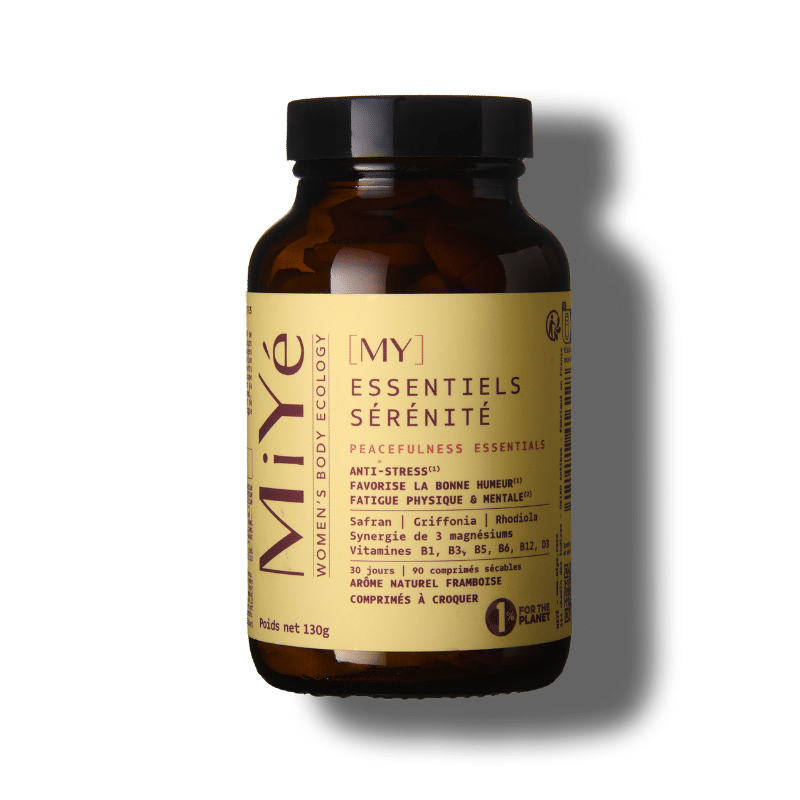
[MY] Serenity Essentials acts on nervous balance, sleep, and daily stress management, complementing relaxation practices.
Dietary supplement. Not a substitute for medical monitoring.
Physical Activity and the Great Outdoors: Allies Against Hot Flashes
To soothe hot flashes linked to menopause, natural solutions can make all the difference.
Adopting an active lifestyle can contribute greatly. Regular sports activities, such as yoga and swimming, are known for their ability to regulate body temperature and improve blood circulation, thereby reducing the intensity of hot flashes.
Similarly, spending time outdoors can foster a more stable hormonal balance. Walking, hiking, or simply taking a moment to unwind in nature can be highly effective ways to relieve these uncomfortable symptoms.
Combining these activities with a balanced diet and relaxation techniques like meditation can form a powerful approach to managing hot flashes naturally and serenely.
Women's Balance Essentials
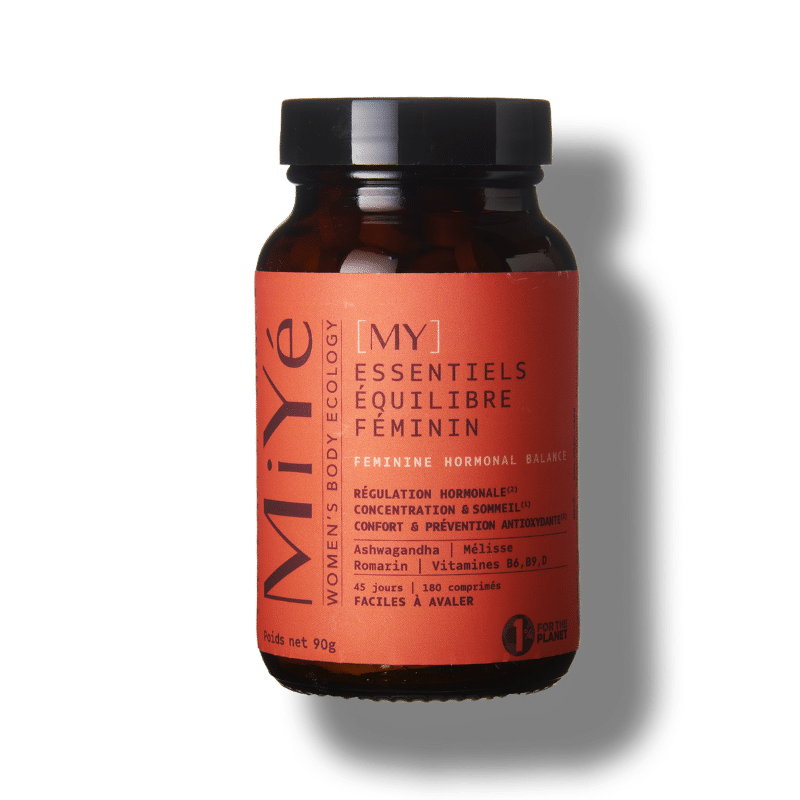
To complement these daily approaches, [MY] Women's Balance Essentials has been formulated to support overall hormonal balance during perimenopause and menopause. Its natural active ingredients help reduce fatigue and support physical comfort during hormonal variations, of which hot flashes are a part.
Sources
- World Health Organization (WHO, 2022) — Menopause: key facts and data
- INSERM Report (2021) — Menopause and treatments: epidemiological data and mechanisms
- Kaunitz A.M., Manson J.E. (2015) — Management of Menopausal Symptoms
- French Agency for Food, Environmental and Occupational Health & Safety (ANSES, 2017) — Phytoestrogens and women's health: risk assessment
![[MY] INTIMATE BALANCING MOISTURIZING GEL 20mL](http://www.miye.care/cdn/shop/files/Visuels_shop_93.png?v=1773306838&width=1000)
Share:
What health risks should be checked at each phase of hormonal life?
Hot flashes: How to prevent and relieve them naturally?
1 comment
Bonjour,
Je souhaite connaître les remèdes naturels pour soulager les bouffées de chaleur
Bien a vous