







After childbirth, the expulsion of the placenta causes a sudden drop in oestrogen and progesterone, hormones that were produced in large quantities during pregnancy.
This hormonal drop can lead to intense fatigue, sleep disturbances, mood swings, baby blues and sometimes contribute to postpartum depression.
On a physical level, this can also cause hair loss, skin changes, appetite variations, weight fluctuations, urinary leakage and postpartum discomfort.
To navigate this period more smoothly: rest, a rich and varied diet, support from those around you, emotional expression, gentle physical activity and medical monitoring if symptoms persist
What causes the hormonal drop after childbirth?
One of the main triggers of the hormonal drop after childbirth is the expulsion of the placenta. During pregnancy, the placenta produces considerable amounts of oestrogen and progesterone. Once the placenta is expelled, these levels fall sharply, causing a genuine hormonal upheaval. This sudden change can lead to various symptoms such as mood swings, fatigue and even the well-known baby blues. It is worth noting that this period is not unlike the emotional rollercoaster experienced during adolescence or certain phases of the menstrual cycle. The first weeks following childbirth are therefore crucial for adjusting to these new hormonal fluctuations.
Hormonal changes after childbirth
Childbirth is a period of intense transformation for a woman, affecting both her physical and emotional state. This phase is marked by a significant decline in hormones, notably oestrogen and progesterone, following the birth of the child. This phenomenon, known as the "hormonal drop after childbirth," is natural but can profoundly affect the mother's wellbeing. It can cause a variety of symptoms, including fatigue, sleep disturbances, postpartum depression and the "baby blues".
Decline in oestrogen and progesterone
After childbirth, with the expulsion of the placenta, oestrogen and progesterone levels decline rapidly. During pregnancy, these hormones are produced in large quantities by the placenta, playing an essential role in maintaining the pregnancy and preparing the mother's body for childbirth.
The sudden fall in these hormones profoundly affects the female hormonal system, particularly impacting the system that regulates serotonin. Oestrogen and progesterone support serotonin production — the hormone linked to a sense of wellbeing — which is why their decline can lead to emotional and psychological disturbances such as the baby blues or postpartum depression.
The role of prolactin and oxytocin
Alongside the fall in oestrogen and progesterone, other hormones such as prolactin rise in order to support new maternal functions. Essential for initiating and maintaining lactation after childbirth, prolactin was inhibited by the high levels of oestrogen and progesterone during pregnancy, preventing milk production.
Once the placenta is expelled, prolactin can finally act, enabling the secretion of colostrum and then breast milk. Oxytocin, known as the "love hormone", also plays a vital role during and after childbirth. It is responsible for uterine contractions during labour and helps with milk ejection during breastfeeding.
Oxytocin also strengthens the emotional bond between mother and child, contributing to emotional regulation and stress management. This is particularly important during the postpartum period, when new mothers may experience significant fatigue and anxiety.
When does the hormonal drop occur?
Just after childbirth, a significant hormonal drop manifests, often occurring within the hours following the birth. This decline is closely linked to the expulsion of the placenta, which was previously responsible for generating large quantities of hormones during pregnancy.
The fall in oestrogen and progesterone levels occurs abruptly as soon as the placenta is expelled. New mothers typically feel the effects of this hormonal drop within 24 to 48 hours after birth, experiencing heightened physical and emotional fatigue accompanied by emotional upheaval. While the hormonal drop generally stabilises within a week, its repercussions — notably fatigue and emotional sensitivity — can persist for longer.
It is essential to highlight that this hormonal transition period should not extend beyond 15 to 20 days. If symptoms persist or intensify beyond this timeframe, consulting a healthcare professional is imperative to rule out the possibility of postpartum depression or other emotional and psychological complications.
Physical symptoms linked to the hormonal drop
Fatigue and sleep disturbances
Fatigue, often described as intense and debilitating, is frequently reported following the hormonal drop after childbirth. This sensation can be exacerbated by a significant decline in oestrogen and progesterone levels, as well as by sleep interruptions linked to nighttime care of the baby.
Sleep can become a rare luxury due to the multiple wake-ups required for feeding or changing the baby, reinforcing the feeling of exhaustion. This situation can hinder the mother's physical and emotional recovery. In addition, disorders such as insomnia may arise, as hormonal changes compound the stress and worries associated with caring for a newborn, disrupting restorative sleep.

Skin and hair changes
The postpartum period is also marked by visible changes to the skin and hair. Hair loss, known as postpartum alopecia, is not uncommon, typically occurring between 2 and 4 months after birth.
This hair loss is linked to the decline in female hormones, which causes an accelerated resting phase in many hair follicles, resulting in notable shedding. In addition, the skin may undergo changes in texture, develop acne and become more sensitive — changes attributed to hormonal fluctuations. Although often temporary, these transformations can cause concern for new mothers.
Weight variations and appetite
Changes in weight and appetite are other typical symptoms of the postpartum period, and may indicate a hormonal imbalance, particularly involving the thyroid or insulin resistance.
Hormones can also influence appetite, causing either an increase or a reduction in hunger. Other symptoms such as urinary leakage and pain linked to scarring or postpartum bleeding, known as lochia, may also occur. Although generally short-lived, these symptoms can profoundly affect the mother's wellbeing and comfort.
The emotional and psychological impact of hormonal imbalance

Baby blues and postpartum depression
After childbirth, the hormonal drop can profoundly affect the emotional and psychological state of new mothers. The "baby blues", experienced by approximately 70 to 80% of them, manifest as sadness, fatigue, impatience, irritability and an inability to settle. These symptoms typically arise between the fourth and fifth day following birth and generally resolve within two weeks. However, in some women, these feelings persist and can develop into postpartum depression (PPD). PPD is characterised by deep sadness and a sense of worthlessness, affecting the mother's ability to care for her child and form an emotional bond with them.
PPD symptoms include frequent bouts of crying, sudden mood swings, irritability and a loss of interest in daily activities. These signs can appear in the first months after childbirth and, in some cases, persist for up to a year. Distinguishing between the baby blues and PPD is vital, as the latter requires medical and psychological support to prevent more severe consequences, such as suicidal thoughts or an obsessive focus on the child's safety.
Anxiety and irritability
The postpartum hormonal drop can also trigger anxiety and irritability. Postpartum anxiety manifests as constant worry, sleep disturbances, muscle tension and difficulty concentrating. New mothers may become excessively anxious about their baby's health and safety, repeatedly checking on their wellbeing or imagining the worst. Irritability, often accompanied by mood swings and fatigue, can disrupt relationships with a partner, family and friends, making this delicate period even more challenging.
It is important to recognise these symptoms and seek help to prevent anxiety and irritability from developing into more serious disorders.
Our tips for restoring hormonal balance after childbirth

After childbirth, restoring hormonal balance is essential for the mother's physical and emotional wellbeing. Here are some practical tips for navigating this hormonal transition more smoothly:
Rest and sleep management: Postpartum fatigue is common. Resting whenever possible is essential. Although nighttime wake-ups are unavoidable, sleeping when the baby sleeps and asking family or friends to take over at night can be very beneficial.
Eating a rich and varied diet: A balanced, nutrient-rich diet is essential for helping the body recover and stabilise hormones. Prioritise foods rich in omega-3s, as well as fruits, vegetables and whole grains.
Expressing your emotions: It is important not to keep feelings inside, whether positive or negative. Talking to a partner, friends, family or a healthcare professional can help manage mood swings and emotional sensitivity.
Accepting help: Asking for help is essential. Whether for housekeeping, caring for the baby or simply taking a moment to rest, accepting support from those close to you can greatly ease the postpartum period.
Taking time for yourself: It is important to carve out moments for yourself, whether for a solo walk, a beauty treatment or simply some quiet reading. These moments can help preserve emotional balance and reduce stress.
Engaging in moderate physical activity: With the approval of your doctor or midwife, resuming moderate physical activity can help improve mood and ease fatigue. It is important to remain cautious, however, especially in the first months after childbirth, in order to avoid injuries and complications.
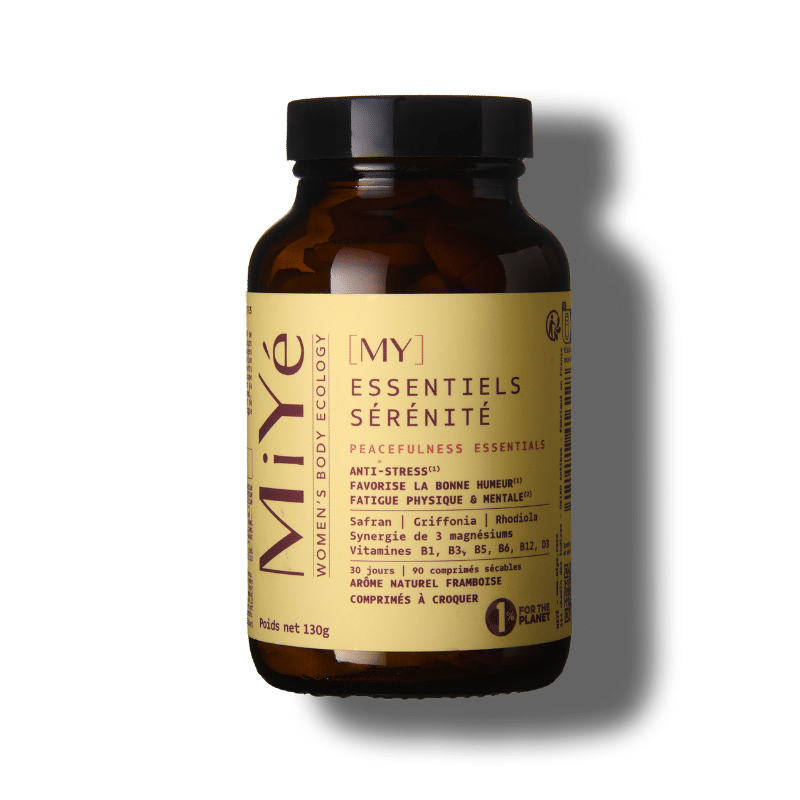
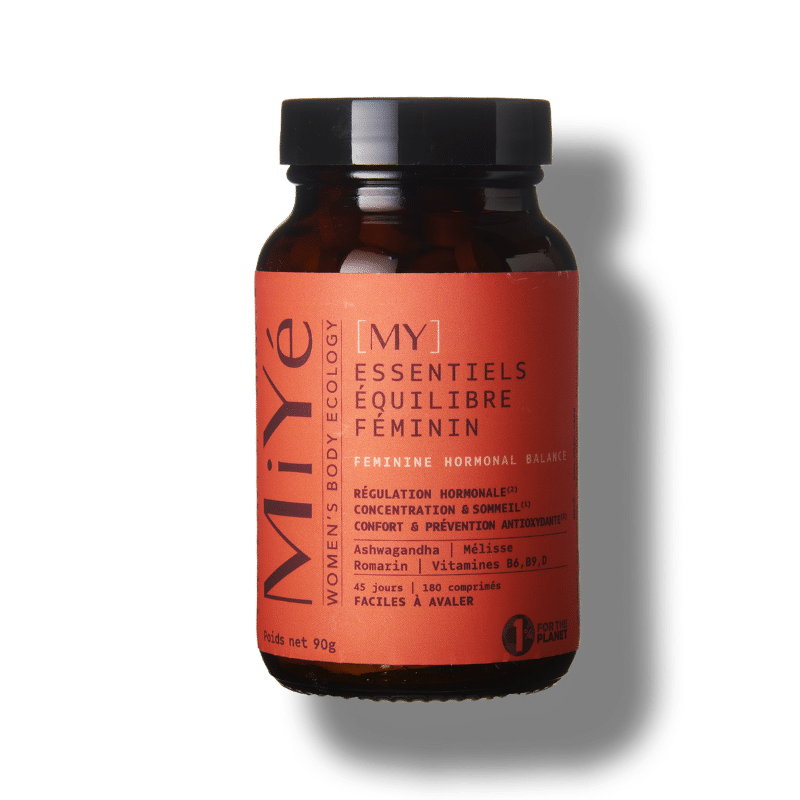
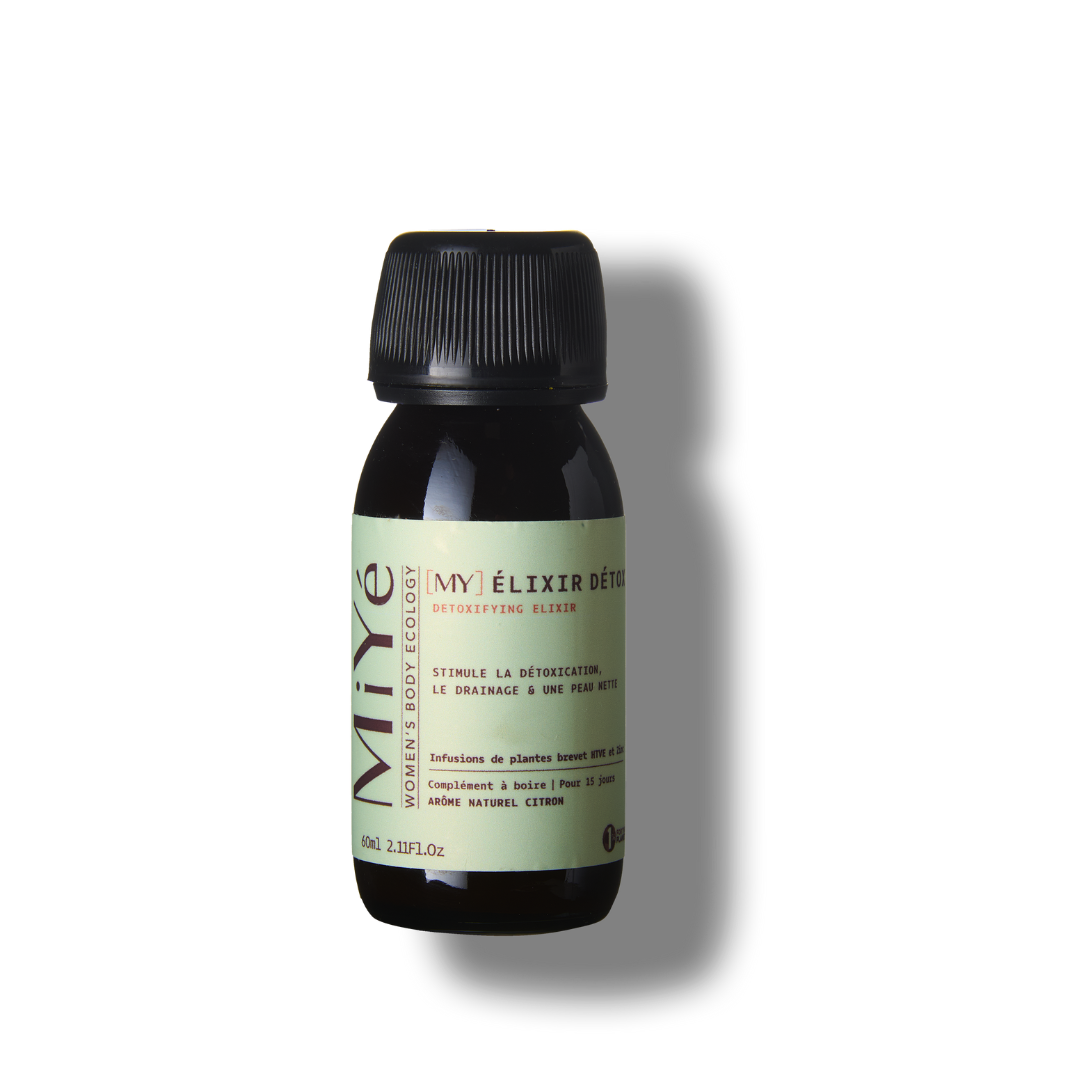
Considering natural and holistic approaches: Naturopathy and other holistic practices can offer complementary tools for navigating the hormonal and emotional changes of the postpartum period. You can explore our product collection tailored to this period. These methods may include nutritional guidance, the use of natural supplements and relaxation techniques to help stabilise hormones and improve overall wellbeing.
Good to know
The period following childbirth — the postpartum — is characterised by significant hormonal changes that affect the physical and mental wellbeing of new mothers. The rapid decline in oestrogen and progesterone levels can cause fatigue, sleep disturbances, changes to skin and hair, as well as emotional disorders such as the baby blues and postpartum depression. Understanding these hormonal changes is fundamental to managing them more effectively.
To restore hormonal and emotional balance after childbirth, it is essential to rest, maintain a balanced diet, express your feelings, accept the support offered and engage in light physical activity. It is also important to seek medical or psychological support if symptoms persist or intensify.
Regular postpartum check-ups and ongoing support play a major role in improving the health and wellbeing of mothers and their babies. By being aware of these elements and acting proactively, new mothers can approach this period of change with greater serenity, ensuring a healthy and joyful start for themselves and their children.
Sources:
- https://www.ameli.fr/assure/sante/devenir-parent/accouchement-et-nouveau-ne/baby-blues-depression-post-partum-grossesse#:~:text=Le%20baby%20blues%20est%20un,totalement%20en%20deux%202%20semaines.
- https://www.msdmanuals.com/fr/accueil/probl%C3%A8mes-de-sant%C3%A9-de-la-femme/soins-du-post-partum/d%C3%A9pression-du-post-partum

Share:
Lochia: postpartum bleeding stages explained
Postpartum care : essential tips for a successful postpartum recovery