










Key takeaways
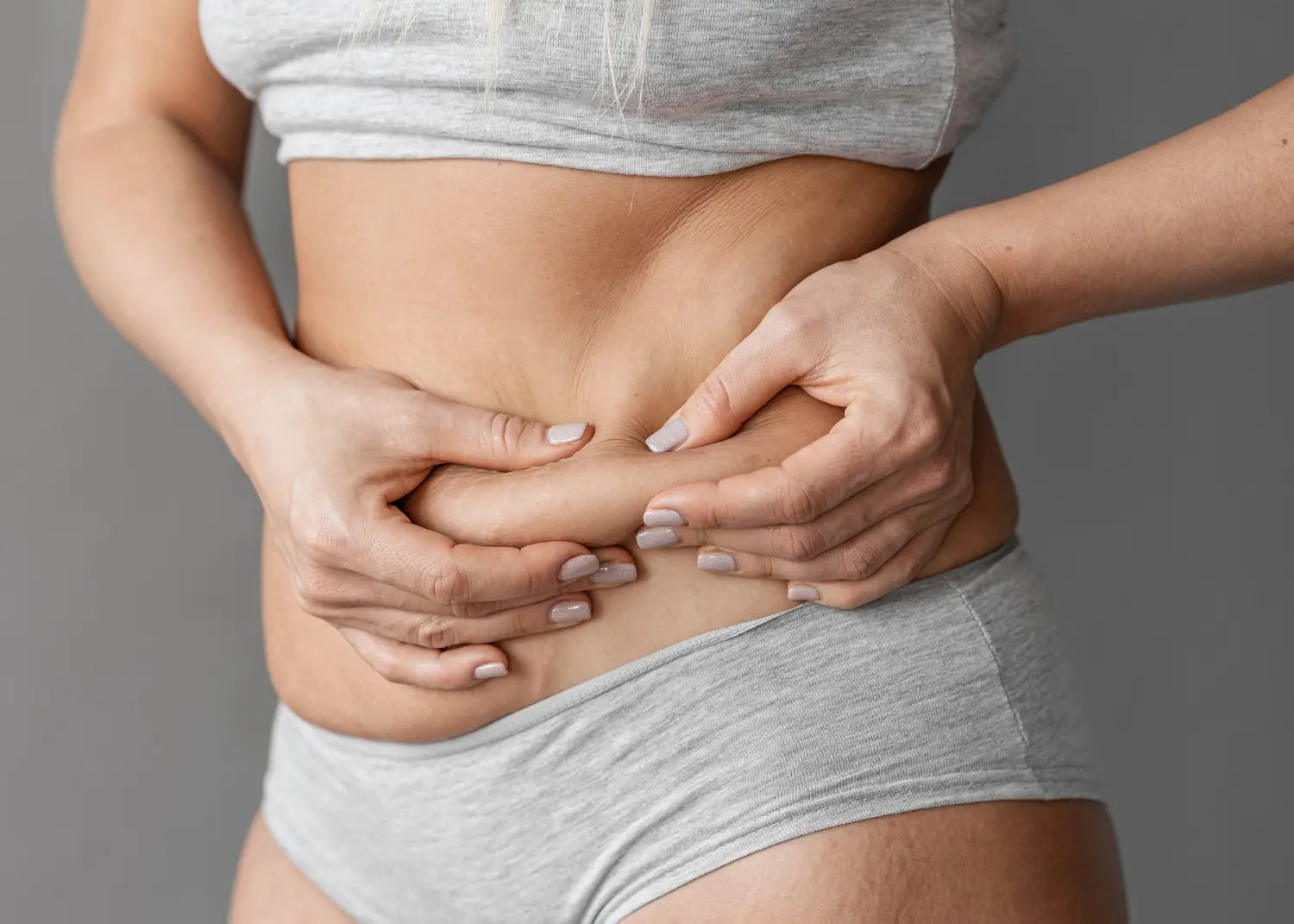
The "big belly syndrome" can correspond to temporary bloating or to a genuine accumulation of abdominal fat
Bloating is often linked to gas, slow digestion or water retention, and varies throughout the day
A genuine big belly is generally due to visceral or subcutaneous fat, present continuously, even upon waking.
Women are more affected due to hormonal fluctuations (menstrual cycle, menopause).
PCOS and insulin resistance increase the risk of abdominal bloating and a distended belly.
The "big belly syndrome": what are we really talking about?

It is useful to distinguish between two situations that are often confused. Abdominal distension, or a bloated belly during the cycle, refers to a temporary swelling due to the accumulation of gas or fluids in the digestive system. You may notice this after a meal and observe your belly varying in volume throughout the day.
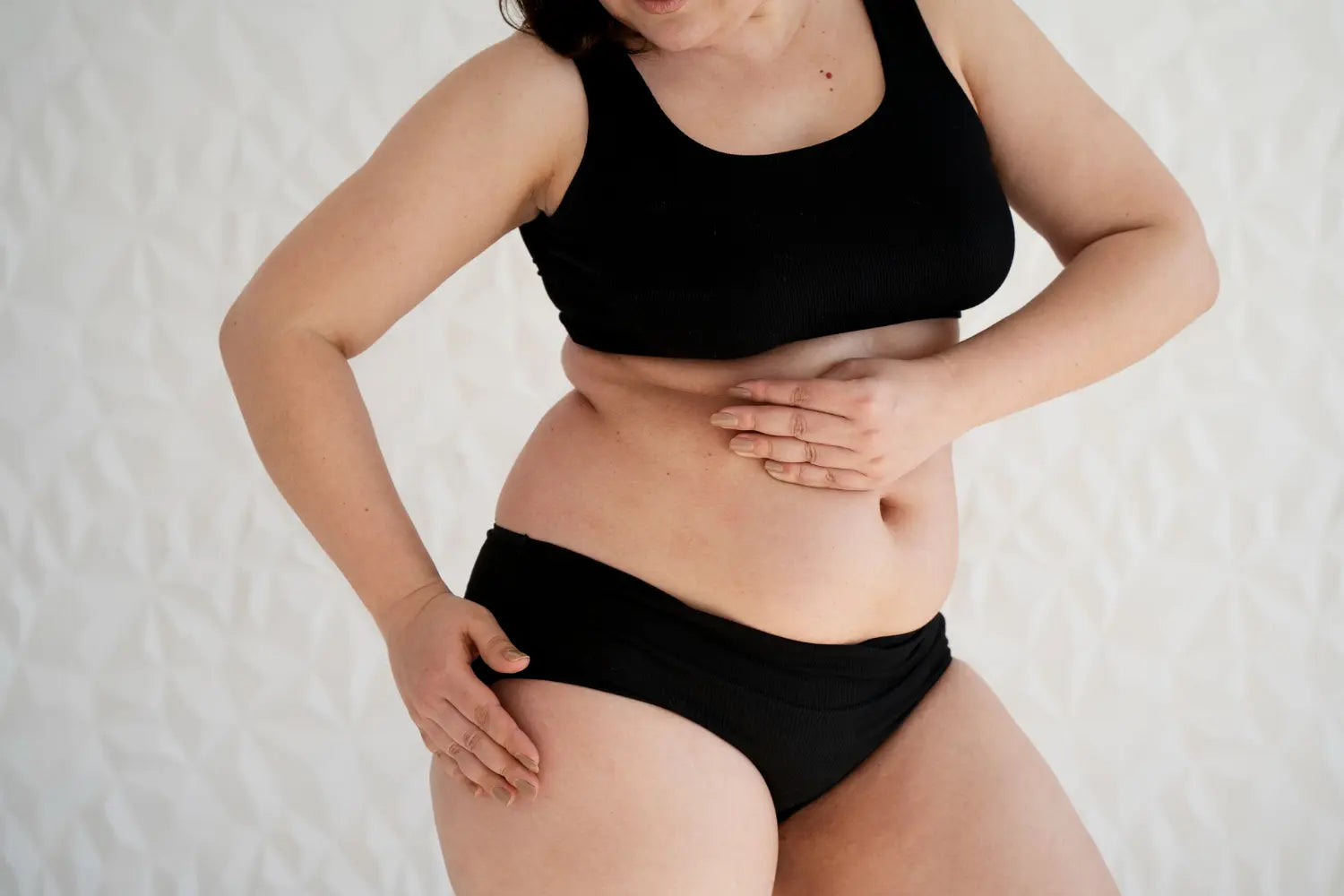
In contrast, a genuine big belly results from an excessive amount of fat accumulated in the abdomen. A distinction is made between subcutaneous fat (just beneath the skin) and visceral fat (around the internal organs). The latter presents a more significant health risk.
To help you identify the cause, note that a waist circumference greater than 88 cm (35 inches) is considered elevated in women. Bear in mind, however, that hyperlordosis (an exaggerated curvature of the spine) can give the impression of a more prominent belly, even in the absence of excess fat.
In summary, a bloated belly or a big belly can have several origins: digestive gas, bloating and water retention, abdominal fat, posture or certain conditions. Each case deserves personalised attention.
Why this phenomenon particularly affects women
You may well wonder why women are so often affected by these sensations of a bloated belly or a big belly. The answer lies mainly in female biology and the hormones that regulate fat distribution.
In women, hormones — insulin, cortisol, oestrogens, progesterone and testosterone — determine where the body stores fat. When in balance, fat tends to be distributed around the hips and thighs. But if this balance is disrupted, the abdomen becomes the preferred site for storage.
Oestrogens and progesterone naturally have a protective effect against abdominal fat. Conversely, elevated cortisol levels (the stress hormone) stimulate its accumulation, whether you are slim or overweight — stress and belly bloat are indeed closely linked!
Finally, the hormonal fluctuations linked to the menstrual cycle or menopause affect digestion and water retention, causing variations in abdominal volume.
Polycystic ovary syndrome (PCOS) is associated with hyperandrogenism and insulin resistance, promoting visceral fat accumulation. Women affected often present with marked abdominal excess and digestive disturbances linked to low-grade inflammation.
What causes a big belly in women?
Oestrogen / progesterone imbalance
An excess of oestrogens, often referred to as oestrogen dominance, can lead to water and salt retention, adding heaviness to the belly. This situation can be exacerbated by liver overload or exposure to endocrine disruptors, which also affect bowel transit.
Cortisol and chronic stress
In situations of prolonged stress, the body releases excess cortisol, which promotes the storage of visceral fat around the organs and slows digestion, resulting in gas and bloating.
PCOS and insulin resistance
Polycystic ovary syndrome (PCOS) causes excessive production of androgens (such as testosterone) and insulin resistance, reducing the feeling of satiety and encouraging abdominal fat storage. This hormonal imbalance can also disrupt the gut microbiome, amplifying inflammation and bloating, resulting in a hormonal belly.
Menopause and fat redistribution
During menopause, the decline in oestrogens changes how the body distributes fat, with a preference for the abdomen. Metabolism slows, muscle mass may decrease and bowel transit becomes more sluggish, contributing to digestive disturbances.
Big belly or bloating: how to tell the difference?
To help you identify whether you are dealing with temporary bloating or a genuine big belly due to fat, here is a comparison table:
| Criterion | Bloating (temporary) | Big belly (abdominal fat) |
|---|---|---|
| Onset | After a meal, the belly swells and then deflates during the day | Continuously present, from the moment of waking |
| Sensation to the touch | Taut belly, sometimes hard, with possible cramps | Softer, more pliable skin |
| Associated symptoms | Gas, gurgling, abdominal pain | No particular digestive disturbances |
| Duration | Disappears after digestion or passage of gas | Constant, linked to fat accumulation |
| Warning signs | Blood in stools, fever, persistent nausea These symptoms require immediate medical attention |
Unexplained weight loss, fatigue |
If swelling persists or is accompanied by intense abdominal pain, a medical consultation is recommended.
What can worsen the big belly syndrome
Certain everyday behaviours can amplify the phenomenon. Here are the main points to watch out for:
- A diet rich in sugars and saturated fats: processed products, sugary drinks and fast food promote the storage of abdominal fat.
- Sedentary behaviour: without regular physical activity, metabolism slows and visceral fat accumulates more readily.
- Eating too quickly: rushing through meals often leads to bloating and digestive disturbances.
- Fizzy drinks and gas-producing foods: sodas, legumes, cabbage or dairy products (in cases of intolerance) increase bloating.
- Chronic stress: it raises cortisol, stimulates appetite and disrupts digestion.
- Gut microbiome dysbiosis: a bacterial imbalance slows bowel transit and generates gas.
- Unaddressed digestive disorders: irritable bowel syndrome, constipation and intestinal infections intensify the sensation of a bloated belly.
- Water retention: this can be heightened by hormonal variations during the menstrual cycle.
- A diet low in protein and fibre: important for maintaining regular bowel transit and preventing fat accumulation.
- Certain medications: some treatments can disrupt the digestive system and cause bloating.
Natural approaches to living more comfortably with a hormonal belly
Many gentle and natural solutions can ease a bloated belly and help restore a more comfortable abdomen:
- Soothing herbal teas: chamomile, lemon balm, peppermint, fennel or ginger support digestion and reduce gas. Aim for 2 to 3 cups per day, particularly after meals.
- Adaptogenic plants: ashwagandha, rosemary or clary sage — as teas or supplements — help regulate hormones and limit water retention.
- Abdominal massage: dilute a few drops of essential oils (peppermint, clary sage or lemon) in a carrier oil and massage in circular movements to aid drainage and ease tension.
- Gentle physical activity: yoga, Pilates or brisk walking stimulate bowel transit, reduce stress and help decrease visceral fat.
- Balanced diet: favour fibre (brown algae, green vegetables), omega-3s and low-glycaemic-index foods to support the gut microbiome.
- Healthy lifestyle habits: drink 1.5 to 2 litres of water per day, eat slowly, avoid gluten if you suspect an intolerance, and opt for comfortable clothing to avoid compressing the abdomen.
FAQ
How can a woman lose a very large belly?
If the cause is hormonal (elevated cortisol, oestrogen dominance, PCOS), restrictive diets are often counterproductive. What works better: reducing fast sugars and ultra-processed foods to limit insulin spikes, engaging in regular physical activity such as brisk walking, yoga or Pilates to reduce visceral fat and cortisol, supporting the liver and gut microbiome with a diet rich in fibre, omega-3s and fermented foods, and actively managing chronic stress, which remains one of the primary factors in abdominal fat storage in women. Appropriate supplements (adaptogenic plants, probiotics) can also support hormonal rebalancing as a complement to adjusted lifestyle habits.
How do you recognise a hormonal belly?
A hormonal belly has very distinct characteristics. Unlike simple bloating that appears after meals and disappears during the day, a hormonal belly is present almost permanently, including upon waking. It is often located below the navel, with a softer texture, and resists conventional physical exercise.
Can stress really cause a bloated belly?
Yes, clearly.
Chronic stress increases cortisol, which:
- promotes abdominal fat storage
- disrupts digestion
- can cause bloating
What causes a big belly in women?
- A big belly in women can have several origins, often combined. The most frequent causes are hormonal imbalances — excess cortisol due to chronic stress, oestrogen dominance or a decline in oestrogens at menopause — which direct fat storage towards the abdomen. PCOS also plays an important role via insulin resistance, which promotes visceral fat accumulation.
SOURCES:
- "Bloated belly – Livi Health — A straightforward explanation of the mechanisms that cause abdominal bloating (gas, aerophagia, constipation, intolerances). Bloated belly: what are the causes?
- Bloating, flatulence and aerophagia – Santé.fr — A guide from the public health website on the causes and symptoms of bloating. Bloating, flatulence and aerophagia (Santé.fr)
- Bloated belly: causes, solutions and when to seek advice — Clear explanations of the main causes (diet, intestinal gas, stress) and first-line advice. Bloated belly: causes, solutions and when to seek advice

Share:
Hormonal belly in women: understanding and taking action
How to naturally hydrate dry skin during menopause ?