





SUMMARY


Key takeaways
Chronic stress raises cortisol, which slows digestion and encourages gas buildup.
It unbalances the gut microbiome, leading to bloating, abdominal pain, disrupted transit and lower-abdominal discomfort in perimenopause.
Supporting the microbiome (probiotics, fiber) and better stress management help you find a calmer belly.
Solutions for menopause bloating exist: an anti-bloating diet, digestive plants, breathing and relaxation.
Why does stress cause a bloated belly?
Main causes of bloating under stress
- Slowed gastrointestinal contractions, encouraging gas buildup
- Reduced effectiveness of digestive enzymes due to altered stomach pH
- Imbalance of the gut microbiome, a source of excessive fermentation
- Increased intestinal permeability, amplifying inflammation
- Reduced vagus nerve activity, lowering the beneficial signals sent to the gut
- Increased stomach acid production, which can irritate the lining
- Abnormal muscle contractions, causing cramps and spasms
The link between stress and digestion
When you are stressed, your brain triggers the release of cortisol. This hormone slows the contraction of the stomach and intestinal muscles, which delays transit and encourages gas buildup. Cortisol also alters the stomach's pH and reduces the production of digestive enzymes, extending digestion time and creating conditions that favor fermentation.
Activation of the sympathetic nervous system
Under stress, the sympathetic nervous system takes over to prepare you for a "fight or flight" response. Energy is diverted away from digestion, while the vagus nerve, essential to healthy gut function, becomes less active. This shift increases digestive discomfort and weakens the microbiome, sometimes with greater intestinal permeability and a vicious circle of stress and discomfort.
Symptoms associated with stress-related bloating
These signs often appear during prolonged stress or a spike of acute stress, such as before an important event.
- Abdominal pain, cramp-like and below the navel
- A feeling of heaviness even after a light meal
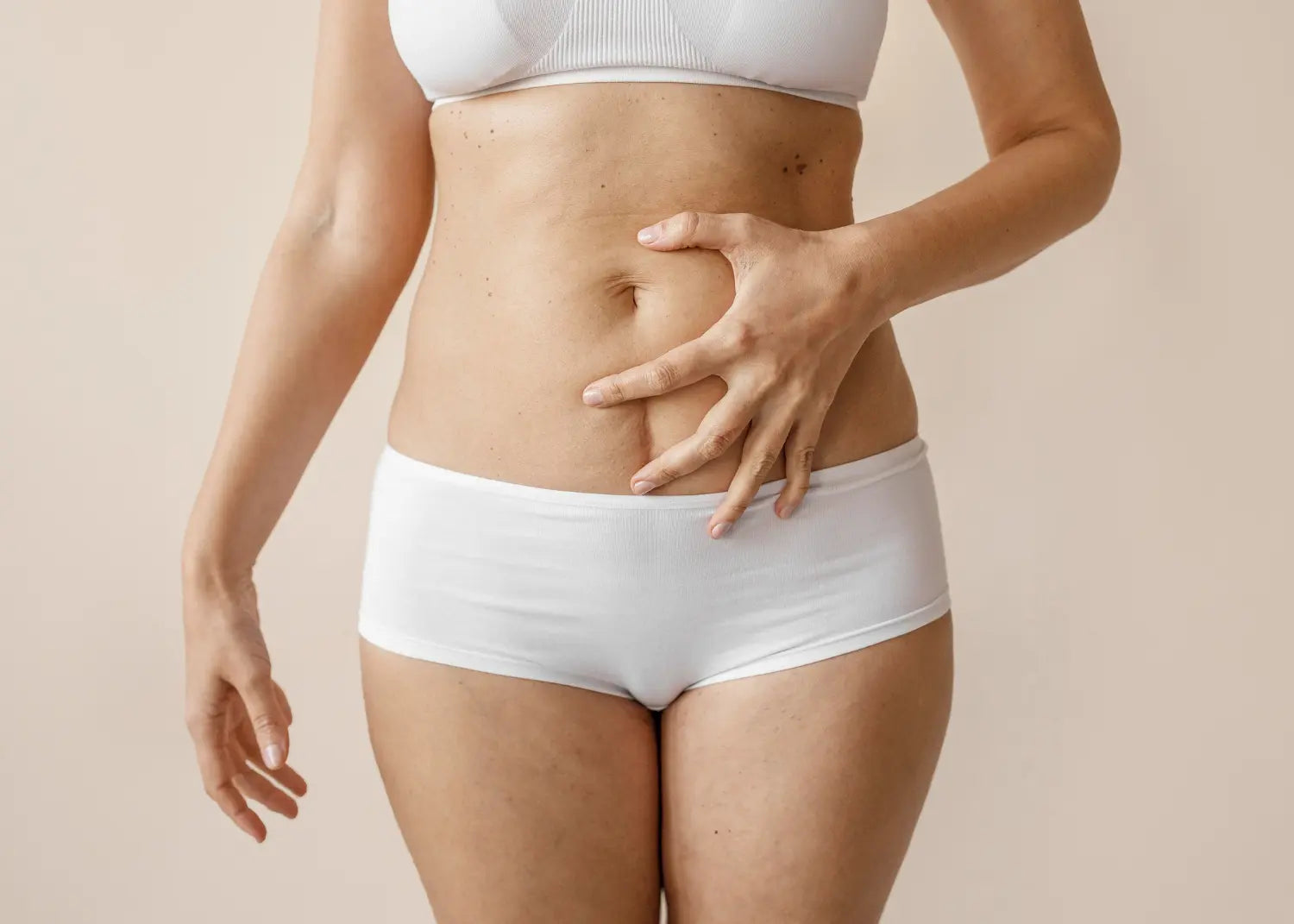
- Hard, bloated belly to the touch
- Gurgling and gas that's hard to pass
- Uncomfortable spasmodic cramps
- Visible distension and a feeling of fullness
- Alternating diarrhea and constipation, typical of irritable bowel syndrome (IBS)
- Occasional heartburn and nausea
Natural solutions to relieve stress-related bloating
Anti-bloating diet
Adjust your plate gradually: avoid fermentable foods (cabbage, onions, legumes, dairy if you're intolerant) and favor easy-to-digest, anti-inflammatory foods: zucchini, carrots, brown rice, quinoa, white fish, lean meats. Ripe fruit (bananas, pineapple, strawberries) and soluble fiber (oats, cooked apples, chia seeds) ease transit without excess fermentation.
Take time to chew each bite, split your meals into small portions and drink 1.5 liters of water a day, preferably between meals. This can also help reduce water retention, an uncomfortable feeling that sometimes amplifies bloating. Limit coffee, alcohol and overly spicy or fatty dishes.
Herbs and plants
Chamomile, peppermint and ginger teas relieve spasms and support digestion. Fennel, green anise, coriander and cumin also work against bloating. Turmeric reduces inflammation, and artichoke supports liver function. Alongside these natural solutions, you can consider food supplements for good digestion to reinforce the beneficial effects on your body. Enjoy these plants as an infusion or seasoning, as you prefer.
Relaxation and stress management
Set aside 10 to 15 minutes of belly breathing each day: inhale for 4 seconds through your nose, hold for 4 seconds, then exhale for 4 seconds. Yoga, with its gentle stretches and twists, helps massage the intestines and stimulates transit. To deepen relaxation, turn to calming plants such as passionflower, valerian or California poppy, ideal at the end of the day for restorative sleep.
Food supplements and products to help manage stress-related bloating
Natural supplements
Magnesium relaxes the intestinal muscles and modulates the stress response. Pair it with probiotics (Lactobacillus, Bifidobacterium) to restore your flora, and with prebiotics (inulin, FOS) to feed the good bacteria. Activated plant charcoal absorbs gas and toxins, while digestive enzymes (bromelain) support assimilation. L-glutamine helps repair the intestinal lining and psyllium regulates transit.
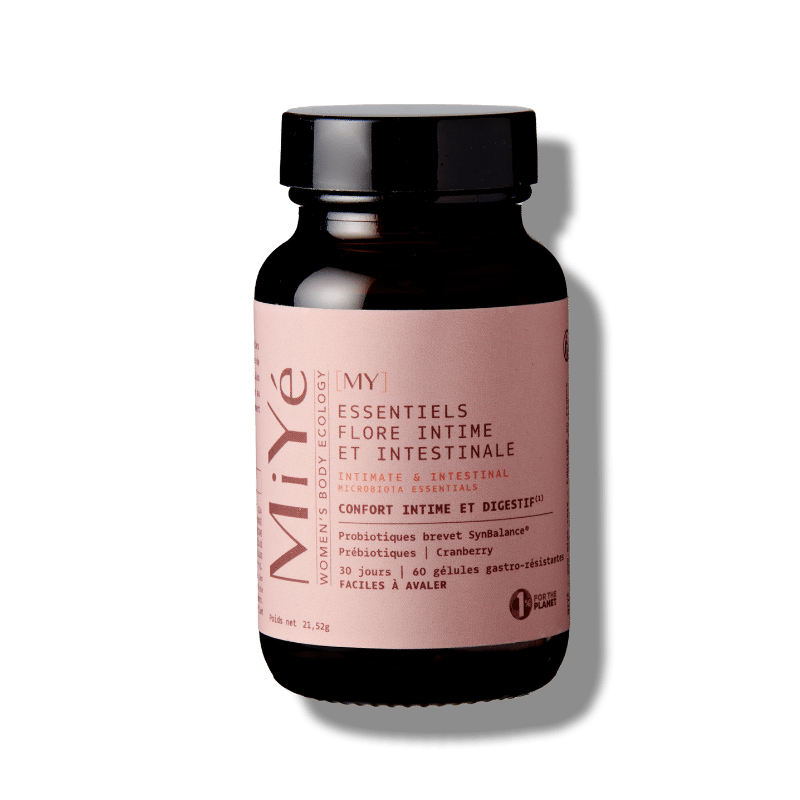
RECOMMENDED PRODUCT
Patented SynbAEctive® probiotics targeted to help restore and maintain the balance of the vaginal and digestive flora
Prebiotics that support the growth of good bacteria
Symptoms: intimate discomfort, recurring urinary discomfort, disrupted digestion and transit
MiYé products
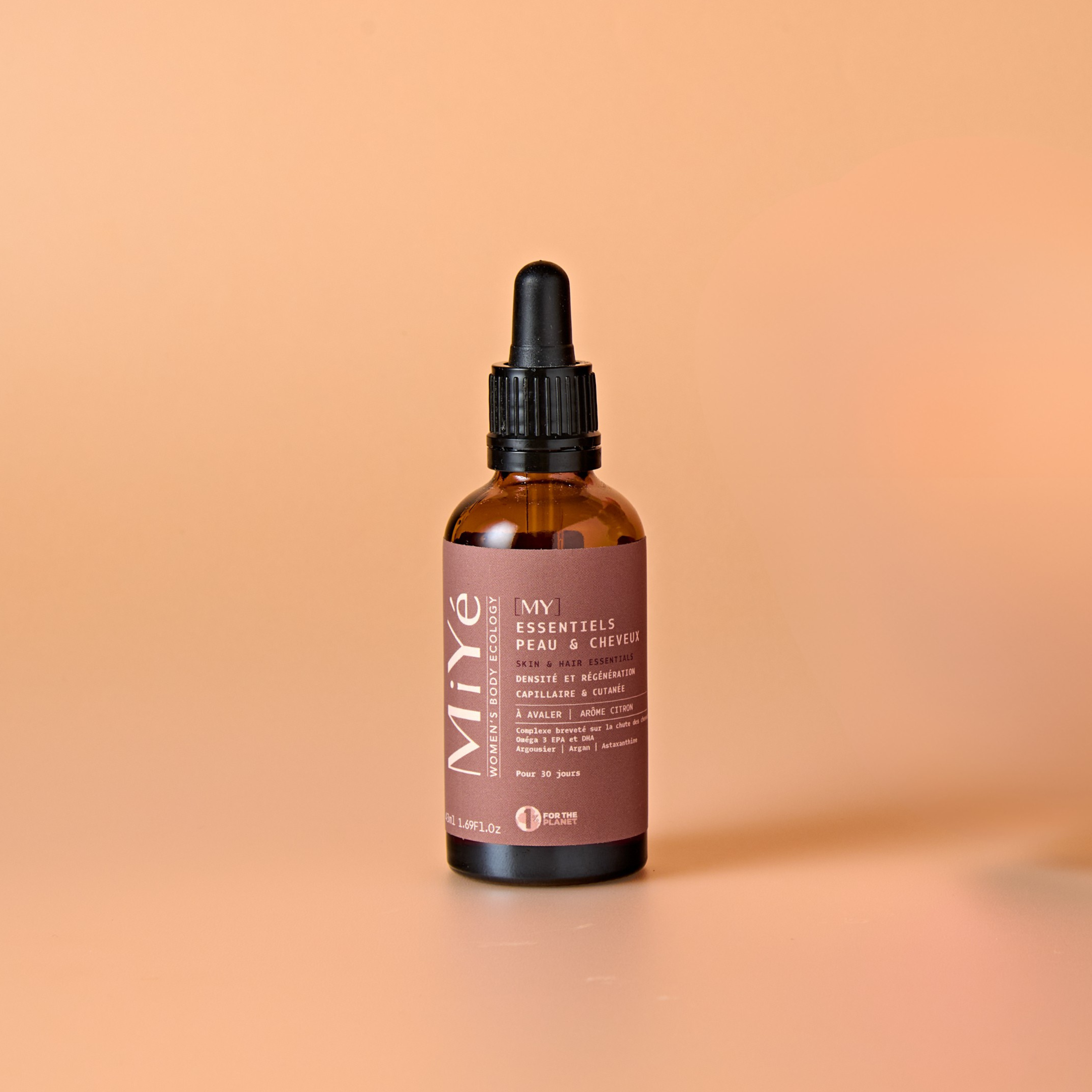
My Duo Reboot Féminin combines adaptogenic plants and nutrients to help harmonize the hormonal cycle and reduce swelling. My Essentiels Activateur de Métabolisme features chromium, fiber and plant extracts to support metabolism, help regulate emotional appetite, contribute to a normal metabolism and support weight balance as part of an overall healthy lifestyle. Use them in your morning routine, alongside good hydration.
Bloating and stress: the right everyday habits
Eating habits
Chew each bite 20 to 30 times, split your meals into 4 to 5 light portions, and start the day with a glass of warm lemon water on an empty stomach. Avoid drinking during meals and leave 2 to 3 hours between your last meal and bedtime. Favor herbal teas at the end of the day.
Lifestyle
After each meal, walk for 10 to 15 minutes to gently restart transit (peristalsis). Do moderate physical activity (swimming, cycling) to release tension. Before eating, give yourself 3 minutes of diaphragmatic breathing or soft music to help your body relax. Sleep 7 to 8 hours in a cool, dark environment.
- Chew each bite 20–30 times
- Split meals into 4–5 light portions
- Drink a glass of warm lemon water in the morning
- Walk 10–15 minutes after each meal
- Breathe deeply for 3 minutes before eating
- Avoid screens and distractions during meals
- Sleep 7–8 hours per night
- Gently massage your belly clockwise
FAQ
Can stress really cause a hard, bloated belly?
Yes. Stress triggers the release of cortisol, slows transit, increases gas production and creates abdominal muscle tension, leading to a hard, bloated belly.
What are the natural solutions to relieve stress-related bloating?
Practice deep breathing and meditation, and drink infusions of fennel, chamomile, ginger or mint. Magnesium, probiotics and soluble fiber also help.
How does stress affect digestion and cause bloating?
Stress activates the "fight or flight" response, diverts energy away from digestion, slows transit and triggers spasms and excessive fermentation, with gas buildup.
When should you see a doctor if bloating persists despite managing stress?
See a doctor if bloating persists despite these changes, especially with intense pain, unexplained weight loss, blood in the stool, fever or frequent vomiting. A bloated belly affects the whole abdomen, often due to gas or intestinal distension. Stomach pain, on the other hand, is usually localized in the upper abdomen, often with burning linked to acid reflux or indigestion.
How can you relieve stomach pain?
To ease stomach pain, you can try several simple, effective techniques. Apply a warm hot-water bottle to your abdomen to relax the muscles and reduce spasms. Then gently massage your belly clockwise to stimulate digestive flow. Finally, adopt the knee-to-chest position while breathing deeply, which helps release tension and supports digestive comfort.
Sources:
- Gut microbiome (intestinal flora), INSERM https://www.inserm.fr/dossier/microbiote-intestinal-flore-intestinale/
- Irritable bowel syndrome (functional colopathy), Ameli.fr https://www.ameli.fr/assure/sante/themes/syndrome-intestin-irritable
-
Irritable bowel syndrome (IBS), SNFGE
https://www.snfge.org/grand-public/maladies-digestives/syndrome-lintestin-irritable-sii



Share:
Why do we talk about the "big belly syndrome" in women ?
How to naturally hydrate dry skin during menopause ?