











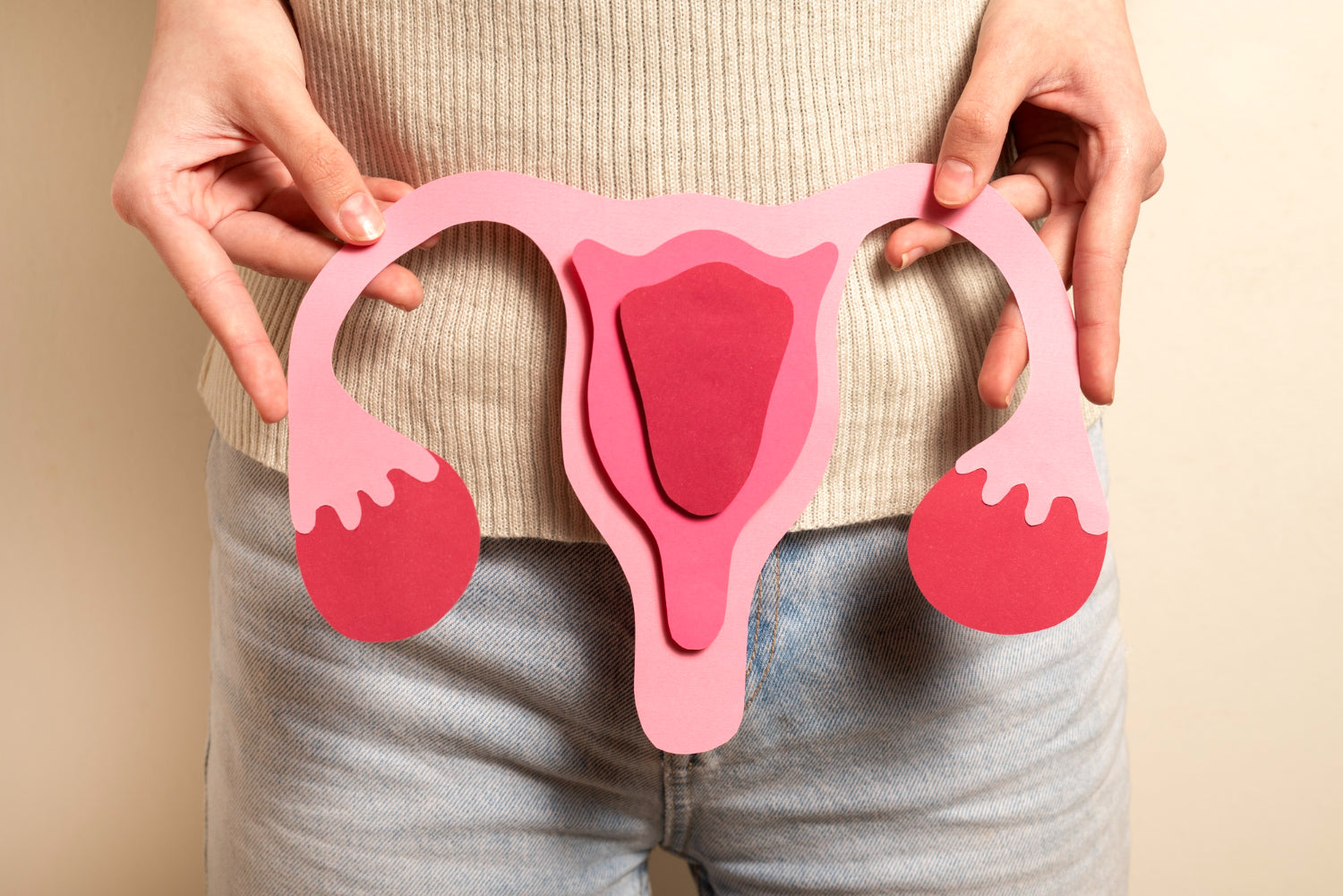
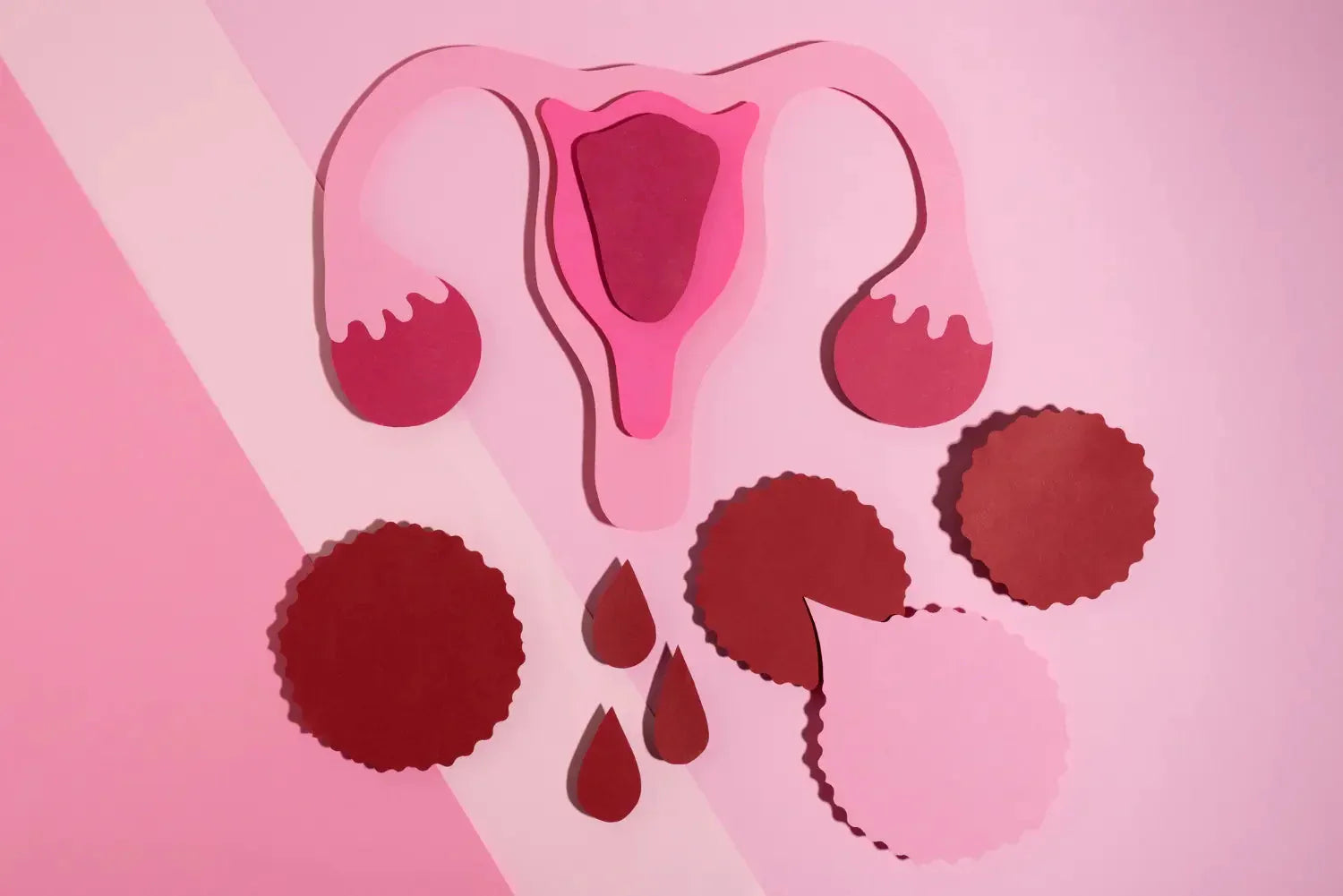






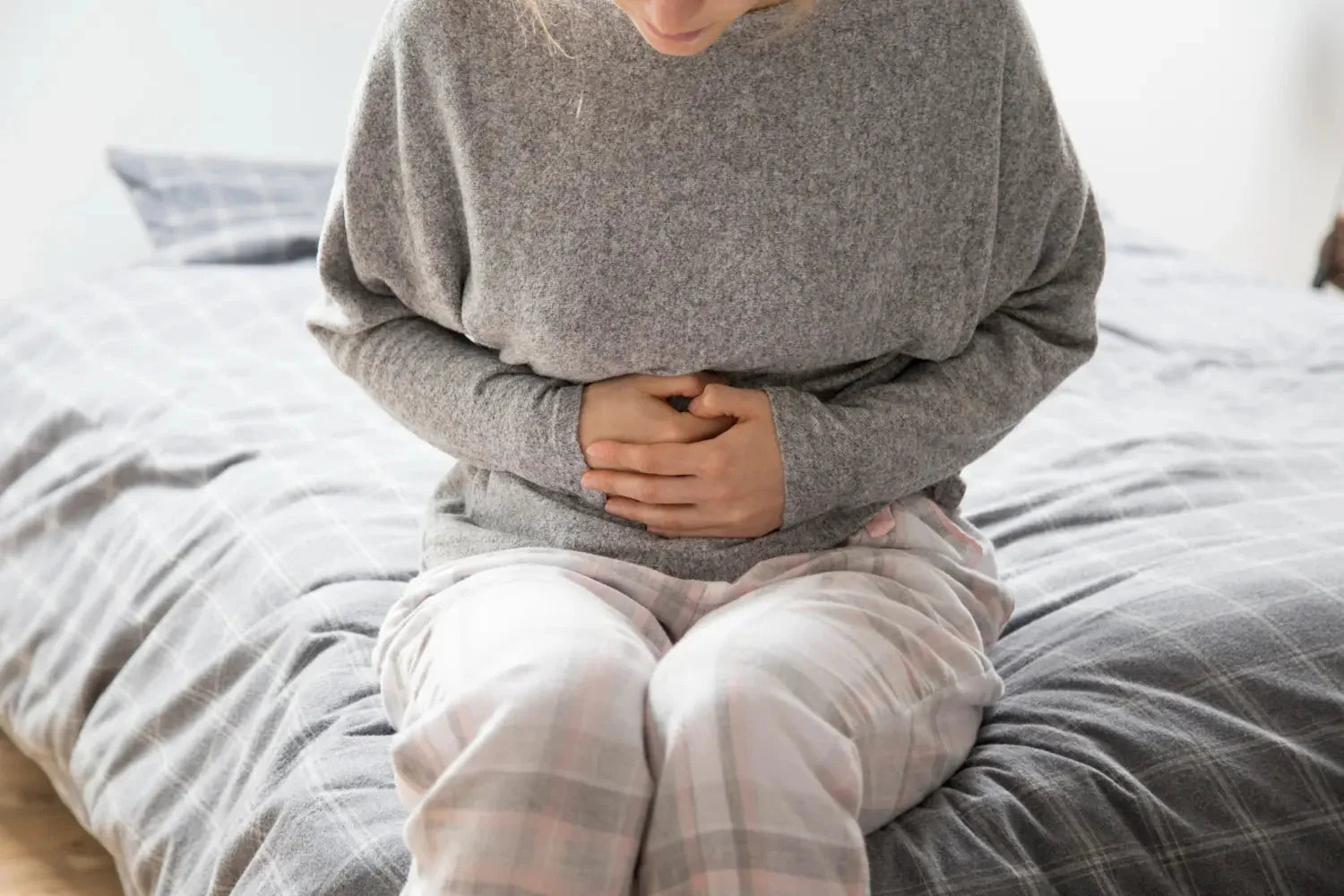
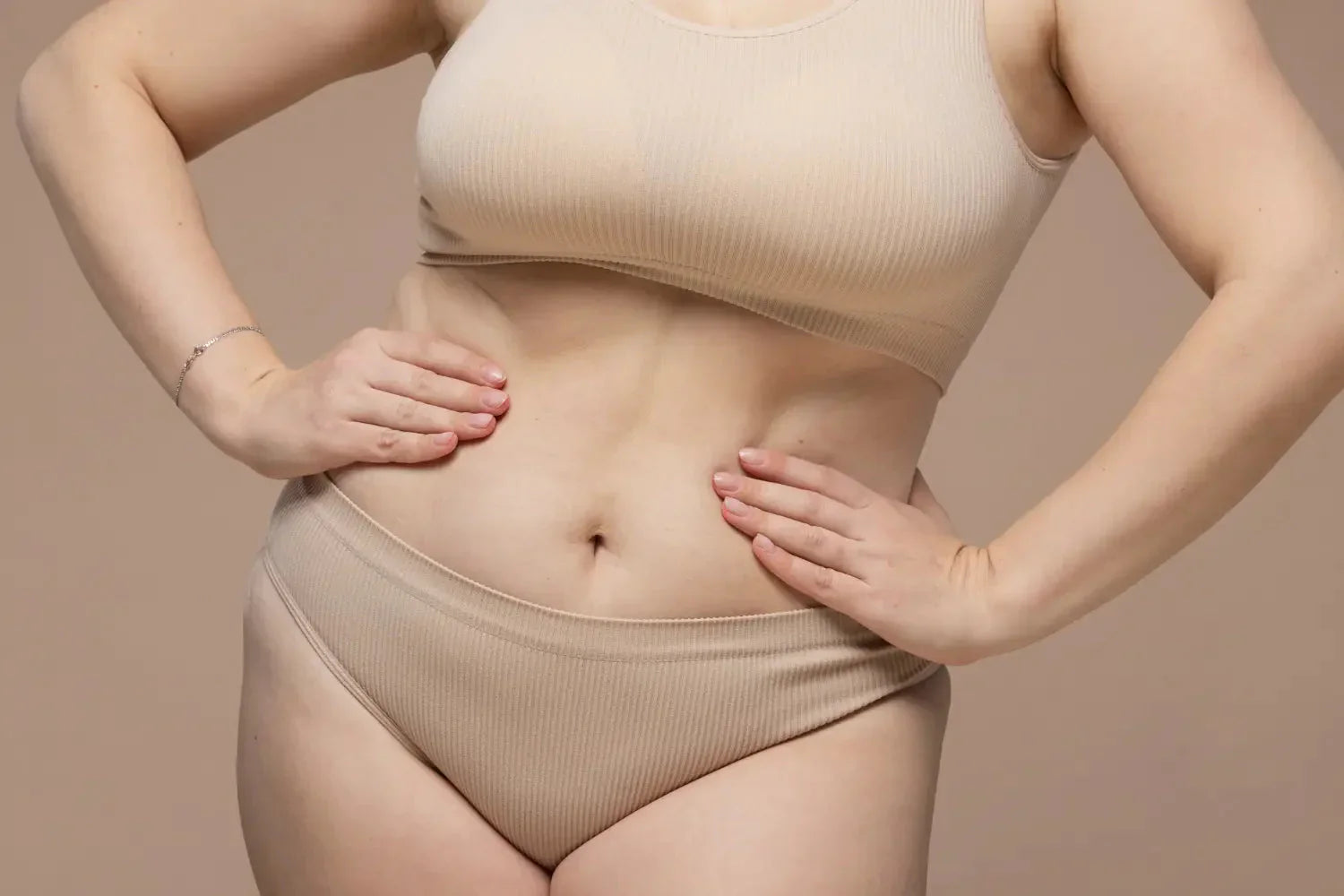

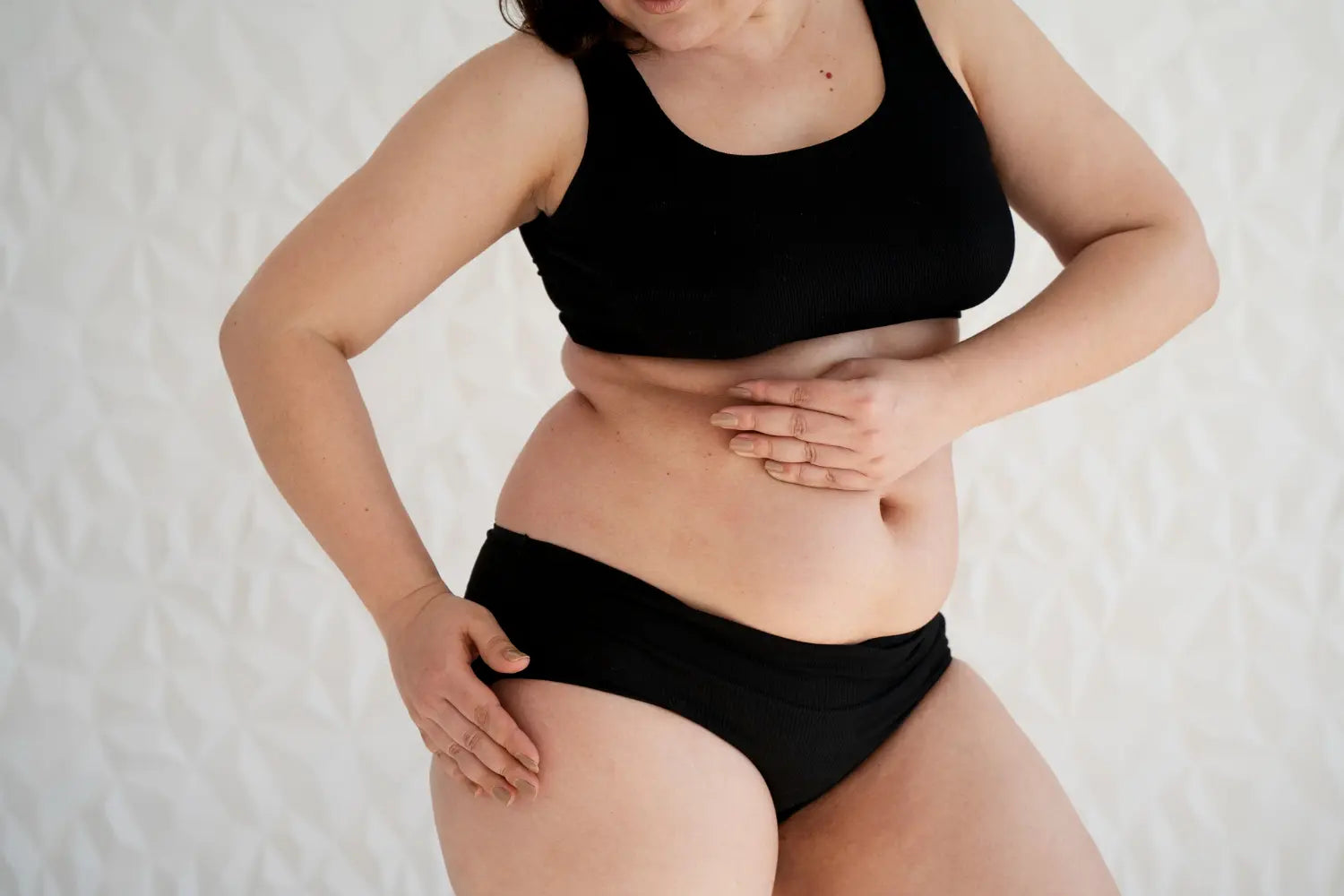

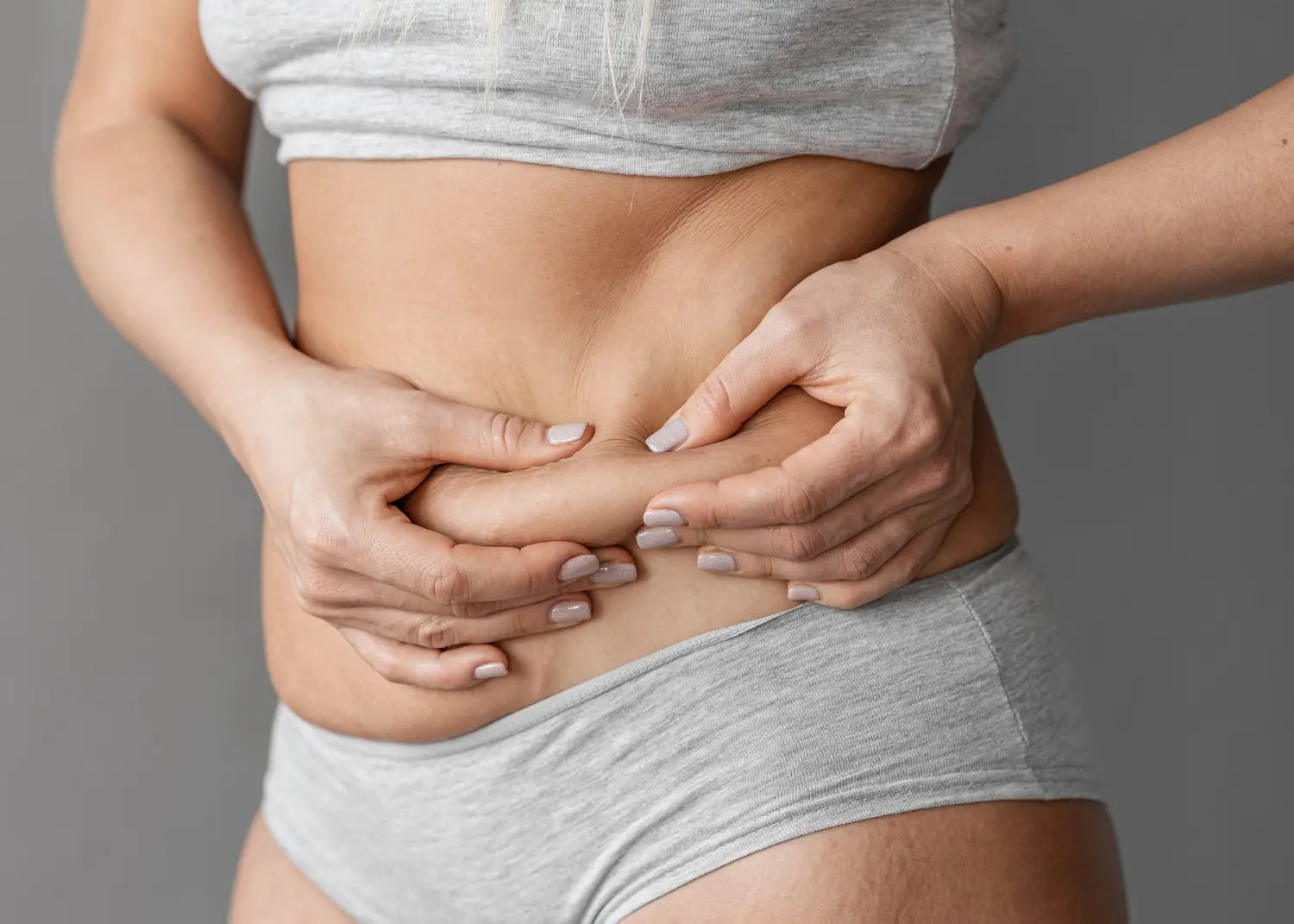
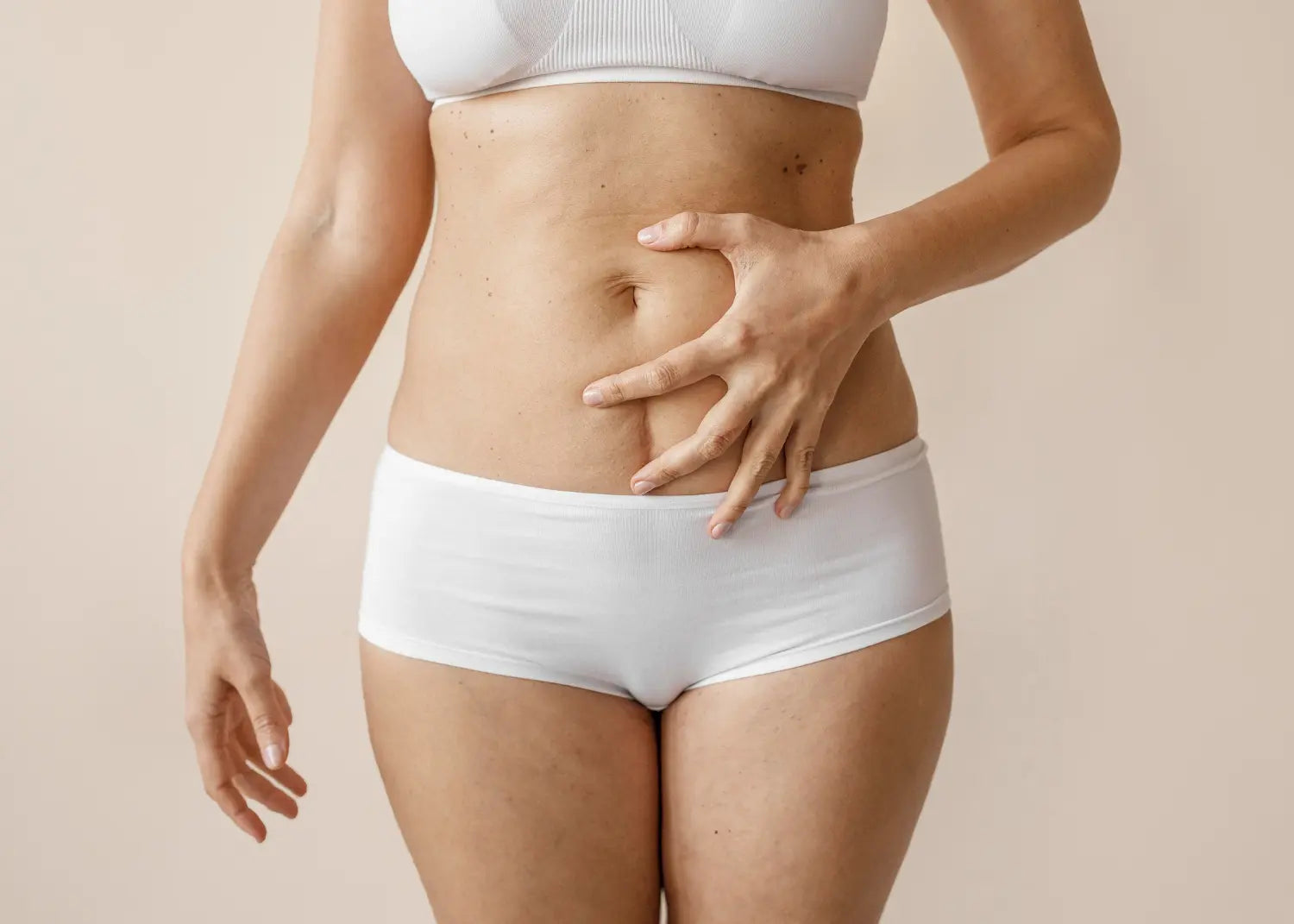



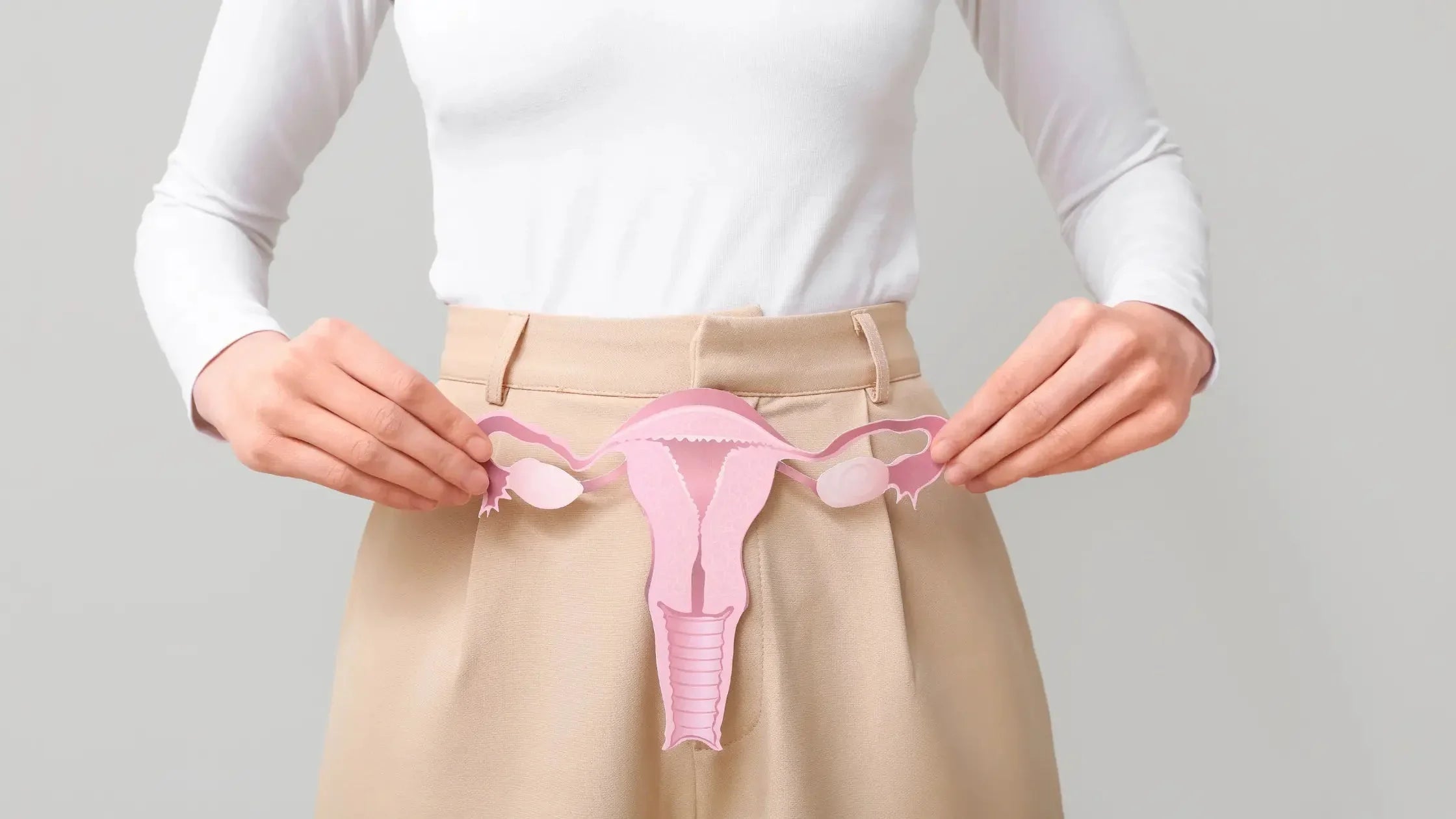















Perimenopause (pre-menopause) is a hormonal transition phase marked by fluctuations in estrogens and progesterone, which can cause hot flashes, sleep disturbances and lower abdominal pain.
This pain may be linked to menstrual cramps, hormonal variations or existing conditions (fibroids, endometriosis). Intense pain or pain accompanied by abnormal bleeding should be assessed by a doctor.
Supporting digestive health is important: fiber, probiotics (yogurt, kefir, fermented foods) and digestive spices such as ginger or turmeric can help reduce bloating and inflammation.
Perimenopause marks an important period of transition in a woman's life. Characterized by significant hormonal fluctuations, this phase can be accompanied by sometimes uncomfortable symptoms, including lower abdominal pain during perimenopause. Fortunately, certain foods can play a crucial role in easing these discomforts. Discover how a targeted diet can become your ally for navigating this stage with greater serenity.
Can menopause cause lower abdominal pain?
Yes, some women experience pain or discomfort in the lower abdomen during the menopausal transition, and it is more common than people say. Several mechanisms are involved.
The drop in estrogens leads to a gradual atrophy of pelvic tissues, which can cause a sensation of heaviness, pulling or lower abdominal discomfort. Changes in intestinal transit, including bloating, constipation and worsened irritable bowel syndrome, are also very common during this period and are often confused with gynecological pain.
What are the signs that menopause is coming to an end?
Menopause is confirmed after 12 consecutive months without a period. The transition that precedes it, perimenopause, ends gradually, and certain signs indicate that the body is finding a new balance.
Hot flashes decrease in frequency and intensity. Sleep stabilizes. Mood swings become less frequent. Cycles, which have become very irregular, stop permanently.
What is less commonly observed: certain symptoms do not disappear with the end of the transition but become long-lasting, such as vaginal dryness, background fatigue and changes in body shape. These signal not a problem, but a new hormonal phase that calls for appropriate support.
Regular gynecological follow-up remains the best reference point for understanding where you are in this transition.
Perimenopause symptoms and lower abdominal discomforts
Perimenopause, also known as pre-menopause, is a transitional phase that precedes menopause itself. It can begin several years before periods stop permanently and is accompanied by significant hormonal changes that affect the body in various ways. Perimenopause and lower abdominal pain are well-known symptoms in women going through this phase.
Hormonal fluctuations and their impact on the body
During perimenopause, estrogen and progesterone levels begin to fluctuate irregularly. These hormonal variations can lead to a range of symptoms, the most common of which are hot flashes, sleep disturbances, mood swings and menstrual irregularities. However, a particularly bothersome and often less-discussed symptom is lower abdominal pain.
The specific causes of abdominal discomforts
Abdominal discomforts during perimenopause can have several origins. They may be linked to intensified menstrual cramps, changes in the structure of pelvic tissues, or increased sensitivity to hormonal fluctuations. In some cases, these discomforts may also be associated with underlying conditions such as endometriosis or uterine fibroids, whose symptoms can worsen during this period.
Distinguishing normal pain from concerning signs
It is crucial to be able to distinguish normal pain linked to perimenopause from signs that could indicate a more serious problem. Mild to moderate, intermittent pain is generally considered normal. However, if you experience severe, persistent pain, or pain accompanied by abnormal bleeding, it is essential to consult a healthcare professional.
Lower abdominal pain during perimenopause should not be ignored, but it is not inevitable either. A holistic approach, including an adapted diet, can considerably improve your comfort.
Does menopause cause ovarian pain?
The ovaries do not "hurt" as such during menopause — they gradually reduce their activity until they stop functioning, without this process itself being painful.
What women sometimes feel in this area: pulling sensations linked to changes in the pelvic ligaments, pain of digestive origin (sigmoid colon, gas), or muscular tension in the pelvic floor. These sensations are often attributed to the ovaries when they actually have a different origin.
Anti-inflammatory foods to ease discomforts
Inflammation often plays an important role in abdominal pain linked to perimenopause. Fortunately, certain foods have natural anti-inflammatory properties that can help ease these discomforts.
Antioxidant-rich fruits
Antioxidant-rich fruits are particularly beneficial for easing inflammation. These compounds protect cells against oxidative damage and can contribute to reducing chronic inflammation in the body.
Berries (strawberries, blueberries, raspberries)
Berries are among the antioxidant-richest fruits. Blueberries, for example, contain anthocyanins, compounds that have demonstrated powerful anti-inflammatory properties. Consuming these small fruits regularly can help reduce general inflammation in the body, including in the pelvic region.
Citrus fruits (oranges, lemons, grapefruits)
Citrus fruits are an excellent source of vitamin C, a powerful antioxidant that supports the immune system and helps reduce inflammation. Regular consumption of citrus fruits can contribute to easing abdominal discomforts linked to inflammation during perimenopause. Discover the recipe for clementine and pistachio salad!
Leafy green vegetables
Leafy green vegetables, such as spinach, kale and romaine lettuce, are rich in anti-inflammatory nutrients. They contain antioxidants, vitamins and minerals that help limit inflammation and support overall body health.
Oily fish as a source of omega-3
Oily fish such as salmon, mackerel and sardines are rich in omega-3 fatty acids, known for their powerful anti-inflammatory properties [3]. Regularly incorporating these fish into your diet can help reduce chronic inflammation and potentially ease abdominal discomforts linked to perimenopause. The fresh salmon salad is an excellent source, discover it here.
Nuts and seeds
Nuts and seeds are not only rich in omega-3, they also contain other nutrients beneficial to hormonal health. Almonds, walnuts and pumpkin seeds are particularly recommended.
Chia seeds
Chia seeds deserve a special mention. They are an excellent plant-based source of omega-3 and also contain fiber and protein that can help stabilize blood sugar levels, thereby contributing to reducing inflammation.
Foods that support digestive health
Good digestive health is crucial for reducing inflammation and abdominal discomforts. Certain foods can help maintain a healthy balance in your digestive system.
Fiber-rich foods
Dietary fiber is essential for maintaining healthy, regular digestion. Vegetables, fruits, whole grains and legumes are all excellent sources of fiber. A fiber-rich diet can help limit constipation, which can worsen abdominal discomforts during perimenopause.
Natural probiotics
Probiotics are beneficial bacteria that support intestinal health. Fermented foods such as yogurt, kefir, sauerkraut and kombucha are excellent sources of natural probiotics. A balanced gut flora can contribute to reducing systemic inflammation and potentially easing abdominal pain.
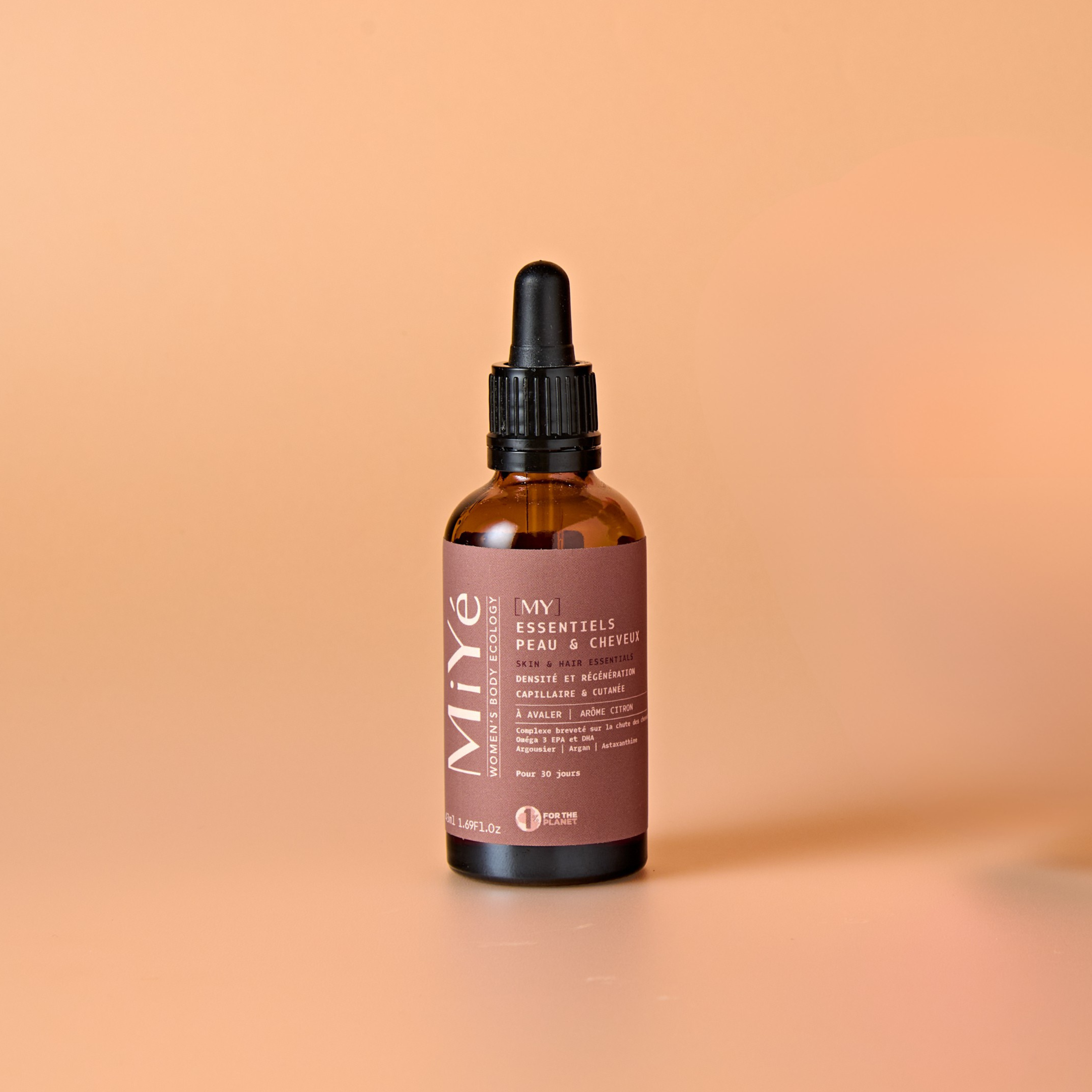
is a concentrated blend of patented probiotics combining: 4 probiotic strains (Lactobacillus acidophilus, Lactobacillus rhamnosus, Lactobacillus plantarum, Bifidobacterium animalis lactis) that work synergistically to maintain the balance of vaginal and intestinal flora.

This food supplement is not a substitute for medical advice. If in doubt, consult a healthcare professional.
Soothing herbs and spices
Certain herbs and spices have soothing properties for the digestive system. Ginger, for example, is known for its anti-inflammatory effects and its soothing action on the stomach. Peppermint can help reduce bloating and cramps, while turmeric is recognized for its powerful anti-inflammatory properties.
Hydration and anti-inflammatory drinks
Hydration plays a crucial role in managing perimenopause symptoms, including abdominal discomforts. Good hydration can help reduce inflammation, support healthy digestion and maintain hormonal balance.
The importance of water in managing pain
Drinking enough water is essential for maintaining good cellular hydration and promoting the elimination of toxins. Adequate hydration can help reduce cramps and abdominal pain by ensuring good digestive system function and limiting constipation.
Herbal teas with soothing properties
Certain herbal teas can offer natural relief from abdominal pain. Chamomile, for example, is known for its soothing and anti-inflammatory properties. Yarrow tea can help reduce bloating and cramps, while lemon balm is recognized for its calming effects on the digestive system.
[MY] Essentielle Infusion Concentrée supports your everyday digestive and emotional comfort, thanks to its plants selected for their soothing properties. To be incorporated into your warm routine, morning or evening.
This food supplement is not a substitute for medical advice. If in doubt, consult your healthcare professional.
Anti-inflammatory juices and smoothies
Juices and smoothies made with anti-inflammatory ingredients can be a delicious and effective way to limit inflammation and abdominal pain.
Our antioxidant smoothie and fiber-rich smoothie recipes.
Sour cherry juice
Sour cherry juice is rich in anthocyanins with powerful anti-inflammatory properties. Regular consumption of cherry juice can contribute to reducing systemic inflammation and potentially easing abdominal pain linked to perimenopause.
Green smoothie with spinach and pineapple
A smoothie combining spinach (rich in antioxidants and fiber) and pineapple (containing bromelain, an anti-inflammatory enzyme) can be particularly beneficial. Adding chia seeds can further increase the anti-inflammatory properties of this drink.
By incorporating these foods and drinks into your daily diet, you can contribute to reducing inflammation, balancing your hormones and potentially easing abdominal pain associated with perimenopause. Remember that every woman is unique and what works for one may not suit another. It is always recommended to consult a healthcare professional before making significant changes to your diet, especially if you have pre-existing medical conditions.
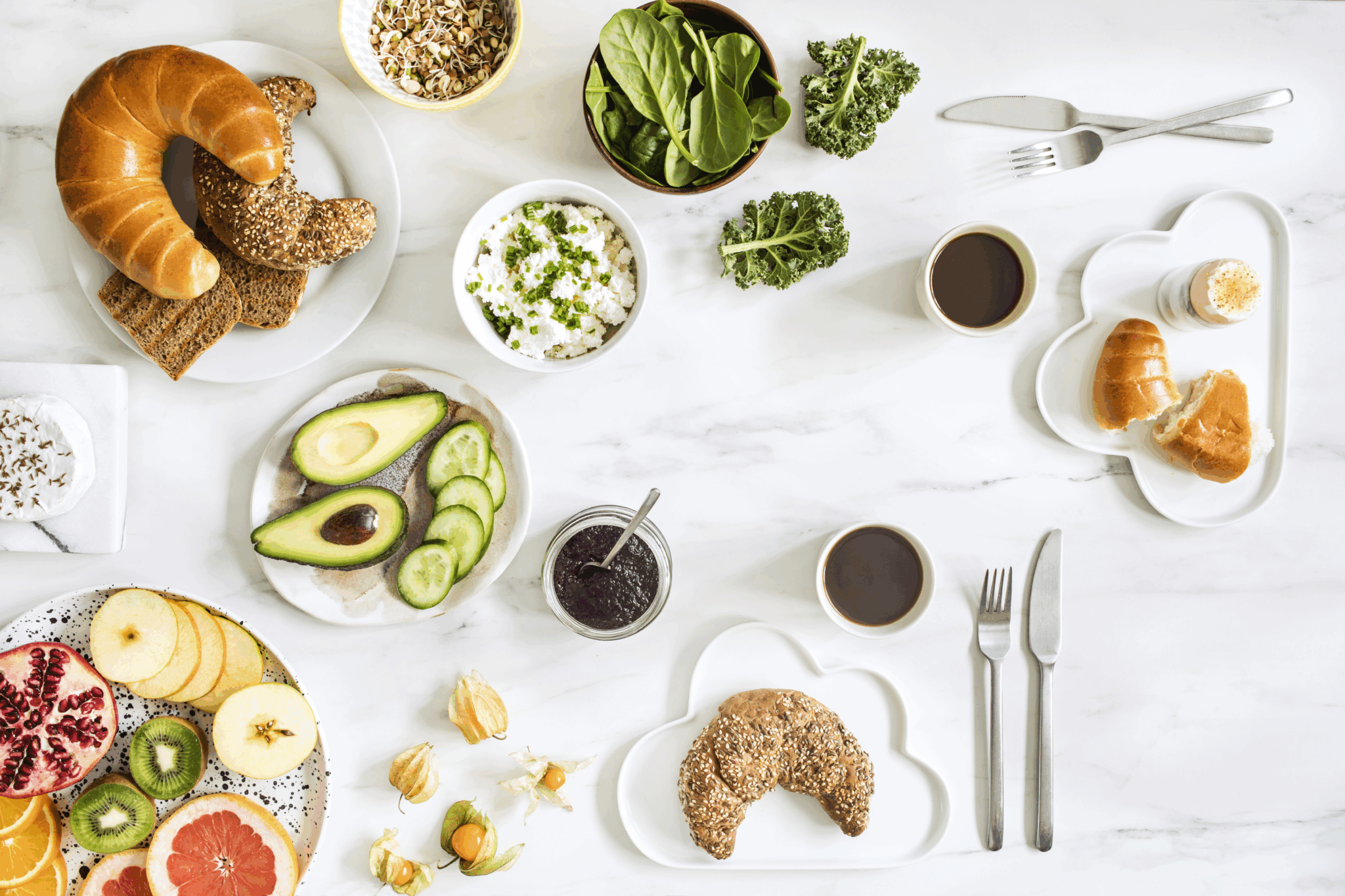
To optimize the benefits of these foods, it is advisable to incorporate them into a balanced and varied diet. Here is an example of a daily meal plan that incorporates several of these beneficial foods:
Breakfast: - Spinach, blueberry and chia seed smoothie - Plain yogurt with nuts and chia seeds
Lunch: - Quinoa salad with grilled salmon, avocado and green vegetables - An orange for dessert
Snack: - A handful of almonds and a few strawberries
Dinner: - Roasted chickpeas with vegetables and turmeric - Chamomile herbal tea at the end of the meal
By adopting a holistic approach that combines an anti-inflammatory diet, good hydration and healthy lifestyle habits, you can contribute significantly to reducing abdominal pain and other symptoms associated with perimenopause. Remember that patience and consistency are essential: the beneficial effects of these dietary changes may take a few weeks to fully manifest.
Key takeaways
During perimenopause, lower abdominal pain can be particularly bothersome, but adopting an adapted diet can contribute to easing it naturally. Incorporating nutrient-rich, anti-inflammatory and hormonally balancing foods such as green vegetables, omega-3 and chia seeds helps ease these symptoms and navigate this transition more comfortably. Every woman is unique, so it is essential to pay attention to your body and its specific needs. Do not hesitate to combine a healthy diet with other practices, such as relaxation or gentle physical exercise, to maximize your well-being during this delicate period.
Sources:
-
[1] Ameli.fr — Menopause: available medical treatments:
https://www.ameli.fr/alpes-maritimes/assure/sante/themes/menopause/traitement -
[2] Ameli.fr — Perimenopause and pre-menopause: symptoms and contraception:
https://www.ameli.fr/assure/sante/themes/menopause/perimenopause-premenopause-symptomes-et-contraception -
[3] Calder P.C. et al. (2012) — Omega-3 fatty acids and inflammatory processes. Nutrients:
https://pubmed.ncbi.nlm.nih.gov/22254027/

Share:
Menopause treatments
Premenstrual dysphoric disorder : How to manage symptoms of PMDD ?