





SUMMARY
- The essential role of zinc in hormonal regulation
- Effects of zinc on hormones specific to women
- Zinc in the prevention and improvement of Premenstrual Syndrome (PMS) symptoms
- Zinc's contributions to menopause and post-menopausal health
- How to optimize your zinc intake to benefit from its hormonal effects

Key takeaways
Zinc is an essential trace element for healthy female hormonal function, and is often underestimated.
It contributes to the regulation of sex hormones (estrogens, progesterone, LH, FSH) and supports more regular menstrual cycles.
A zinc deficiency can lead to cycle irregularities, menstrual pain, hormonal imbalances and reduced fertility.
Supplementation may be helpful in cases of deficiency, restrictive diet, pregnancy or marked hormonal symptoms, always with medical advice.
The essential role of zinc in hormonal regulation

Impact on the menstrual cycle
Zinc plays a role in hormonal regulation to naturally support your menstrual cycle. It contributes to the balanced production of estrogens and progesterone, two hormones essential to regular ovulation and more stable periods. In cases of zinc deficiency, you may experience irregularities and more pronounced pain (dysmenorrhea) due to less optimal follicle maturation.
To ease these cramps, a moderate supplementation of 7 mg of zinc per day, for at least eight weeks, has shown efficacy [1]. The key? Its antioxidant and anti-inflammatory properties that soothe uterine spasms.
Modulation of fertility and reproduction
By rebalancing estrogen and progesterone levels, zinc supports the maturation of oocytes and the stability of pregnancy, thereby improving female fertility. It contributes to the quality of reproductive cells, a valuable asset for women who are pregnant or trying to conceive. According to a study published in 2021 in Nutrients, an adequate zinc intake is associated with better chances of conception [2] and greater cycle regularity in women affected by polycystic ovary syndrome.
Zinc and its effects on fertility
Zinc has a significant impact on female fertility. It is necessary for the development and maturation of oocytes, as well as for preparing the uterus for the implantation of the fertilized egg. A zinc deficiency can lead to fertility problems, such as infertility or difficulties conceiving, due to altered oocyte quality and disruption of ovarian function.
Furthermore, zinc is involved in the processes of fertilization and embryonic development. The rapid release of zinc, known as the "zinc spark", is essential for the activation of the egg [3] after fusion with the sperm cell and to prevent polyspermy.
Zinc is also necessary for the division, proliferation and differentiation of the pre-implantation embryo.
Effects of zinc on hormones specific to women

Zinc and estrogens: a crucial relationship
Zinc directly modulates the activity of estrogen receptors, which attenuates the effects of hormonal variations throughout reproductive life. Whether your estrogen levels are too high or too low, this trace element helps maintain a balance that can support a more regular cycle and limit mood variations. By stabilizing these levels, zinc supports your overall hormonal comfort.
Influence on progesterone and hormonal balance
Zinc also contributes to the synthesis and secretion of luteinizing hormone (LH) and follicle-stimulating hormone (FSH), which are essential for triggering ovulation and producing progesterone. It also helps regulate testosterone levels, thereby contributing to the balance of all sex hormones.
Thanks to this combined action, you may benefit from more regular cycles and less debilitating symptoms.
Zinc in the prevention and improvement of Premenstrual Syndrome (PMS) symptoms
Reduction of physical symptoms
During PMS, zinc limits the production of prostaglandins responsible for painful uterine contractions. A supplementation of 7 mg per day for eight weeks helps reduce abdominal and lower back cramps through its antioxidant action, which also improves endometrial microcirculation. Beyond these benefits, you may notice less bloating, water retention, headaches, breast tenderness and premenstrual acne.
Easing mood disturbances
To ease irritability, anxiety or mental fatigue linked to PMS, zinc modulates cortisol and supports hippocampal function, a key area for emotional well-being. Studies show that women suffering from severe PMS often have lower zinc levels [4]. With supplementation of 15 to 20 mg per day, you may stabilize your mood, reduce sugar cravings and better manage stress during this period.
Zinc's contributions to menopause and post-menopausal health
Role in managing hot flashes
Zinc helps reduce hot flashes and night sweats by regulating the action of estrogen receptors. Combined with copper, it supports the absorption of serotonin and noradrenaline, two neurotransmitters essential to thermoregulation, for lasting relief and improved sleep.
Supporting bone health after menopause
Present in nearly 20% of the bone matrix [5], zinc stimulates osteoblasts (bone-building cells) and regulates osteoclasts (resorption cells), thereby limiting post-menopausal demineralization. In synergy with vitamin D, it helps preserve normal bone density and protect your bones from oxidative stress.
How to optimize your zinc intake to benefit from its hormonal effects
Dietary sources of zinc and nutritional advice
To cover your daily needs (8–11 mg/day, or 11–13 mg if you are pregnant or breastfeeding [6]), turn to:
- Animal-based foods: oysters (22–120 mg/100 g), veal liver (12 mg), beef (6–11 mg), crab (12 mg), hard cheeses (7–9 mg)
- Plant-based foods: pumpkin seeds (7.8 mg), roasted sunflower seeds (36 mg), wheat germ (14 mg), lentils (1–5.5 mg), cocoa powder (13.6 mg) — remember to soak or ferment legumes and cereals to reduce phytates and improve absorption.
Food supplements: when and why to use them?
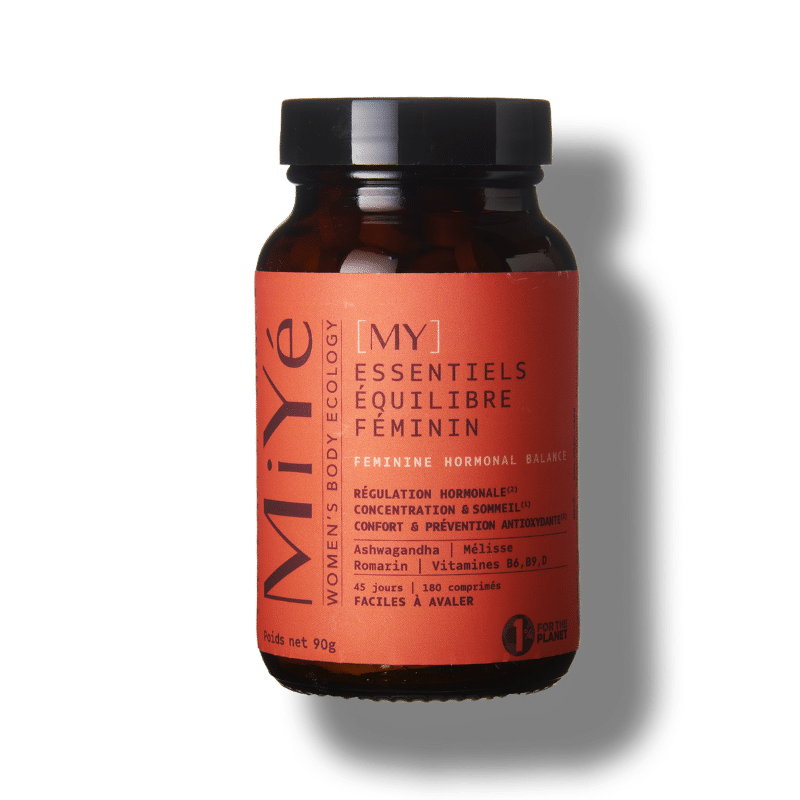
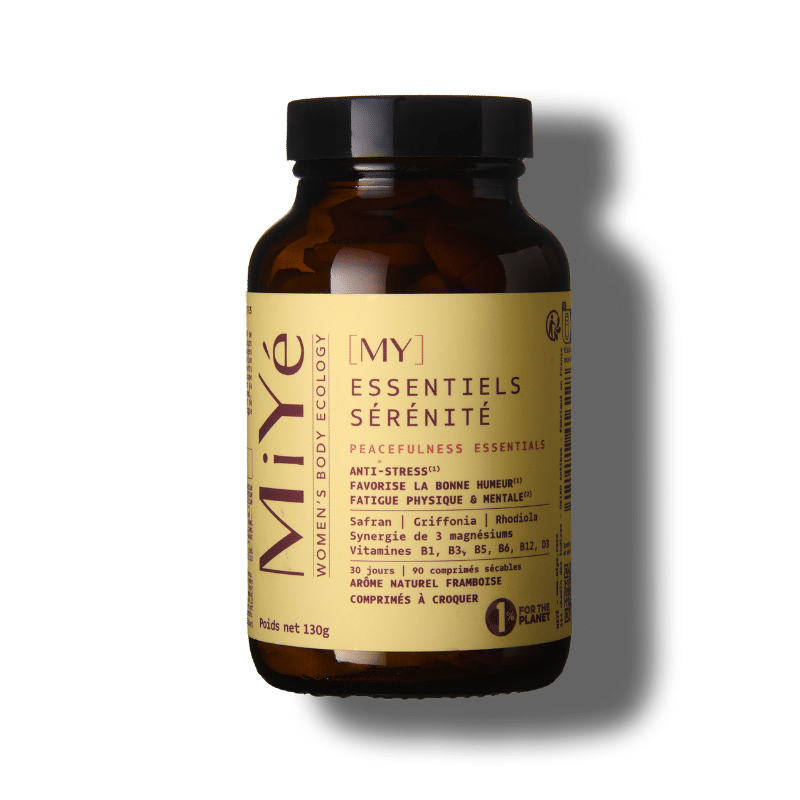
RECOMMENDED PRODUCT
Support for hormonal variations
Emotional and mental comfort
Antioxidant and anti-inflammatory action
Symptoms: Physical fatigue, difficulty concentrating, hot flashes, breast pain, irritability, sleep disturbances, night sweats.
This food supplement is not a substitute for medical advice. If in doubt, consult your healthcare professional.
While a balanced diet is generally sufficient to cover zinc needs, certain situations may require taking food supplements to regulate hormones. Here are some cases where this may be recommended:
- Zinc deficiency: If a blood test reveals a zinc deficiency, a supplement may be necessary to correct this deficit. It is essential to consult a doctor to identify and address the underlying cause of the deficiency.
- Restrictive diets: Vegetarians, vegans or people following specific diets may be more susceptible to zinc deficiencies, as zinc from plant-based foods is less well absorbed by the body. In these cases, a supplement may be useful.
- Pregnancy and breastfeeding: Pregnant or breastfeeding women have increased zinc needs due to fetal development and breast milk production. A doctor may recommend a supplement to ensure an adequate intake.
- Side effects and interactions: It is important to consult a doctor before taking a zinc supplement. It may interfere with certain medications and cause side effects such as indigestion, diarrhea, headaches, nausea or vomiting.
Sources
-
[1] Rahnama P. et al. (2012), Effect of zinc supplementation on dysmenorrhea. BJOG:
https://pubmed.ncbi.nlm.nih.gov/22708957/ -
[2] Garner T.B. et al. (2021), Role of zinc in female reproduction. Nutrients:
https://pubmed.ncbi.nlm.nih.gov/33917990/ -
[3] Kim A.M. et al. (2011), Zinc sparks are triggered by fertilization and facilitate cell cycle resumption in mammalian eggs. ACS Chemical Biology:
https://pubmed.ncbi.nlm.nih.gov/21526770/ - [4] Jafari F. et al. (2022), Serum zinc levels in women with premenstrual syndrome. BMC Women's Health: https://pubmed.ncbi.nlm.nih.gov/34763680/
-
[5] ANSES (2021), Nutritional reference values for vitamins and minerals: zinc:
https://www.anses.fr/fr/content/les-références-nutritionnelles-en-vitamines-et-minéraux -
[6] EFSA (2014), Scientific Opinion on Dietary Reference Values for zinc:
https://www.efsa.europa.eu/en/efsajournal/pub/3844

Share:
Diet and hormone balance: how nutrition influences our hormones
Grandma's remedies for balancing your hormones?