





SUMMARY
- Hormonal balance, a pillar weakened by everyday life
- Hormonal imbalance in adults
- The causes of hormonal imbalance: what pitfalls for women and men?
- Warning signs: how do you recognise a hormonal shift ?
- Consequences for health — how far can imbalance go ?
- Ways to regain control: how to act and prevent ?


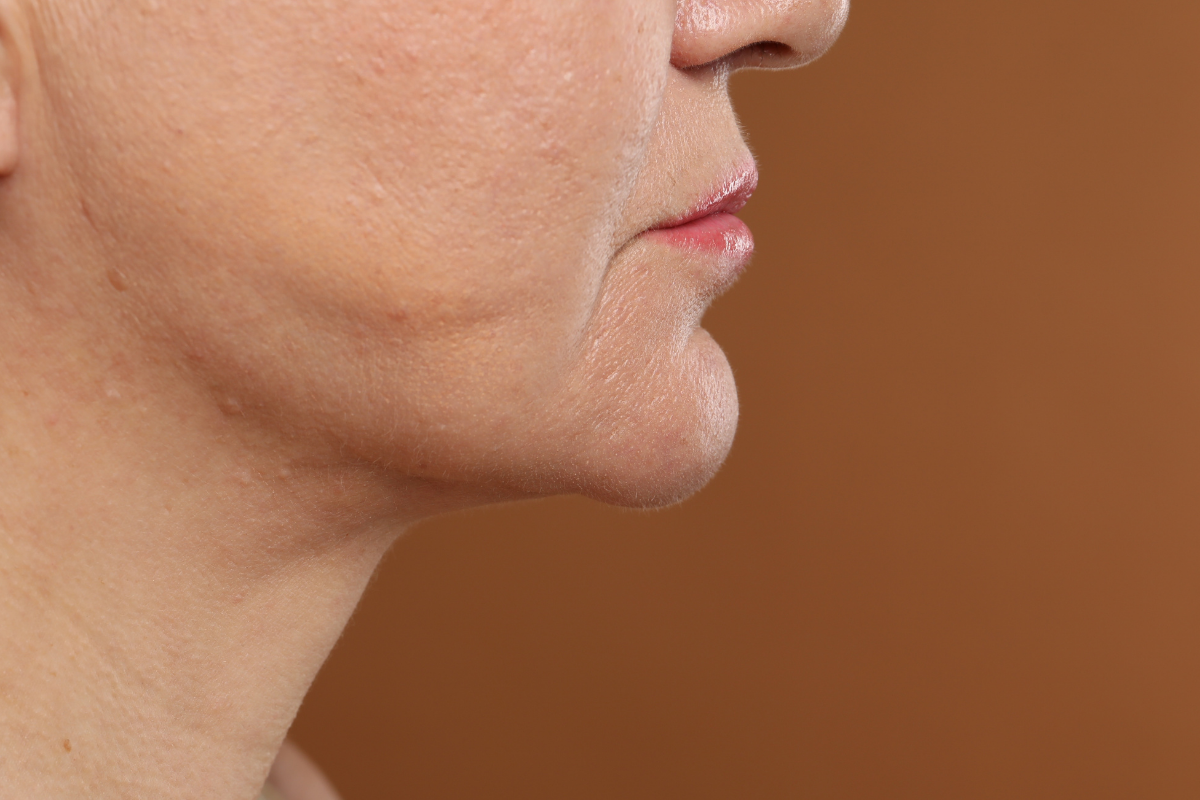
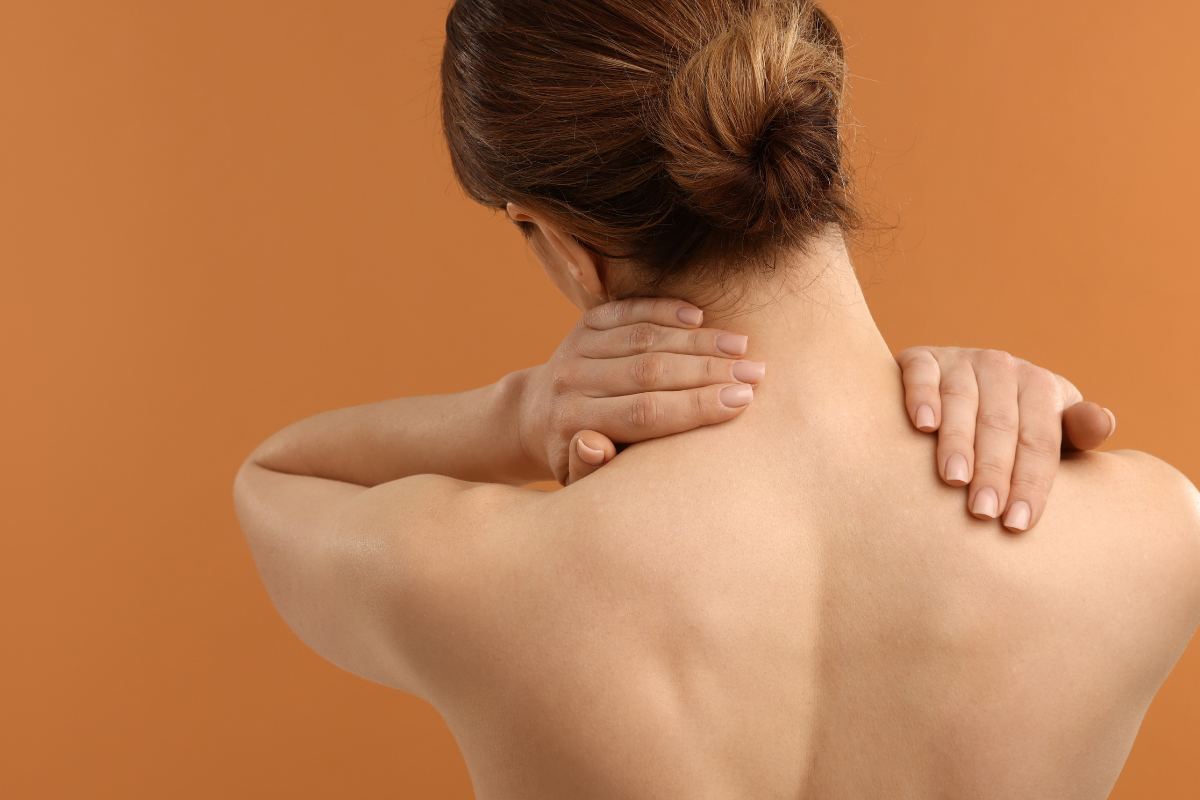



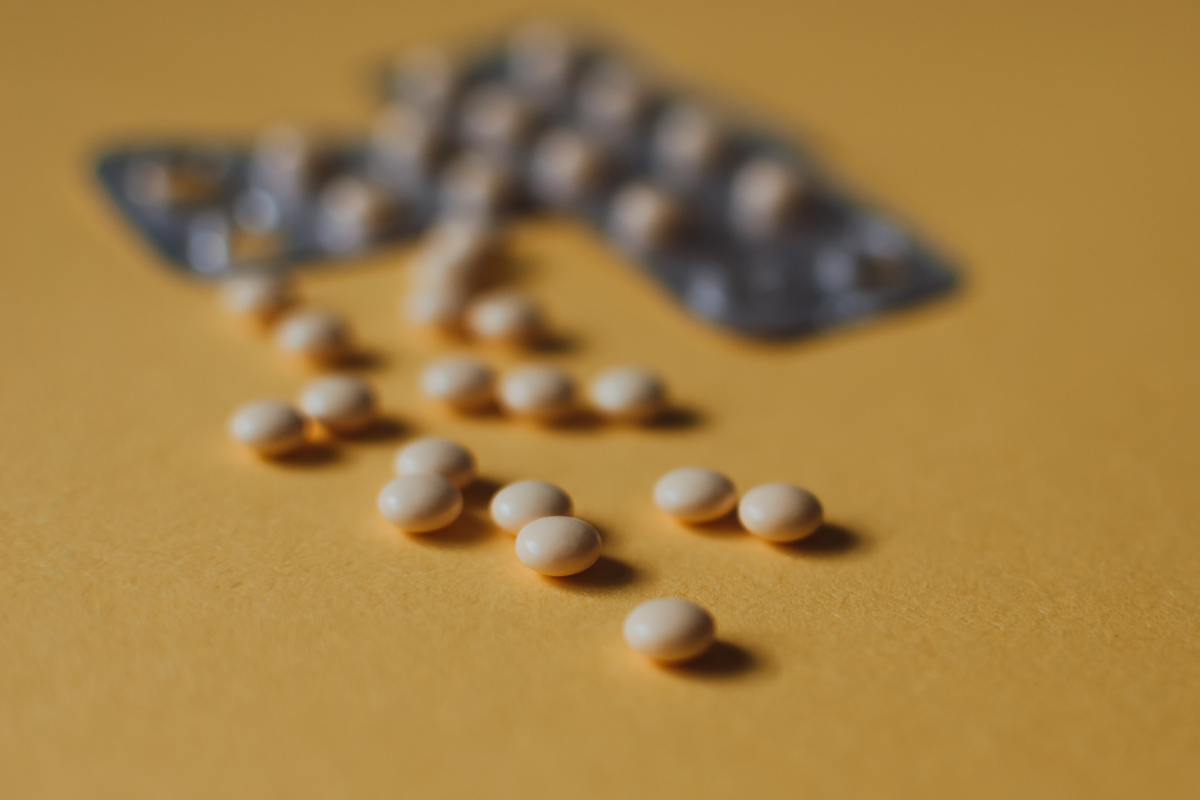



















Hormonal balance, a pillar weakened by everyday life
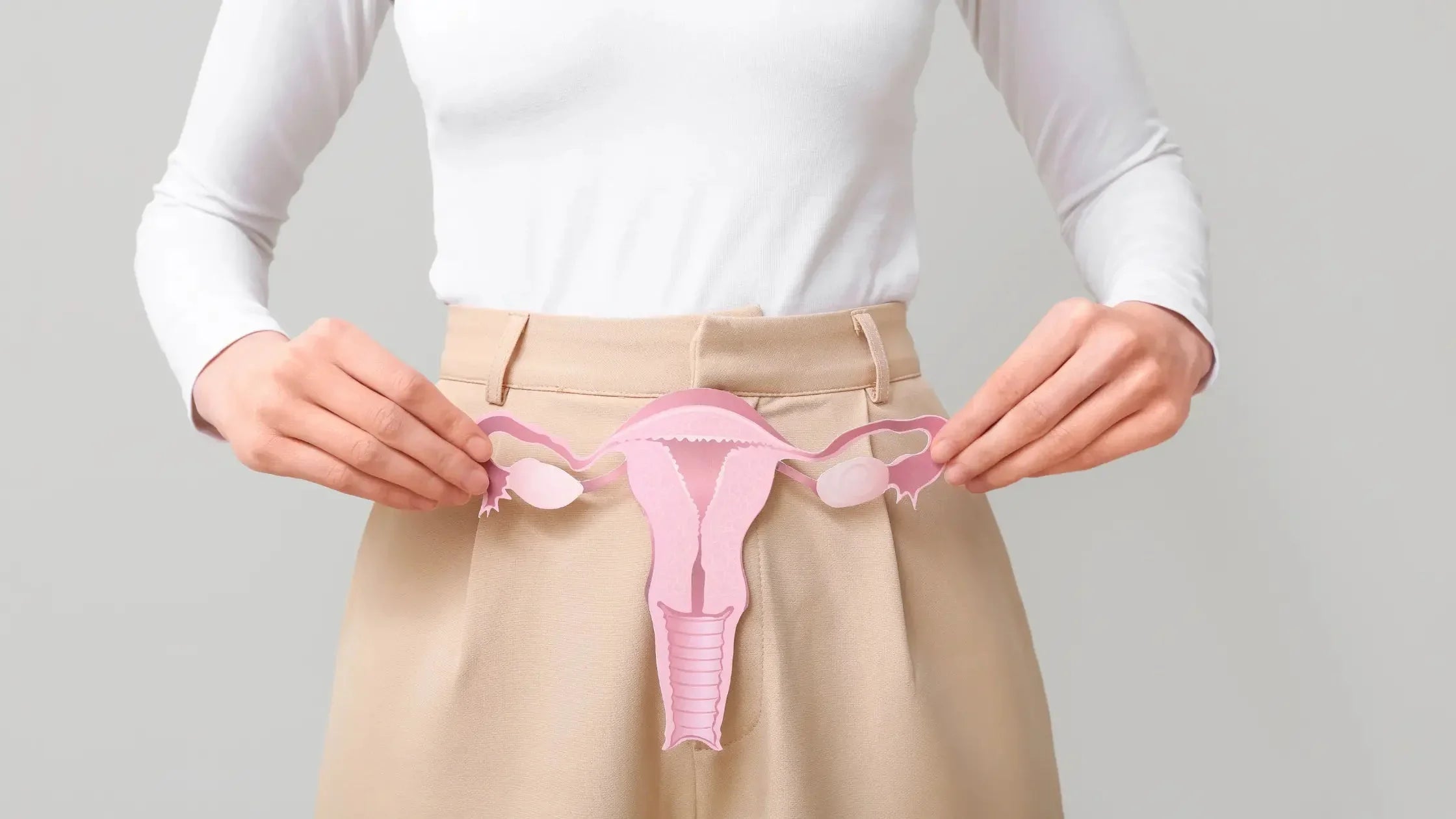
No one truly escapes it. The endocrine system works hand in hand with all the body’s functions. The pituitary gland sets the tempo like a true conductor, the thyroid monitors metabolism, the pancreas adjusts blood sugar levels, the ovaries regulate the female cycle, and the testes maintain male vitality. One tiny grain of sand and the whole machine can derail.
Do you sometimes feel like everything gets thrown off balance so easily? Stress, illness, or even a seemingly minor change can be enough to shake this delicate equilibrium. There’s no need for an organ to completely fail for everything to start wobbling.
Every gland reacts, every hormone circulates, and this fragile ballet governs digestion, growth, libido, and sleep. The body protests, loudly, at the slightest variation. No one really has the perfect recipe to avoid every fluctuation.
Hormonal imbalance in adults
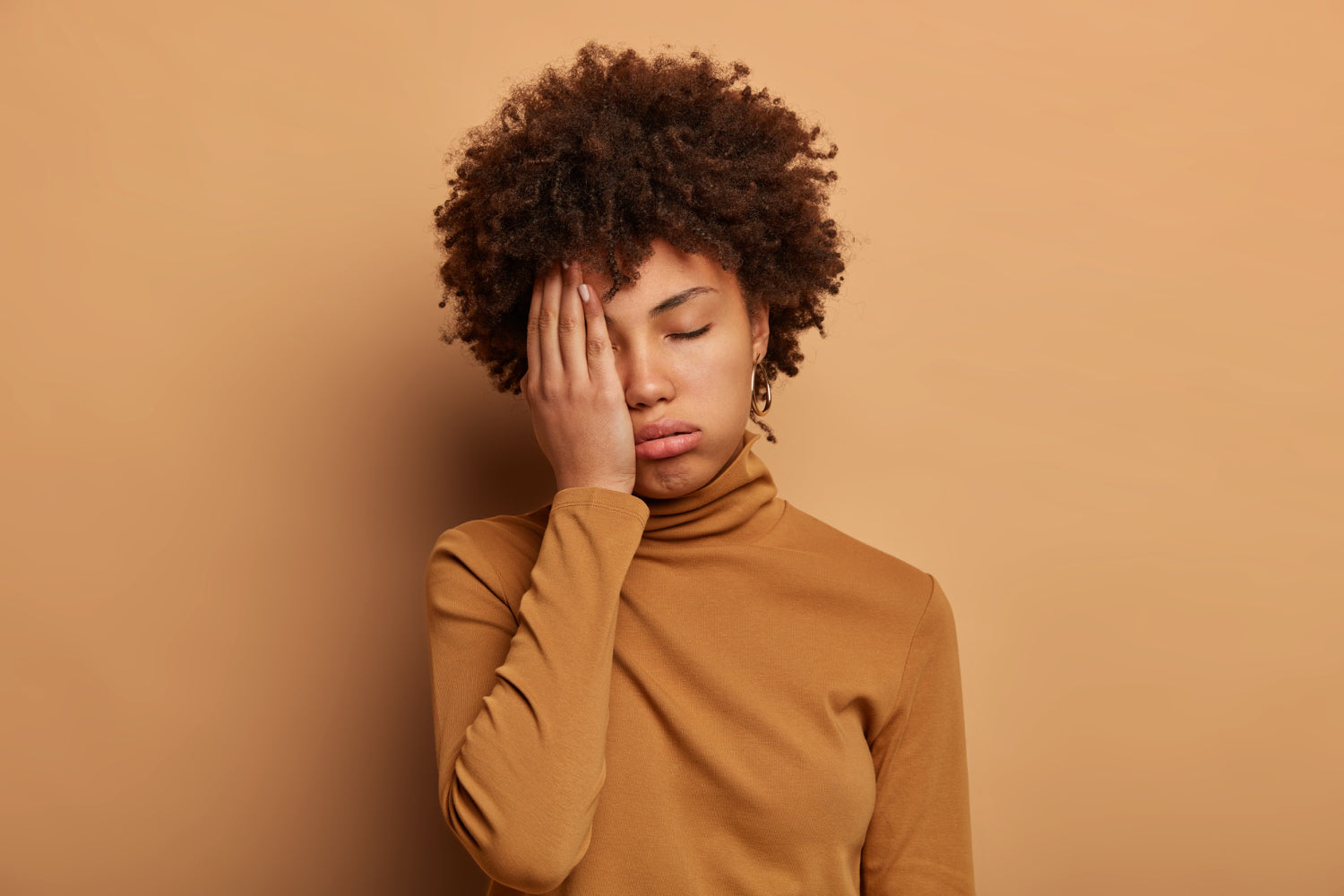
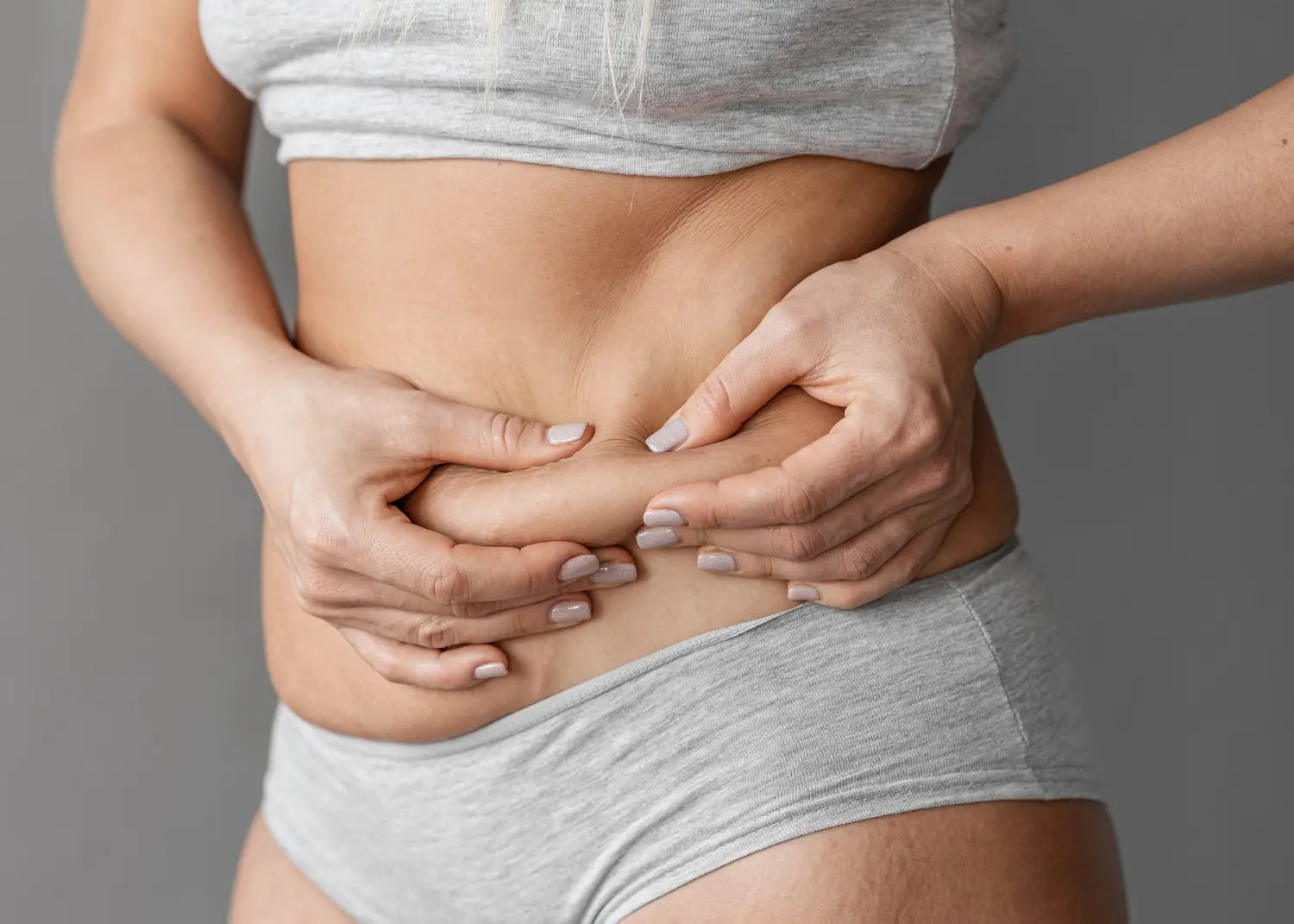
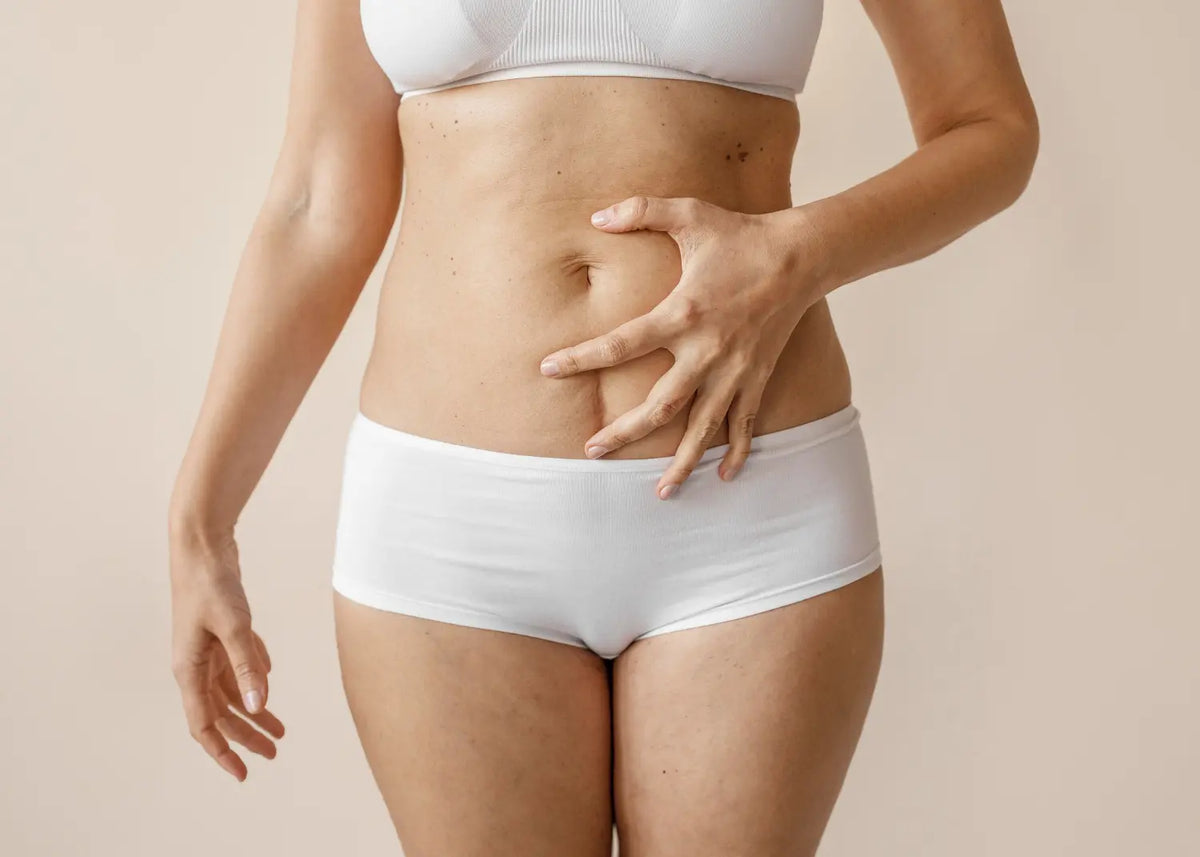
When we talk about hormones, many of us immediately think of teenagers going through puberty and all the issues that can arise. What many people don’t realise is that adults can also experience hormonal imbalances. Whether it’s sleep problems, weight gain, fatigue, or mood swings, a hormonal imbalance can have a major impact on your life.
Here’s how you can start managing it.

The causes of hormonal imbalance: what pitfalls for women and men?
The list can seem long. Illness, age, environment, stress — everything tips the scales. Women go through these upheavals several times in life, sometimes from adolescence and often again at menopause. Men, though less exposed, can also feel a strong shock when the system starts to fail.
The pancreas in overdrive in diabetes, the sluggish thyroid in hypothyroidism, the ovaries in turmoil with PCOS — these disorders often share the stage. Chronic stress, unbalanced diet, toxins… the list keeps getting longer.
- Industrial, ultra-processed food worsens the phenomenon
- Plastics and pesticides destabilise the system
- Life stages such as puberty, pregnancy, and menopause trigger fresh upheavals
- Stress, the central factor, exhausts the body right down to its hormonal reserves
And you — have you already noticed these shifts that seem to appear without warning?
| Causes | Specific to women | Specific to men |
|---|---|---|
| Endocrine disorders (PCOS, hypothyroidism, diabetes) | PCOS, menstrual disorders | Hypogonadism, diabetes |
| Prolonged stress | Worsened PMS, disrupted cycles | Reduced testosterone levels |
| Diet, environmental toxins | Increased impact on ovaries and fertility | Damage to sperm cells |
| Life stages (puberty, pregnancy, menopause) | Menopause, pregnancy, puberty | Andropause, puberty |
Women often go through several upheavals over the course of their lives. Cycles get longer or stop altogether, fertility fluctuates or pauses, moods spiral. For the past twenty years, scientists have been repeating the same message: endocrine disruptors hidden in our environment are driving diagnoses sharply upwards (ANSES, 2025).
Warning signs: how do you recognise a hormonal shift ?
Persistent fatigue sets in, then sleep falls apart. Every morning feels just like the last, weight fluctuates for no obvious reason, anger rises, sadness floods in. These are the real silent warning signs.
Low libido, unexplained irritability — the list goes on, and no one, man or woman, is fully spared. If you recognise yourself in this, it’s no coincidence. People often hesitate to put a name to this feeling of being drained, unsettled, out of sync.
Hormonal signals in women — from the cycle to skin changes
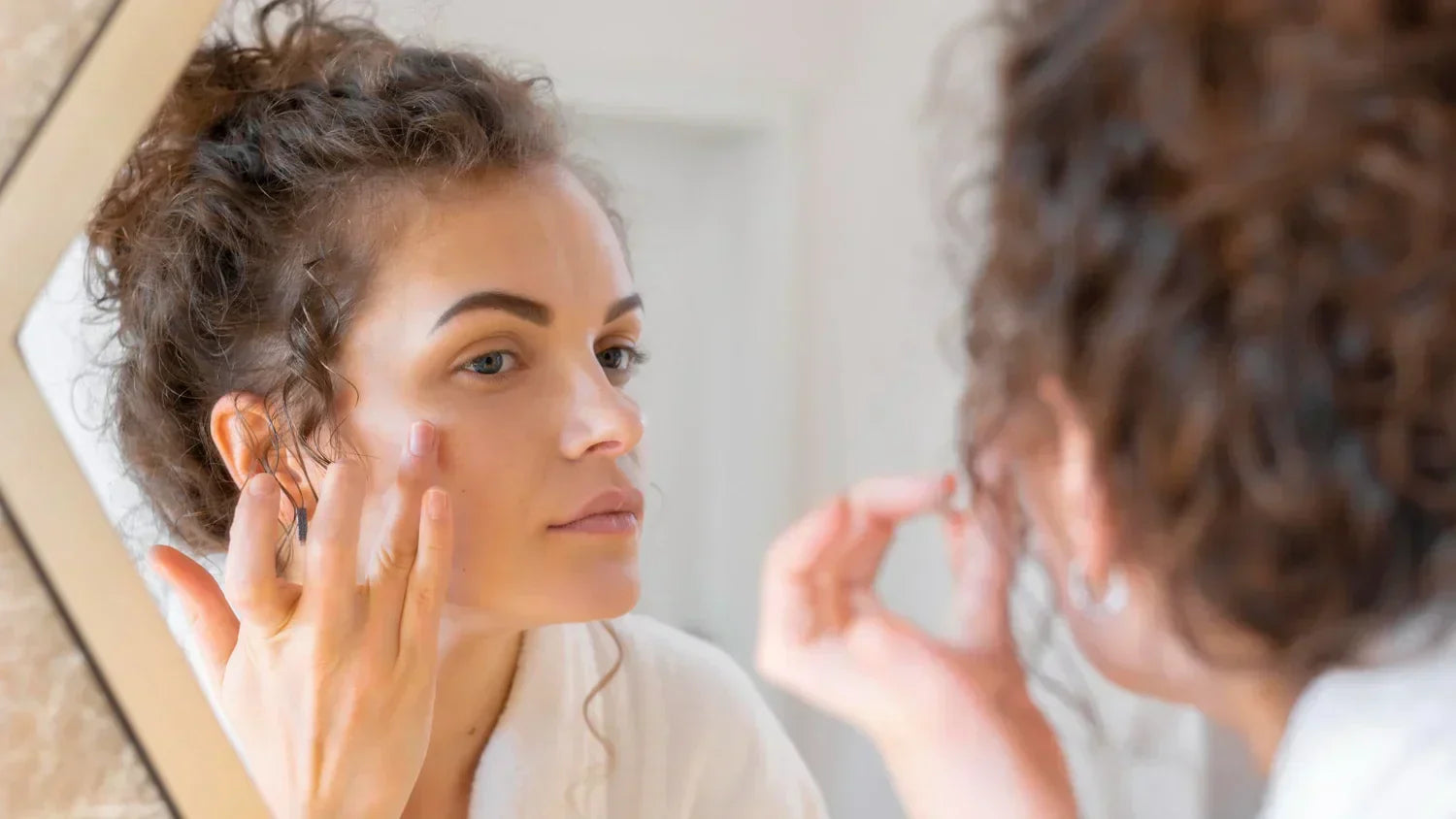
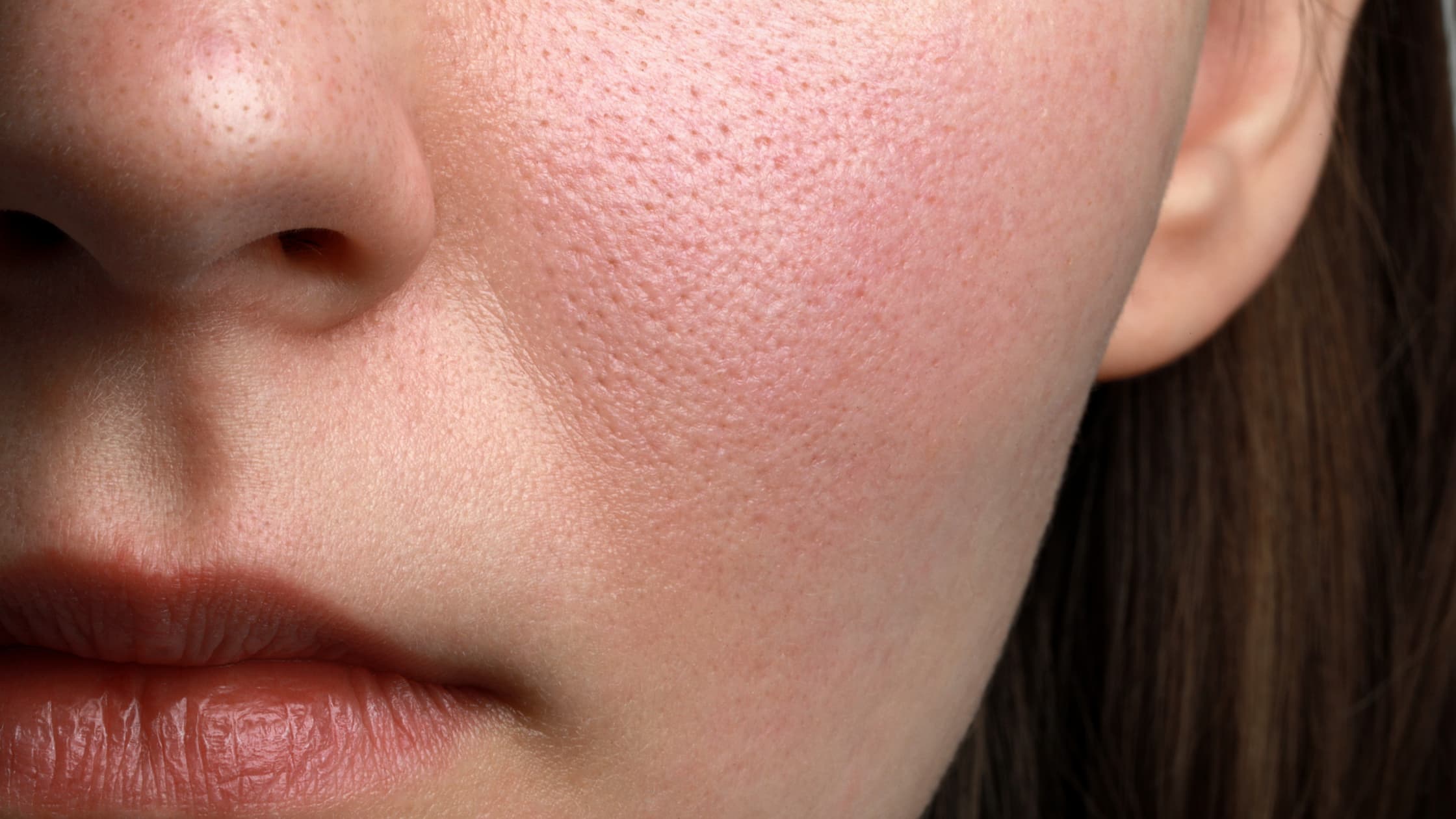
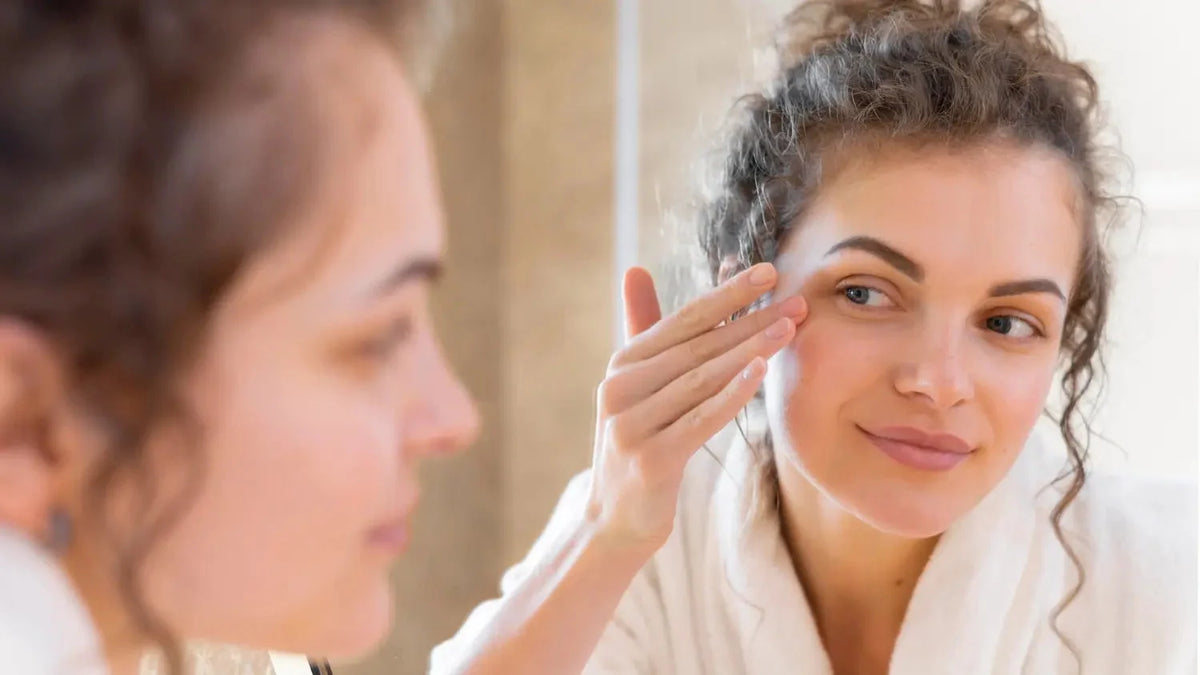
The female body doesn’t lie. The cycle no longer follows its usual rhythm, disappears, or becomes very heavy, and pain settles in. Adult acne persists, the skin dries out, hair falls, and fatigue follows you everywhere.
Pelvic or breast pain can appear even well beyond adolescence. Many people don’t want to believe that these symptoms can go beyond the teenage years, yet they can affect daily life at any age.
| Gynaecological symptoms | Non-gynaecological symptoms |
|---|---|
| Irregular cycles, amenorrhoea, pelvic pain | Persistent acne, hair loss, dry skin, increased fatigue |
One in three women reports at least one of these signs, according to a 2025 survey by URPS and Health Insurance. Testimonials flood into doctors’ offices, while embarrassment and fear often stay quiet. One example? Sarah, 38, feared she was falling into depression: “I thought I was losing my mind. I cried after the diagnosis. At last, I knew what was happening to me.” Many will see themselves in that story.
Consequences for health — how far can imbalance go ?
Hormonal disorders are anything but subtle. Metabolism becomes dysregulated, weight either piles on or drops off, diabetes and cholesterol issues appear — the chain reaction can be fast. Mental health becomes fragile, anxiety spreads, and depression creeps in quietly.
The body raises alarms on every front. When sleep collapses, fatigue doubles, and before long, heart, digestive, and muscle function all become involved. The national health institute warns that up to twenty vital functions can be affected.
Specific consequences for women — motherhood and menopause under strain
Fertility is shaken, cycles become irregular, ovulation turns erratic and the effects last.PCOS, miscarriages, and blood sugar imbalances during pregnancy occur more often than we think. Then menopause arrives — a forecasted storm: osteoporosis, vaginal dryness, and roller-coaster moods.
According to INSERM data, hormonal disorders are among the most frequent reasons for consultation in women aged 35 to 55. No one accepts this without looking for a solution.
The “bad luck” excuse no longer holds. Hormonal imbalance is now clearly a matter of prevention at every stage of a woman’s life. Fortunately, nothing in this picture is completely inevitable.
Ways to regain control: how to act and prevent ?
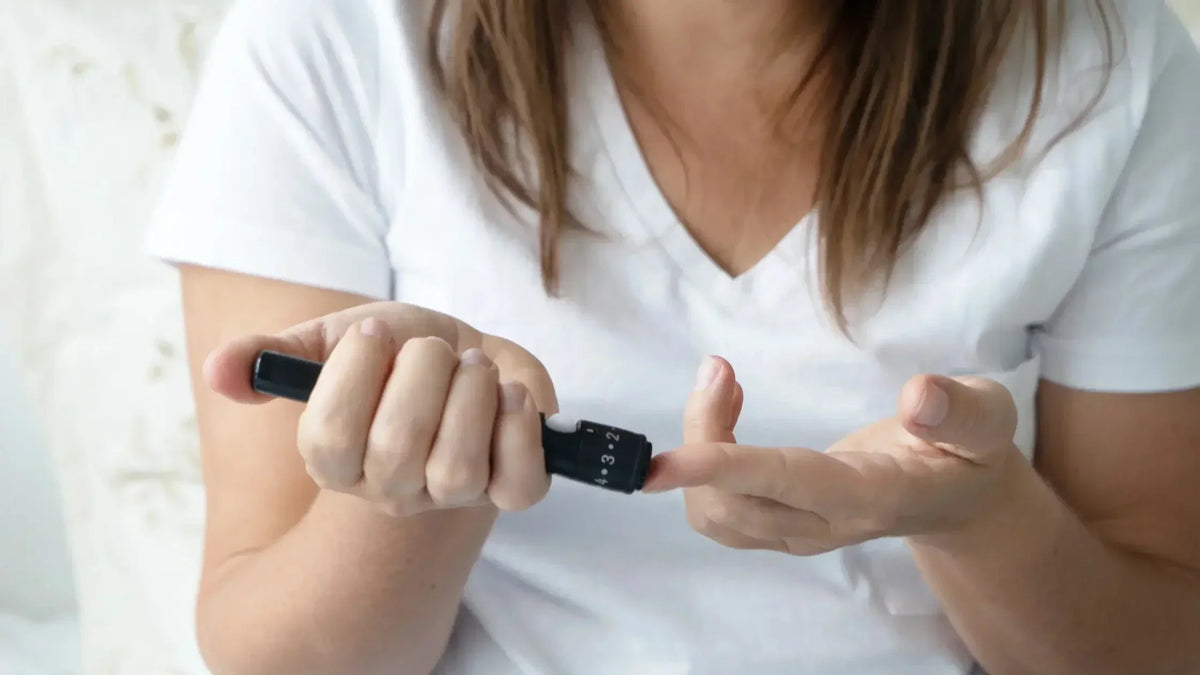
No one becomes an endocrinologist overnight. But you don’t have to wait. Hormone testing becomes essential if symptoms persist. A simple blood test measuring the main hormones can help clear up doubts.
Medical advice is crucial whenever symptoms last more than three months or if you are planning a pregnancy. Family history? That’s twice as much reason to check your hormonal profile. Early detection reduces long-term complications, from infertility to heart disease.
Hesitating? Vigilance pays off. When it’s time to act, there may be a few constraints, but the benefits far outweigh them.
The question to ask your doctor is always: Is it time to explore the hormonal angle?
Lifestyle: your simplest, most powerful tool
Diet plays a huge role. It’s best to focus on omega-3s, fruits, and vegetables, and avoid ultra-processed foods. As for endocrine disruptors, limit plastic, diversify your meals, and choose organic when your budget allows. Physical activity, even moderate, helps stabilise hormone levels and slows down metabolic imbalance.
Take back control of your life
To manage a hormonal imbalance, it’s important not only to address any underlying medical issues, but also to adjust your lifestyle in order to better regulate your hormones. That means following a balanced diet rich in fresh fruits and vegetables while reducing processed foods and refined sugars, and engaging in regular physical activity each day. Try also to reduce your stress levels by practising calming activities such as yoga or meditation, and by getting truly restorative sleep every night.
We also offer our dietary supplement Essentiels Sérénité


The causes of adult acne are multiple:
- Hormones: hormonal fluctuations can trigger adult acne. This is particularly the case around the menstrual cycle, when taking certain contraceptives, as well as during pregnancy or at menopause.
- Stress: in stressful situations, the body produces cortisol, which increases the risk of pores becoming infected by the bacteria responsible for acne.
- Diet: when the diet is too high in sugar or fat, acne is more likely to appear.
- Certain beauty products: products should be fragrance-free and suited to your specific skin type. When they are not, they can trigger acne flare-ups.

Our Elixir Détox is one of our flagship products to help stimulate detoxification and drainage in the body and to promote clear, blemish-free skin and a radiant complexion.

Caroline LANSON, co-founder of the Miyé brand, is passionate about plants and well-being: she has over 20 years of experience in developing skincare and food supplements in various laboratories and has also trained in naturopathy.
![Pilulier [MY] Essentiels équilibre féminin sur fond transparent](http://www.miye.care/cdn/shop/files/Visuels-shop-25.png?v=1747987949&width=800)
![Flacon en verre [MY] Huile Régénérante et ses macarons : finaliste prix d'excellence de la beauté Marie-Claire, Bio et EcoCert](http://www.miye.care/cdn/shop/files/151_1.webp?v=1775138766&width=600)
Share:
What is the science behind endometriosis ?
What are the harmful effects of hot water on skin microbiota ?