





SUMMARY
- How can you naturally and effectively relieve your bloating?
- Why does your belly swell up?
- Bloating and the female cycle: what is the link?
- Our effective natural solutions:
- Miracle remedies that do not solve the problem in depth
- Preventing bloating by changing your lifestyle habits
- Frequently asked questions about bloating and quick-acting remedies
- Conclusion
- FAQ


How can you naturally and effectively relieve your bloating?
For fast relief, put one drop of peppermint essential oil in a teaspoon of vegetable oil, then gently massage your belly in circular motions, clockwise. You will feel gas being released, spasms easing and digestion becoming easier within a few minutes. You can also use this method with exotic basil essential oil to help release gas and quickly reduce abdominal pain.
Why does your belly swell up?
Understanding the origin of your bloated belly is the first step towards long-lasting relief. This sensation generally appears when gas builds up in your digestive system, especially in the intestines.
Excess fermentation of food or a slowed transit encourages gas production, causing bloating, flatulence and a feeling of heaviness. If bloating persists, it may also be accompanied by water retention, making the feeling of discomfort even more noticeable.
Food-related causes
Certain foods ferment more easily in the intestine, particularly legumes, cabbage and some fruits. Eating meals that are too large or too rushed also increases bloating. In addition, lactose or gluten intolerance prevents proper digestion, leading to excessive fermentation and an excess of gas.
Aerophagia and stress
When you eat or drink too quickly, you swallow air. Talking while eating, chewing gum or drinking fizzy drinks amplifies this phenomenon, called aerophagia. Stress, which alters your breathing, can also increase the air you swallow and upset your digestion.
Imbalance of the gut microbiota
A weakened intestinal flora slows down digestion and can encourage excessive gas production. This imbalance often results from a diet low in fibre, certain medications or digestive infections.
Other factors: constipation and lack of activity
Constipation delays the elimination of stools and gas, accentuating the feeling of a bloated belly. A sedentary lifestyle, as well as certain conditions such as irritable bowel syndrome or coeliac disease, can also contribute to this discomfort.
Bloating and the female cycle: what is the link?

Many women notice their belly swelling at certain times of their cycle because of hormonal fluctuations. These reactions affect nearly 70% of women and are among the common symptoms of premenstrual syndrome.
By understanding this link, you can better anticipate and relieve these sensations.
Bloating during ovulation
Between the 11th and 14th day of the cycle, ovulation causes a rise in oestrogen and slight water retention. You may then feel a sensation of swelling and abdominal heaviness.
Bloating before and during your period
A few days before your period arrives, rising oestrogen and falling progesterone slow intestinal transit and encourage water retention, causing bloating and discomfort, which generally disappear once your period begins.
How hormones influence your digestion
Progesterone, by slowing contractions of the uterus and intestine, lengthens the time it takes for food to move through. This pause encourages fermentation and gas build-up, which leads to a bloated belly.
Water retention: the hidden culprit
In the premenstrual phase, hormones can increase capillary permeability and reduce lymphatic drainage, causing oedema. Water stored around the abdomen then makes the swelling more noticeable.
Symptoms associated with menstrual bloating
In addition to a bloated belly, you may experience abdominal pain, a feeling of heaviness and sometimes temporary weight gain. These signs usually ease once your period starts.
Our effective natural solutions:
Probiotics
Probiotics help rebalance your gut flora and sustainably reduce gas. Prioritise strains such as Bifidobacterium lactis to improve lactose digestion, or Lactobacillus acidophilus to support the breakdown of sugars. Combine them with prebiotics (fructooligosaccharides) to feed these good bacteria. A 2 to 4 week course providing 10 to 60 billion CFU per day, in gastro-resistant capsules, helps optimise their effects.
Miyé dietary supplements
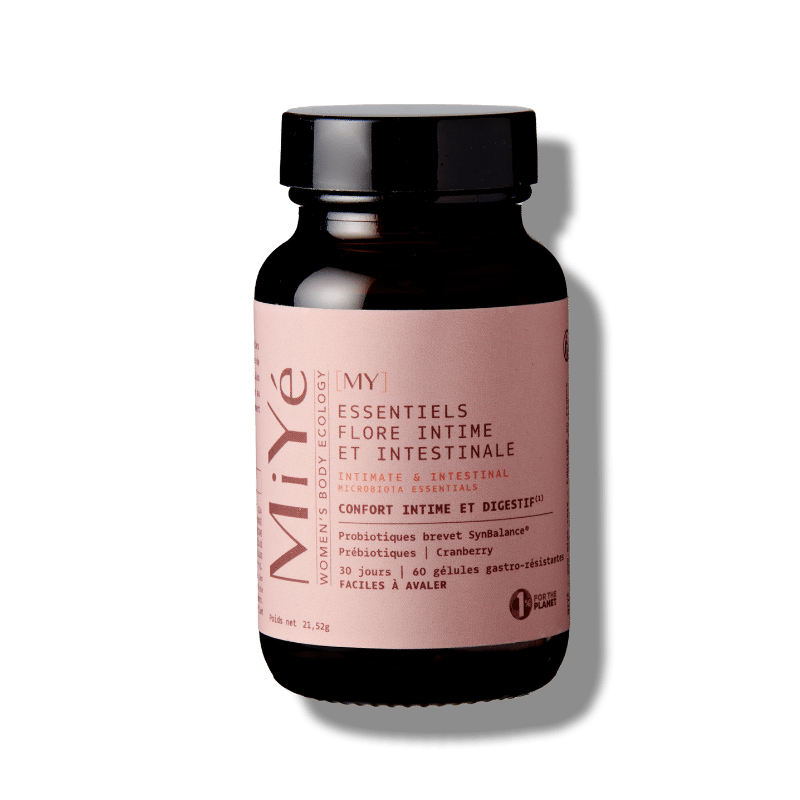
Specially designed for women, Miyé supplements combine natural probiotics, prebiotics and plant extracts.
Incorporate them into your routine to help prevent episodes of bloating around ovulation or during your period.
RECOMMENDED PRODUCT
- Strengthens the intestinal mucosa and helps limit digestive discomfort and bloating.
- Contributes to a healthy intimate flora
Symptoms : Imbalance of vaginal flora, recurring urinary discomfort, disturbed digestion and transit
Activated charcoal
Activated charcoal captures intestinal gas and toxins thanks to its porous structure. Take 1 to 2 g (2 to 4 tablets) between meals with a large glass of water, and leave at least 2 hours between charcoal and your medications. Used as a 3 to 5 day course, it has a detoxifying effect and provides quick relief after a heavy meal.
Miracle remedies that do not solve the problem in depth
Some solutions bring quick relief but do not act on the underlying causes. In the long run, your bloating is likely to reappear.
Baking soda: effective but superficial
Baking soda neutralises stomach acidity and can ease bloating after a heavy meal. However, it does not restore digestion or flora balance, and repeated use may disrupt your acid–base balance.
Herbal teas: soothing but limited
Herbal teas made from chamomile, peppermint, fennel or thyme relax the digestive muscles and temporarily soothe spasms. However, they do not have a lasting effect on intestinal motility or on the microbiota that generates gas.
Why it is important to distinguish symptoms from causes
These remedies target the symptom without addressing the root cause. If your bloating is linked to an intolerance, stress or poor chewing, they will not be enough to free you from it in the long term.
Why combining approaches is essential
For effective results, combine quick-acting solutions (charcoal, herbal teas) with dietary changes and supplements that work in depth (probiotics, prebiotics). This global approach helps resolve chronic bloating.
Preventing bloating by changing your lifestyle habits
Cutting down on refined starches, fats and sugars
To prevent bloating, reduce white bread, refined pasta and rice, as well as fried foods and very sugary desserts. Favour minimally processed foods, quality fats (olive oil) and organic produce.
Favouring soluble fibre
Cooked green vegetables, ripe bananas, fennel, cucumber and whole grains provide fibre that feeds your microbiota without irritating your intestines. Increase your intake gradually and drink enough water to avoid the opposite effect.
Skipping fizzy drinks
Sodas, sparkling water and beer introduce gas directly into your digestive tract. Drink still water, at least 1.5 litres per day, and have a large glass before each meal to help food move through more easily.
Moving regularly
Thirty minutes of daily activity (brisk walking, cycling, swimming, yoga) stimulate your transit and improve digestive blood flow. Yoga poses focused on the abdomen and gentle abdominal massage further encourage gas elimination.
Managing your stress
Stress releases cortisol, which slows your colon. Practise deep breathing, meditation or take short breaks to calm your nervous system. Good sleep and quiet moments also help your digestion get back on track.
Frequently asked questions about bloating and quick-acting remedies
What should you do in case of sudden bloating?
Lie on your back with your knees pulled towards your chest and breathe deeply to help stimulate transit. Massage your belly in circles, apply a warm hot-water bottle for 10 minutes and walk slowly to encourage gas elimination.
How do you tell bloating apart from another digestive issue?
Simple bloating is characterised by intestinal noises, gas and abdominal distension without fever or intense pain. If you notice a blockage or warning signs (blood in the stools, weight loss, vomiting), consult a doctor.
How quickly do these solutions provide relief?
Manual techniques (massage, yoga positions) act within 5 to 15 minutes, and activated charcoal within 30 minutes to 1 hour. Probiotics need 1 to 2 weeks to rebalance your flora and reduce recurrences. A dietary supplement to support digestion can also enhance the action of these natural methods by quickly adjusting how your digestive tract functions.
Can bloating be prevented in the long term?
Yes, by adopting an appropriate diet, chewing slowly, staying well hydrated, being physically active on a regular basis and using stress-management techniques. A food journal can help you identify your triggers and adjust your habits.
Conclusion
Bloating is not inevitable, even if your cycle tends to intensify it. With natural solutions such as probiotics and targeted supplements, you can regain long-lasting digestive comfort. Our formulas respect your body and adapt to your needs throughout the month.
FAQ
What are the main causes of bloating?
The main reasons are a diet rich in fermentable foods (legumes, cabbage, fizzy drinks), intolerances (lactose, gluten), imbalance of the gut flora, constipation, aerophagia, stress and certain medications.
Which foods should you avoid to reduce bloating?
To limit bloating, avoid fried foods, fatty sauces, fizzy drinks, chewing gum, cabbage, legumes, lactose, some apples and pears, as well as cereals containing gluten.
Which natural remedies are effective against bloating?
Infusions of peppermint, fennel, chamomile, ginger or lemon balm help gas pass more easily. Activated charcoal quickly absorbs gas, and a massage using basil or peppermint essential oil can relieve pain.
When should you see a doctor for persistent bloating?
If bloating lasts more than a week or is associated with severe pain, weight loss, blood in the stools, vomiting, fever or severe constipation or diarrhoea, see a doctor. Start with your GP, who can refer you to a specialist if needed.

Share:
Endobelly: When endometriosis causes a bloated stomach
Recognizing the early signs of menopause and learning to live better with them