





SUMMARY

Key takeaways
Endobelly is severe, painful abdominal bloating linked to endometriosis, giving a “pregnant belly” appearance.
It affects 92% to 96% of women when endometriosis involves the digestive system.
Main cause: gut inflammation + slowed transit + hormonal fluctuations.
Symptoms: hard belly, pronounced bloating, gas, abdominal pain, bowel changes, fatigue.
Difference from “regular” bloating: endobelly is chronic, cycle-related, and more painful.
What is endobelly?
Definition
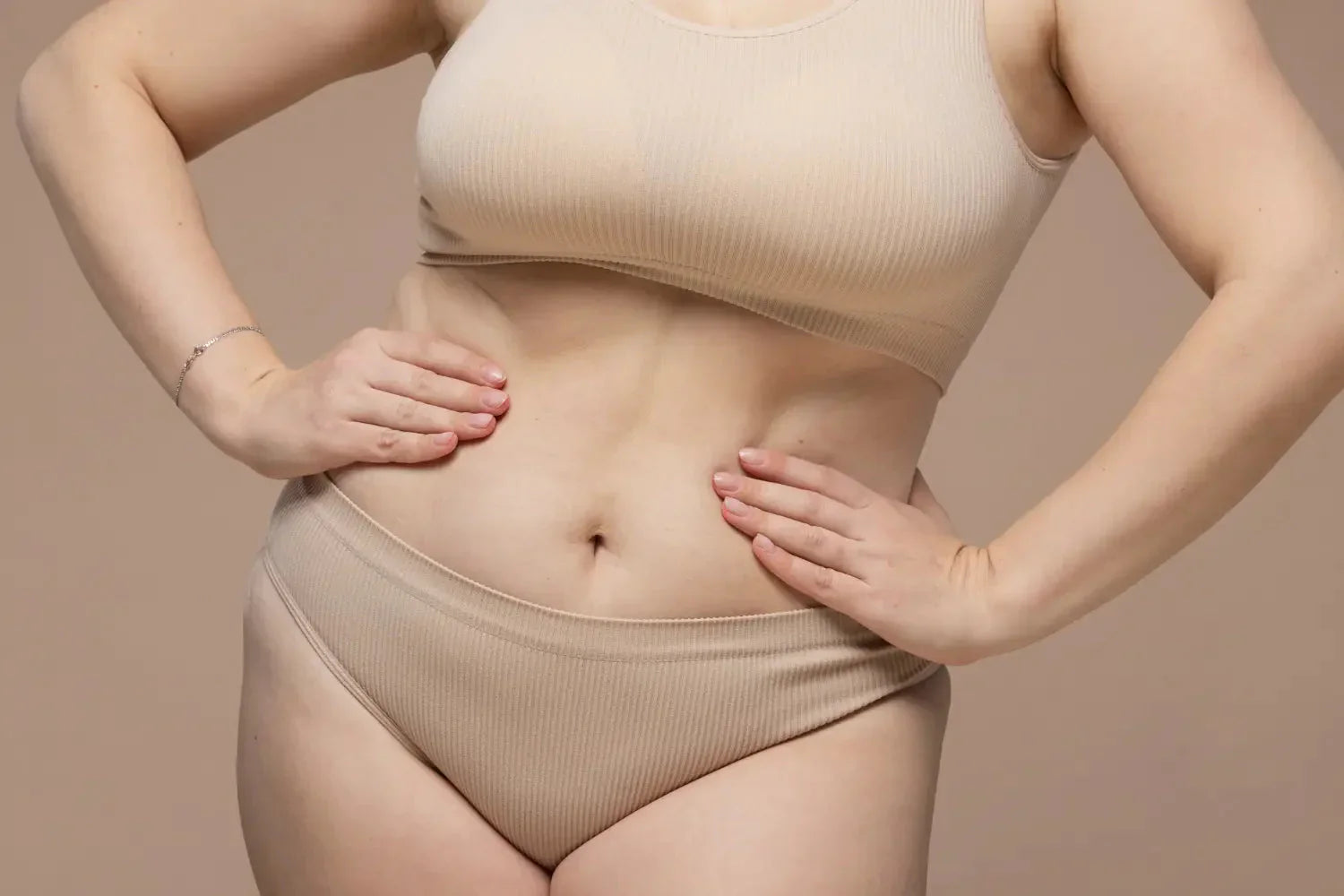
Do you feel swelling—a hard, bloated belly that can sometimes be painful—and that looks like a “pregnant belly”? This is what we call endobelly, a common symptom in 92% to 96% of women living with endometriosis when it affects the digestive system. This gut imbalance slows digestion and leads to bloating, pain, and other digestive issues that are often cyclical—during the premenstrual phase or throughout the menstrual cycle.
This swelling can happen at any time during the cycle, but it usually worsens around ovulation and menstruation, and can last from a few hours to several days. This phenomenon is sometimes referred to as a hormonal belly, linked to menstrual-cycle fluctuations.
This still poorly understood symptom is fueled by a mix of physical and psychological frustration. For many women, unpredictable abdominal pain and bloating can even trigger inappropriate remarks. The stress generated by these digestive issues can disrupt the body’s balance and may affect fertility.

Causes and mechanisms of endobelly
The link between endometriosis and endobelly
Endometriosis can cause lesions and local inflammation in the intestine or colon, irritating the digestive system. In response, transit slows down; stools stagnate and ferment, producing gas, bloating, and abdominal pain. Hormonal fluctuations—especially during the luteal phase—can worsen inflammation and water retention. These disruptions, linked to gut microbiome dysbiosis, are not always proportional to the severity of endometriosis lesions.
How does endometriosis cause endobelly?
When endometrial-like tissue grows outside the uterus, it thickens and bleeds with each cycle. This chronic inflammation irritates digestive organs, slows transit, and promotes gas build-up. At the same time, gut dysbiosis and adhesions can intensify symptoms—especially in the second half of the cycle.

The role of the microbiome
An imbalanced microbiome (dysbiosis) produces more gas, can slow down or speed up transit, and makes the gut more permeable—intensifying inflammation. You may then alternate between constipation, diarrhea, cramps, and the sensation of incomplete evacuation.
Stress and digestion
Chronic stress activates systemic inflammation and disrupts the gut–brain axis, which can worsen cramps and swelling.
Other triggers
Endocrine disruptors, smoking, a very low BMI, certain hormonal treatments, and scar adhesions can also increase digestive discomfort. Sometimes, this discomfort is worsened by what’s sometimes called “big belly syndrome”, marked by chronic abdominal swelling.
Our products that can help with endobelly
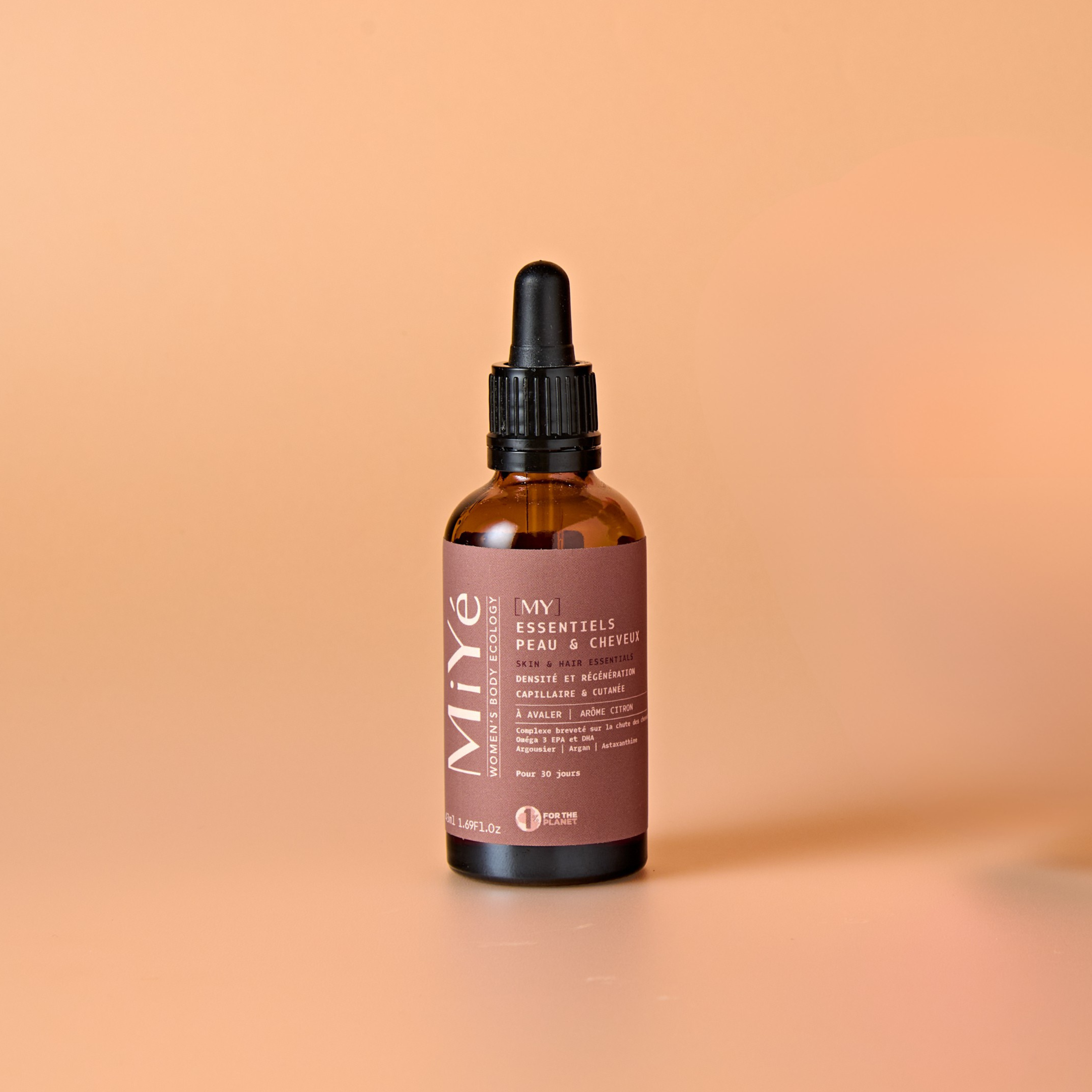
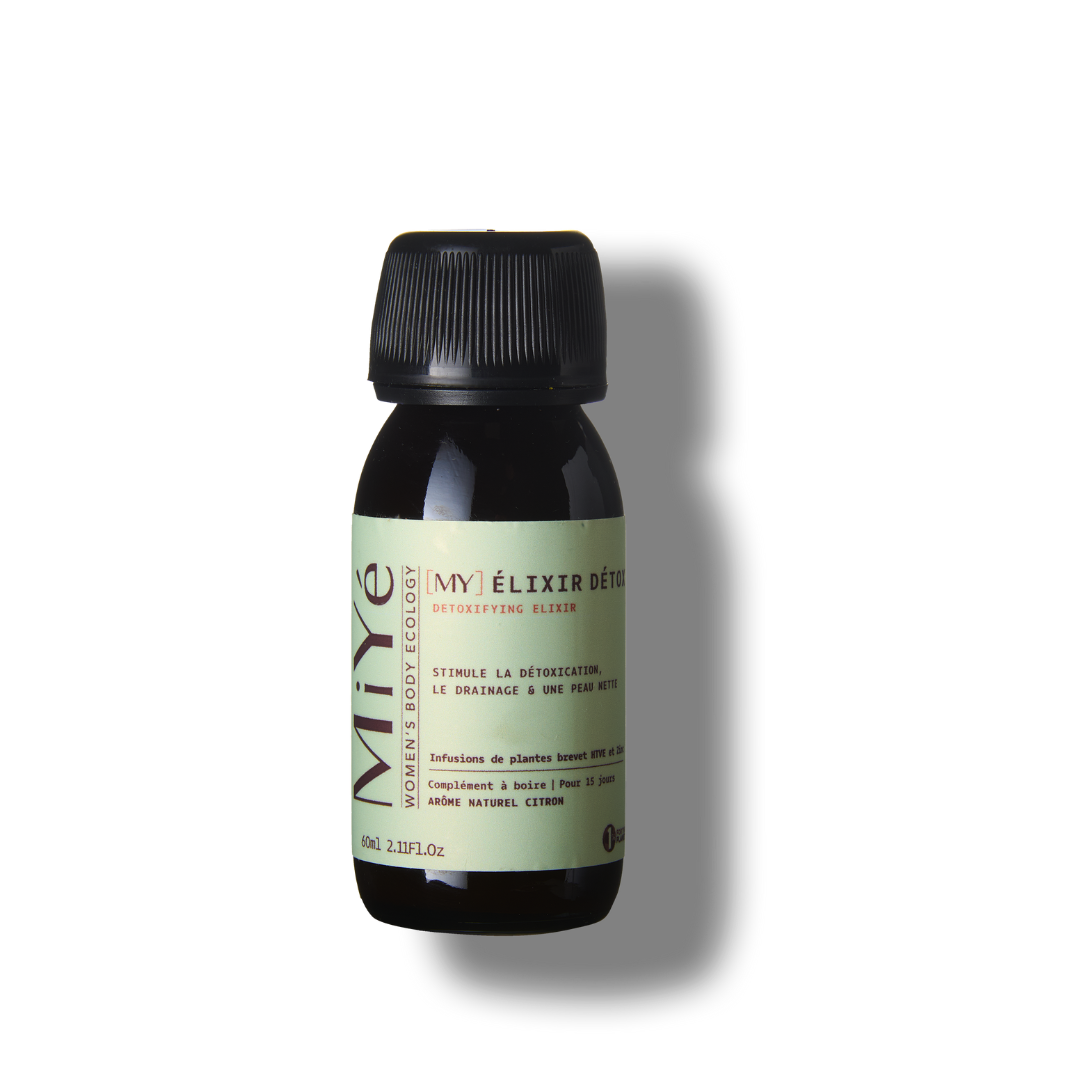
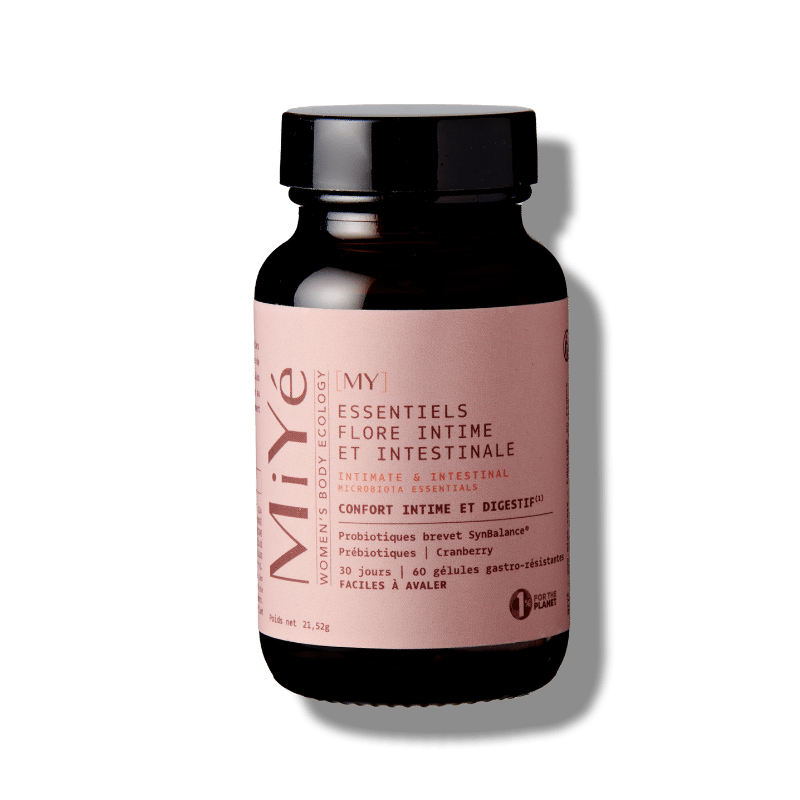
To help you manage these symptoms day to day, our complementary solutions work synergistically: My Essentials Metabolism Activator to support metabolism and digestive balance, My Feminine Balance to support hormonal harmony and reduce cycle-related discomfort, and My Detox Elixir Clear Skin to promote detox elimination and support digestion.
Symptoms of endobelly
Every woman experiences endobelly differently, but here are the most common digestive signs and symptoms:
- Pronounced bloating
- A hard, tense belly
- Excessive flatulence
- Abdominal pain and cramps
- Constipation or diarrhea
- Nausea and loss of appetite
- Severe fatigue
- Dizziness and vomiting
- Sensitivity to tight clothing around the abdomen, which can amplify physical and psychological discomfort
Why does endometriosis make the belly swell?
- Chronic inflammation: Endometriosis lesions irritate the intestinal wall.
- Slowed transit: Build-up of stool and digestive gas.
- Adhesions and narrowing: Scar tissue can compress parts of the colon or rectum, worsening symptoms.
- Excess estrogen: Promotes water retention and increases digestive sensitivity.
- Disrupted gut microbiome: An imbalance in the microbiota (dysbiosis) increases local inflammation.
- Fluid build-up in the pelvic area: This inflammation explains recurrent abdominal swelling and contributes to pain and overall discomfort.
What’s the difference between endobelly and “classic” digestive bloating?
Unlike typical post-meal bloating, endobelly is chronic and cyclical. It’s linked to inflammation from endometriosis implants around digestive organs, which slows transit and promotes gas build-up. You often feel a deeper, more intense pain than with ordinary bloating.
| Type of bloating | How long symptoms last | Link with the cycle | Impact on daily life |
|---|---|---|---|
| Endobelly | Several hours to several days | Closely linked to the menstrual cycle | High physical and emotional impact |
| Digestive bloating | Short-lived, often after a meal | Unrelated to the cycle | Temporary discomfort, rarely anxiety-inducing |
The direct impact shows up in everyday life. Menstrual cycles and stressful moments can trigger it. Sometimes the pressure lasts for hours; at other times, a simple hormonal shift is enough to bring the swelling back. Who hasn’t felt that heavy, internal pulling sensation—followed by general exhaustion? And beyond appearance, energy takes a hit and mood can suffer.
Symptoms to watch closely
Among the signals associated with endobelly, several are easy to spot: visible abdominal swelling, uncomfortable tightness, burning sensations, heaviness. The National Endometriosis Society notes that intensity fluctuates depending on the stage of the cycle—peaking before periods for some, and flaring at ovulation for others.
Endobelly and an endometriosis flare-up
During a flare-up, acute inflammation of lesions intensifies. Your abdomen becomes more swollen and painful, your clothes may feel uncomfortable, and stress and belly swelling can add to the physical discomfort. Our tips combine targeted belly massages to ease pain with gentle exercises (yoga, pelvic postures) to improve blood flow and support your digestive system—maximizing the effectiveness of your care plan.
Natural solutions to relieve endobelly
You can take action today to support your hormonal belly and digestive system:
- Anti-inflammatory diet: prioritize green vegetables, turmeric, ginger; limit red meat, dairy, refined sugars, and reduce coffee. These digestive-friendly foods support intestinal balance.
- Mindful chewing: reduce food fermentation at each meal and help prevent digestive issues.
- Herbs and supplements: gemmotherapy (raspberry bud), digestive essential oils (tarragon, basil), probiotics (Lactobacillus, Bifidobacterium). Add one spoonful of glutamine per day to help repair the intestinal lining.
- Gentle movement: yoga, pelvic postures, and belly massage promote relaxation, improve colon mobility, and support health and fertility.
- Stress management: Stress releases cortisol and adrenaline, increasing inflammation and anxiety. It can also disrupt digestion (bloating, heaviness) and unbalance your microbiome. Meditation, sophrology, and breathing techniques can help regulate the microbiome and reduce inflammation.
- Adopting a low-FODMAP diet: this dietary adjustment limits excessive fermentation, relieves bloating, and supports long-term balance—improving quality of life.
RECOMMENDED PRODUCT
-
Supports hormonal regulation, a key factor in improving hormone-imbalance symptoms and potentially reducing cyclical abdominal swelling
-
Anti-stress action thanks to adaptogenic ashwagandha, which helps modulate cortisol (the stress hormone) often involved in digestive discomfort and abdominal weight gain
Symptoms: Cyclical bloating, hard/distended belly sensation, abdominal water retention
FAQ
Why does my belly swell so much?
Lesions and inflammation slow transit and create gas, while hormones promote water retention.
How can I reduce symptoms?
Adopt an anti-inflammatory diet, chew mindfully, use digestive herbs, probiotics, and gentle relaxation exercises.
How do you recognize endobelly?
Endobelly refers to sudden, often painful abdominal swelling in women with endometriosis.
It is characterized by:
-
A very swollen belly, sometimes within just a few hours
-
A feeling of intense bloating and abdominal tightness
-
Associated pelvic pain
-
Digestive discomfort (gas, constipation, diarrhea)
-
A belly that feels hard to the touch
What does an endometriosis belly look like?
An endometriosis belly may look:
-
Very swollen and rounded
-
Sometimes asymmetrical
-
Hard and tense
-
Sensitive or painful when pressed
Some women describe it as “bloated like a balloon” or “like early pregnancy”.

![Pilulier [MY] Essentiels équilibre féminin sur fond transparent](http://www.miye.care/cdn/shop/files/Visuels-shop-25.png?v=1747987949&width=800)
Share:
Why do you experience nausea before and during your period?
How to relieve your bloating naturally and effectively ?