






SUMMARY



















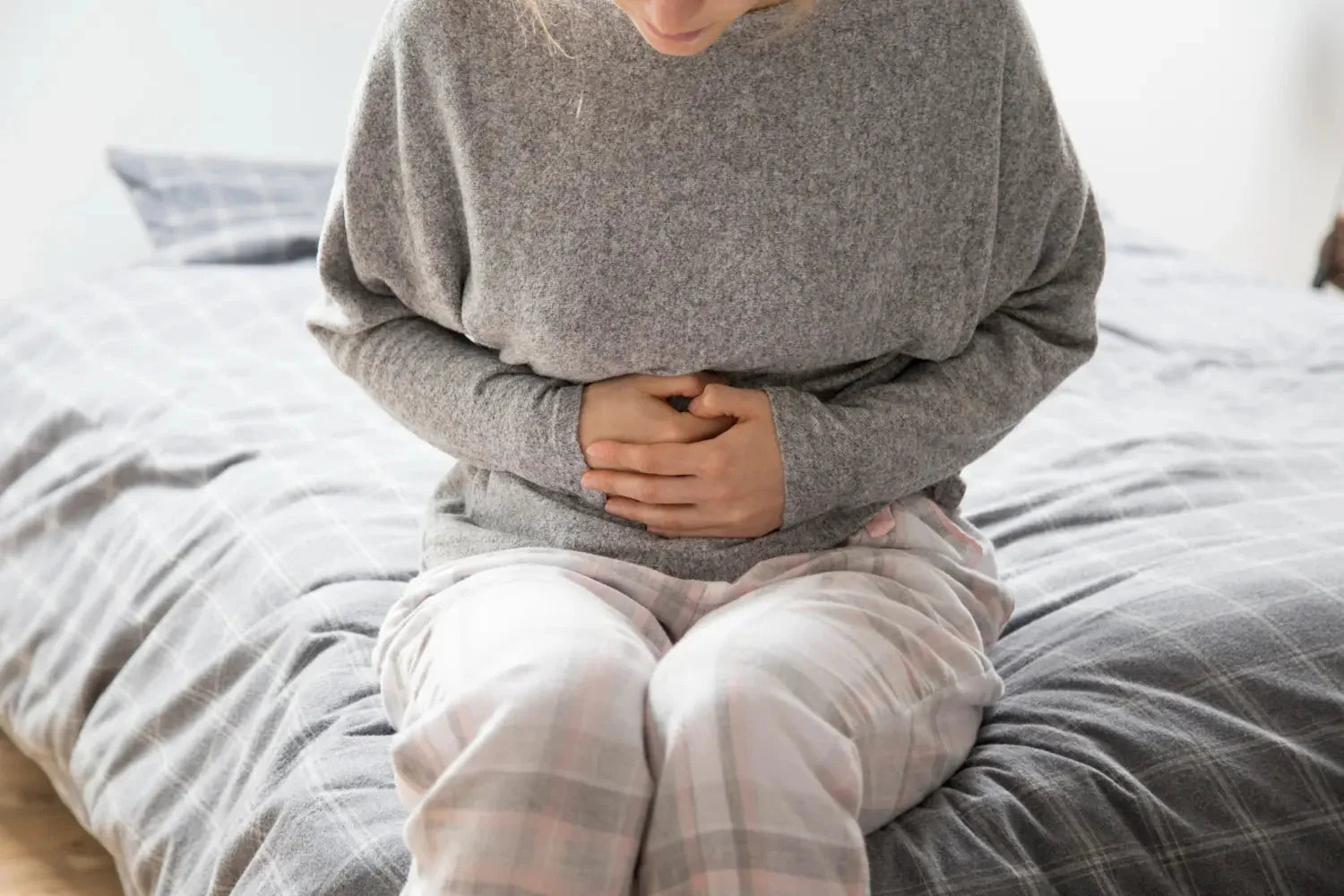
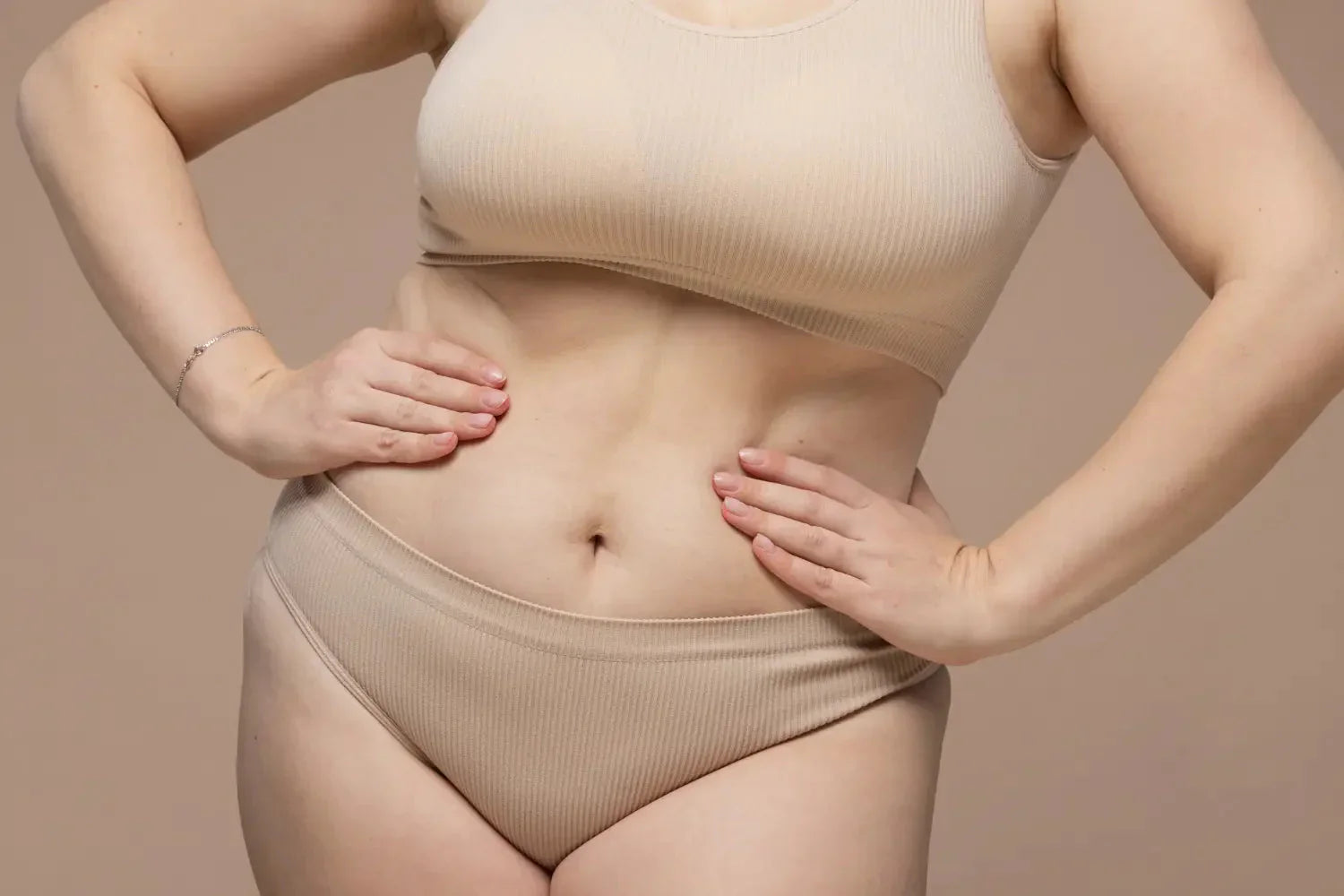

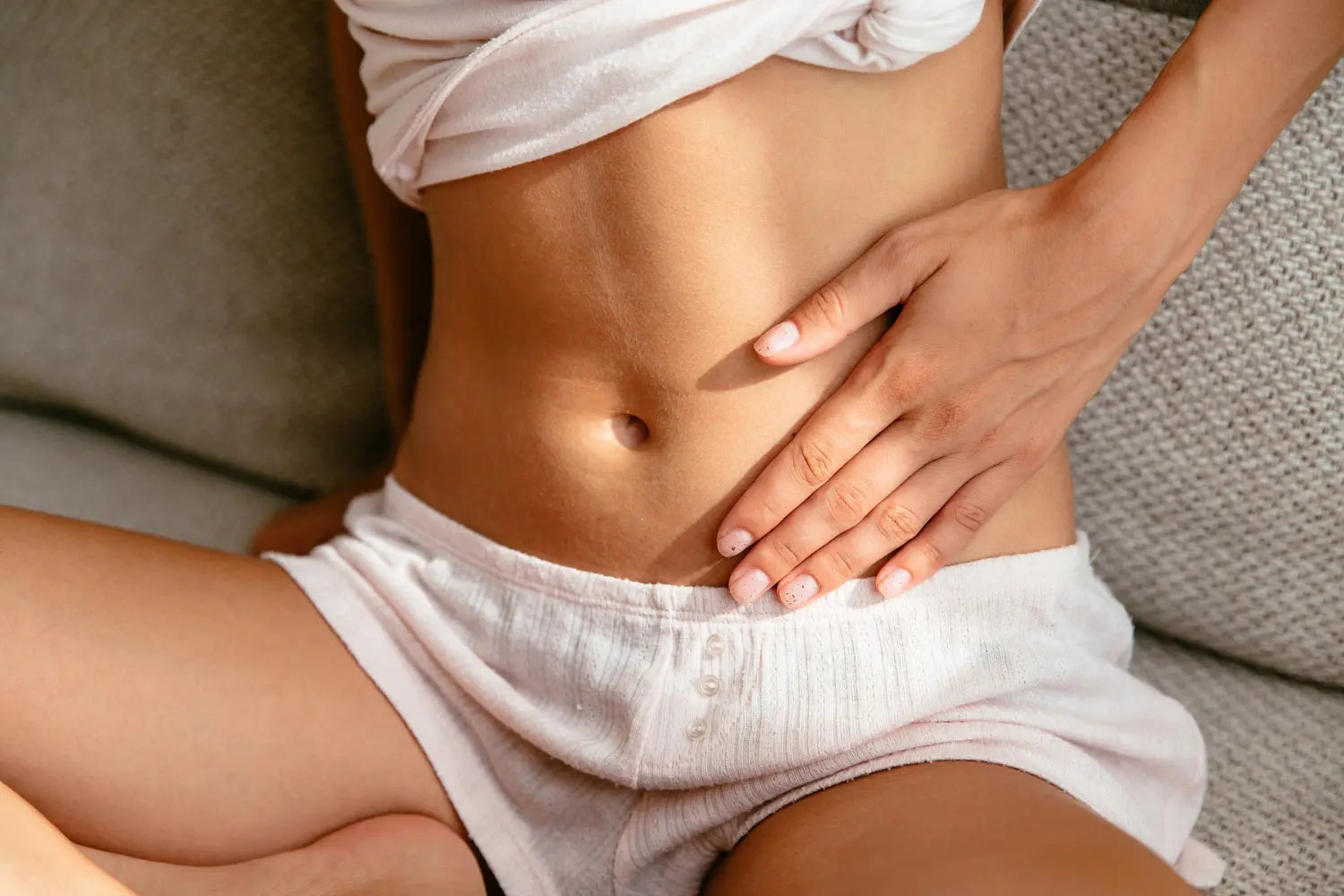
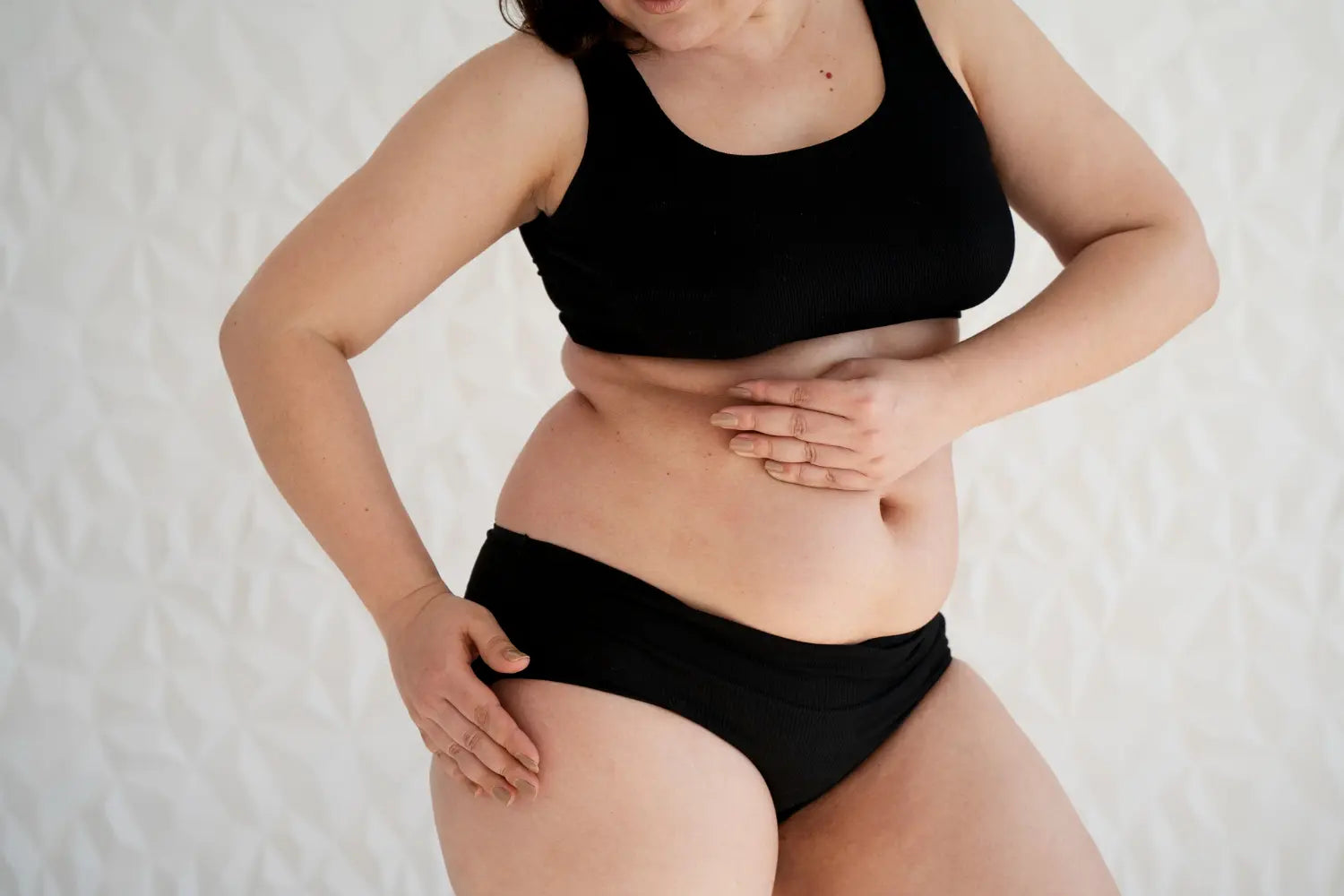

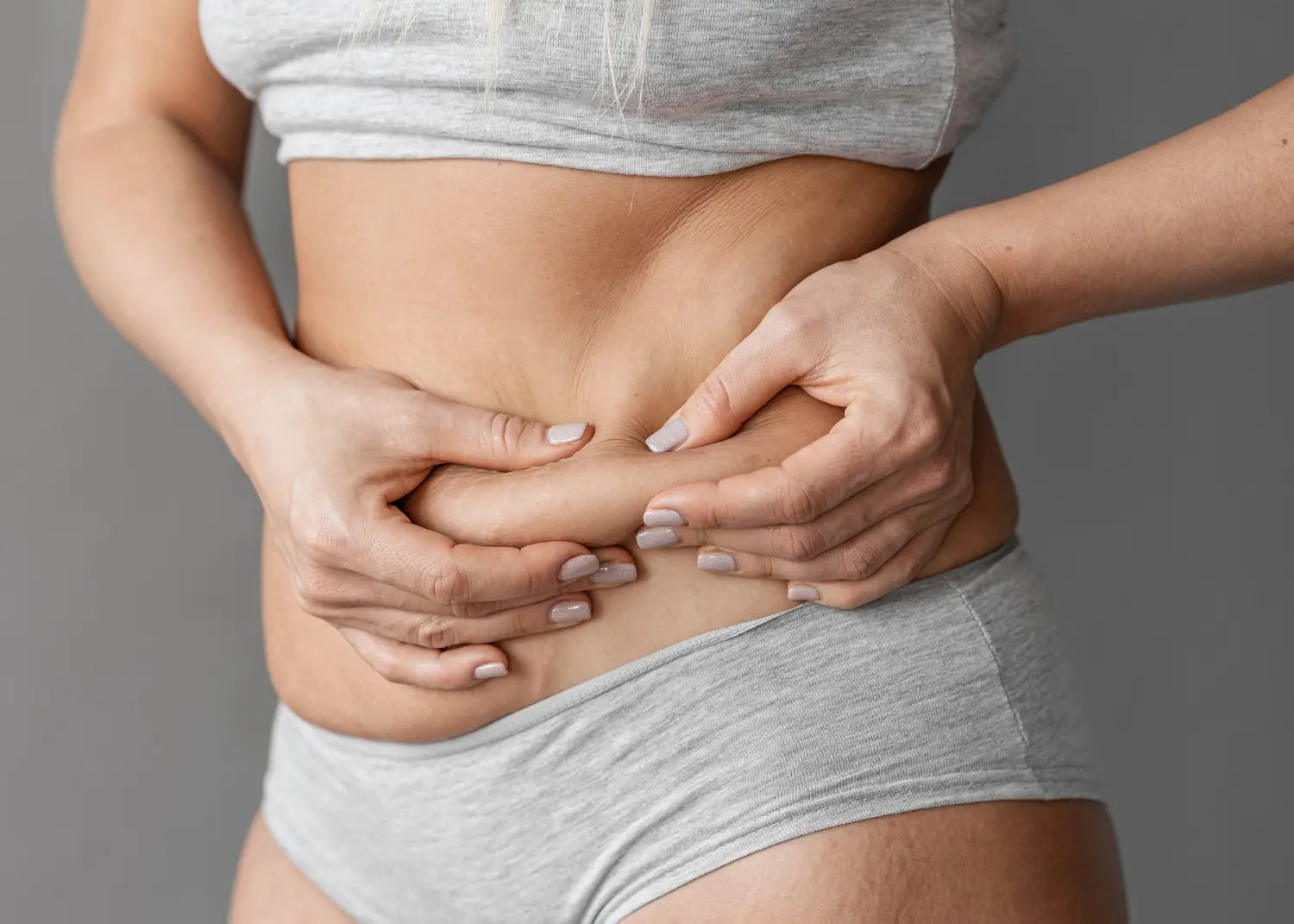
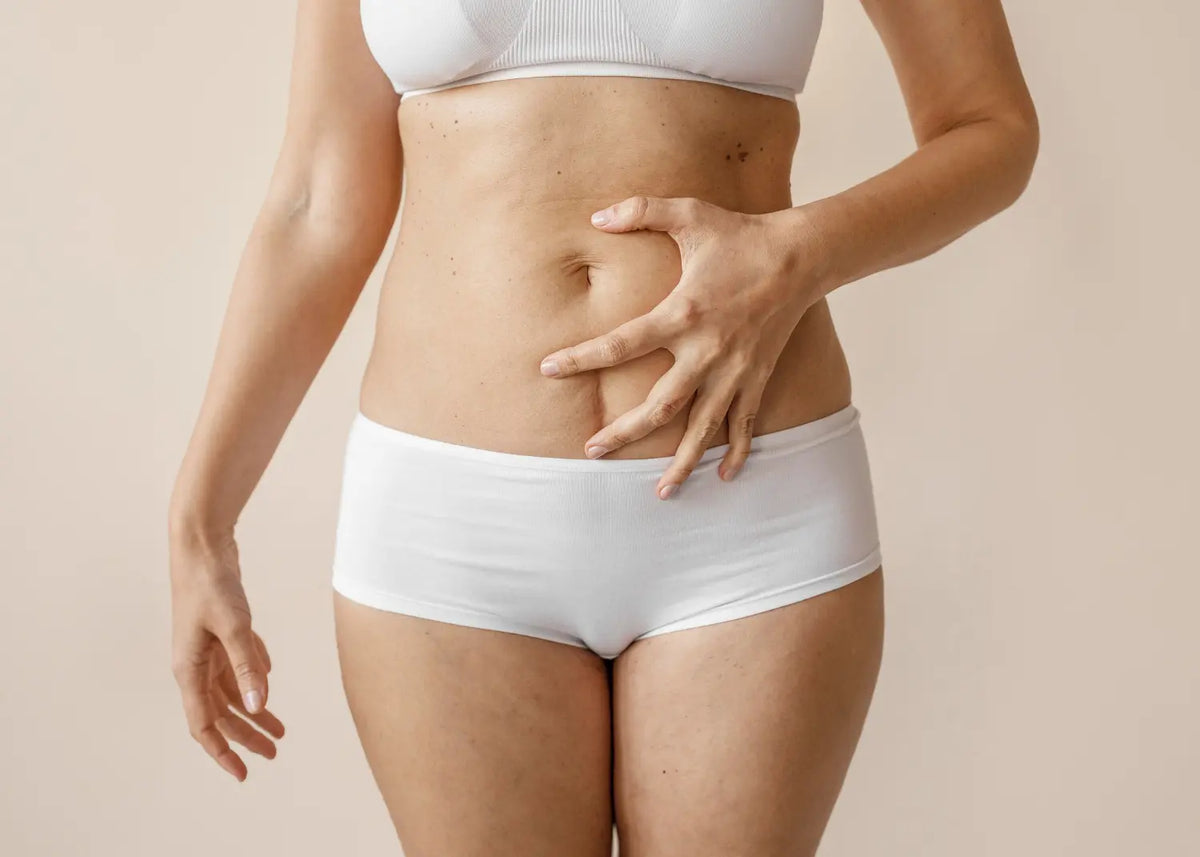














Bloating and a swollen abdomen become more common after 40, particularly due to hormonal, digestive and metabolic changes that can slow digestion and encourage the accumulation of gas.
Diet plays a major role in bloating: prioritising easy-to-digest foods (lean fish, white meats, cooked vegetables) and limiting processed or overly salty foods can help reduce fermentation and water retention.
Good hydration and a sufficient fibre intake support intestinal transit and help reduce sensations of bloating.
Regular physical activity and stress management are essential, as they stimulate digestion, improve metabolism and contribute to maintaining a flatter abdomen on a daily basis.
Do you have the feeling that, despite all your efforts, your stomach just won't stay flat? Bloating is a common discomfort after 40, but it doesn’t have to take over your daily life. There are many simple ways to support a flatter abdomen without extreme constraints. Here are some practical tips to help you after 40.
Bloating is most often caused by the build-up of intestinal gas, directly linked to dietary habits.

What happens during perimenopause and menopause?
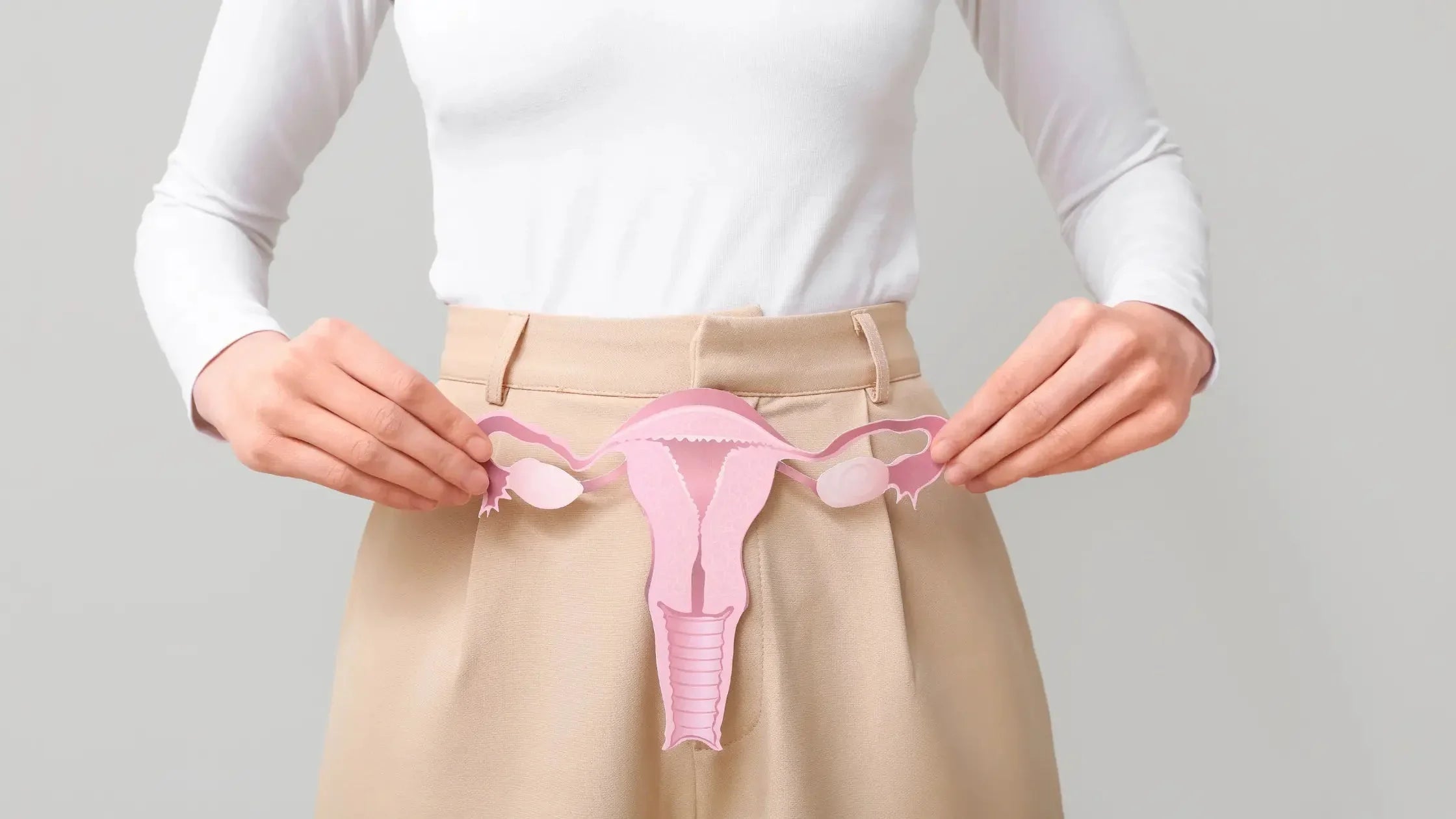
Menopause brings significant hormonal changes, notably a gradual decline in oestrogen levels. These fluctuations can have a direct impact on digestion: intestinal transit slows down, colon sensitivity increases and the gut microbiome may be disrupted.
These changes contribute to more frequent bloating, intestinal gas and a sensation of a swollen abdomen. Water retention, also linked to hormonal imbalances, can amplify this discomfort and give the impression of a stomach that won’t deflate despite a careful diet.
Understanding this hormonal connection is an essential first step for adapting one’s habits and supporting these digestive discomforts on a daily basis.
How to ease a bloated stomach?
Manage your stress
Stress is one of the main causes of bloating and digestive problems after 40. Taking steps to manage your stress levels can make all the difference when it comes to maintaining a comfortable, bloat-free abdomen. This might involve taking time for yourself, keeping a journal, exercising regularly, practising yoga or meditation, or talking to friends and family about what is going on in your life.
Watch what you eat and drink
A healthy, fibre-rich diet can contribute to supporting bloating management. Eating small meals throughout the day rather than large ones can also help limit bloating by reducing pressure on your digestive system. In addition, it is essential to avoid fizzy drinks and other carbonated beverages. The gas in these drinks causes the stomach to swell and increases the tendency to bloat.
Discover fibre-rich recipes in the MiYé recipe book.
Drinking plenty of water (around 8 glasses a day) is also important for managing bloating, as good hydration supports the body’s natural elimination functions. Finally, limiting processed foods, particularly those high in sodium, can also help reduce bloating. Processed foods tend to be saltier, which encourages water retention and bloating.
Exercise regularly
Regular exercise is essential for staying in shape and managing abdominal discomfort, and it doesn’t require long gym sessions to achieve this.
Low-impact exercises such as walking, swimming, cycling or even yoga all work wonders for easing bloating while helping to build muscle mass, which improves energy levels throughout the day. Try varying activities across the week to keep motivation up: this makes exercise far more enjoyable.
Which foods should you eat to avoid a bloated stomach?
To help manage excess gas production in the intestines, it is advisable to:
- Favour grilled white meats and poultry, as they support good digestion.
- Choose lean fish, cooked in foil or grilled, as they have a lower fermentation content.
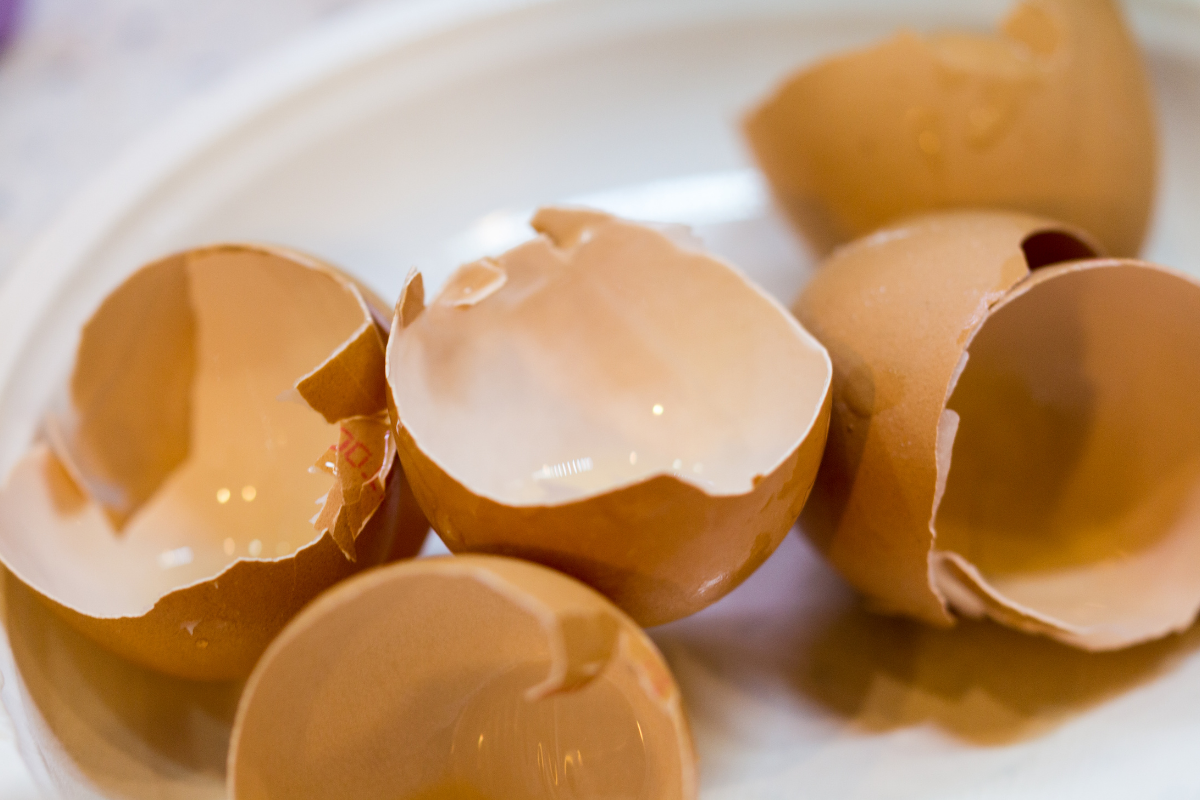
- Opt for hard-boiled or poached eggs as they are cooked without fat.
- Prefer cooked and tender vegetables over raw. For sensitive intestines, it is best to remove the seeds and skin from vegetables before blending them into purees.
- Eat foods that contain both soluble and insoluble fibre.
- Stay well hydrated: at least 1.5 litres of water per day.

Maintaining a comfortable abdomen after 40 is entirely achievable with a little consistency in good habits. By managing your stress, adopting a healthy diet, limiting processed foods and exercising regularly, results can gradually make themselves felt.
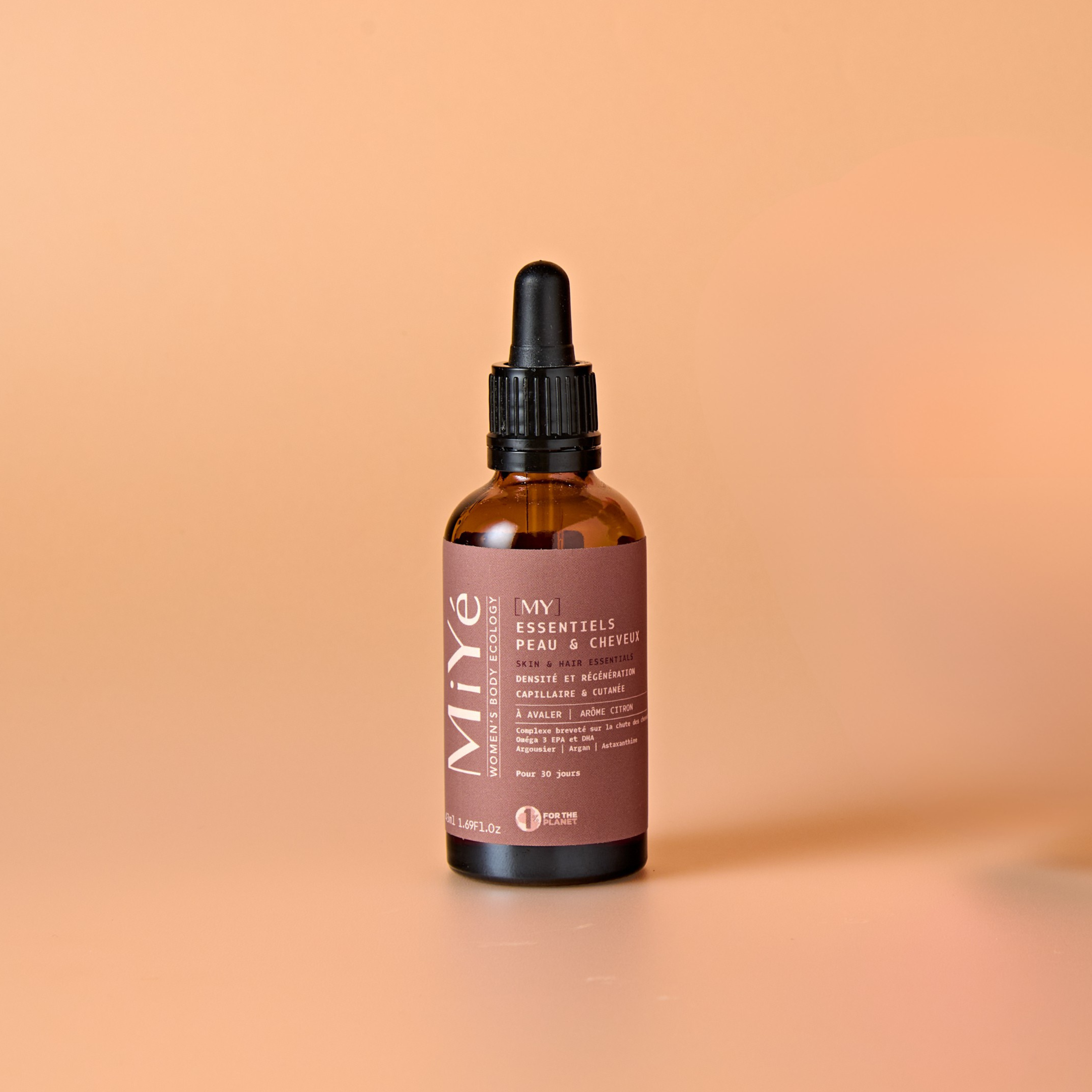
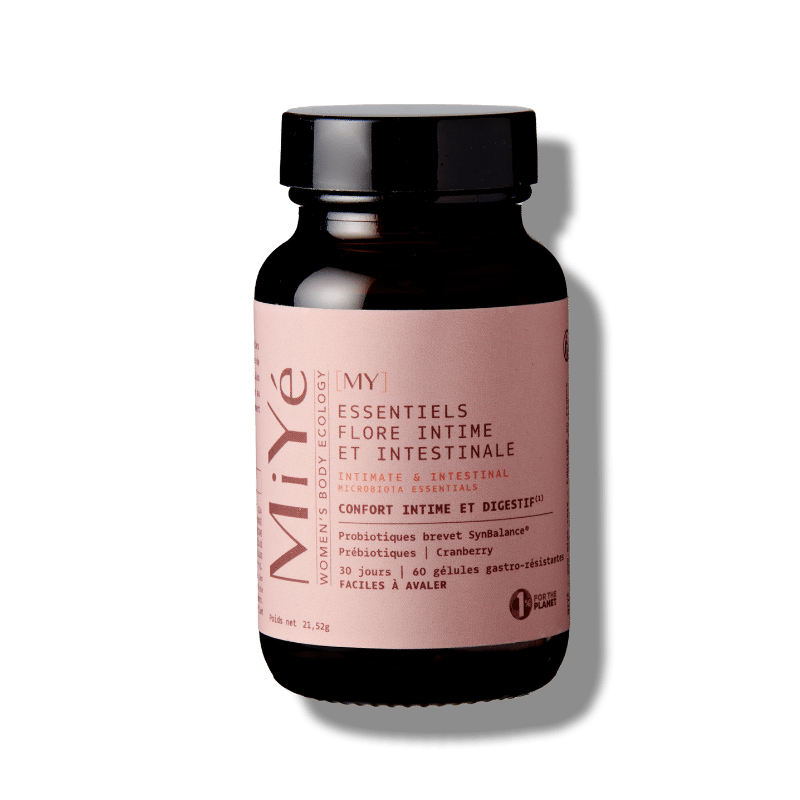
Discover the PACK RESET, comprising Équilibre Féminin and the Élixir Détox, 2 references from the MiYé range to support hormonal balance and digestive comfort.
Food supplements are not a substitute for a varied, balanced diet and a healthy lifestyle. Consult your healthcare professional before any supplementation. NB: it is advisable to start with the Élixir Détox before beginning the food supplement (avoid taking both simultaneously).

FAQ
How to reduce bloating during menopause?
To support a bloated stomach during menopause, it is helpful to act on several fronts:
- adopt a fibre-rich diet (fruits, vegetables)
- limit salt and alcohol to reduce water retention
- drink enough water
- practise regular physical activity
These actions contribute to supporting intestinal transit and limiting bloating often linked to hormonal changes.
Why does the stomach grow during menopause?
Abdominal weight gain is mainly linked to the decline in oestrogen.
This leads to:
- an accumulation of fat around the abdomen
- a slower metabolism
- a loss of muscle mass
As a result, the body burns fewer calories and stores fat more easily, especially around the abdomen.
How do you know if you have a hormonal stomach?
A “hormonal” stomach is often recognised by:
- fluctuating abdominal swelling (linked to the cycle or menopause)
- bloating or digestive discomfort
- localised fat gain around the abdomen
It is generally linked to hormonal fluctuations that disrupt transit and fat distribution.
Why does my stomach feel bloated as if I were pregnant?
This sensation is often due to bloating or water retention.
During menopause, declining hormones slow digestion, disrupt the gut microbiome and encourage the accumulation of gas or fluids in the abdomen.
This can give the impression of a very swollen stomach, sometimes similar to early pregnancy, but is generally without serious cause.
Sources
INSERM – Gut microbiome (intestinal flora)
https://www.inserm.fr/dossier/microbiote-intestinal-flore-intestinale/
(key role of the microbiome in bloating)Ameli.fr – Bloating and intestinal gas
https://www.ameli.fr
(causes of bloating and practical advice)

![Pilulier [MY] Essentiels équilibre féminin sur fond transparent](http://www.miye.care/cdn/shop/files/Visuels-shop-25.png?v=1747987949&width=800)
Share:
The science behind premenstrual depression
What is the science behind endometriosis ?