


SUMMARY
Key takeaways
Cutaneous xerosis is a severe and persistent form of skin dryness, caused by a significant loss of water and lipids at the level of the skin barrier.
It differs from classic dry skin due to its deep, long-lasting nature and is often accompanied by itching, roughness and flaking.
The main causes include skin ageing, hormonal changes (menopause), cold weather, inadequate hygiene and certain dermatological conditions.
An appropriate routine combining targeted moisturizing care, protection of the skin barrier, a balanced diet and good daily habits helps to provide lasting relief from xerosis.
What is cutaneous xerosis?
Cutaneous xerosis is a severe form of skin dryness, much more intense than a simple, temporary dry skin episode. It results from a significant loss of moisture and lipids in the upper layers of the epidermis. This situation disrupts the hydrolipidic film, which is essential for protecting and maintaining the cohesion of the skin.
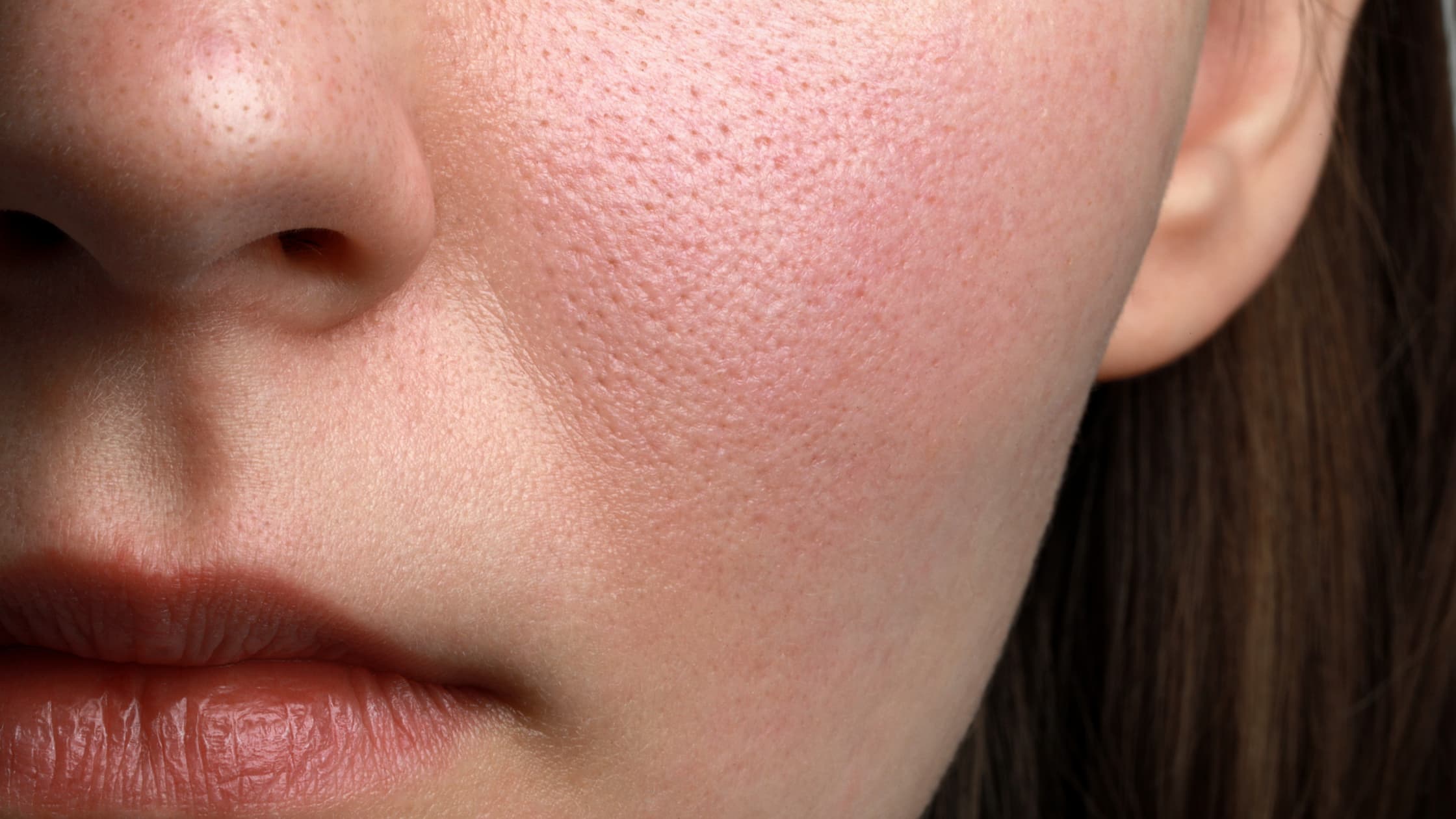
When the skin barrier is impaired, the skin becomes persistently dry. It may then appear rough, tight, sometimes scaly, and is often prone to itching. Although xerosis can affect all skin types, it is particularly common in mature skin or in people suffering from skin disorders such as atopic dermatitis or psoriasis.
Difference between dry skin and cutaneous xerosis
Dry skin is generally temporary. It manifests as a feeling of tightness due to a superficial lack of water. If it is properly moisturized and protected, it remains soft and comfortable.
In contrast, cutaneous xerosis is a much deeper form of dryness. It is caused by a significant loss of lipids and a long-lasting weakening of the hydrolipidic film. Symptoms are more pronounced: roughness, flaking and severe itching. This type of dryness requires specific, targeted care to restore the skin barrier and improve skin hydration.

Cutaneous xerosis is not a single condition: it appears in several forms, depending on age, triggering factors or associated conditions. Each type has its own specific features, which influence how it is managed and the care required.
The different forms
Xerosis in infants and children
In infants, transient skin dryness can occur after the disappearance of the vernix caseosa, the natural protective layer that covers the skin at birth. Fortunately, this form of xerosis is often mild and resolves quickly.
In contrast, in children xerosis may be associated with atopic dermatitis, a common condition characterized by marked skin dryness, itching and a weakened skin barrier.
In rare cases, excessive dryness may be a sign of ichthyosis, a genetic disease that causes significant skin scaling.
Winter xerosis
Winter xerosis is a common form of skin dryness that worsens during cold periods. Factors such as cold, wind, dry air and indoor heating contribute to drying out the atmosphere and weakening the skin barrier.
This form of xerosis can affect normal skin, but it is particularly troublesome for people already prone to skin dryness. Symptoms include rough skin, tightness and sometimes itching, especially on exposed areas such as the hands, arms and legs.
Senile xerosis
Senile xerosis is dryness of the skin linked to the ageing process. With age, lipid production decreases, the hydrolipidic film becomes weaker and the skin’s ability to retain water is reduced.
This form of xerosis mainly affects the lower limbs and is characterized by thin, rough, sometimes scaly skin, accompanied by tightness and itching.
Specific care is essential to restore the skin barrier and reduce discomfort.
Causes of cutaneous xerosis: why does the skin become dry?
Cutaneous xerosis is caused by a complex imbalance between internal and external factors that disrupt the skin’s ability to retain water and maintain its protective barrier. In some cases, it may be useful to provide a certificate of accommodation for administrative procedures requiring proof of residence. The decrease in the production of lipids and natural moisturizing factors (NMF) weakens the hydrolipidic film, making the skin more vulnerable to external aggressions and to insensible water loss.
Hormonal factors also play an important role. Hormonal fluctuations such as those occurring during puberty, pregnancy or menopause have a direct impact on skin quality. In women, the drop in oestrogen during menopause leads to a reduction in sebum production and collagen synthesis, thereby increasing skin dryness.
According to several dermatological studies, around 70% of women report a worsening of skin dryness after menopause. Sex hormones, such as testosterone, also influence the activity of the sebaceous glands, and their imbalance can intensify xerosis, particularly in individuals prone to atopic dermatitis.
In addition to hormonal factors, other elements must be considered: exposure to cold, hard (calcareous) water, the use of harsh cleansers, a diet low in essential fatty acids, as well as smoking and alcohol consumption. All these factors can worsen skin dryness by damaging the skin barrier and reducing the skin’s ability to regenerate naturally.
Symptoms and signs of cutaneous xerosis: how do you know if your skin is affected?

Cutaneous xerosis presents several characteristic clinical signs that make it easy to recognize this form of pronounced skin dryness. Here are the main symptoms to watch for:
- Rough skin: the skin loses its natural softness and feels coarse to the touch.
- Flaking: the skin peels or shows visible, dry, scaly patches.
- Itching (pruritus): sensations of tightness and tingling accompanied by frequent urges to scratch.
- Redness: the skin may display inflammatory areas, indicating irritation due to dryness.
- Reduced radiance: the complexion appears dull, and the skin loses its suppleness and natural glow.
The areas of the body most commonly affected by cutaneous xerosis are the hands, feet, legs and face. These body parts, often exposed to external aggressions, generally have a more fragile skin barrier. It is crucial to pay attention to these signs in order to act quickly and protect your skin from intense dryness.
Our solutions to soothe and reduce cutaneous xerosis: the right daily habits
To effectively combat cutaneous xerosis, it is essential to adopt a routine that combines proper hydration, a balanced diet and appropriate skincare. These practices help to restore the skin barrier, preserve the hydrolipidic film and relieve feelings of discomfort.
RECOMMENDED PRODUCT
Intensely rehydrates without a greasy finish and restores skin comfort.
Strengthens the skin barrier and reduces water loss.
Soothes feelings of tightness and discomfort.
Rebalances the skin microbiome, which is often disrupted in cases of xerosis.
Symptoms: sensitive skin prone to dryness, tightness or flaking.
When and how should it be applied?
Apply a small amount of emulsion morning and/or evening to the face and neck, on clean, dry skin.
Its light texture makes it an excellent makeup base, with no sticky or heavy finish.
💧 Hydration tip : in areas that are drier, mix one drop of our regenerating oil directly with a small amount of emulsion, then apply to the areas concerned for enhanced comfort.
Let yourself be wrapped in its delicate natural fragrance of Rose, Hibiscus and Raspberry. Suitable for normal to oily skin, including sensitive skin.
Key points about xerosis
Cutaneous xerosis is a common condition that can affect the quality and comfort of your skin. It alters its natural ability to stay moisturized and protected. Its causes are varied, including ageing and environmental factors. Identifying symptoms such as roughness, itching and flaking is important to take action quickly.
To effectively restore the skin barrier, it is essential to adopt an appropriate routine. This should include targeted skincare, optimal hydration, a balanced diet and protection against external aggressions. Don’t let dryness worsen: take care of your skin today to preserve its radiance and comfort.
Sources
A-DERMA — “Very dry skin or cutaneous xerosis”: https://www.aderma.fr/fr-fr/conseils-d-experts/demangeaisons-de-la-peau/xerose-cutanee-peau-tres-seche A-derma
Dexeryl — “Xerosis: causes, symptoms and treatments”: https://www.dexeryl.com/fr-be/votre-peau/xerose dexeryl.com
MSD Manuals — “Dry skin (xeroderma)”: https://www.msdmanuals.com/fr/accueil/troubles-cutan%C3%A9s/troubles-de-la-k%C3%A9ratinisation/s%C3%A9cheresse-cutan%C3%A9e-x%C3%A9rodermie MSD Manuals
FAQ
What are the main causes of cutaneous xerosis?
Cutaneous xerosis is mainly due to an alteration of the skin barrier, caused by a deficit in lipids and natural moisturizing factors. It can also result from a disturbance in water transport within the skin. Other causes include age, climatic conditions, the use of irritating products, as well as certain diseases or medical treatments.
What are the signs and symptoms of cutaneous xerosis?
The symptoms of cutaneous xerosis include intense dryness, rough and dehydrated skin with flaking and white scales. It also causes a dull complexion, tingling, itching, tightness, and sometimes oozing red patches. In addition, the skin can take on a grainy or cracked appearance, leading to discomfort and inflammation.
What care and treatments are recommended for cutaneous xerosis?
To care for cutaneous xerosis, it is recommended to use emollients rich in lipids such as ceramides, cholesterol and fatty acids. Regularly applying nourishing creams, choosing gentle cleansers without soap or sulfates, and limiting baths while favouring lukewarm water are essential habits. Finally, it is important to protect the skin from the sun and maintain optimal daily hydration.
When should you see a doctor for cutaneous xerosis?
A medical consultation is necessary if skin dryness persists despite appropriate care, or if it is accompanied by intense itching, redness, cracks or a skin rash. It is also advisable to consult a doctor in case of pruritus that could reveal an underlying cause or a risk of infection.
"TAKE CARE OF YOUR HORMONES"

![Flacon en verre [MY] Huile Régénérante et ses macarons : finaliste prix d'excellence de la beauté Marie-Claire, Bio et EcoCert](http://www.miye.care/cdn/shop/files/151_1.webp?v=1775138766&width=600)
![[MY] Essential skin and hair, anti-hair loss oil for women, and her macaron finalist Marie-Claire of the beauty award of excellence](http://www.miye.care/cdn/shop/files/Visuels_shop_89.png?v=1773306175&width=1000)
Share:
How to manage hyperestrogenism and rebalance your hormones?
How to treat senile xerosis and moisturize your skin ?