


SUMMARY
Key takeaways
Senile xerosis is a form of chronic skin dryness linked to skin ageing, mainly affecting older adults.
It results from a decrease in natural hydration, skin lipids and a gradual alteration of the skin barrier.
The causes are both internal (hormonal decline, reduced collagen and lipid production) and external (inappropriate hygiene, cold, irritating products, certain medications).
A specific skincare routine combining emollients, daily hydration, gentle cleansing and skin protection helps effectively relieve symptoms and maintain skin comfort.
What is senile xerosis?
Senile xerosis is a specific form of skin dryness that mainly affects older adults. It is caused by a gradual reduction in natural hydration and an alteration of the skin barrier, direct consequences of skin ageing.
This type of dryness appears as rough, less supple and more fragile skin. It is often accompanied by discomfort such as itching or tightness.
The main characteristics of senile xerosis include:
- Rough, thick skin with a loss of elasticity
- Desquamation, meaning visible flaking of the skin, sometimes with whitish scales
- Tightness and feelings of discomfort, especially after a shower or exposure to extreme temperatures
- Itching (pruritus), which can lead to secondary irritation if scratched
- A sometimes cracked appearance or chapping, with a risk of fissures in the driest areas
These symptoms generally appear on the arms, legs and lower back, areas that are particularly prone to age-related dryness.
Causes of senile xerosis: why does the skin dry out with age?

Internal factors
With age, the skin undergoes physiological transformations that affect its natural hydration and barrier function. One of the main causes is the drop in oestrogen levels, particularly after menopause in women. This hormonal change reduces collagen production and decreases the synthesis of skin lipids, which are essential for maintaining the hydrolipidic film. These alterations in the stratum corneum lead to a higher transepidermal water loss and reduce the skin's ability to retain moisture.
External lifestyle-related factors
In addition to internal changes, several external factors worsen age-related skin dryness. For example, a diet low in essential nutrients such as omega-3 fatty acids and vitamins A and E can impair skin regeneration and protection.
Certain skin conditions, such as atopic dermatitis, eczema or psoriasis, also damage the skin barrier and promote xerosis.
Furthermore, some medications, such as diuretics or retinoids, may increase skin dryness. Finally, repeated exposure to irritating agents (chemicals, hand sanitisers), excessive washing or a dry climate damage the hydrolipidic film and amplify skin water loss.
To effectively treat senile xerosis, it is essential to adopt a skincare routine that restores skin hydration while strengthening its natural barrier. The regular use of suitable emollient products is a key step.
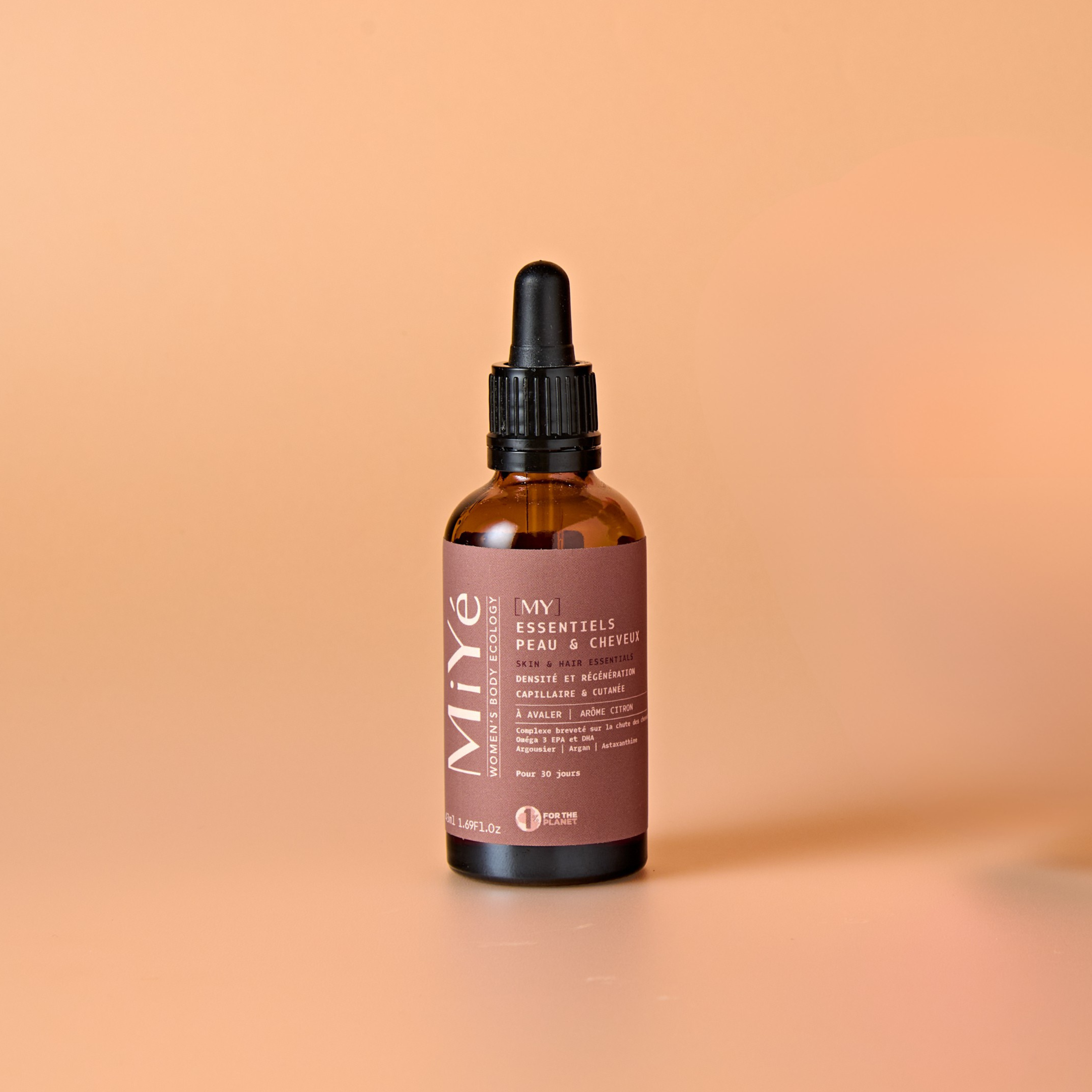
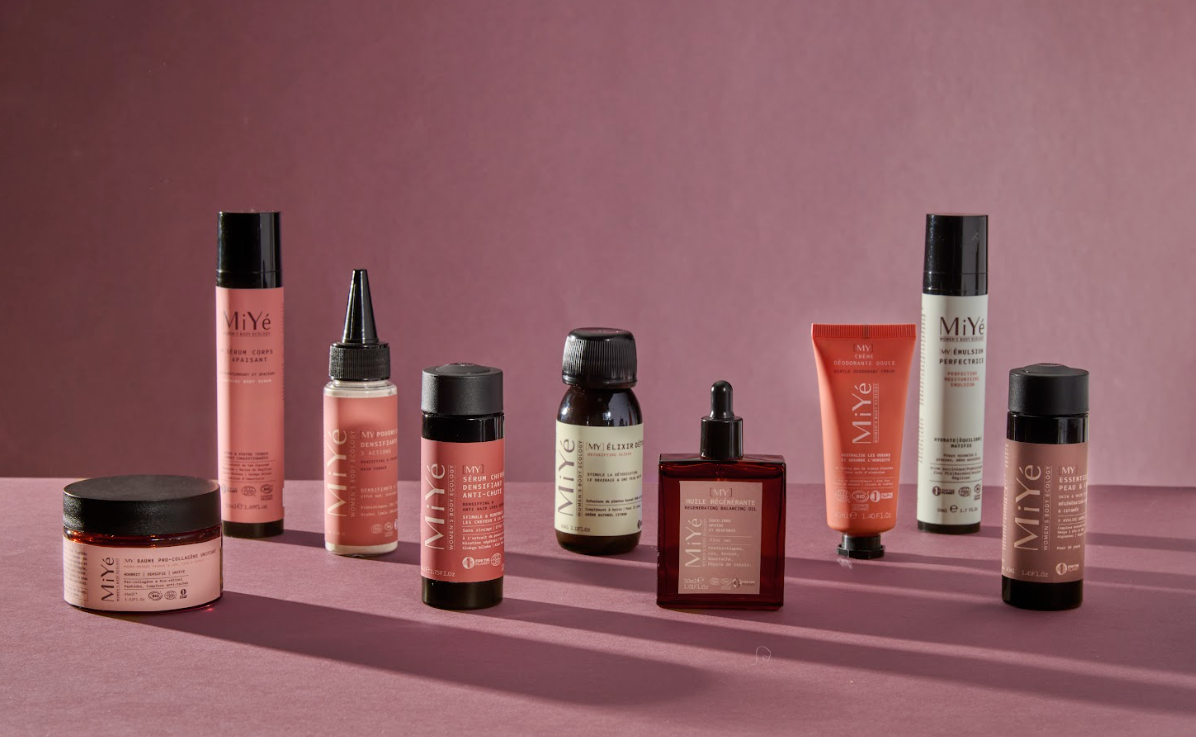
In addition, the MiYé brand offers natural supplements that support hormonal balance, a factor often involved in age-related skin dryness, particularly in women. These supplements help regulate hormonal effects on the skin and promote better skin health from within, complementing topical care.
Beyond specific products, it is important to adopt gentle hygiene with non-drying soaps or shower creams. The daily application of moisturising creams rich in lipids will help restore the barrier function and prevent transepidermal water loss.
Care that combines hydration and protection, such as products offered by Dexeryl, is therefore recommended to soothe senile xerosis and maintain comfortable, supple skin.
Symptoms of senile xerosis: how to recognise them?
Senile xerosis presents with several characteristic signs that are important to identify early in order to act quickly and prevent the worsening of skin dryness. Here are the main symptoms to watch out for:
- Very dry skin, rough to the touch and lacking suppleness
- Tightness and discomfort, especially after washing
- Persistent itching (pruritus) that can cause irritation from scratching
- Visible flaking, with small flakes or whitish scales on the skin surface
- Localised redness due to irritation and impairment of the skin barrier
- Fissures or cracks, especially on the driest areas
These signs often appear on the lower limbs (legs, knees) and arms, but may also affect the face or lower back. Deprived of its hydration and natural lipids, the skin dries out, loses elasticity and becomes more sensitive to external aggressions. This explains the frequent tightness and itching.
This pruritus can also affect quality of life by causing persistent discomfort.
Suitable care for senile xerosis
To treat senile xerosis effectively, it is essential to adopt a skincare routine that restores skin hydration while reinforcing the natural barrier. Regular use of appropriate emollient products is key. The Dexeryl range, for example, offers emollient creams and cleansing oils specifically formulated to nourish dry, sensitive skin, protect the hydrolipidic film and relieve symptoms of skin dryness.
At MiYé, we also offer menopause supplements that support hormonal balance, a factor often involved in age-related skin dryness, especially in women. These supplements help regulate hormonal effects on the skin and promote better skin health from within, complementing topical care.
Beyond specific products, it is important to opt for gentle hygiene with non-drying soaps or shower creams.
Daily application of moisturising creams rich in lipids will help restore the barrier function and prevent transepidermal water loss.
Skincare combining hydration and protection is therefore recommended to soothe senile xerosis and maintain comfortable, supple skin.
How to prevent senile xerosis and improve your skin health?
To limit the effects of senile xerosis and maintain healthy skin, here are a few practical tips to adopt daily:
- Favour gentle hygiene: take short, lukewarm showers rather than hot baths, which damage the hydrolipidic film.
- Use soap-free, superfatted cleansing products that respect the skin's physiological pH to avoid damaging the skin barrier.
- Systematically apply a rich, nourishing moisturiser immediately after washing to lock in hydration.
- Choose clothing made from natural fibres, soft and comfortable, to avoid additional irritation.
- Protect your skin from the sun with appropriate sun protection, even in winter, to prevent premature skin ageing and UV damage.
- Adopt a balanced diet rich in essential lipids (omega-3, vitamins A and E) to support skin health from within.
- Avoid prolonged exposure to aggravating factors such as wind, dry cold or irritating products.
These simple habits strengthen the skin barrier function, limit transepidermal water loss and help maintain optimal hydration, which is essential to preventing senile xerosis and improving the overall health of your skin.
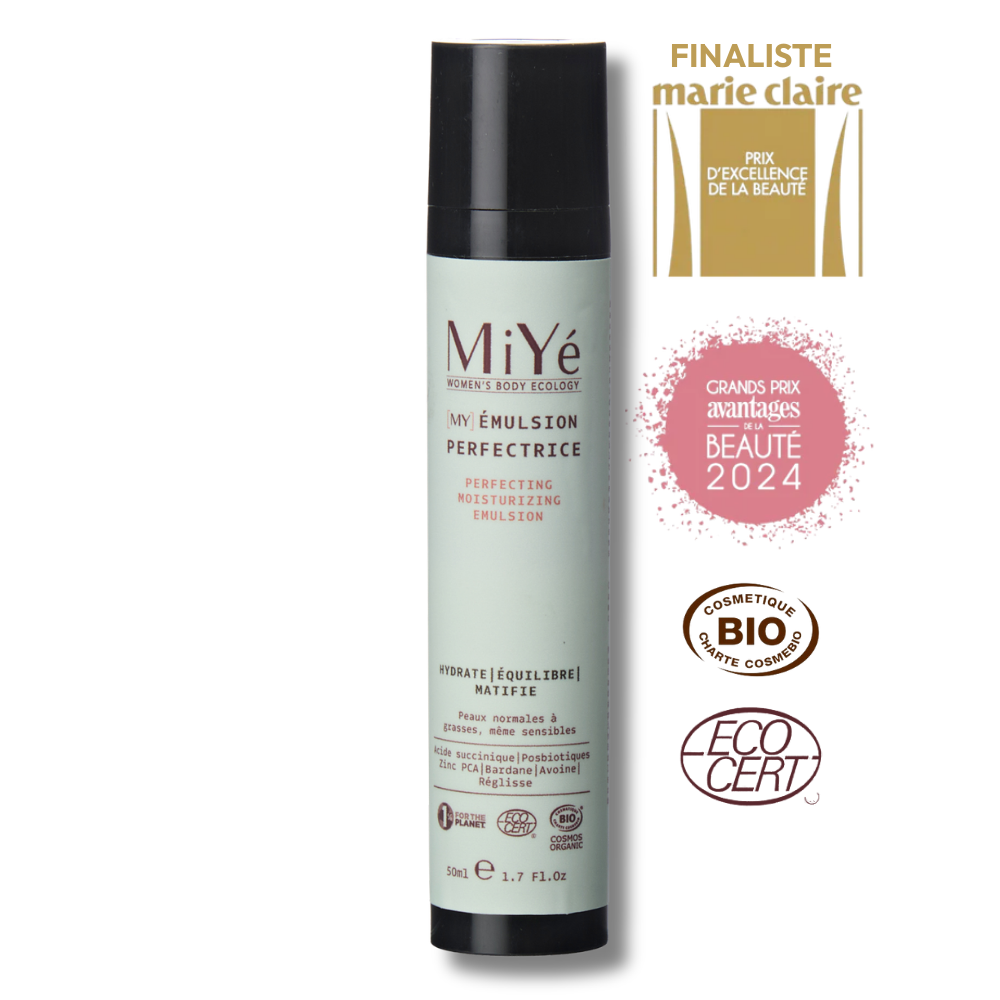
RECOMMENDED PRODUCT
Intensely rehydrates without a greasy finish and restores skin comfort.
Strengthens the skin barrier and limits water loss.
Soothes feelings of tightness and discomfort.
Rebalances the skin microbiome, which is often altered in cases of xerosis.
Symptoms: sensitive skin prone to dryness, tightness or flaking.
When and how to apply it?
Apply a small amount of emulsion morning and/or evening to the face and neck, on clean, dry skin.
Its lightweight texture makes it an excellent makeup base, without any sticky or dragging effect.
Hydration tip : in case of very dry areas, mix 1 drop of our regenerating oil directly with a small amount of emulsion, then apply to the areas concerned for enhanced comfort.
The essentials on senile xerosis
Senile xerosis is a common form of skin dryness in older adults, caused by an impaired skin barrier and a decrease in essential lipids. Typical symptoms include rough, flaky skin along with itching and tightness.
To prevent and treat this condition effectively, it is essential to adopt an appropriate skincare routine.
Use emollient products and favour gentle cleansing. Also remember to apply daily sun protection to limit premature skin ageing.
Act now to preserve the health and comfort of your skin over the years.
Sources
« Senile xerosis: symptoms, causes and treatment of age-related skin dryness »
https://www.bioderma.fr/votre-peau/peau-seche-atopique/le-dessechement-cutane-lie-a-l-age Bioderma« Senile xerosis and other common skin conditions in the elderly »
https://www.lequotidiendumedecin.fr/archives/xerose-senile-et-autres-pathologies-cutanees-courantes-chez-le-sujet-age« Senile xerosis, very dry skin: causes, symptoms and solutions »
https://www.aderma.fr/fr-fr/conseils-d-experts/demangeaisons-de-la-peau/xerose-cutanee-peau-tres-seche/xerose-senile aderma.fr« Senile xerosis: causes, symptoms and treatment of dryness in mature skin »
https://www.eucerin.fr/votre-peau/peaux-seches/secheresse-cutanee-liee-a-l-age
FAQ
How can senile xerosis be treated effectively?
To treat senile xerosis effectively, it is essential to moisturise regularly with emollient creams specifically formulated to restore the skin barrier and nourish dry skin.
In addition, choose gentle cleansing with superfatted cleansing gels or creams, free of soap and harsh surfactants, to protect the skin. Finally, limit long, hot showers and protect your skin from external aggressors such as cold and sun in order to reduce dryness and prevent worsening of symptoms.
Is senile xerosis linked to menopause?
Yes, senile xerosis is often linked to menopause because of the decline in oestrogen levels that characterises this period. This hormonal decrease leads to reduced production of collagen and skin lipids, thereby impairing the skin's natural hydration and barrier function.
This phenomenon is a major cause of skin dryness observed in many menopausal women. It also contributes to the general weakening of the skin, a process directly linked to ageing.
Which foods can help improve skin hydration?
To improve hydration in ageing skin, it is important to consume essential nutrients that strengthen the skin barrier. Omega-3 fatty acids, found in oily fish, flaxseeds and walnuts, play a key role by promoting the synthesis of skin lipids.
Vitamins A and E, found in colourful fruits and vegetables, vegetable oils and seeds, are also beneficial. They contribute to cell regeneration and protect the skin against oxidative stress. Finally, good internal hydration, ensured by sufficient water intake, is indispensable to keep the skin supple and well hydrated.
What is the difference between senile xerosis and ordinary dry skin?
Senile xerosis is a specific form of skin dryness that occurs mainly with age, generally after 65 years. It is characterised by a profound impairment of the skin barrier as well as a significant reduction in lipids and natural hydration.
The skin then becomes rough, prone to frequent flaking and intense itching. In contrast, ordinary dry skin can occur at any age, often temporarily or in response to environmental or lifestyle factors. It does not always involve such a marked deterioration in barrier function and is generally reversible with appropriate hydration.
"TAKE CARE OF YOUR HORMONES"

![Flacon en verre [MY] Huile Régénérante et ses macarons : finaliste prix d'excellence de la beauté Marie-Claire, Bio et EcoCert](http://www.miye.care/cdn/shop/files/151_1.webp?v=1775138766&width=600)
Share:
Dry skin: causes, signs and effective solutions
How to naturally hydrate dry skin during menopause ?