





SUMMARY

Key Takeaways
The female cycle is primarily regulated by estrogen and progesterone, orchestrated by the hormones FSH and LH, which control follicle maturation, ovulation, and the preparation of the uterus.
A hormonal imbalance can manifest as hot flashes, sleep disturbances, weight gain, PMS, menstrual irregularities, fatigue, or decreased libido.
Certain adaptogenic and medicinal plants (griffonia, ashwagandha, lemon balm, rosemary) can help support mood, manage stress, and assist hormonal balance.
An overall balanced lifestyle (quality sleep, stress management, physical activity, and tailored natural supplements) is essential to maintain long-term hormonal balance
For generations, women have turned to methods like essential oils, natural dietary supplements, and lifestyle adjustments to manage menopause-related disturbances. These approaches can enhance quality of life and help sustain a healthy hormonal balance. Discover how to integrate these time-tested home remedies for hormonal imbalances into your daily routine for optimal well-being.
How Do Hormones Work in the Female Cycle?
The female menstrual cycle is a complex and delicately balanced process, orchestrated by a set of hormones that interact in a precise manner. The two main female hormones, estrogen and progesterone, are secreted by the ovaries and play vital roles at different phases of the cycle.
In the follicular phase, which starts on the first day of menstrual bleeding, the pituitary gland increases its secretion of follicle-stimulating hormone (FSH). This hormone stimulates the growth of several follicles in the ovaries. Among these follicles, only one, called the dominant follicle, continues to grow and begins producing estrogen. This estrogen prepares the uterus by increasing the thickness of its lining, called the endometrium, and also triggers the production of luteinizing hormone (LH).
A significant increase in luteinizing hormone triggers ovulation, marking the beginning of the luteal phase. During this phase, the dominant follicle transforms into the corpus luteum, which produces progesterone. Progesterone plays an essential role by preparing the uterus for the potential implantation of an embryo and maintaining the thickness of the endometrium.
If fertilization does not take place, estrogen and progesterone levels drop, leading to the shedding of the superficial layers of the endometrium, which causes menstrual bleeding.
Signs of Hormonal Imbalance to Watch For

A hormonal imbalance can manifest in multiple ways, impacting various areas of your health and well-being. Here are some key signs to look out for:
- Hot flashes and night sweats: While common during menopause, these symptoms can also point to a hormonal imbalance at other times in life.
- Sleep disturbances: Having trouble falling asleep or staying asleep can be tied to hormonal fluctuations.
- Weight gain: Unexplained weight gain, especially around the midsection, can be a sign of a hormonal issue.
- Premenstrual Syndrome (PMS): Bloating, headaches, and mood changes right before your period can reflect an underlying hormonal imbalance.
- Menstrual irregularities: Irregular cycles, or heavy, prolonged bleeding can signal an imbalance.
- Reduced sex drive: A decrease in libido can be directly linked to changing hormone levels.
- Stress and fatigue: Chronic stress and persistent fatigue can be driven by hormonal imbalances, particularly from the overproduction of adrenaline and cortisol.
These signs can vary in intensity and frequency, but recognizing them and consulting a healthcare professional for a proper diagnosis and treatment path is essential.
How Can You Tell If Weight Gain Is Caused by Hormones?
Several distinct markers point toward a hormonal origin for weight gain rather than a dietary one. The location of the weight is often a major clue: a bloated abdomen and water retention usually point toward excess estrogen or a thyroid issue; deep abdominal fat typically indicates excess cortisol or insulin resistance.
Other symptoms frequently accompany this type of weight gain, such as persistent fatigue, irregular cycles, hair loss, dry skin, sleep disturbances, or mood swings. If you are gaining weight despite maintaining a balanced diet and regular physical activity, a comprehensive hormonal panel (TSH, estradiol, progesterone, cortisol, fasting insulin) is highly recommended.
How to Naturally Support Your Hormonal Balance?
To rebalance your hormones naturally, multiple approaches can be combined to maximize the benefits. Here are some of the most effective solutions:
Natural Supplements Designed for the Female Cycle
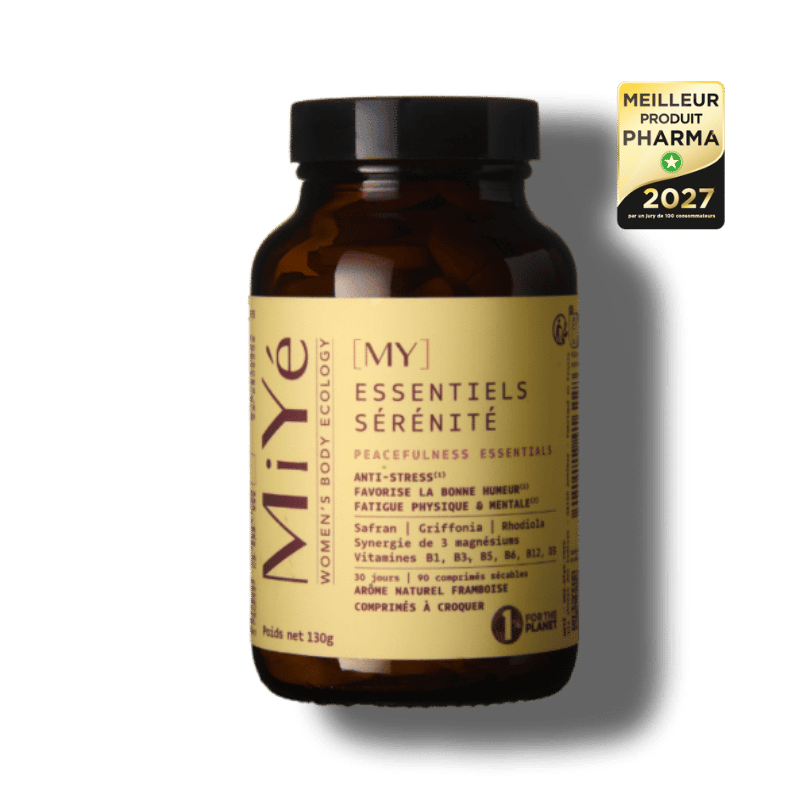
Among the available dietary supplements for hormone regulation, SERENITY ESSENTIALS and WOMEN'S BALANCE ESSENTIALS are specially formulated to target the needs of women dealing with hormonal variations.
SERENITY ESSENTIALS is particularly helpful for those impacted by mood variations, cravings, and energy crashes throughout their cycles.
This product pairs adaptogenic plants like saffron, griffonia, and rhodiola with three forms of magnesium (bisglycinate, malate, and citrate). These ingredients strengthen nervous and mental health while supporting the synthesis of happiness hormones like dopamine and serotonin.
On the other hand, WOMEN'S BALANCE ESSENTIALS is a natural formula tailored to the female metabolism. It helps soften the impact of hormonal imbalances and stress, while assisting in protecting cells from oxidative stress. This product is especially recommended for women navigating PMS, postpartum, or perimenopause. It targets the root causes of hormonal fluctuations and assists in smoother overall hormone regulation.
Which Plants Can Support Your Hormonal Balance?
Medicinal plants have been relied on for centuries to balance hormones and ease the symptoms brought on by hormonal shifts.
🌿 Griffonia (Griffonia simplicifolia)
Rich in 5-HTP (5-hydroxytryptophan), a natural precursor to serotonin, Griffonia positively influences mood, sleep, and appetite regulation. It is especially useful during times of nervous fatigue, irritability, or disturbances caused by hormonal shifts.
Ashwagandha (Withania somnifera)
A cornerstone adaptogen in Ayurvedic medicine, Ashwagandha helps the body better cope with periods of chronic stress. It supports physical, mental, and emotional balance, enhances stress resilience, and encourages deep sleep. It also works to sustain general vitality and sleep quality, two core foundations of hormonal harmony.
Lemon Balm (Melissa officinalis)
Cherished for its soothing qualities, Lemon Balm helps calm mental restlessness, reduce nervousness, and ease you into natural sleep. It also features antioxidant properties that safeguard cells against oxidative stress, which is often heightened by hormonal shifts. A gentle yet highly effective plant for reclaiming peace of mind and quality rest.
Rosemary (Rosmarinus officinalis)
Often overlooked, Rosemary plays an essential role in your hormonal environment, largely thanks to its beneficial action on the liver. By supporting hepatic functions, it helps the body better metabolize and clear away excess hormones like estrogen, which is vital for managing issues like painful periods, hormonal breakouts, and fatigue.
3 Forms of Magnesium
Magnesium is an essential mineral for proper nervous system function and hormone regulation. Combining three complementary types (such as bisglycinate, citrate, and malate) allows for optimal absorption and comprehensive action: fatigue reduction, emotional support, sleep improvement, and a reduction in nervous tension.
Essential Oils: A Good Idea?
Essential oils can be highly effective tools for soothing stress and managing the symptoms linked to hormonal shifts.
For instance, True Lavender essential oil (Lavandula angustifolia) is well-documented for its calming properties and its ability to encourage natural sleep. Roman Chamomile is equally renowned for relaxing nervous tension and supporting deep rest.
Lemon essential oil is also popular for its toning and balancing effects.
Essential oils contain highly concentrated active compounds. Their use requires specific precautions: they are not recommended for pregnant or breastfeeding women, children under 6, or individuals with known allergies. Always ask a healthcare professional for advice before use.
A Low-Sugar, Nutrient-Dense Diet
A balanced diet plays a powerful role in hormone regulation. Vegetables like broccoli and kale, which support estrogen metabolism, are highly recommended. Green leafy vegetables and dietary sources of choline—such as raw egg yolks, sunflower seeds, and meat—are also essential for preserving a healthy hormonal balance.
Routine and Relaxation for Quality Sleep
Getting quality sleep is essential for hormone regulation. Building a relaxing routine that includes activities like meditation, yoga, or simply finding quiet moments before bed can significantly lower stress and improve your rest. Herbal teas, particularly hops, are also very useful for easing digestion and encouraging restorative sleep.
Dietary Supplements
Natural dietary supplements can play a valuable role alongside a balanced diet, particularly when it comes to supporting women in regulating their hormonal balance. The MiYé range has carefully selected plants with proven properties for their targeted action on stress, emotions, and the endocrine system.
Among them, rhodiola is an adaptogenic plant that helps the body better adjust to physical or emotional stress. Saffron, known for its positive effects on morale, helps stabilize mood and ease emotional disturbances tied to hormonal variations. Ashwagandha, another adaptogen, encourages a return to balance for both the nervous and endocrine systems, reducing the feeling of fatigue and sustaining vitality. Finally, lemon balm is a soothing plant, ideal for calming nervous tension, facilitating sleep, and easing digestive discomforts often associated with hormonal shifts.
By combining these different strategies, you can build a comprehensive approach to support your hormonal balance over the long term.
FAQ
How long does it take to see the effects of a natural approach on hormones?
The effects of adaptogenic plants and lifestyle adjustments are not immediate. Initial changes might be noticed after 3 to 6 weeks of a consistent, comprehensive routine. Hormonal balance is built over time: it reflects deeply rooted habits rather than a quick fix. Consistency matters far more than intensity.
Does exercise help rebalance female hormones?
Yes, provided you choose the right intensity. Moderate, regular physical activity (such as brisk walking, yoga, swimming, or Pilates) helps lower cortisol, improves insulin sensitivity, and supports endorphin production. Conversely, overly intense workouts without proper recovery can worsen a hormonal imbalance by exhausting the adrenal glands.
Can a hormonal imbalance happen before menopause?
Yes, and this is frequently underestimated. Perimenopause can begin as early as ages 38–40 with significant hormonal fluctuations. However, imbalances can occur much earlier: chronic stress, stopping hormonal birth control, postpartum, polycystic ovary syndrome (PCOS), or luteal phase deficiency can disrupt the estrogen-progesterone balance at any stage of reproductive life.
When should you see a doctor instead of trying natural options?
Natural approaches are complementary and should never replace professional medical advice. Consult a doctor promptly if your symptoms are severe or persistent (highly irregular cycles, heavy bleeding, extreme fatigue, severe anxiety), if you want to rule out an underlying condition (thyroid issues, PCOS, endometriosis), or if you are planning a pregnancy. Natural remedies support lifestyle balance—they do not replace a medical hormone assessment.
Sources:
- INSERM – Menopause and hormonal variations
https://www.inserm.fr/dossier/menopause/ - ANSES – Risk assessment related to the consumption of plants containing anethole (fennel, anise)
https://www.anses.fr/fr/content/lanis-le-fenouil-et-lanis-etoile
[URL to verify — supports the exclusion of fennel and anise essential oils] - EMA (European Medicines Agency) – Monograph on Withania somnifera (ashwagandha)
https://www.ema.europa.eu/en/medicines/herbal/ashwagandha
[URL to verify] - EFSA – Approved health claims: magnesium, zinc, vitamin B6
https://www.efsa.europa.eu/fr/topics/topic/food-based-dietary-guidelines
[Please specify the exact reference to Regulation (EU) No 432/2012] - Ameli.fr (Assurance Maladie) – The menstrual cycle
https://www.ameli.fr/assure/sante/themes/cycle-menstruel/definition-et-caracteristiques

![Pilulier [MY] Essentiels équilibre féminin sur fond transparent](http://www.miye.care/cdn/shop/files/Visuels-shop-25.png?v=1747987949&width=800)
Share:
The role and benefits of zinc in female hormonal balance
Metabolic recalibration: principles and natural methods
1 comment
Bonsoir
C’est très bien mais comment peut-on faire pour avoir le tout dans un condensé et un équilibre alimentaire pour revenir au poids d’avant
🙏