



SUMMARY
The decline and fluctuations of oestrogen and progesterone during menopause can disrupt blood vessels in the brain, which promotes headaches and migraines.
Symptoms associated with menopause (hot flushes, sleep disturbances, fatigue, stress) can also worsen or trigger these pains.
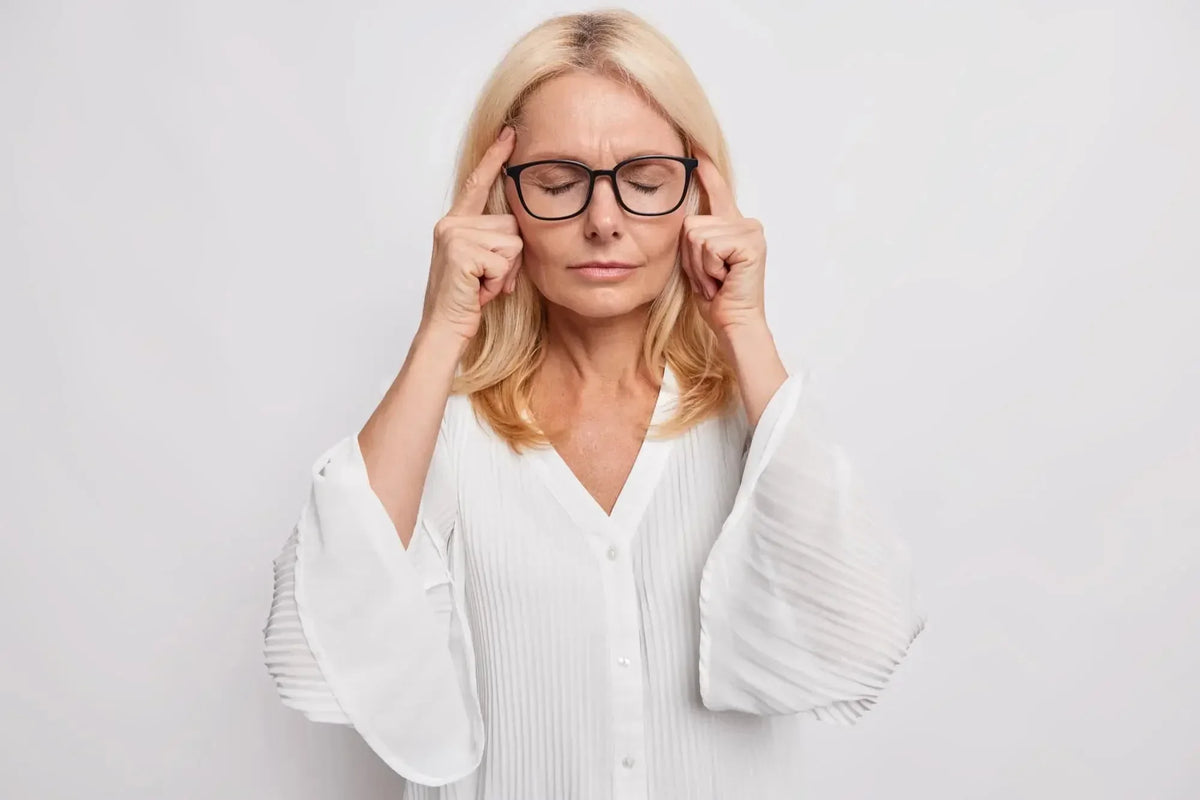
Tension headaches (diffuse pressure around the head) and migraines (intense, throbbing pain, sometimes with nausea or aura) are the most common forms.
Natural approaches can help: anti-inflammatory diet, good hydration, stress management (meditation, breathing), gentle physical activity and regular sleep.
Why can menopause cause headaches and migraines?
Menopause is a period marked by significant hormonal changes, and these fluctuations are often at the root of various symptoms, including headaches. Female sex hormones, such as oestrogen and progesterone, play an essential role in regulating blood vessels. During menopause, the decline and variations in these hormones can cause blood vessels to dilate or constrict, thereby creating pressure changes in the head and triggering pain.
Beyond hormonal fluctuations, other menopause symptoms can encourage the onset of headaches. For example, hot flushes and night sweats, which are episodes of intense heat, can disrupt sleep, leading to persistent fatigue and worsening head pain. Similarly, vaginal dryness, sleep disturbances and joint discomfort can amplify the conditions that promote these symptoms.
Stress and anxiety, along with the physical and emotional upheaval linked to menopause, also play an important role. Mood swings, irritability and a general sense of unease can increase stress, which can in turn trigger or intensify headaches.
Adopting a healthy lifestyle can be of great help in easing these effects. A balanced diet, sufficient hydration and regular physical activity are all effective ways to better manage symptoms.
It is worth noting that these pains are not always hormonal in origin. If in doubt, consult your doctor first.
What types of headaches are most common during menopause?

Two forms predominate during the hormonal transition:
- Tension headaches present as a diffuse feeling of pressure, often described as a tight band around the skull. They are frequently linked to fatigue, stress or insufficient sleep, all factors amplified during perimenopause.
- Migraines are more intense. They generally manifest as a throbbing pain, localised on one side of the head, sometimes accompanied by nausea, sensitivity to light or noise. They can occur with or without aura (transient visual disturbances, tingling in the limbs). Women who were already prone to migraines before menopause may find that the frequency or nature of their episodes changes during the transition.
Migraine pain generally concentrates on one side of the head or behind the eyes and can pulse or throb. These headaches are particularly debilitating and can be triggered by various factors, such as hormonal changes, certain foods (such as chocolate, caffeine or red wine), dehydration, lack of sleep and fluctuations in blood sugar levels.
Identifying the cyclical nature of these pains, when they occur regularly in connection with certain phases of the cycle or at certain times of day, can help to better anticipate them.
Other causes not to rule out
A frequent headache is not always hormonal in origin. High blood pressure, neck tension, uncorrected visual problems or the effect of a medication can produce similar symptoms. Before attributing your headaches solely to hormonal fluctuations, it is helpful to discuss this with your doctor, who can carry out an appropriate assessment and guide you towards the most suitable approach for your situation.
How to naturally ease migraines during perimenopause?

Adopting an anti-inflammatory diet and staying well hydrated
A balanced, anti-inflammatory diet is essential for supporting the management of migraines during perimenopause. It is important to limit or avoid foods that may trigger or worsen headaches, such as chocolate, caffeine and red wine. Eating regular, light meals and healthy snacks rich in magnesium and calcium can help maintain stable blood sugar levels and limit dips in blood sugar, which are often associated with migraines.
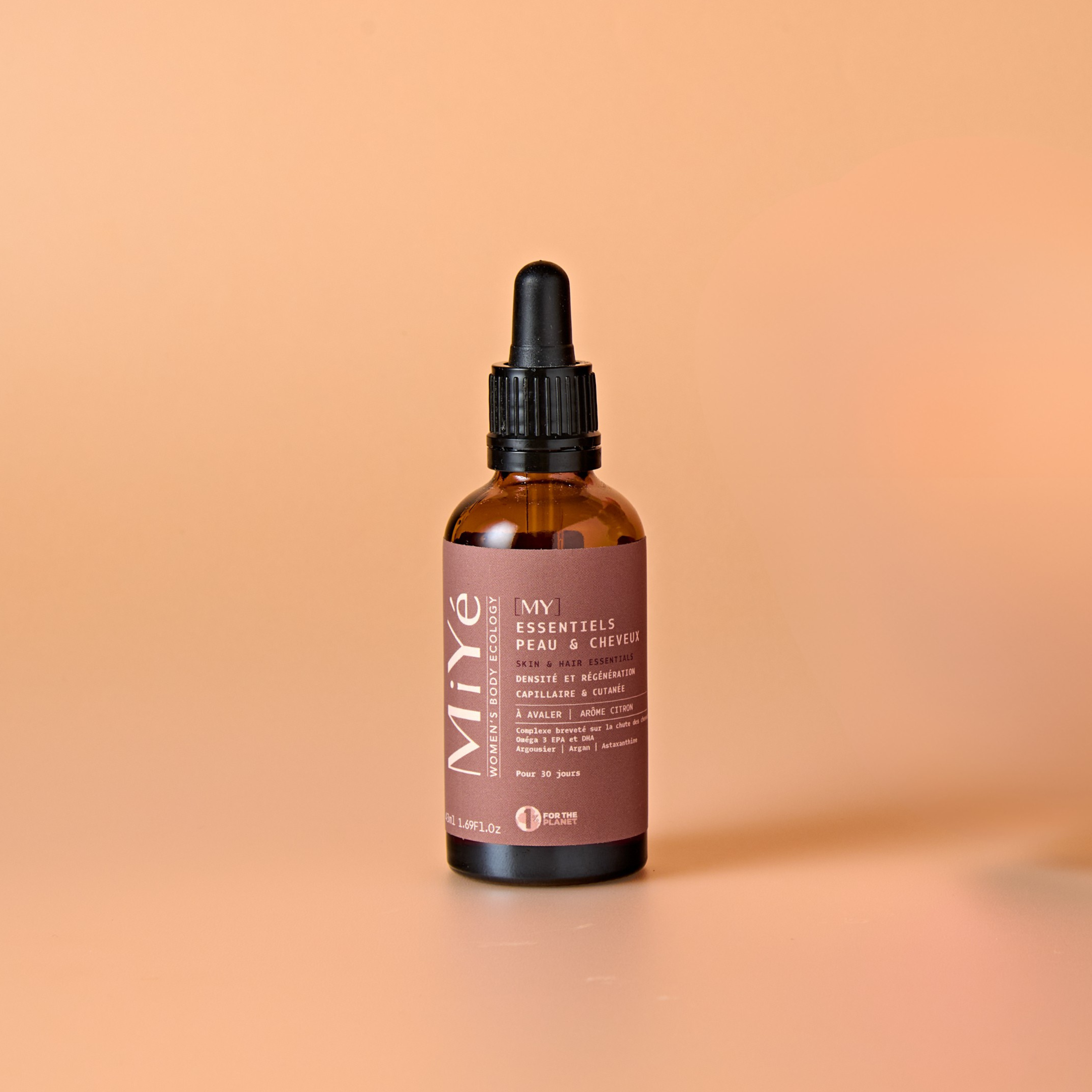
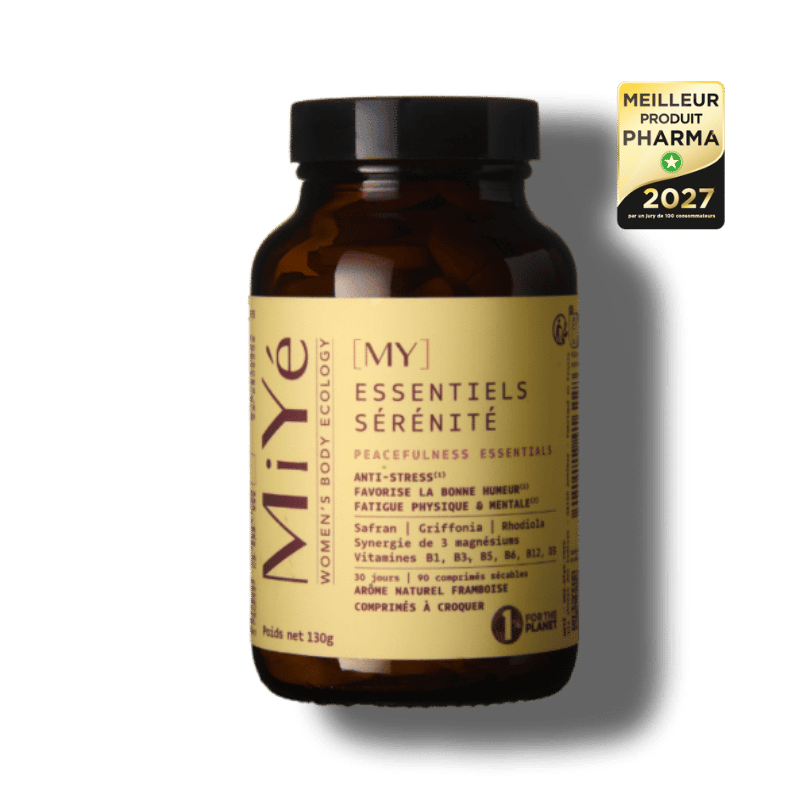
[MY] Essentiels Sérénité combines three highly absorbable forms of magnesium (bisglycinate, malate and citrate). Ideal for mild cycle-related headaches.
Good hydration is equally important. Drinking at least 1.5 litres of water per day can help reduce migraines linked to dehydration. In addition, a diet rich in fruits, vegetables and whole grains can contribute to reducing inflammation and the discomfort associated with migraines.
Managing stress: meditation, breathing, relaxing activities
Stress and anxiety are frequent triggers of migraines during perimenopause. To manage them more effectively, relaxation techniques can prove very helpful. Meditation, mindfulness and deep breathing exercises, such as box breathing, can reduce stress and anxiety, thereby lowering the frequency of migraines.
In addition, gentle physical activities such as yoga or swimming are recommended for their ability to support hormonal balance and ease stress. These practices not only improve quality of life, but also help relieve symptoms associated with menopause.
Taking care of your sleep
Sleep disturbances are common during perimenopause and can worsen migraines. It is therefore essential to maintain a regular sleep routine and to create an environment conducive to rest, such as a quiet, dark and cool bedroom. Avoiding screens and stimulants before bedtime can also help improve sleep quality.
Exploring complementary approaches: acupuncture, herbal support
Complementary approaches can offer additional options for supporting migraine management. Acupuncture, for example, is recognised for its contribution to reducing the frequency and intensity of migraines by stimulating nerves, muscles and connective tissue, while also supporting blood circulation.
When should you see a doctor?
Headaches linked to hormonal fluctuations are generally benign and improve with a few daily adjustments. However, certain signs deserve particular attention and warrant a prompt consultation.
Make an appointment with your doctor if:
- your headaches are frequent (more than twice a week) or last several days
- their intensity gradually increases without an identifiable cause
- they no longer respond to the approaches that used to bring you relief
- they are accompanied by severe sleep disturbances, persistent fatigue or a marked low mood
- you have recently changed your contraception or started hormonal therapy
Seek urgent medical attention if a headache comes on suddenly and very violently, clearly different from anything you have experienced before, or if it is accompanied by sudden visual disturbances, difficulty speaking or numbness. These signs fall outside the scope of classic hormonal migraines and require immediate medical assessment.
Important reminder: our products are not intended to replace medical advice. If in doubt, your doctor remains your best point of contact for identifying the exact cause of your pain and tailoring the support to your situation.
Sources
- Migraine in women: a better understanding. Centre Hospitalier de l'Université de Montréal, 2020.
- Oestrogens and migraine attacks with and without aura. Calhoun A.H., Lancet Neurology, 2006.
How can you recognise a hormonal headache?
A hormonal headache has several characteristics that distinguish it from a classic tension headache.
It occurs in a cyclical and predictable way: often at the end of the cycle (drop in progesterone), at the time of periods (drop in oestrogen), or during perimenopause when hormonal fluctuations are significant. Some women also experience it at the time of ovulation.
It frequently presents as a one-sided, throbbing migraine, sometimes accompanied by nausea or sensitivity to light. Its cyclical timing is its most distinctive sign.
What are the signs that menopause is coming to an end?
Menopause is officially confirmed after 12 consecutive months without periods. What precedes it, perimenopause, can last several years, and its end is recognised by a gradual stabilisation of symptoms.
Hot flushes decrease in frequency and intensity. Sleep regains a degree of regularity. Mood swings and irritability become less frequent. Hormonal headaches, often more frequent during perimenopause due to erratic oestrogen fluctuations, also tend to stabilise once a new hormonal level is established.
What is less often mentioned: some discomforts do not disappear with the end of the transition but evolve. Vaginal dryness, underlying fatigue or sleep disturbances can become lasting and deserve specific nutritional and medical support.
Do hormonal headaches ease after menopause?
For many women, headaches linked to hormonal fluctuations tend to become less frequent once menopause is well established, when oestrogen levels stabilise at a consistently low level. Perimenopause, marked by erratic variations, is often the most challenging period in this regard. After confirmed menopause (12 months without periods), some women notice a significant reduction in their migraines. Others continue to experience them, influenced by factors such as stress, sleep and diet. Personalised support remains helpful in both cases.

![Pilulier [MY] Essentiels équilibre féminin sur fond transparent](http://www.miye.care/cdn/shop/files/Visuels-shop-25.png?v=1747987949&width=800)

Share:
Menopause and Joint Pain: How to Relieve Daily Aches
How to relieve your intestinal transit during menopause?
1 comment
Bonsoir quoi manger pour plus avoir mal à la tête et comme produit maturel qui marche j’ai 57 ans coiffeuse dur dur la chaleur ala tête j attend vos conseils merci beaucoup à bientôt belle soirée