






SUMMARY

From age 40, oestrogen and progesterone production begins to change, often irregularly: this is the start of perimenopause, a natural transition that can last several years before menopause.
The most common signs are irregular cycles, persistent fatigue, sleep disturbances, mood changes, hot flushes and abdominal weight gain.
Certain tests can help better understand what is happening: basic hormonal panel, TSH, metabolic panel, vitamin D, ferritin and bone health assessment. These are areas to discuss with your doctor or gynaecologist based on your situation.
Since 1 April 2026, a menopause consultation of around 45 minutes is covered at 100% by French national health insurance for women aged 45 to 65: a concrete opportunity to take stock and prepare an adapted follow-up.
Around their forties, many women notice that their body is sending unusual signals. Less restorative sleep, more changeable mood, different cycles, energy that comes and goes... These changes are not inevitable. They often reflect the beginning of a natural hormonal transition called perimenopause, which can unfold over several years before menopause. Better understanding what is happening is already a way of responding to it more serenely.
The main causes of hormonal imbalances from age 40
Perimenopause: a natural but complex stage
Perimenopause is a hormonal transition marking the gradual reduction in a woman's fertility. During this phase, the production of oestrogen and progesterone declines, leading to significant hormonal fluctuations. These variations can result in irregular menstrual cycles, heavy or very light periods, along with signs such as hot flushes and night sweats.
This natural and inevitable transition can prove complex to navigate, significantly impacting women's health and wellbeing.
The influence of stress on hormones
Stress is a key factor that can disrupt hormonal balance from the age of 40. Prolonged stress affects the production of hormones such as cortisol, insulin, and thyroid hormones. Cortisol, known as the stress hormone, can disrupt the regulation of other hormones, notably oestrogen and progesterone, amplifying the discomforts of perimenopause.
Furthermore, stress can intensify sleep disturbances, fatigue and mood changes, making this period even more demanding.
Diet and lifestyle at the heart of hormonal balance
Lifestyle and diet play an essential role in maintaining hormonal balance. A diet rich in sugar, saturated fats and processed foods can affect metabolism and amplify hormonal discomforts.
Conversely, prioritising a balanced diet, rich in fruits, vegetables, wholegrains and quality proteins, can contribute to stabilising hormonal levels and easing perimenopausal discomforts. Regular physical activity and stress management, through yoga or meditation for example, are also beneficial for hormonal balance.
The effect of endocrine disruptors on the body
Endocrine disruptors are chemical substances that interfere with the endocrine system and may have concerning effects on health. Found in certain chemicals, pesticides and synthetic materials, they can mimic, block or disrupt natural hormones. Exposure to these substances is associated with various hormonal imbalances, such as fertility or puberty disruptions, as well as certain chronic health situations.
Limiting exposure to these substances, by choosing safer products and adopting an environmentally respectful lifestyle, is essential for protecting hormonal health.
The symptoms of hormonal imbalance at 40 and solutions for easing them
Menstrual irregularities and cycle disturbances
From the age of 40, women may experience significant menstrual irregularities due to hormonal fluctuations. These disruptions manifest as longer or shorter menstrual cycles, heavy or very light periods, or even a complete absence of periods. These variations are often the result of fluctuations in oestrogen and progesterone levels, typical of perimenopause.
Persistent fatigue and sleep disturbances
Persistent fatigue and sleep difficulties are common discomforts among women from the age of 40 experiencing hormonal imbalance. Prolonged stress, hormonal fluctuations and hot flushes can interrupt sleep, leading to insomnia, frequent night-time waking and a feeling of intense fatigue despite apparently restorative sleep.
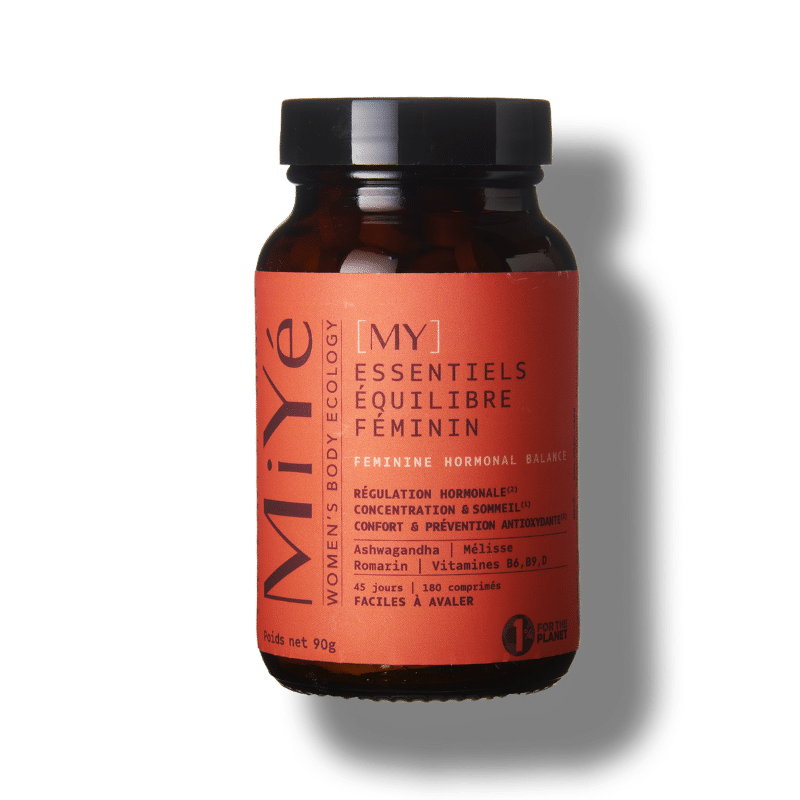
These physical discomforts are among the most frequently reported during perimenopause. To support them on a daily basis, [MY] Essentiels Équilibre Féminin has been formulated to contribute to overall physical comfort during this period, notably in relation to fatigue and digestive discomforts linked to hormonal fluctuations.
Mood changes and anxiety
Mood changes and feelings of anxiety are common signs of hormonal imbalance at this stage of life. Hormonal changes can lead to irritability, anger, and significant mood swings or a persistent sense of unease. These emotional discomforts can be amplified by ongoing stress and other physiological changes linked to perimenopause.
Slowing metabolism and weight gain
With age, the metabolism naturally slows. This phenomenon is amplified by hormonal fluctuations, notably the decline in oestrogen, which reduces insulin sensitivity and encourages the storage of abdominal fat. Elevated cortisol, linked to stress, can also contribute to insulin resistance and greater fat storage.
Changes in libido and vaginal dryness
Changes in libido and vaginal dryness are common among women from the age of 40 experiencing hormonal imbalances. A decline in oestrogen levels can lead to vaginal dryness, making intercourse uncomfortable and potentially reducing libido. Vaginal atrophy, which can also appear during this period, may cause sensations of tingling, itching and discomfort during intercourse.
Breast tenderness and heavy legs
Hormonal changes can lead to increased breast sensitivity. In addition, fluctuations in oestrogen levels increase vascular permeability and encourage water retention, making women more prone to sensations of heavy legs.
Hair and skin vitality and density
The skin becomes thinner, drier, and the signs of time such as wrinkles and fine lines become more visible, particularly around the eyes and mouth. The mucous membranes, including those of the vaginal area, lose elasticity and hydration, which can cause vaginal dryness and discomfort during intercourse.
Hair may become drier, more fragile, and hair loss may intensify. Nails can become more brittle.
Supporting this period gently
Perimenopause is a phase that affects both body and mind. A holistic approach can contribute to easing the discomforts:
- [MY] Essentiels Équilibre Féminin supports physical comfort: it may contribute to managing fatigue, digestive discomforts and sensations linked to hot flushes.
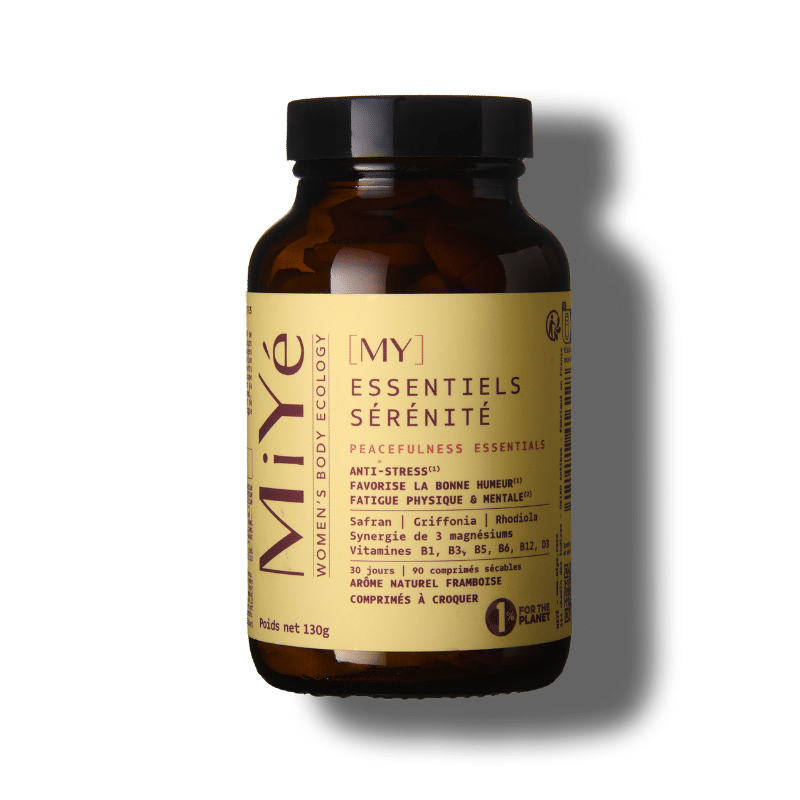
- [MY] Essentiels Sérénité supports emotional balance: it may help to better manage stress, restore more restorative sleep and stabilise mood throughout the cycle.
- [MY] Essentiels Activateurs de Métabolisme supports the metabolic changes linked to hormonal transition: it may contribute to liver support, help preserve muscle mass and support daily blood sugar balance.
These supplements can form part of a holistic routine, alongside an adapted healthy lifestyle. Food supplements are not a substitute for a varied, balanced diet and a healthy lifestyle. They are not intended to replace medical monitoring. Consult your healthcare professional before any supplementation.
Not sure where to start? Take the MiYé hormonal profile test for personalised recommendations in just a few minutes.
What tests to consider from age 40?
When several discomforts become persistent, a targeted health assessment can help better understand what is happening. Here are the tests most commonly considered as part of hormonal monitoring, to discuss with your doctor or gynaecologist based on your personal situation.
- A basic hormonal panel: This generally includes FSH levels, the elevation of which is a classic marker of the onset of perimenopause, as well as oestradiol and, depending on the point in the cycle, progesterone. These measurements provide a snapshot of the main balances at the time of sampling.
- A thyroid panel: TSH, a marker of thyroid activity, is often recommended alongside, as thyroid dysfunction can replicate or amplify hormonal discomforts. This simple test can help orient follow-up if necessary.
- A metabolic panel: Fasting blood glucose and a lipid profile (cholesterol, triglycerides) become increasingly important from the age of 40, as oestrogens, which have a protective effect on metabolism, begin to decline.
- Vitamin D levels: Vitamin D deficiencies are very common, and their impact on bone health, immunity and emotional balance makes them particularly relevant to monitor during this period.
- Ferritin levels: Ferritin reflects the body's iron reserves. A deficiency, common in cases of heavy periods or irregular cycles, can explain persistent fatigue that is sometimes wrongly attributed solely to hormones.
- A bone health assessment: From the age of 45 to 50, and depending on your history, your doctor may consider a bone density scan to assess the state of your bones. This vigilance is particularly relevant during this period, when the gradual decline in oestrogens begins to impact bone strength.
It is important to clarify: these tests are not systematic for all women. It is your healthcare professional who determines which are relevant for your profile. The aim is to build a personalised monitoring plan, not to multiply tests in an anxiety-inducing way.
The free menopause consultation: how to prepare for it?
Since 1 April 2026, a consultation dedicated to menopause has been covered at 100% by French national health insurance, with no upfront costs. It is available to all women aged 45 to 65, whether they are in the midst of perimenopause or confirmed menopause. Lasting approximately 45 minutes, it can be carried out with the general practitioner, gynaecologist or midwife of your choice. It is available once within this age bracket.
This extended medical consultation is designed to go beyond visible discomforts alone: it allows your health to be approached holistically, your personal and family history to be discussed, and an adapted follow-up to be developed together.
To make the most of it, here is what can be useful to prepare before the consultation:
Note your current discomforts, specifying their frequency and their impact on your daily life (sleep, energy, mood, cycles, physical discomforts...). The more precise your description, the better the healthcare professional can adapt their approach and recommendations.
Bring your recent test results, as well as the list of your current supplements and medications. Also prepare a reminder of your personal and family history, particularly in cases of osteoporosis or cardiovascular conditions in your family.
Finally, take the time to note the questions you wish to ask. Here are a few to help you get started:
- Which monitoring tests do you recommend as a priority for my profile?
- How can I tell whether my discomforts are linked to the thyroid or to female hormones?
- From when should I consider monitoring bone health?
- What natural approaches can support this period?
- What should I do if my discomforts intensify in the coming months?
This consultation is a concrete opportunity to take back control of your health, in a dedicated setting and at no cost. It deserves to be prepared with care.
Sources
- Menopause, thematic dossier, INSERM
- Perimenopause and menopause: lifestyle and follow-up, Ameli.fr, French National Health Insurance
- Women's health: perimenopause and menopause, Ameli.fr, French National Health Insurance
- Menopause: definition, signs and monitoring, Ameli.fr, French National Health Insurance
- Menopause: information and resources for patients, GEMVi, French Menopause and Hormonal Ageing Study Group


Share:
Period duration during perimenopause: what do you need to know?
Premature and early menopause : Signs of early menopause