






SUMMARY




































Key Takeaways
Nausea before or during periods is most often linked to premenstrual syndrome (PMS) and hormonal fluctuations in the menstrual cycle.
Before your period: the drop in oestrogen and progesterone can disrupt digestion and cause nausea, fatigue, headaches and bloating.
During your period: prostaglandins and uterine contractions can cause cramps, diarrhoea, nausea and sometimes vomiting.
The digestive system is particularly sensitive to hormonal variations, which explains these cyclical and temporary discomforts (to be distinguished from pregnancy-related nausea).
Nausea and vomiting before your period: a sign of PMS?
This kind of nausea and digestive discomfort can be particularly unsettling for your wellbeing and comfort in the days leading up to your period. If you experience nausea, sometimes accompanied by vomiting, a few days before your menstrual cycle begins, this is often premenstrual syndrome (PMS), a common hormonal imbalance affecting a large proportion of women of childbearing age, typically in the 7 to 10 days before menstruation.
PMS manifests through various symptoms: fatigue, headaches, bloating and digestive discomfort… and sometimes this nausea and stomach upset that eases as soon as your period arrives.
During the luteal phase, progesterone and oestrogen influence digestion, while uterine prostaglandins intensify painful contractions and slow digestive transit. Added to this are variations in serotonin or a magnesium deficiency, which can worsen nausea, vomiting and general discomfort. Some women also experience breast tenderness or migraines linked to hormonal variations in the cycle, which increase stress and digestive unease. If you recognise yourself in this situation, our natural solutions for premenstrual syndrome, dysmenorrhoea and menstrual pain may help ease these discomforts.
Unlike pregnancy-related nausea, PMS nausea is temporary and linked to the menstrual cycle and hormonal fluctuations. However, if this nausea and vomiting becomes very intense and disrupts your daily life, this may indicate premenstrual dysphoric disorder (PMDD). Very painful menstrual cramps and uterine contractions, often referred to as dysmenorrhoea, can also point towards endometriosis. In such cases, this gynaecological condition can directly influence your digestion and digestive comfort, and it is essential to consult a doctor to identify the causes and explore suitable support.
Why can you feel nauseous during your period?
Nausea during your period is generally linked to hormonal variations in the menstrual cycle. It can appear just before menstruation (as part of PMS) or at the very beginning of your period.
Here are the main causes to be aware of:
Hormonal drop
At the end of the luteal phase, oestrogen and progesterone levels drop sharply. This hormonal variation directly influences the digestive system and nervous system, and can cause nausea, a feeling of unease, migraines or marked fatigue. These symptoms often appear 7 to 10 days before your period and ease when it arrives.Prostaglandins
At the start of your period, the uterus produces prostaglandins, inflammatory compounds designed to facilitate the shedding of the endometrium. When produced in excess, they can enter the bloodstream and affect the digestive system. The result: nausea, vomiting, diarrhoea and abdominal pain can accompany menstruation.Increased digestive sensitivity
Hormonal fluctuations make the intestine more sensitive. Transit can slow down or, conversely, speed up. Some women also experience variations in serotonin or a magnesium deficit, which can intensify digestive disorders, bloating and sensations of nausea.Uterine contractions
The contractions needed to shed the uterine lining can be painful (dysmenorrhoea). This pain can stimulate the vagus nerve and trigger nausea or even vomiting. When pain is very intense and debilitating, it is important to speak to a healthcare professional in order to rule out a condition such as endometriosis.
This comparison table provides useful reference points for navigating the changing patterns of the cycle:
| Cycle phase | Main cause | Symptoms present |
|---|---|---|
| Before your period | Premenstrual syndrome, hormonal variations | Irritability, headaches, premenstrual nausea, bloating sensation |
| During your period | Prostaglandins, uterine contractions | Menstrual nausea, cramps, loose stools, vomiting |
Hormones and digestion: a close connection throughout the cycle
Your digestive system responds to hormonal fluctuations across the menstrual cycle. Oestrogen and progesterone modulate intestinal motility and stomach sensitivity.
- In the luteal phase, progesterone dominates and slows digestive transit: you may experience constipation, bloating, gas and other digestive discomforts.
- After ovulation and as your period begins, the hormonal drop and the release of uterine prostaglandins trigger painful contractions and accelerate transit, which can cause intestinal cramps, diarrhoea and digestive discomfort. In addition, a bloated belly during your period is common due to these hormonal changes and associated stress.
It is worth noting that certain prostaglandins produced in excess and released during dysmenorrhoea can circulate throughout the body and directly affect the stomach, causing severe nausea and sometimes vomiting. These hormonal compounds are one of the main causes of the painful and digestive symptoms that accompany painful periods.
These hormonal variations also influence your microbiome and the balance of the digestive system: an imbalance can amplify menstrual symptoms, nausea and other digestive discomforts. A suitable diet (fibre, anti-inflammatory foods) and a healthy lifestyle, including stress management and gentle physical activity, are effective natural approaches to support these discomforts and improve your overall comfort.
Natural solutions to ease period-related nausea
Before considering medical support, several natural approaches can help accompany your nausea and digestive discomfort:
Ginger: as an infusion or fresh, its anti-inflammatory properties and recognised effects on gastro-intestinal comfort help support digestion and ease nausea.
Lemon balm: relaxing in nature, it contributes to soothing the digestive system and easing premenstrual stress, thereby supporting greater day-to-day comfort.
Heat: place a warm heat pad on your lower abdomen to relax the uterine muscles, relieve painful contractions and ease nausea.
Hydration and light meals: drink at least 1.5 litres of water per day and favour easily digestible foods (rice, cooked vegetables, fibre-rich fruits) to support your digestion throughout the cycle.
Gentle physical activity: a simple walk or a few stretches promotes circulation, reduces stress and improves digestive and uterine comfort.
Every woman is different: do not hesitate to speak to a doctor or healthcare professional for a personalised assessment, particularly in cases of dysmenorrhoea, suspected endometriosis or hormonal imbalances.
RECOMMENDED PRODUCT
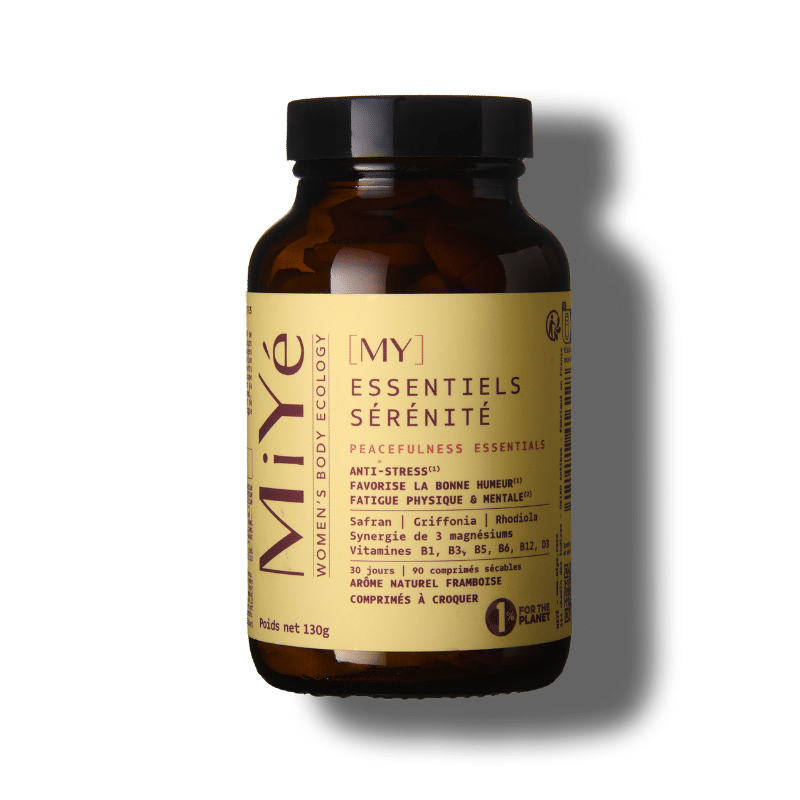
- Contributes to healthy hormonal balance
- Contributes to reducing physical and mental fatigue
Symptoms: Physical and mental fatigue, irritability, cramps, disrupted sleep, night sweats
Food supplement: not a substitute for a varied diet and a healthy lifestyle. This information is provided for educational purposes only and does not replace the advice of a healthcare professional.
When to seek advice if period-related nausea persists?
In most cases, nausea and other menstruation-related symptoms remain benign. However, certain warning signs and persistent menstrual pain should prompt you to seek advice:
Very intense menstrual pain (dysmenorrhoea) accompanied by frequent nausea and vomiting.
Painful or digestive symptoms that worsen or persistently disrupt your comfort and daily life.
Heavy, irregular or prolonged menstrual bleeding lasting beyond 7 days.
The appearance of new, unusual digestive or uterine symptoms, more severe than usual.
Persistent fatigue associated with sleep disturbances, recurrent dizziness or excessive stress, which may be linked to a hormonal imbalance.
Personalised medical follow-up makes it possible to identify underlying causes and explore the solutions best suited to your situation. Your health and comfort come first.
FAQ
How can you ease nausea before and during your period?
Opt for ginger or peppermint herbal teas, stay hydrated (1.5 litres of water per day), eat light and rest. If nausea persists, do not hesitate to speak to your doctor.
Can nausea before your period be a sign of endometriosis?
Nausea can be linked to PMS, but if it is accompanied by very strong pelvic pain, endometriosis may be at the origin. A medical consultation is then recommended to identify the cause.
Why do prostaglandins cause nausea during periods?
Prostaglandins released to trigger uterine contractions also stimulate intestinal receptors, leading to digestive cramps and nausea.
When should you see a doctor for period-related nausea?
Seek advice if nausea is intense, persistent, accompanied by vomiting or severe abdominal pain, or if you wish to rule out a condition such as endometriosis.
Sources
- Painful periods: causes and mechanisms of prostaglandins — Ameli.fr / French Health Insurance
- Endometriosis: mechanisms, symptoms and management — INSERM
- Premenstrual syndrome (PMS): symptoms and causes — Cleveland Clinic
- Period pain (dysmenorrhoea) — NHS
- HMPC monograph on Melissa officinalis L., folium — EMA / HMPC

![Pilulier [MY] Essentiels équilibre féminin sur fond transparent](http://www.miye.care/cdn/shop/files/Visuels-shop-25.png?v=1747987949&width=800)
Share:
Indigestion: Natural and effective home remedies
Endobelly: When endometriosis causes a bloated stomach