






SUMMARY

Key Takeaways
Adenomyosis is a uterine condition in which endometrial cells infiltrate the uterine muscle, causing inflammation, pain and thickening of the uterus.
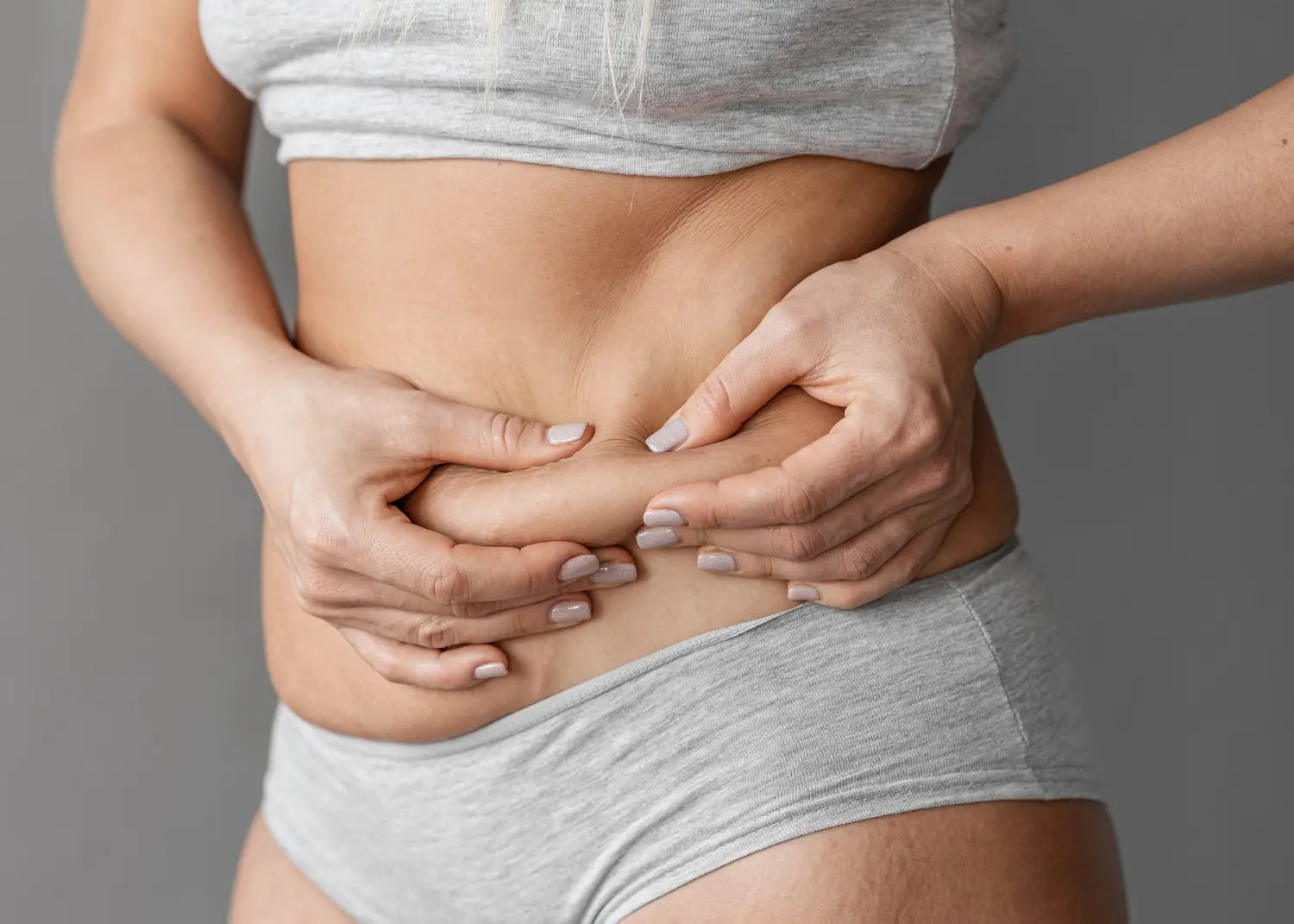
It can cause a “hormonal” bloated belly, linked to inflammation, water retention and an increase in uterine volume.
This bloating is cyclical (before/during periods) and is often accompanied by pelvic pain and heavy periods, unlike simple digestive bloating.
Natural solutions exist to provide relief: anti-inflammatory diet, plant-based support, stress management and gentle activity
What is adenomyosis? Everything you need to know first
Adenomyosis is a benign but often painful uterine condition. It is characterised by the presence of endometrial cells within the myometrium, causing hypertrophy and thickening of the uterine wall. Each month, these cells respond to hormones, triggering inflammation and bleeding deep within the uterine muscle.

Adenomyosis vs endometriosis: two related but distinct conditions
Although adenomyosis and endometriosis share a common hormonal mechanism, they differ in their location. Adenomyosis remains confined within the uterus, whereas endometriosis develops outside the uterine cavity (ovaries, fallopian tubes, abdominal wall…). This difference explains the variety of symptoms and management options.
Who is affected by adenomyosis?
This condition primarily affects women between the ages of 30 and 50, especially following a pregnancy, caesarean section or other uterine procedures. Hormonal changes associated with perimenopause can also encourage its development. More severe forms can occur in younger women, particularly when fibroids or fertility issues are already present.
Why does adenomyosis cause a bloated belly?
The abdominal bloating observed combines three phenomena linked to the presence of endometrial tissue within the uterine muscle: inflammation, water retention and abnormal muscular activity, all closely connected to the hormonal cycle and the hormonal belly.
The bulky uterus: when the uterus increases in volume
- The migration of endometrial cells into the myometrium thickens the uterine wall.
- This hypertrophy gives the uterus a larger shape, noticeable in the lower abdomen.
- By taking up more space, the uterus sometimes presses on the intestine or bladder, intensifying the sensation of bloating.
Inflammation, water retention and hormones: the trio responsible
- Chronic inflammation within the myometrium generates oedema and pain.
- A relative excess of oestrogens promotes water retention and tissue thickening.
- Painful uterine contractions disrupt intestinal transit, causing gas and sensations of heaviness.
Adenomyosis bloating or simple digestive bloating? How to tell the difference
Bloating linked to adenomyosis Classic digestive bloating
| Appears or worsens before and during periods | Occurs mainly after meals |
| Accompanied by pelvic pain and heavy bleeding | Linked to certain foods (legumes, lactose, gluten…) |
| Abdomen firm and tender to the touch | Relieved by passing gas or having a bowel movement |
| Can persist for several days, even weeks | Non-cyclical, unrelated to the menstrual cycle |
How to naturally relieve adenomyosis-related bloating?
An anti-inflammatory diet, your first ally
Opt for a diet rich in seasonal vegetables, berries, omega-3s (oily fish, flaxseeds, walnuts) and healthy plant-based fats (olive oil, rapeseed oil), while limiting refined sugars, ultra-processed foods and alcohol. Spices such as turmeric, ginger and black pepper support digestion and help limit inflammation. Herbal teas made with chamomile, lemon balm or peppermint soothe the abdomen after meals.
Plants and natural actives to reduce bloating
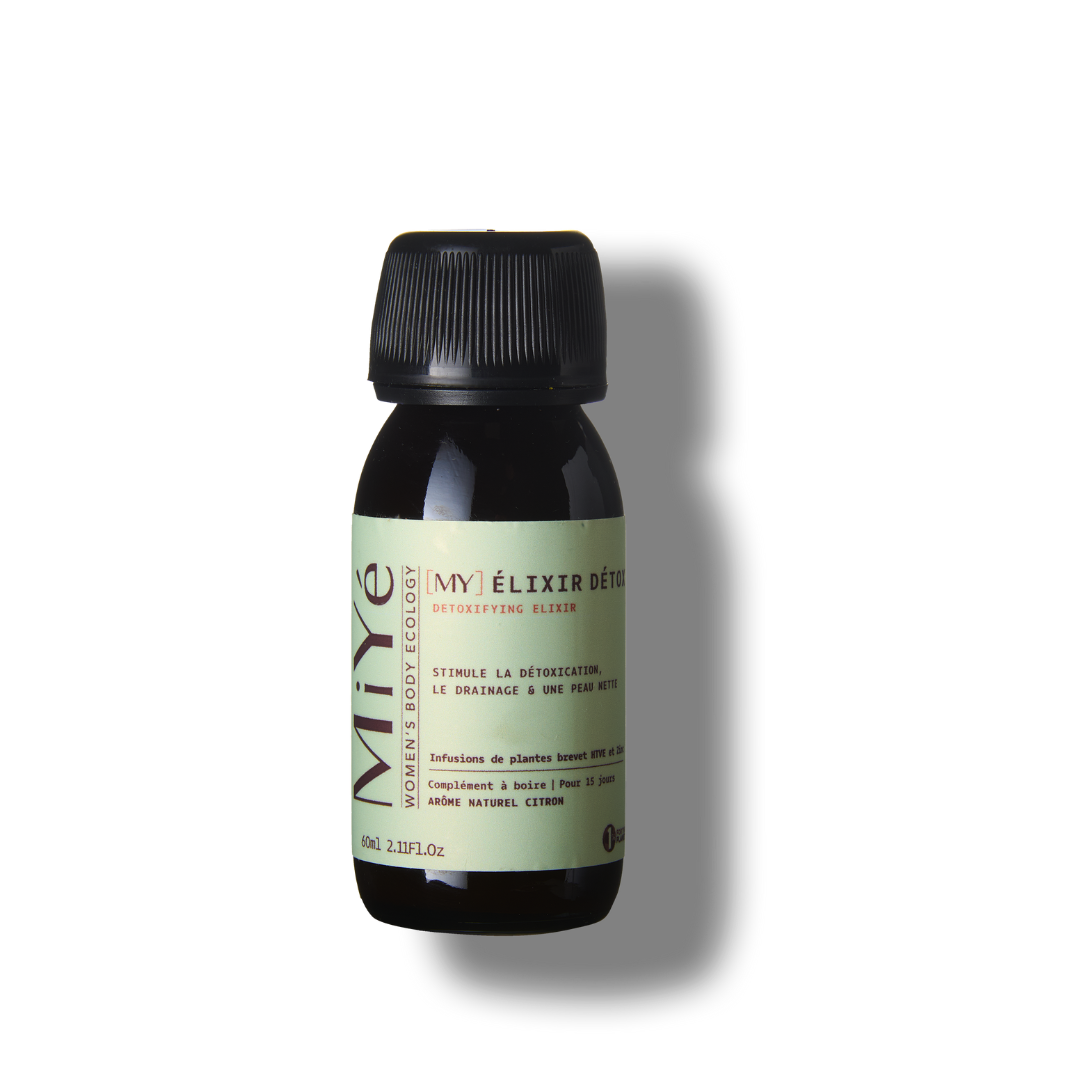
In routines such as the lymphatic boost kit, you will find plant extracts such as ginkgo biloba, recognised for supporting circulation, as well as broccoli concentrates that contribute to natural detoxification processes and healthy metabolic function.
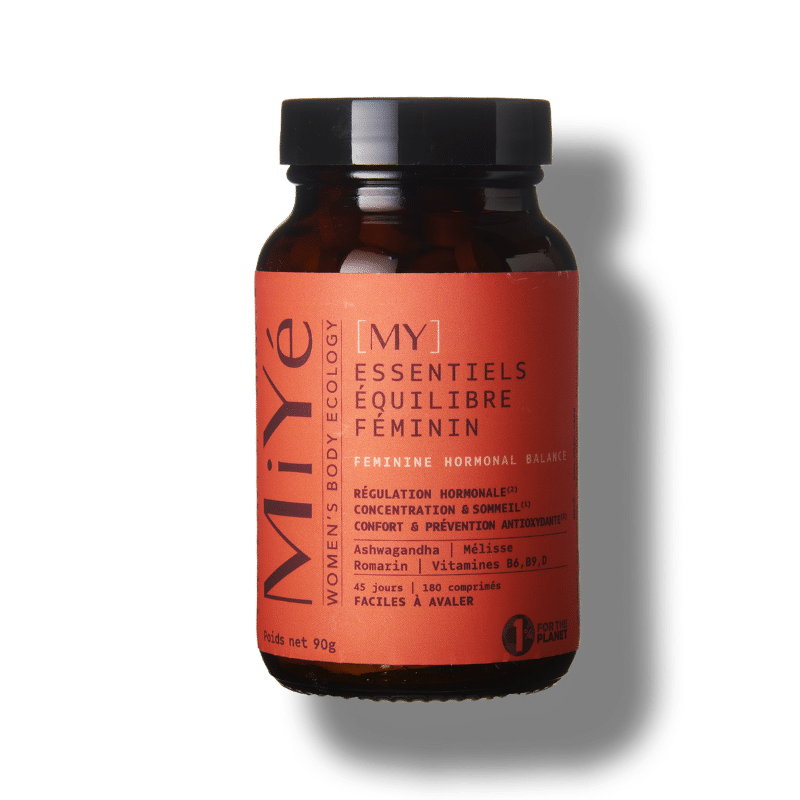
On the hormonal balance side, adaptogenic plants such as ashwagandha, present in formulas dedicated to the female cycle, help the body manage stress more effectively and support hormonal regulation, which is often involved in bloating sensations.
Finally, for digestive comfort and overall abdominal balance, supplements dedicated to intestinal and intimate flora combine probiotics and specific actives that contribute to rebalancing the microbiome, a key lever for limiting bloating and digestive discomfort.
Food supplements are not a substitute for a varied, balanced diet and a healthy lifestyle. If in doubt, consult your doctor or healthcare professional.
Lifestyle: gentle movement, stress management and sleep
Moderate activities (walking, gentle yoga, swimming, pilates) promote pelvic circulation and harmonious transit. Relaxation techniques (deep breathing, meditation, sophrology) reduce abdominal tension. Finally, regular, restorative sleep helps manage inflammation and maintain a lighter abdomen.
Adenomyosis and a bloated belly: what women really experience
Many women describe a hormonal belly that distends without weight gain and causes a feeling of constant pressure. This reality can be a source of social misunderstanding and isolation, which is why open dialogue and appropriate support are so important.
FAQ
How can I reduce bloating with adenomyosis?
It is not possible to strictly “reduce bloating” when the swelling is linked to adenomyosis, as it is not a build-up of fat but rather inflammation and uterine congestion. However, several approaches can significantly reduce abdominal distension: adopting an anti-inflammatory diet (reducing gluten, dairy, refined sugar and alcohol), supporting hepatic detoxification of oestrogens, limiting water retention through sufficient magnesium intake, and supporting hormonal balance to ease oestrogen dominance, which worsens symptoms.
Does adenomyosis cause weight gain?
Adenomyosis does not strictly cause weight gain, but it can lead to apparent weight gain or a persistent sensation of a heavy, bloated abdomen. Two mechanisms are at play: water retention linked to chronic inflammation and hormonal imbalance (oestrogen dominance), and the swelling of the uterus itself, which can double or triple in volume in severe cases, causing visible abdominal distension.
What are the effects of adenomyosis on everyday life?
Adenomyosis can affect quality of life well beyond painful periods. Among the most frequent effects: heavy and prolonged periods that can lead to a drop in iron levels (intense fatigue, shortness of breath, pale complexion), persistent pelvic pain outside menstruation, pain during intimate relations, cyclical digestive disorders (bloating, diarrhoea or constipation around periods), a permanent sensation of pelvic pressure, and a significant psychological impact (anxiety, low mood) related to the duration of the pain.
What are the symptoms of an adenomyosis flare-up?
An adenomyosis flare-up manifests as a sudden intensification of usual symptoms. The most characteristic signs are: intense pelvic pain and uterine cramps that can radiate towards the lower back and thighs, a suddenly very bloated and hard abdomen (often called “endobelly”), heavy bleeding with clots, nausea, sometimes vomiting or fainting spells with dizziness in cases of very severe pain, and sudden fatigue linked to significant blood loss. These flare-ups most often occur during periods, but can also appear outside the cycle in advanced cases.
How long does an adenomyosis flare-up last?
The duration of an adenomyosis flare-up varies from woman to woman and depends on the intensity of symptoms. In the majority of cases, the most intense flare-ups last between 2 and 5 days, coinciding with the heaviest days of the period. However, some women experience pelvic pain and abdominal bloating throughout the entire cycle, with a marked recurrence in the premenstrual phase and during menstruation. In severe or unsupported cases, pain can become near-permanent with regular flare-ups.
Sources
Adenomyosis: symptoms, causes and management
https://www.ameli.fr/assure/sante/themes/adenomyoseAdenomyosis: definition and clinical information
https://www.sante.fr/adenomyoseClinical guidelines on adenomyosis, French National College of Gynaecologists and Obstetricians (CNGOF)
https://www.cngof.fr


Share:
Hot Flashes Without Menopause: Causes and Natural Relief
What are the best positions to relieve menstrual pain ?