


SUMMARY


Perimenopause often begins with irregular cycles (more spaced-out, heavier or shorter periods), a sign of a gradual decline in estrogen.
Menopause is defined after 12 months without a period, when the ovaries stop releasing eggs and produce fewer hormones.
The most common symptoms: hot flashes, night sweats, sleep disturbances, fatigue, mood swings, abdominal weight gain, dry skin and vaginal dryness, hair loss.
The intensity and duration of symptoms vary greatly from one woman to another, which is why personalized follow-up matters.
The transition can last several years, and some symptoms may sometimes continue after menopause.
The first sign of menopause is often an irregular cycle: periods that are more spaced out, shorter, or heavier. This signals the beginning of perimenopause, a period during which estrogen production by the ovaries decreases. You may also notice hot flashes or sleep disturbances, signs that your body is beginning its transition toward the end of menstruation.
Menopause generally occurs between ages 45 and 55. Recognizing these early signs allows you to approach this natural stage with peace of mind. In this article, we will look at how to identify menopause symptoms, from perimenopause to hot flashes, and when to consult a professional for appropriate support.
Understanding menopause and its different phases
What exactly is menopause?
Menopause corresponds to the permanent end of menstruation, when the ovaries stop releasing an egg each month and produce less estrogen and progesterone.
It is considered menopause when you have not had a period for 12 consecutive months.
This hormonal decline changes the way your body functions, including your endometrium, the inner lining of the uterus, which no longer thickens to be shed each month.
Before menopause, the transition period, called perimenopause or premenopause, is marked by major hormonal fluctuations. Your periods are still present, but less regular.
The main difference between perimenopause and menopause is the presence of irregular periods: in menopause, they have been absent for at least one year. Identifying these signs will help you discuss them with a healthcare professional and consider suitable follow-up.
What are the different stages and at what age do they appear?
Perimenopause begins on average between ages 40 and 47, sometimes earlier. It generally lasts four to five years, but it can range from a few months to 11 years.
The average age of menopause is around 50. Once menopause is established, your periods will not return.
The duration and intensity of symptoms vary from one woman to another, which is why personalized follow-up is important.
The first signs of menopause to watch for:
Hot flashes and night sweats
Do you suddenly feel intense heat in your face and chest, often accompanied by sweating, especially at night? These hot flashes affect 60 to 80% of women and are linked to declining estrogen levels.
Sleep disturbances
Insomnia, frequent waking, or difficulty falling asleep may develop, leading to persistent fatigue during the day.
Menstrual irregularities
Your cycles become less predictable: changes in length, heavier or lighter flow. These variations reflect temporary hormonal imbalances.
Mood swings, anxiety and fatigue
Mood swings, increased nervousness or low mood may occur, often accompanied by lasting fatigue.
Weight gain and metabolic changes
You may notice weight gain, especially around the abdomen, linked to a slower metabolism and fat redistribution.
Dry skin and vaginal dryness, hair loss
The skin and mucous membranes become drier, hair becomes finer and falls out more easily. Vaginal dryness can cause discomfort and pain during intercourse.
What should you do at the first symptoms of menopause?
Medical support and hormone testing
Consult your doctor: diagnosis is often based on your symptoms and your age. Tests may be recommended if there is doubt, such as high FSH or low estradiol levels, to confirm the transition and rule out other causes.
Regular check-ups (blood sugar, cholesterol) and screenings (mammogram, smear test) help monitor your overall health. You can also use online questionnaires to measure the impact of your symptoms.
Natural solutions and lifestyle habits
Practice regular physical activity (walking, yoga) and adopt a diet rich in phytoestrogens (soy, flax). Drink enough water and limit alcohol, coffee and spicy foods, which can trigger hot flashes.
Food supplements and dedicated care
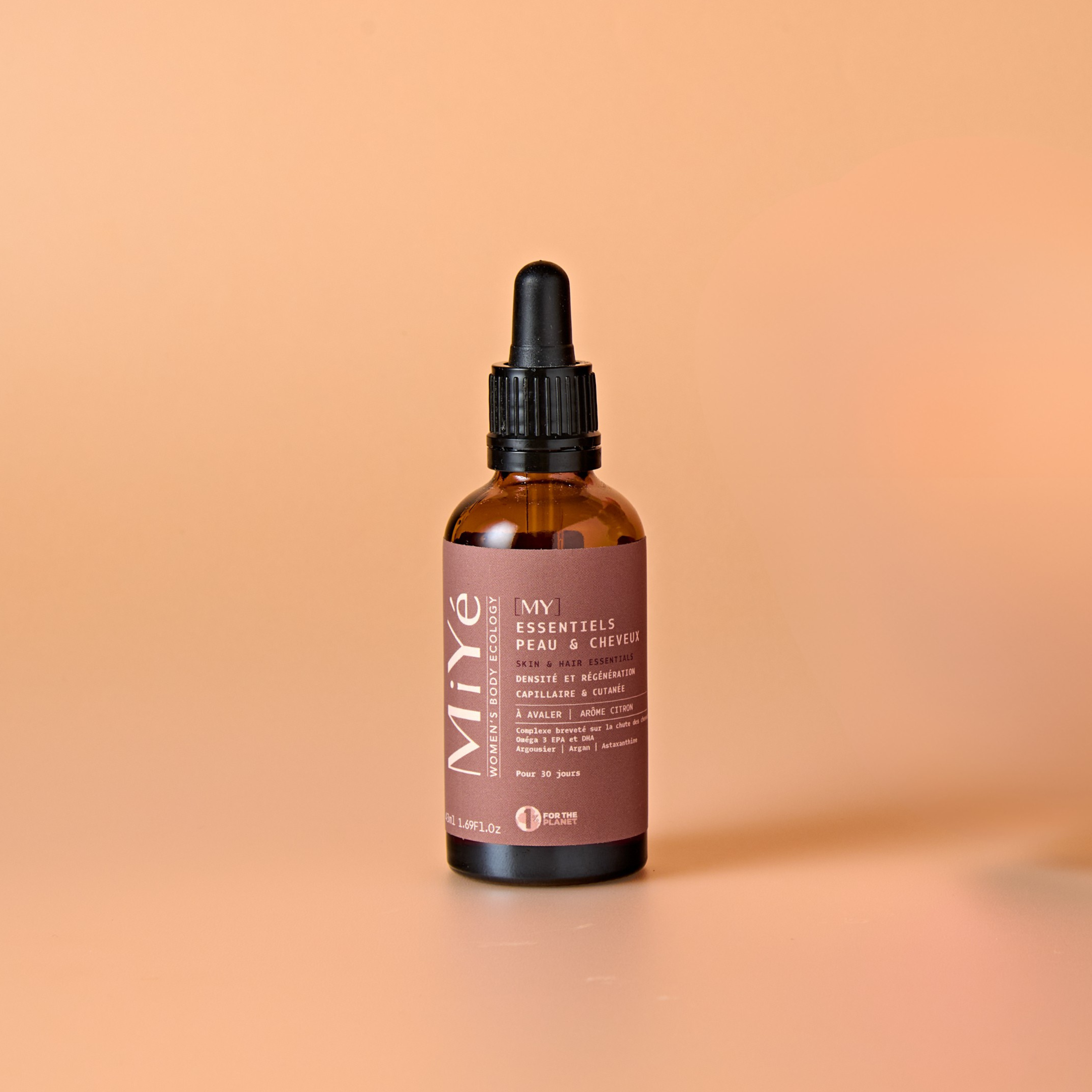
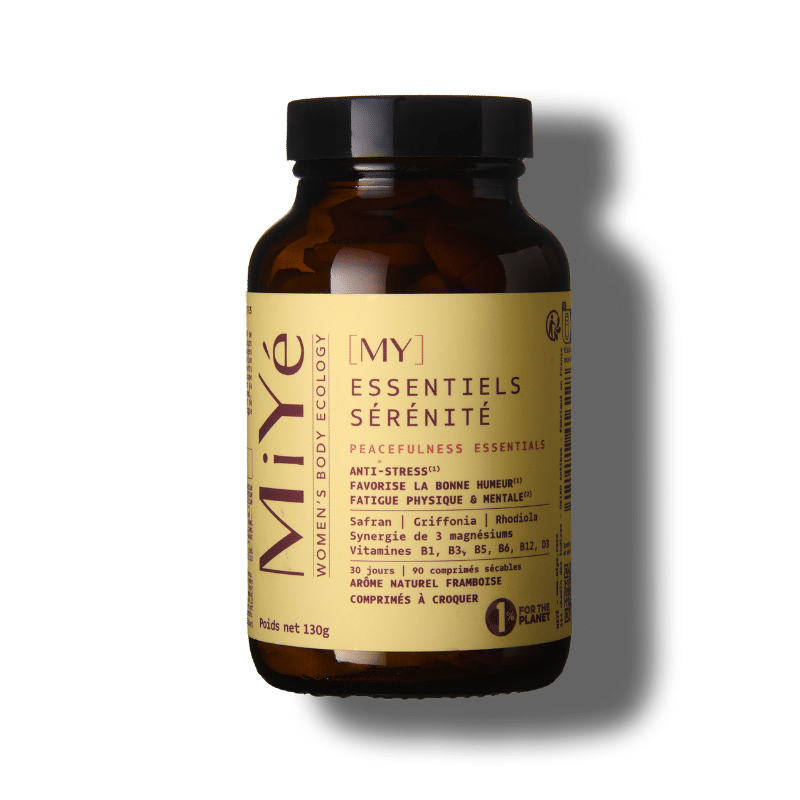
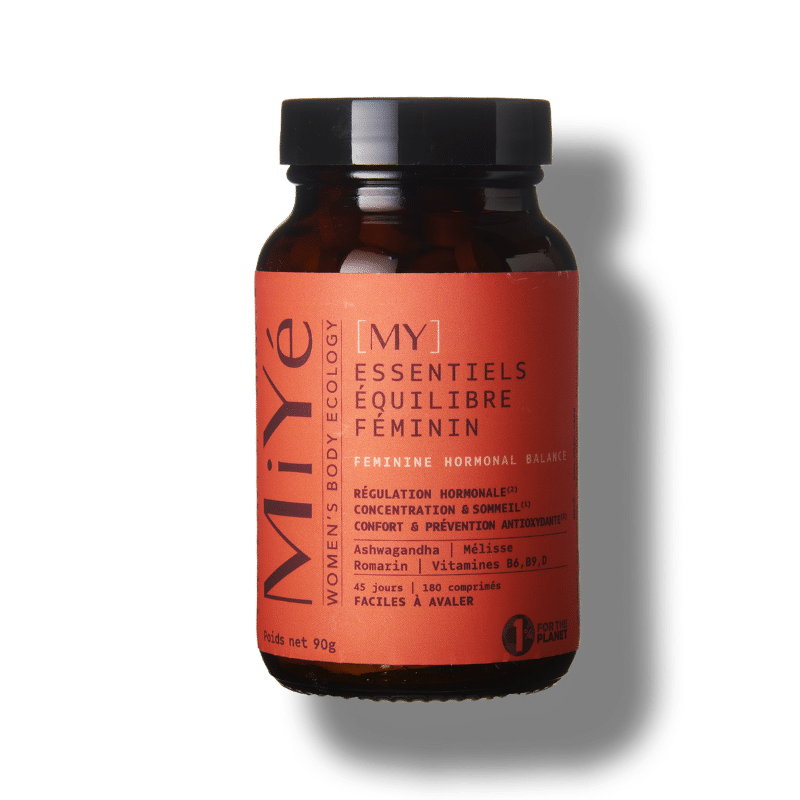
Plants such as red clover or hops can relieve symptoms without interfering with medical treatment. menopause supplements, these natural solutions, combined with dedicated skincare such as the Miyé range, use plant-based actives to support your well-being every day.
Our tips for living well with the first signs of menopause
Be kind to yourself
Give yourself time to breathe deeply, write down your emotions or practice relaxing activities. Consider this period as a new life stage to welcome with gentleness.
Physical activity and a balanced diet
Include some gentle exercise every day (brisk walking, yoga, light strength training) and choose a varied diet: fruits, vegetables, whole grains and lean proteins.
Communicate and stay informed
Share how you feel with loved ones, join discussion groups or workshops. Stay informed through reliable sources: books, podcasts or specialized websites.
Frequently asked questions about the first signs of menopause
At what age do the first symptoms appear?
In France, they appear on average around age 47, but can begin between 40 and 50. Early menopause before age 40 affects around 1% of women.
How long do these first signs last?
Perimenopause generally lasts 2 to 4 years, and sometimes up to 10 years. Even after menopause, 25% of women still experience symptoms ten years later.
Should you consult a doctor from the first signs?
Yes, especially if you think you may be experiencing early menopause or if the symptoms are severe. A professional can suggest appropriate follow-up.
Are the signs the same for everyone?
No, each woman experiences this transition differently: some will mainly have hot flashes, others sleep or mood disturbances.
Conclusion
Recognizing the first signs of menopause helps you anticipate this stage with peace of mind. Surround yourself with professionals, adopt a healthy lifestyle and be kind to yourself.
This period can become a time of fulfillment and renewal. Your well-being deserves your full attention.
FAQ
How can you recognize the first signs of perimenopause?
Irregular periods, hot flashes, sleep disturbances, irritability, anxiety, fatigue, lower libido and weight gain are the main indicators of hormonal changes.
What are the most common symptoms and how can they be relieved naturally?
Hot flashes, night sweats, vaginal dryness, fatigue and irritability. To ease them: eat a diet rich in phytoestrogens, exercise regularly, use relaxation techniques and stay hydrated.
Does menopause affect sex life?
Yes, vaginal dryness and lower estrogen levels can reduce libido. Intimate lubricants and, if needed, local hormonal treatments can help.
How should you adapt your diet and physical activity?
Focus on protein (fish, eggs, legumes), fiber, omega-3s (oily fish, nuts) and calcium (dairy, almonds). Drink 1 to 1.5 L of water. Limit sugar and processed foods. Aim for 30 minutes of walking or muscle-strengthening exercises every day.


Share:
How to relieve your bloating naturally and effectively ?
Hot Flashes Without Menopause: Causes and Natural Relief