





SUMMARY

Difficult digestion (dyspepsia) manifests as a feeling of heaviness, bloating, gas, heartburn and abdominal discomfort.
It affects women more frequently, particularly due to hormonal fluctuations (menstrual cycle, pregnancy, menopause).
Hormones slow transit, alter intestinal flora and amplify digestive discomforts during certain periods.
The liver plays a central role in managing hormones; when overloaded, digestive discomforts increase.
What is difficult digestion and why does it affect women more often?
We speak of difficult digestion, or dyspepsia, when you experience a feeling of heaviness in the abdomen, as if everything has slowed to a crawl. This digestive fatigue translates into an impression of being “too full” and a sense of weight.
Contrary to popular belief, women are particularly affected, notably due to hormonal fluctuations and their influence on intestinal transit.
Symptoms and causes in women
You may experience:
- A feeling of a heavy or “full” stomach
- Bloating and gas
- Heartburn and nausea
- Abdominal discomfort and sometimes headaches
Several factors may be involved: a meal that is too large, fatty or acidic foods, aerophagia (swallowing too much air while eating) and, of course, stress or anxiety. For pregnant women, the pressure of the uterus on the stomach further complicates digestion. Finally, gallstones are two to three times more common in women and can worsen discomfort.
The influence of hormones
Your hormones play a major role. During the menstrual cycle or pregnancy, transit slows, intestinal flora can become imbalanced and discomforts can intensify. You may notice that symptoms worsen at certain times of the month: this is normal, and targeted support is available to help you.
Traditional remedies for easier digestion
Herbal teas and digestive plants
After a meal, a cup of peppermint or Roman chamomile herbal tea can help ease spasms and encourage the release of gas. Ginger and gentian contribute to supporting digestive secretions. In addition, plants such as turmeric, milk thistle or rosemary may support your liver and gallbladder.
Diet and fibre
Incorporate fibre-rich foods: wholegrain cereals, cooked fruits, tender vegetables. Natural probiotics (yoghurt, kefir) contribute to rebalancing intestinal flora, while psyllium seeds provide a gentle laxative effect without irritating.
Simple gestures after meals
- Take time to chew thoroughly to limit aerophagia.
- Take a gentle walk to stimulate your transit.
- Drink a glass of warm water with a teaspoon of bicarbonate of soda to help neutralise acidity.
- A gentle abdominal massage, with a drop of diluted essential oil in a neutral carrier oil, can soothe discomfort and encourage the release of gas.
Adapting these solutions to modern life
Natural supplements
Supplements based on turmeric with recognised antioxidant properties, magnesium or digestive enzymes (lipase, papain) can be incorporated after meals. A digestive food supplement may also provide support by combining several natural actives suited to your needs. Probiotics such as Lactobacillus gasseri contribute to supporting your flora. Preferably choose organic formulas without additives.
Food supplements are not a substitute for a varied, balanced diet and a healthy lifestyle. Consult your healthcare professional before any supplementation.
Respecting your hormonal rhythm
Adapt your intake according to your cycle: for example, a light herbal tea after meals during the premenstrual phase. Maintain good hydration and relaxation breaks to limit the effects of stress on your digestion. Pregnant or breastfeeding women should opt for even gentler solutions and consult a professional before making any changes.
The link between probiotics, the liver and hormone-related digestion
When hormones fluctuate, the liver plays a key role that is often underestimated. It is notably involved in the breakdown and management of hormones such as oestrogens. If this function is slowed (stress, rich diet, hepatic overload), hormones can circulate longer in the body and intensify bloating, slow transit and digestive discomfort.
Probiotics then act as valuable allies: by rebalancing intestinal flora, they support the microbiome involved in hormone transformation (via the “estrobolome”) and contribute to facilitating their management by the liver and intestines. Combined with hepatic plants such as artichoke or milk thistle, probiotics thus contribute to more comfortable digestion, notably before periods, during pregnancy or at menopause.
RECOMMENDED PRODUCT
-
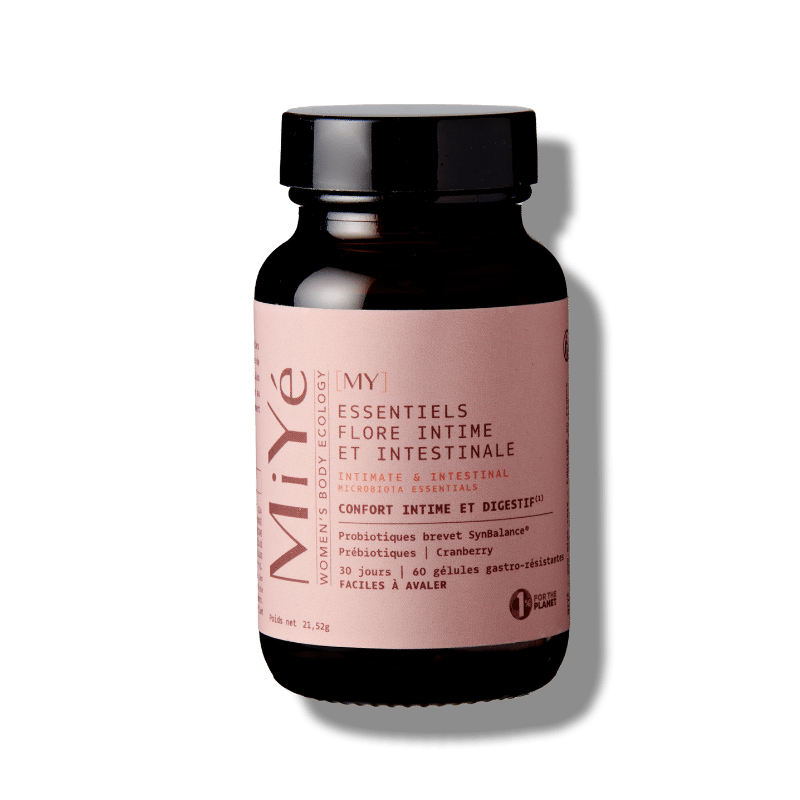
Dual intestinal and intimate action: contributes to maintaining and rebalancing the digestive and vaginal microbiomes.
-
Patented SynbAEctive® probiotic complex combined with prebiotics to contribute to the comfort of the intestinal lining.
-
Supports more comfortable digestion by encouraging the growth of beneficial bacteria in the intestine.
Symptoms: disrupted digestion and transit
FAQ
Can I combine several natural remedies?
Yes, the synergy between plants is often beneficial. You can combine peppermint and ginger, or alternate between peppermint and dandelion. Make sure to check for any contraindications (for example, rosemary is not recommended in cases of gallstones) and, if you are pregnant, consult a specialist before taking anything.
Do these remedies work during periods or menopause?
Yes. Artichoke, black radish or peppermint are well suited to supporting the liver and easing spasms. Probiotics and adaptogens such as ashwagandha can also provide valuable support, provided their safety during these periods is verified.
How long before noticing an improvement?
Some actives, such as vegetable charcoal or bicarbonate of soda, act within a few hours. A herbal tea often brings relief in 20 to 30 minutes. For a more lasting effect, allow 2 to 3 weeks of digestive plants or probiotics, or even 6 to 8 weeks for a progressive rebalancing of the flora.
Sources
-
Assurance Maladie – Dyspepsia: digestive discomfort, heaviness and abdominal bloating
https://www.ameli.fr/assure/sante/themes/dyspepsie -
INSERM – Gut microbiome (intestinal flora)
https://www.inserm.fr/dossier/microbiote-intestinal-flore-intestinale/ -
Baker JM et al. – Estrogen-gut microbiome axis: Physiological and clinical implications. Maturitas. 2017.
https://pubmed.ncbi.nlm.nih.gov/28778332/

Share:
Bloating before menstruation: hormonal causes and solutions
Why do you experience nausea before and during your period?